Acknowledgement Letter Sample For Receiving Money In Ohio
Description

Form popularity
FAQ
If it is an acknowledgment, then yes, you may notarize it, but you may not notarize an affidavit or other jurat certificate if that document has already been signed, as that requires an oath or affirmation prior to signing.
A notary acknowledgement ensures that the signer of the document is indeed the person named in the document. The function of the notary in this case is to verify the identity of the signer. On the other hand, a notary is asked to perform a Jurat, when the signer takes an oath or makes an affirmation.
These details describe the facts the Notary is certifying in the particular notarization. An example of acknowledgment wording in the body might read: “… On (today's date), (signer name) personally appeared before me and acknowledged executing the document.”
The purpose of a jurat is for an affiant to swear to or affirm the truthfulness of the contents of an affidavit. A notary public administers an oath or affirmation to the affiant, who verifies the truths listed in the affidavit under penalty of perjury.
A notary public may not notarize a document for a signer who cannot directly acknowledge his signature or swear to the truthfulness of the statements in the notarial ceremony. Without the notarial ceremony, the notarial act is not officially executed.
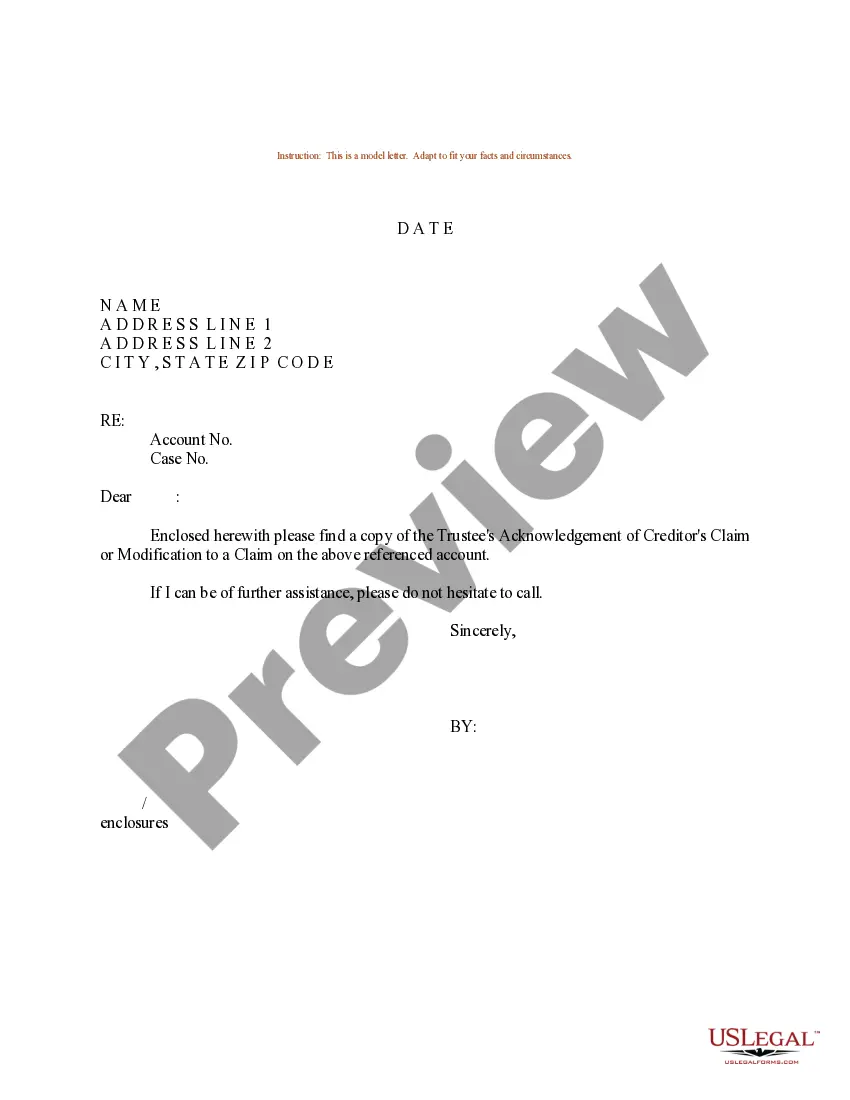
Subject: Receipt of Delivery The Name of Item has been inspected and we acknowledge that it has been received in good condition. We appreciate your quick response to our request and thank you for your valued assistance. The Name of Item has been passed on to the relevant department for further action.
Which statement describes the differences between the Acknowledgment and Jurat? A Jurat certifies a voluntary signature was made under oath or affirmation in the notary's presence whereas Acknowledgment certifies a signer has admitted in the notary's presence to voluntarily signing.
Jurats, also called verifications of the oath, are legal affirmations that the information included in a document is true.