State Specific Employment Laws Within Hospitality In Oakland
Description
















Get your form ready online
Our built-in tools help you complete, sign, share, and store your documents in one place.
Make edits, fill in missing information, and update formatting in US Legal Forms—just like you would in MS Word.
Download a copy, print it, send it by email, or mail it via USPS—whatever works best for your next step.
Sign and collect signatures with our SignNow integration. Send to multiple recipients, set reminders, and more. Go Premium to unlock E-Sign.
If this form requires notarization, complete it online through a secure video call—no need to meet a notary in person or wait for an appointment.
We protect your documents and personal data by following strict security and privacy standards.
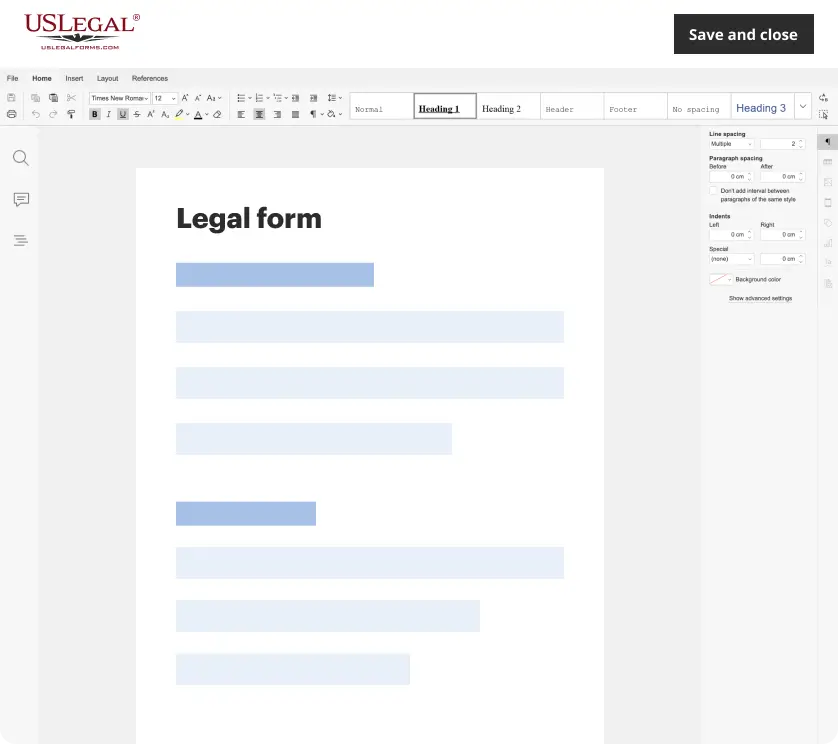
Make edits, fill in missing information, and update formatting in US Legal Forms—just like you would in MS Word.
Download a copy, print it, send it by email, or mail it via USPS—whatever works best for your next step.
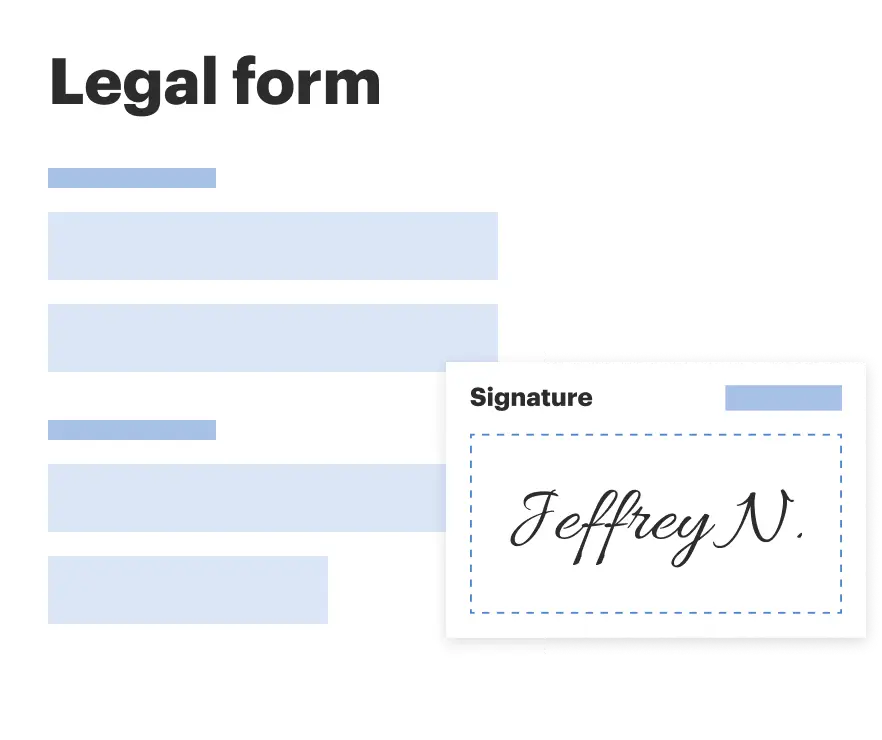
Sign and collect signatures with our SignNow integration. Send to multiple recipients, set reminders, and more. Go Premium to unlock E-Sign.
If this form requires notarization, complete it online through a secure video call—no need to meet a notary in person or wait for an appointment.
We protect your documents and personal data by following strict security and privacy standards.
Looking for another form?

Form popularity
FAQ
Contrary to Oracle's assertions, the California Labor Code is clearly intended to apply to work done in California by nonresidents. The California Supreme Court has concluded that California's employment laws govern all work performed within the state, regardless of the residence or domicile of the worker.
To remain compliant and prepared for government inspections and avoid penalties, businesses should: Document every employment-related activity accurately. Maintain up-to-date and easily accessible employee records. Regularly review and update company policies to align with current laws.
Contrary to Oracle's assertions, the California Labor Code is clearly intended to apply to work done in California by nonresidents. The California Supreme Court has concluded that California's employment laws govern all work performed within the state, regardless of the residence or domicile of the worker.
California labor laws are renowned for their comprehensive nature, providing many employee protections. However, they primarily apply to individuals who perform work within the state's borders. This includes individuals who physically work in California, regardless of their residency or the location of their employer.
The Professional Exemption sets out eight specific professions (law, medicine, dentistry, optometry, architecture, engineering, teaching, and accounting) that are exempt from the first 12 sections of the Wage Orders. It also addresses certain other professions, including nurses, pharmacists and software coders.
They usually work in establishments that serve food and drinks, such as hotels, restaurants, bars and s. Some of the main tasks for servers include directly communicating with customers to take their orders, serving them food and beverages and take their payment. Some related roles are: Bartender.
The conditions under which employees have to work. This includes matters such as permitted breaks, the state of heating, lighting, and ventilation of workplaces, the safety and comfort of machinery, vehicles, and other equipment, normal manning levels, and disciplinary procedures.