State Specific Employment Laws Within Hospitality In Minnesota
Description
















Get your form ready online
Our built-in tools help you complete, sign, share, and store your documents in one place.
Make edits, fill in missing information, and update formatting in US Legal Forms—just like you would in MS Word.
Download a copy, print it, send it by email, or mail it via USPS—whatever works best for your next step.
Sign and collect signatures with our SignNow integration. Send to multiple recipients, set reminders, and more. Go Premium to unlock E-Sign.
If this form requires notarization, complete it online through a secure video call—no need to meet a notary in person or wait for an appointment.
We protect your documents and personal data by following strict security and privacy standards.
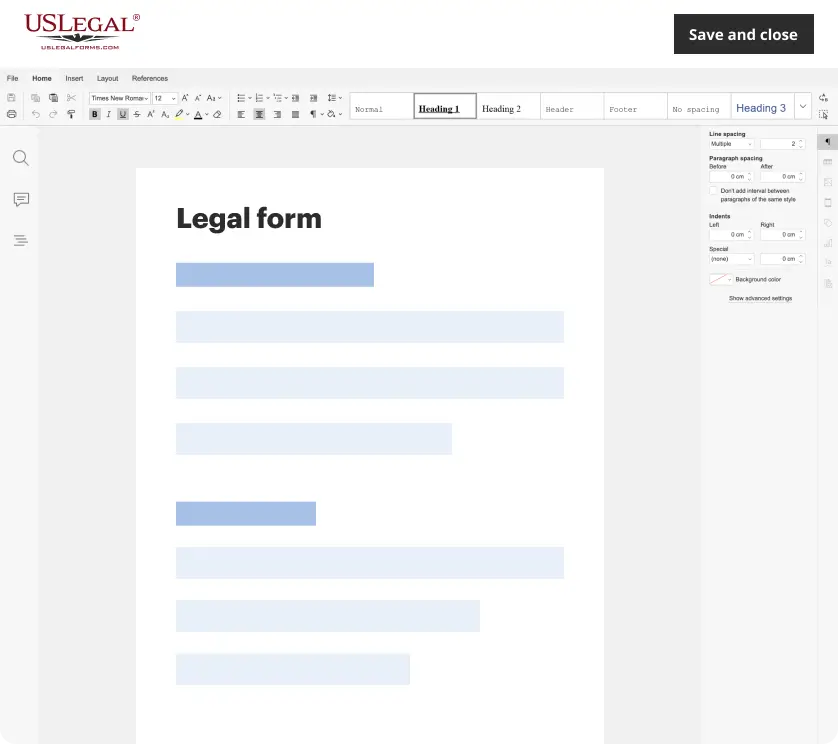
Make edits, fill in missing information, and update formatting in US Legal Forms—just like you would in MS Word.
Download a copy, print it, send it by email, or mail it via USPS—whatever works best for your next step.
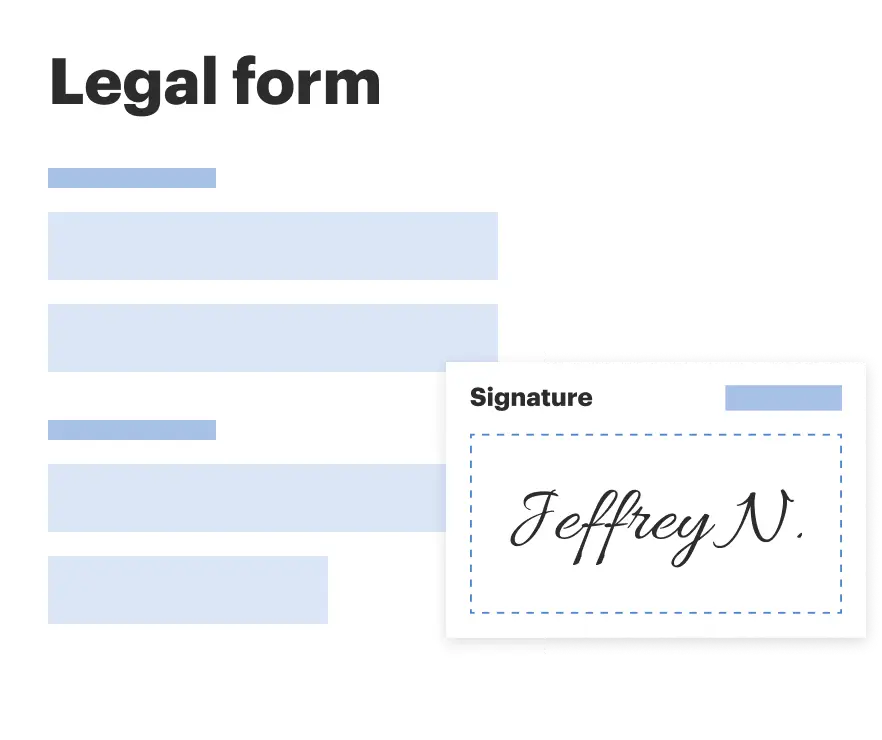
Sign and collect signatures with our SignNow integration. Send to multiple recipients, set reminders, and more. Go Premium to unlock E-Sign.
If this form requires notarization, complete it online through a secure video call—no need to meet a notary in person or wait for an appointment.
We protect your documents and personal data by following strict security and privacy standards.
Looking for another form?
Form popularity
FAQ
Minnesota is an employment-at-will state, which means that without a written employee contract, employees can be terminated for any reason at any time, provided that the reason is not discriminatory and that the employer is not retaliating against the employee for a rightful action.
Employment law is the section of laws that govern the relationship between an employee and their employer, including the rights and responsibilities of both parties.
Under current Minnesota law, employers are only entitled to either monitor their employee's calls, read their emails or search their desks if they advise them of their rights to do so in advance. Additionally, they're only allowed to do so for a business-related reason.
Are My Workers Employees? The Fair Labor Standards Act (FLSA) only covers employees. The FLSA defines employee as "any individual employed by an employer" and employ is defined as including "to suffer or permit to work." The concept of employment in the FLSA is very broad and is tested by "economic reality."
Each state sets laws related to fair employment and workplace safety. In most cases, state laws offer more protections than the federal ones. Contact your state department of labor to learn about the labor laws in your state.
All employers must complete a Form I-9, Employment Eligibility Verification, to verify an employee's identity and employment authorization. Federal law also protects employees from discrimination based on national origin or citizenship status.
Synonyms for labor laws in English labour legislation. labour law. employment law. employment legislation. labour regulations. right to work. labour code. labour laws.
National Labor Relations Act The NLRA protects workplace democracy by providing employees at private-sector workplaces the fundamental right to seek better working conditions and designation of representation without fear of retaliation.
Answer and Explanation: Employment law is civil in nature.