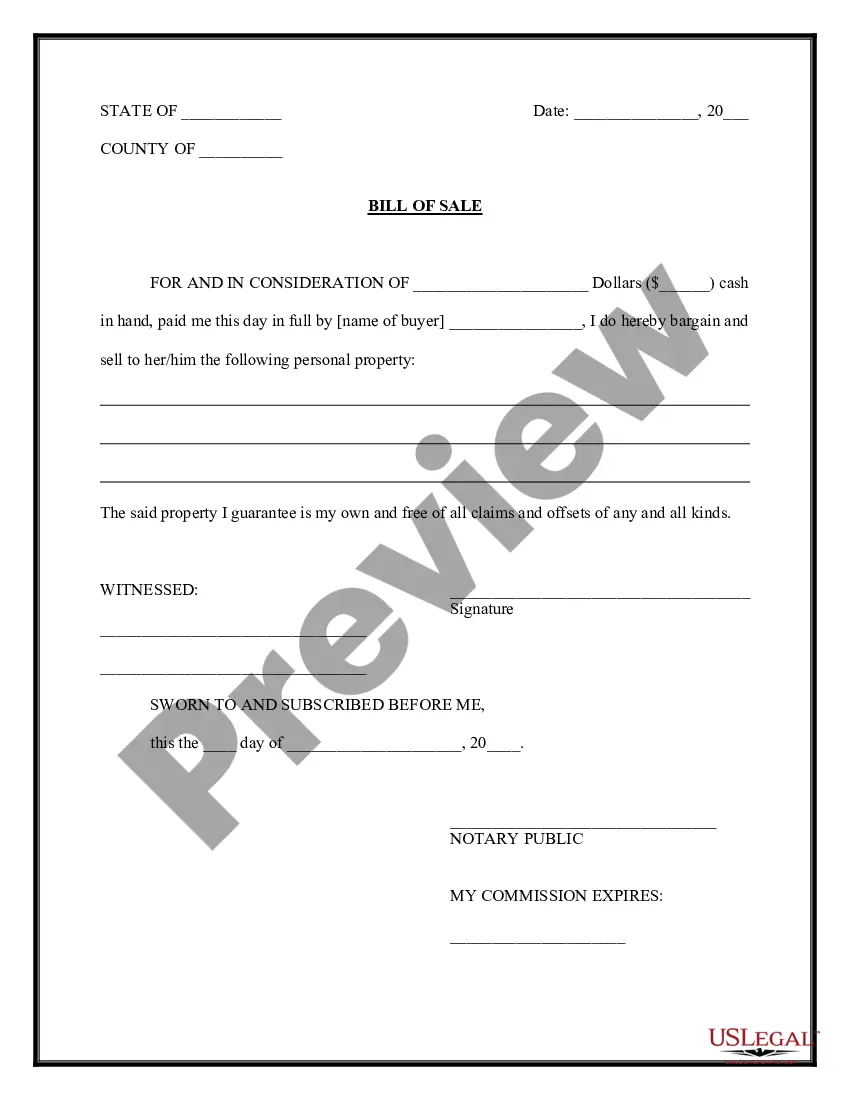
Federal Habeas Corpus Time Limit In Nevada
Description

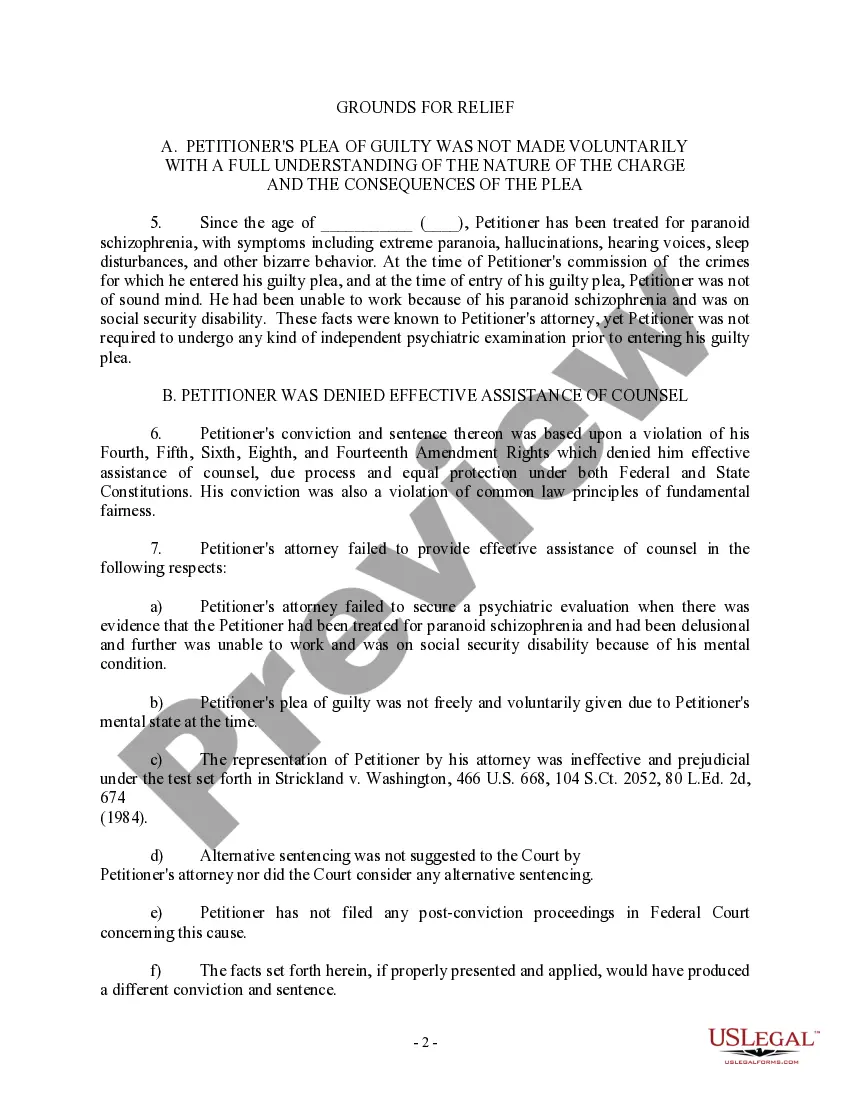
Get your form ready online
Our built-in tools help you complete, sign, share, and store your documents in one place.
Make edits, fill in missing information, and update formatting in US Legal Forms—just like you would in MS Word.
Download a copy, print it, send it by email, or mail it via USPS—whatever works best for your next step.
Sign and collect signatures with our SignNow integration. Send to multiple recipients, set reminders, and more. Go Premium to unlock E-Sign.
If this form requires notarization, complete it online through a secure video call—no need to meet a notary in person or wait for an appointment.
We protect your documents and personal data by following strict security and privacy standards.
Make edits, fill in missing information, and update formatting in US Legal Forms—just like you would in MS Word.
Download a copy, print it, send it by email, or mail it via USPS—whatever works best for your next step.
Sign and collect signatures with our SignNow integration. Send to multiple recipients, set reminders, and more. Go Premium to unlock E-Sign.

If this form requires notarization, complete it online through a secure video call—no need to meet a notary in person or wait for an appointment.

We protect your documents and personal data by following strict security and privacy standards.
Looking for another form?
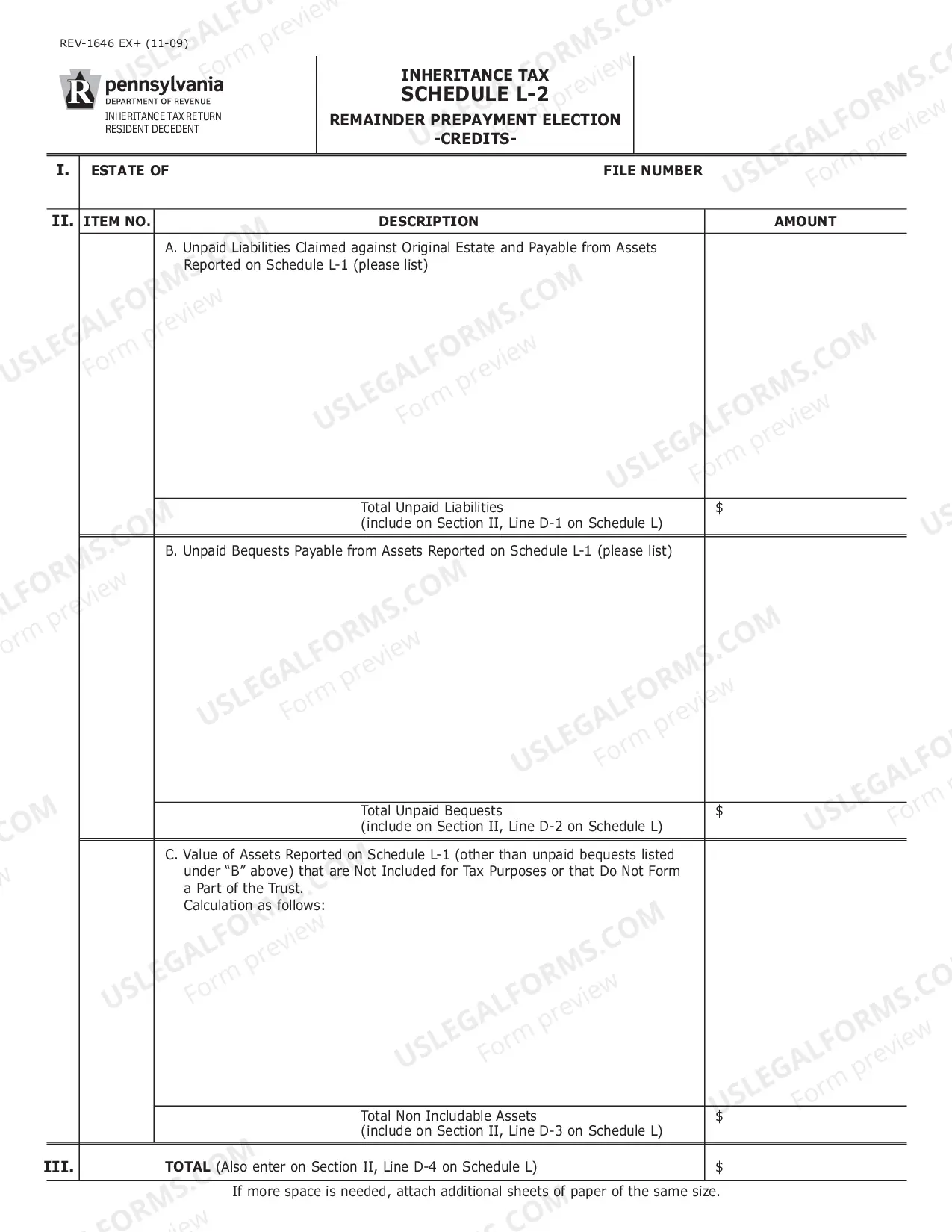

Form popularity
FAQ
In Nevada, post-conviction relief through a writ of habeas corpus is governed by Nevada Revised Statutes (NRS) Chapter 34. Defendants who believe their constitutional rights were violated during the trial or sentencing can file a habeas corpus petition in state court.
Unlike capital cases, there is no prescribed, fixed time period in which to seek state habeas corpus relief in a non-capital criminal case. Instead, the general rule is that such relief must be sought in a “timely fashion,” “reasonably promptly.”
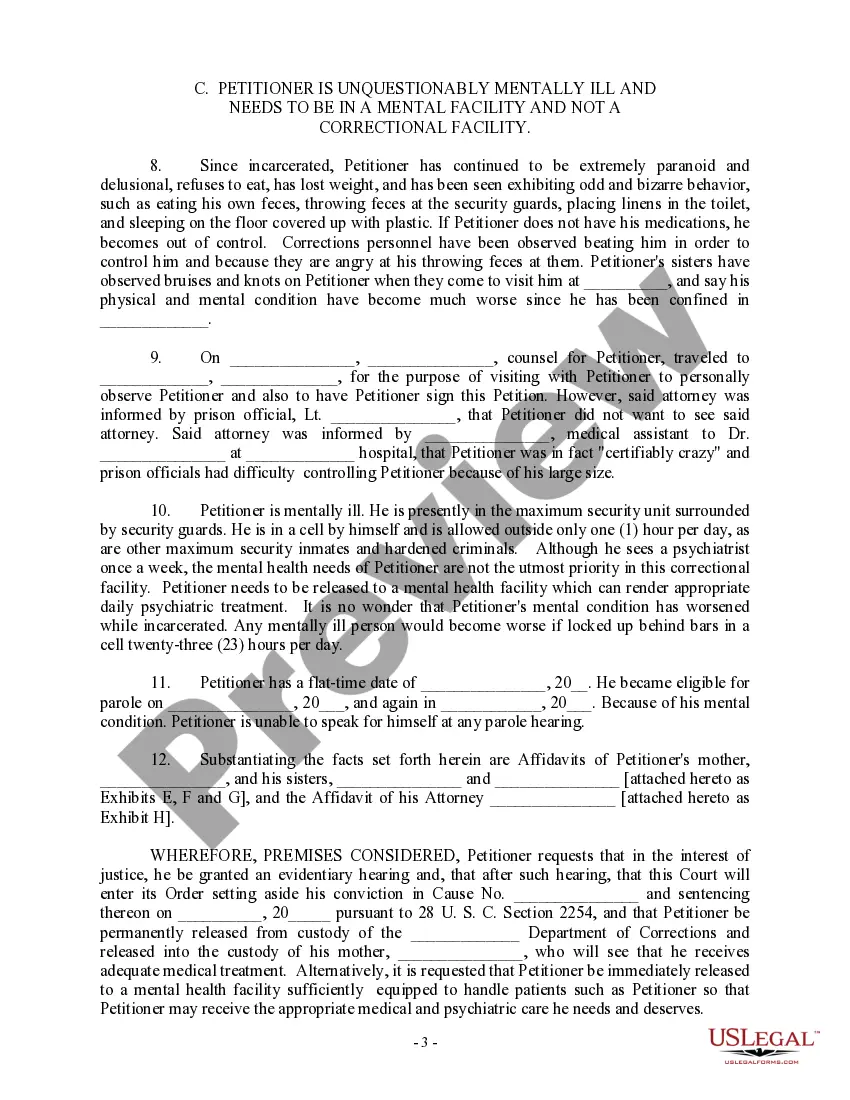
The following are some common grounds for writ of habeas corpus petitions: Introduction of new evidence that points to your innocence. Changes in the law. Incompetency during trial. Ineffective assistance of counsel. Conviction under unconstitutional law. Prosecutorial misconduct. No jurisdiction.
A federal petition for writ of habeas corpus under 28 U.S.C. § 2254 is used by a (1) state prisoner (2) being held in state custody (3) to challenge the validity of a state criminal conviction or sentence (4) for the purpose of obtaining release from custody.
A 2255 petition may be filed by a person in federal custody to challenge a federal criminal conviction and/or sentence. Unlike a 2254 petition, which challenges a state-court conviction and/or sentence, a 2255 petition is not limited to federal constitutional claims.
Federal habeas corpus is a procedure under which a federal court may review the legality of an individual's incarceration. It is most often the stage of the criminal appellate process that follows direct appeal and any available state collateral review. The law in the area is an intricate weave of statute and case law.
A federal petition for writ of habeas corpus under 28 U.S.C. § 2254 is used by a (1) state prisoner (2) being held in state custody (3) to challenge the validity of a state criminal conviction or sentence (4) for the purpose of obtaining release from custody.
The Writ of Habeas Corpus As per definition, it is a law stating that an individual cannot be imprisoned or held in custody inside a prison cell unless he/she has first been brought before a court of law, which decides whether or not it is legal for the person to be kept in prison.
The new NRAP 17 outlines the presumptive division of cases between the Nevada Supreme Court and Court of Appeals. The rule contains categories of cases that the Supreme Court “shall hear and decide,” as well as the type of cases that will be “presumptively assigned” to the Court of Appeals.
OVERVIEW: Latin for "that you have the body." In the US system, federal courts can use the writ of habeas corpus to determine if a state's detention of a prisoner is valid.