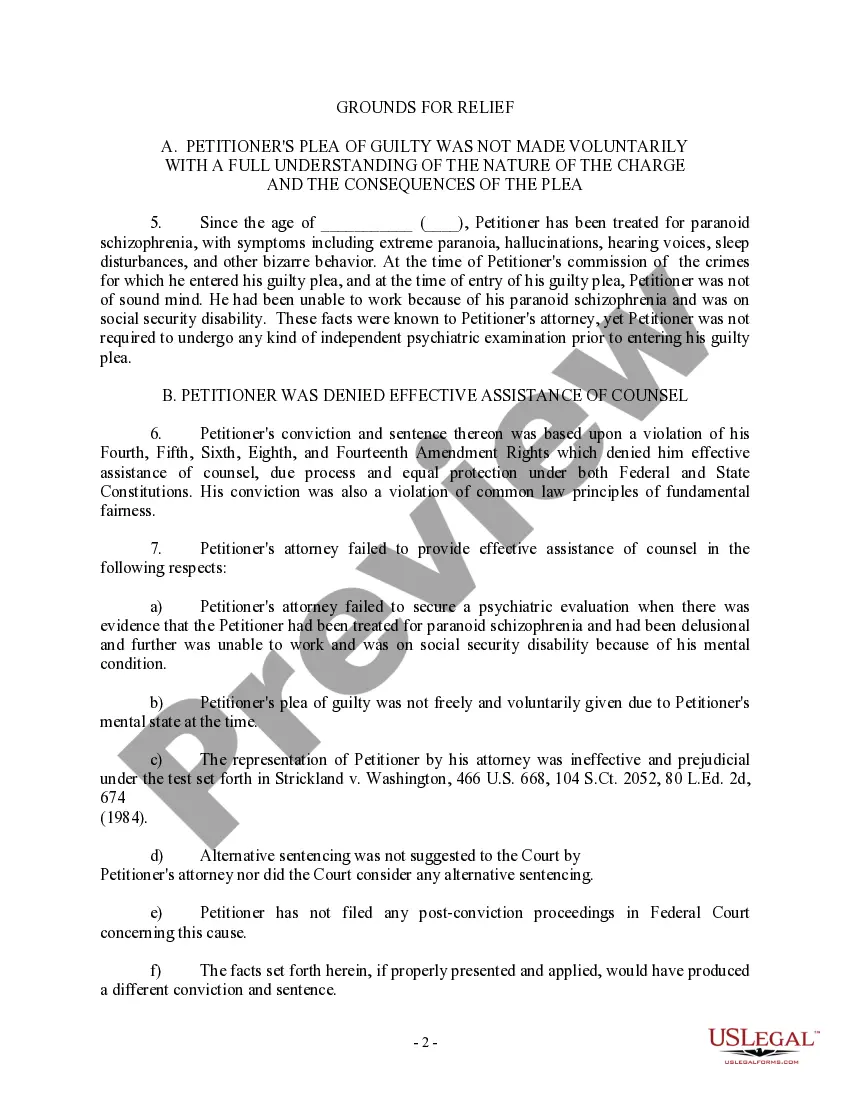
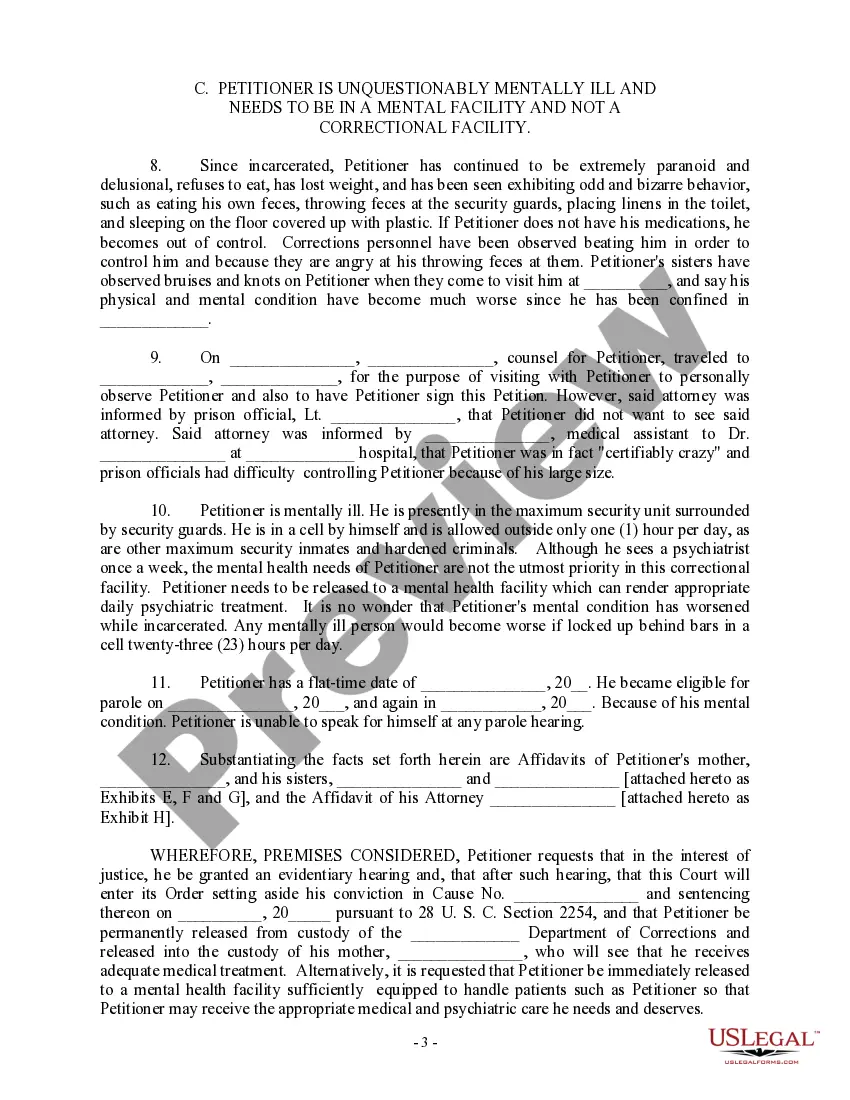
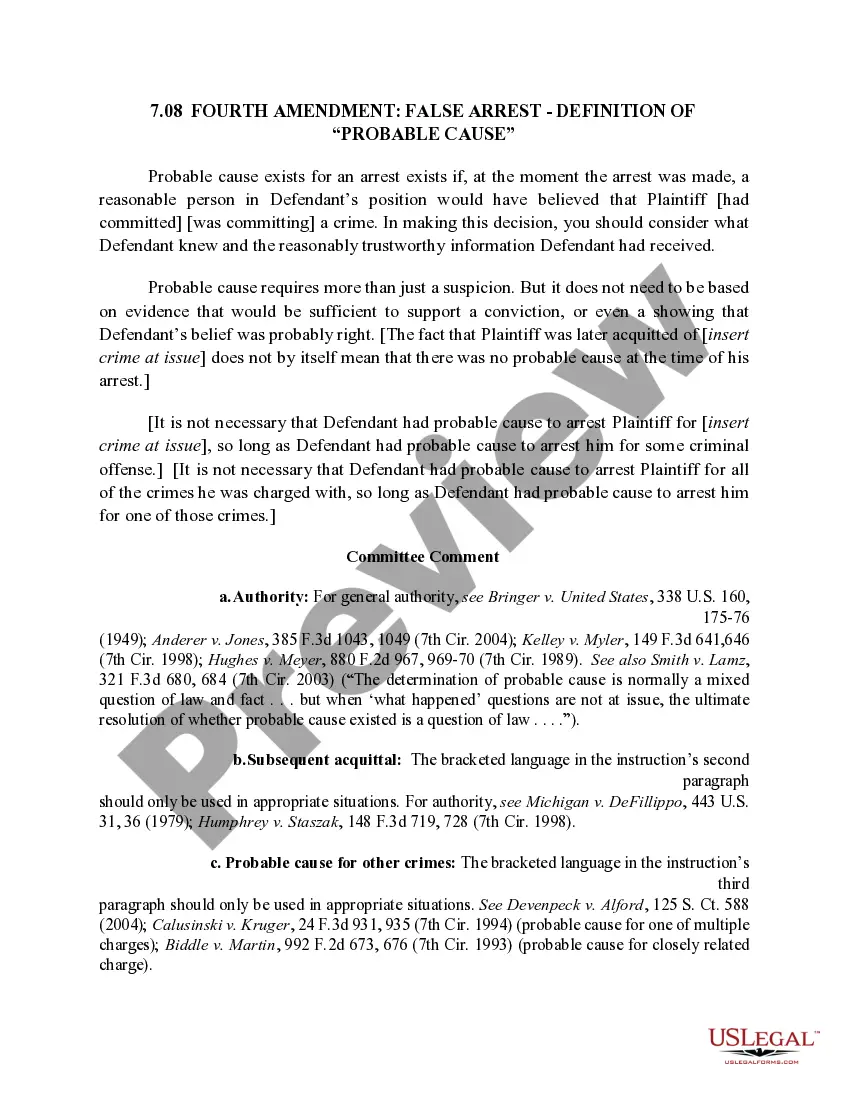
Habeas Corpus Petition Form With Attorney General In Montgomery
Description


Get your form ready online
Our built-in tools help you complete, sign, share, and store your documents in one place.
Make edits, fill in missing information, and update formatting in US Legal Forms—just like you would in MS Word.
Download a copy, print it, send it by email, or mail it via USPS—whatever works best for your next step.
Sign and collect signatures with our SignNow integration. Send to multiple recipients, set reminders, and more. Go Premium to unlock E-Sign.
If this form requires notarization, complete it online through a secure video call—no need to meet a notary in person or wait for an appointment.
We protect your documents and personal data by following strict security and privacy standards.

Make edits, fill in missing information, and update formatting in US Legal Forms—just like you would in MS Word.

Download a copy, print it, send it by email, or mail it via USPS—whatever works best for your next step.

Sign and collect signatures with our SignNow integration. Send to multiple recipients, set reminders, and more. Go Premium to unlock E-Sign.

If this form requires notarization, complete it online through a secure video call—no need to meet a notary in person or wait for an appointment.

We protect your documents and personal data by following strict security and privacy standards.
Looking for another form?
Form popularity
FAQ
(b) An application for writ of habeas corpus filed after final conviction in a felony case, other than a case in which the death penalty is imposed, must be filed with the clerk of the court in which the conviction being challenged was obtained, and the clerk shall assign the application to that court.
Habeas Corpus is a Latin word meaning which literally means 'to have the body of'. It is an order issued by the court to a person who has detained another person, to produce the body of the latter before it. The court then examines the cause and legality of detention. Further Reading: Types of Writs.
A sheriff or constable. A person over 18 years of age authorized by written order of the court. A person certified under order of the Supreme Court.
Habeas Corpus: Pertains to personal liberty in cases of illegal detention and wrongful arrest. Mandamus: Directs public officials, governments, and courts to perform their statutory duties.
(b) An application for writ of habeas corpus filed after final conviction in a felony case, other than a case in which the death penalty is imposed, must be filed with the clerk of the court in which the conviction being challenged was obtained, and the clerk shall assign the application to that court.
The Court of Criminal Appeals will review these recommendations and make the final decision about whether to deny or grant relief. If an application for a writ of habeas corpus is denied at the state level, the defendant may be able to apply for a federal writ and challenge this decision.
- Except as otherwise expressly provided by law, the writ of habeas corpus shall extend to all cases of illegal confinement or detention by which any person is deprived of his liberty, or by which the rightful custody of any person is withheld from the person entitled thereto.
The Writ of Habeas Corpus As per definition, it is a law stating that an individual cannot be imprisoned or held in custody inside a prison cell unless he/she has first been brought before a court of law, which decides whether or not it is legal for the person to be kept in prison.
Ask the court for a writ of habeas corpus (a court order telling a public official, like a prison warden, to bring you to the court and show a legal reason for holding you) to challenge your criminal conviction or commitment to another facility or the conditions under which you are being held.
