Federal Habeas Corpus Time Limit
Description

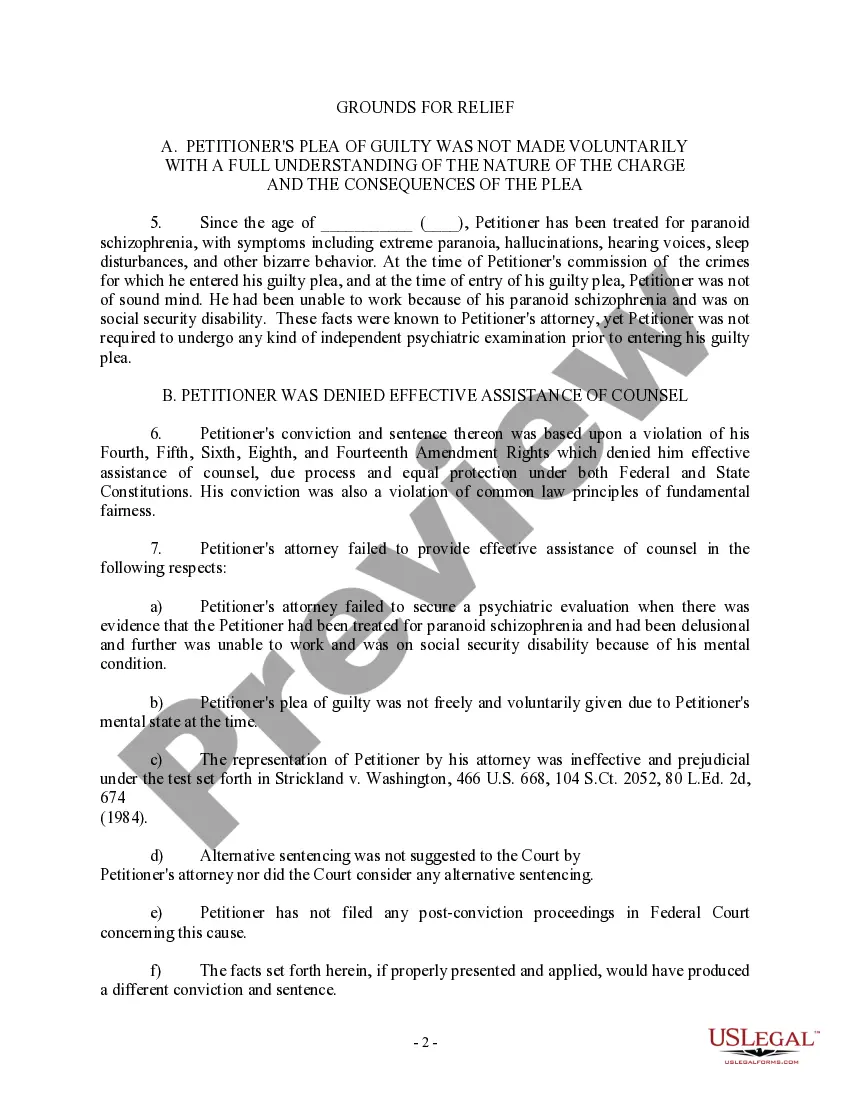
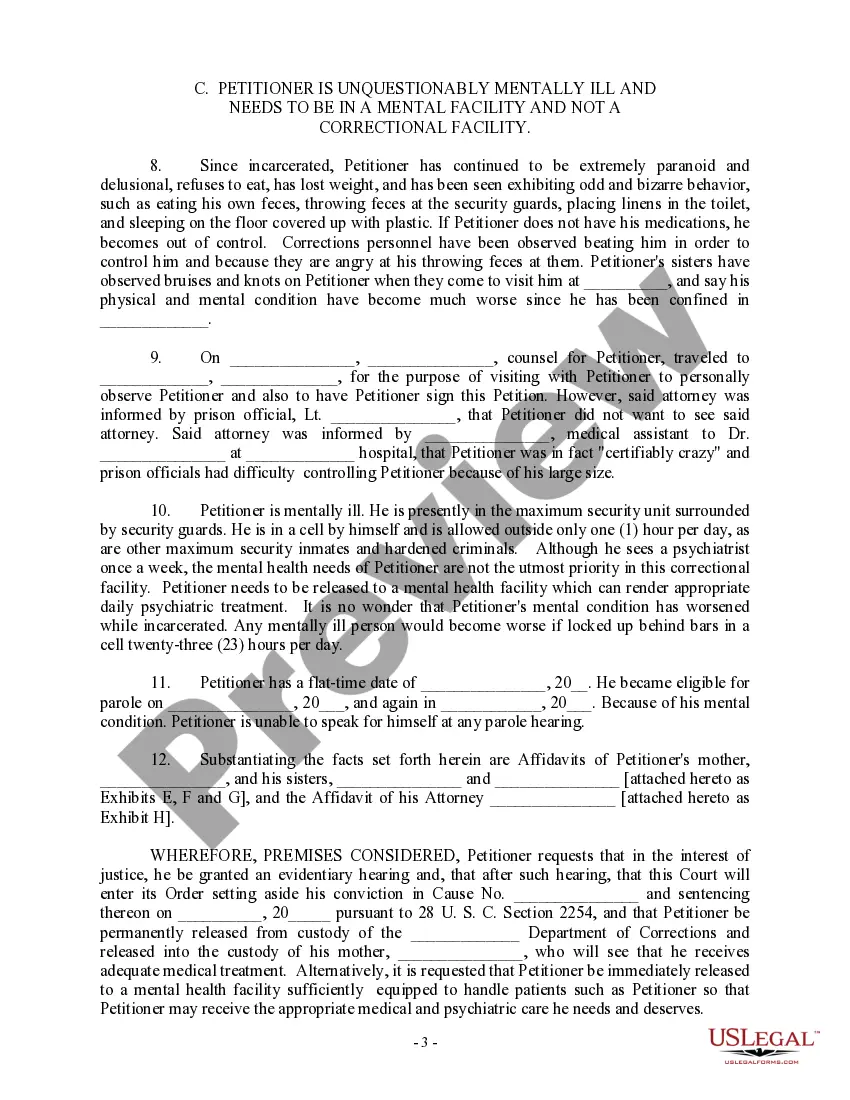
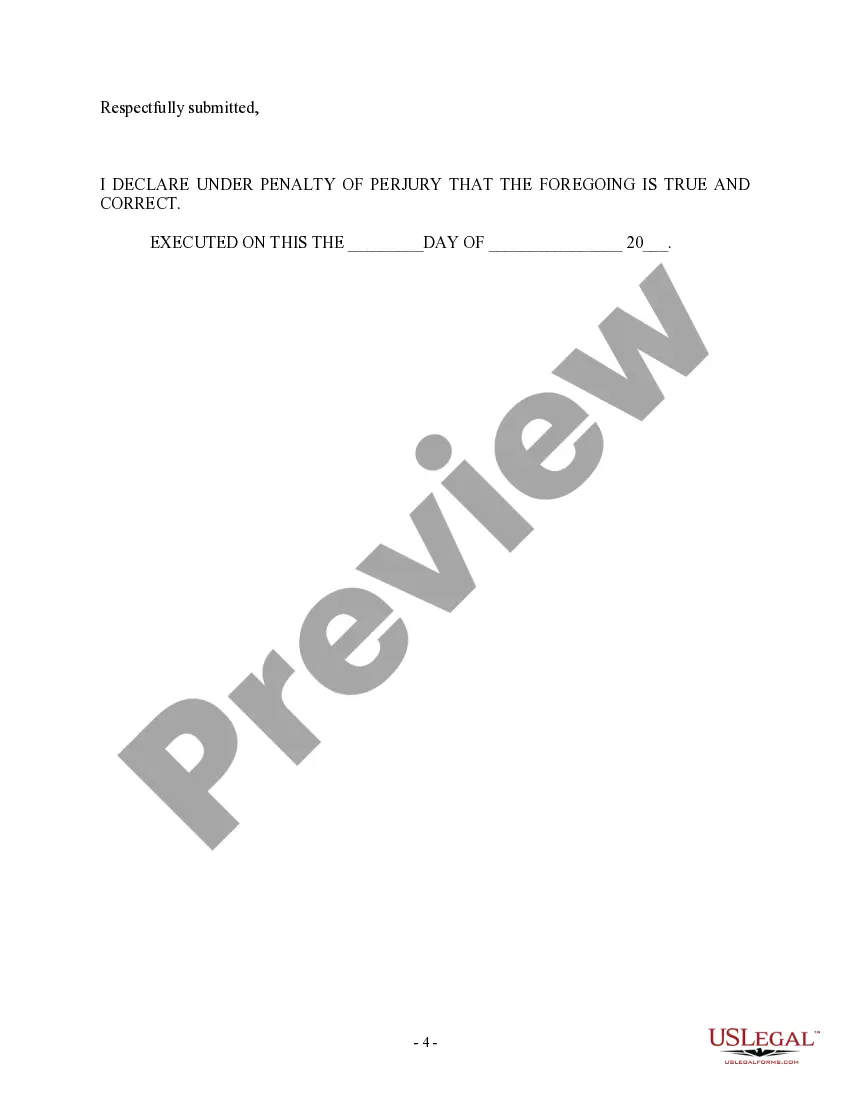
Get your form ready online
Our built-in tools help you complete, sign, share, and store your documents in one place.
Make edits, fill in missing information, and update formatting in US Legal Forms—just like you would in MS Word.
Download a copy, print it, send it by email, or mail it via USPS—whatever works best for your next step.
Sign and collect signatures with our SignNow integration. Send to multiple recipients, set reminders, and more. Go Premium to unlock E-Sign.
If this form requires notarization, complete it online through a secure video call—no need to meet a notary in person or wait for an appointment.
We protect your documents and personal data by following strict security and privacy standards.

Make edits, fill in missing information, and update formatting in US Legal Forms—just like you would in MS Word.

Download a copy, print it, send it by email, or mail it via USPS—whatever works best for your next step.

Sign and collect signatures with our SignNow integration. Send to multiple recipients, set reminders, and more. Go Premium to unlock E-Sign.

If this form requires notarization, complete it online through a secure video call—no need to meet a notary in person or wait for an appointment.

We protect your documents and personal data by following strict security and privacy standards.
Looking for another form?
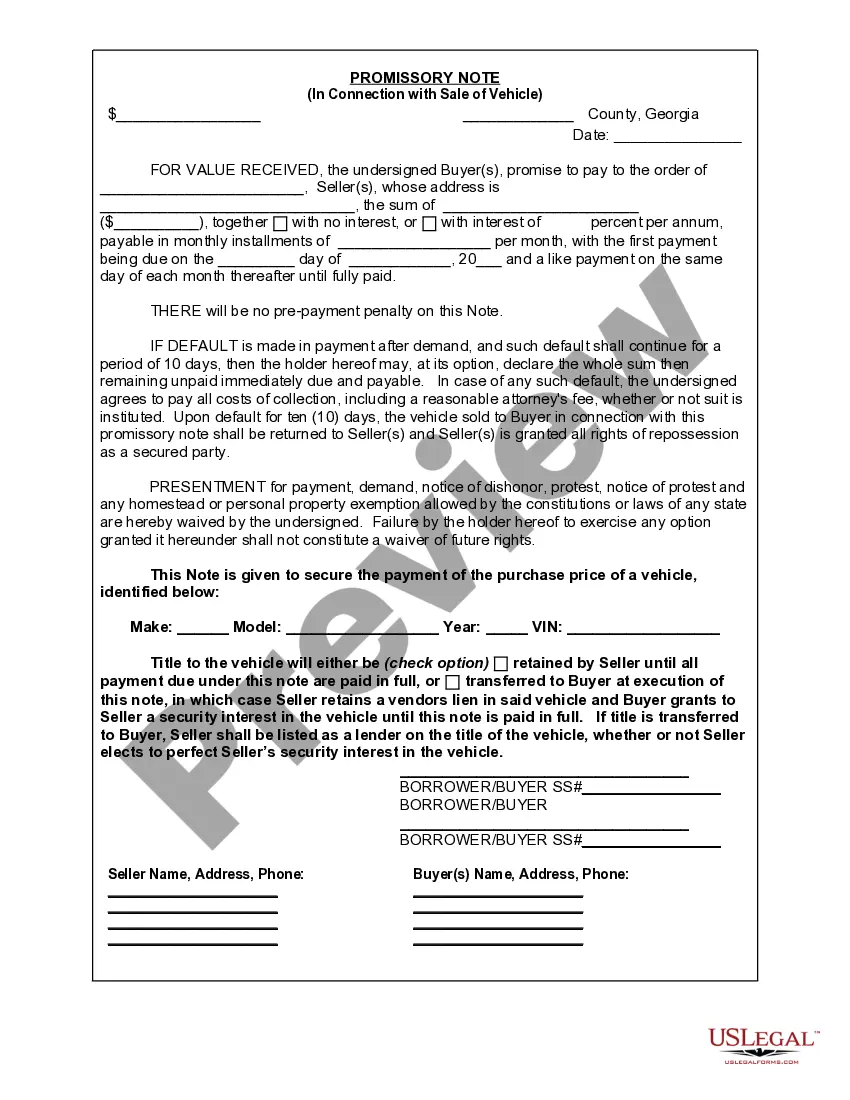

How to fill out Petition For Writ Of Habeas Corpus By A Person In State Custody?
Creating legal documents from the ground up can frequently be daunting.
Certain cases may require extensive investigation and significant financial investment.
If you are seeking a more straightforward and economical method of preparing Federal Habeas Corpus Time Limit or any other documentation without excessive hassle, US Legal Forms is consistently at your service.
Our online collection of over 85,000 current legal documents covers nearly every facet of your financial, legal, and personal matters. With just a few clicks, you can swiftly access state- and county-compliant forms that have been meticulously crafted for you by our legal professionals.
Review the form previews and descriptions to ensure that you are accessing the document you seek. Verify if the form you select meets the standards of your state and county. Choose the most suitable subscription plan to obtain the Federal Habeas Corpus Time Limit. Download the form, then complete it, sign it, and print it. US Legal Forms is well-regarded and boasts over 25 years of experience. Join us today and make form completion an effortless and efficient process!
- Utilize our platform whenever you require dependable services through which you can conveniently find and download the Federal Habeas Corpus Time Limit.
- If you’re already familiar with our site and have previously registered with us, simply Log In to your account, find the template, and download it or re-download it at any time in the My documents section.
- Not yet registered? No worries. It only takes a moment to set up and browse the catalog.
- However, before you proceed with downloading the Federal Habeas Corpus Time Limit, adhere to these suggestions.
Form popularity
FAQ
The judge may then request additional information if needed, and may issue a habeas corpus order, at which point the custodian has 24 hours to bring the prisoner before the judge.
However, Habeas corpus cannot be granted where a person has been arrested under an order from a competent court and when prima facie the order does not appear to be wholly illegal or without jurisdiction. This writ can be filed by the detained person himself or his relatives or friends on his behalf.
The writ, Habeas Corpus is not issued in the following cases: Detention is lawful. The proceeding is for the contempt of a legislature or a court. Detention is by a competent court.
This is how it founded a place in the constitution of the United States when the British colonies in America won their independence and established a new state under the U.S. Constitution. In India the power to issue a writ of habeas corpus is vested only in the Supreme Court and the High Court.
Any prisoner, or another person acting on his or her behalf, may petition the court, or a judge, for a writ of habeas corpus. One reason for the writ to be sought by a person other than the prisoner is that the detainee might be held incommunicado.