Assignment Without Landlord's Consent In Suffolk
Description



Form popularity
FAQ
Often an assignment clause is necessary to protect a tenant if there is no option for sublease, if the tenant does not plan to return to the space or to help with rental costs to help tenant avoid being penalized for ending their lease prior to the end of agreement.
Even in the absence of a written lease, a tenant at will is entitled to a fair and formal eviction process. This protection makes sure that landlords follow proper legal procedures. Here are the key components of this right: Proper notice: Landlords must give tenants a formal notice of eviction in advance.
The purpose of a covenant against assignment without the consent of the landlord (not to be unreasonably withheld) is to protect the landlord from having his premises used or occupied in an undesirable way or by an undesirable assignee.
Assured or assured shorthold tenancy assignment rights. An assured or assured shorthold tenancy can be assigned if either: a housing association tenant assigns their tenancy by mutual exchange. a tenant assigns the tenancy in line with their tenancy terms.
A sublet is when a tenant moves out of their rental unit and allows someone else to live there temporarily. An assignment is when a tenant finds someone to take over their tenancy agreement. Tenants need written permission from the landlord to sublet a rental unit or assign a tenancy agreement.
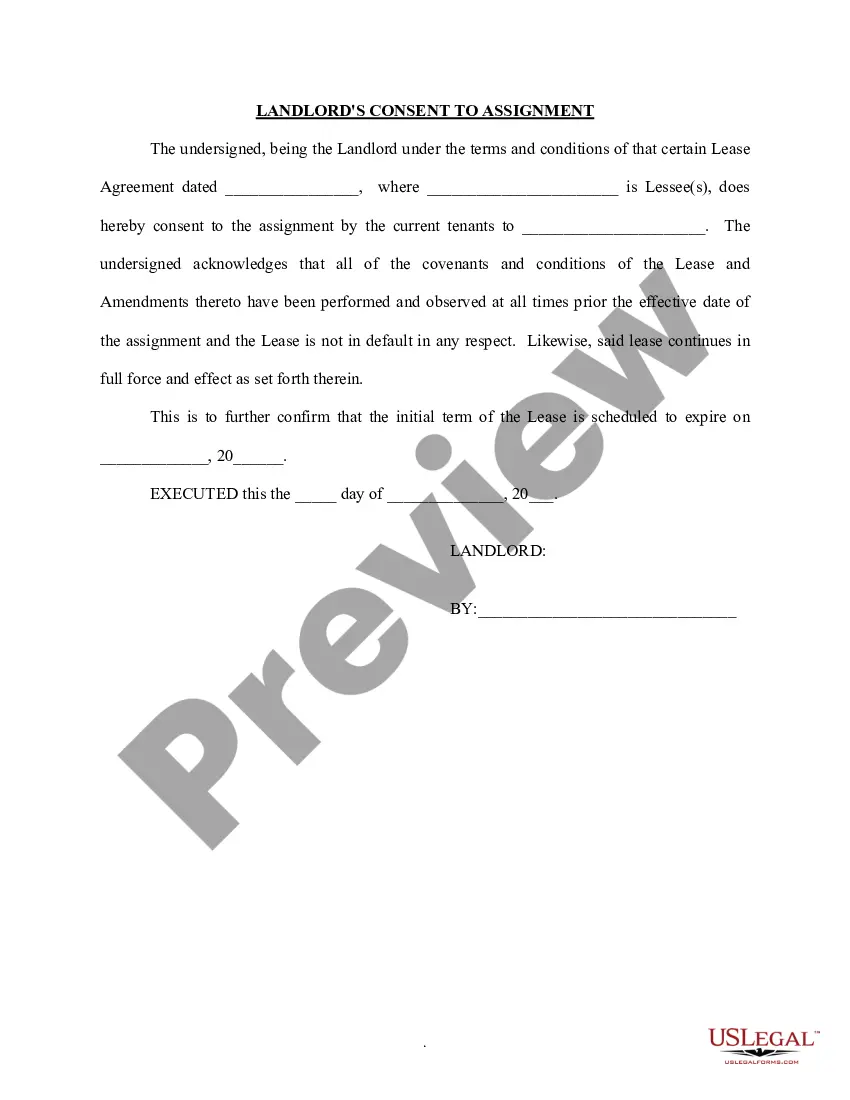
This form of consent is used when a tenant requests the landlord's consent for an assignment of its lease and the landlord agrees to grant its consent.
Consent is an essential prerequisite of a contract but whether someone has consented to a contract is often the subject of dispute. Contractual consent differs from consent in other contexts. For example, the consent required to enter into a contract is not the same as the consent required for a medical procedure.
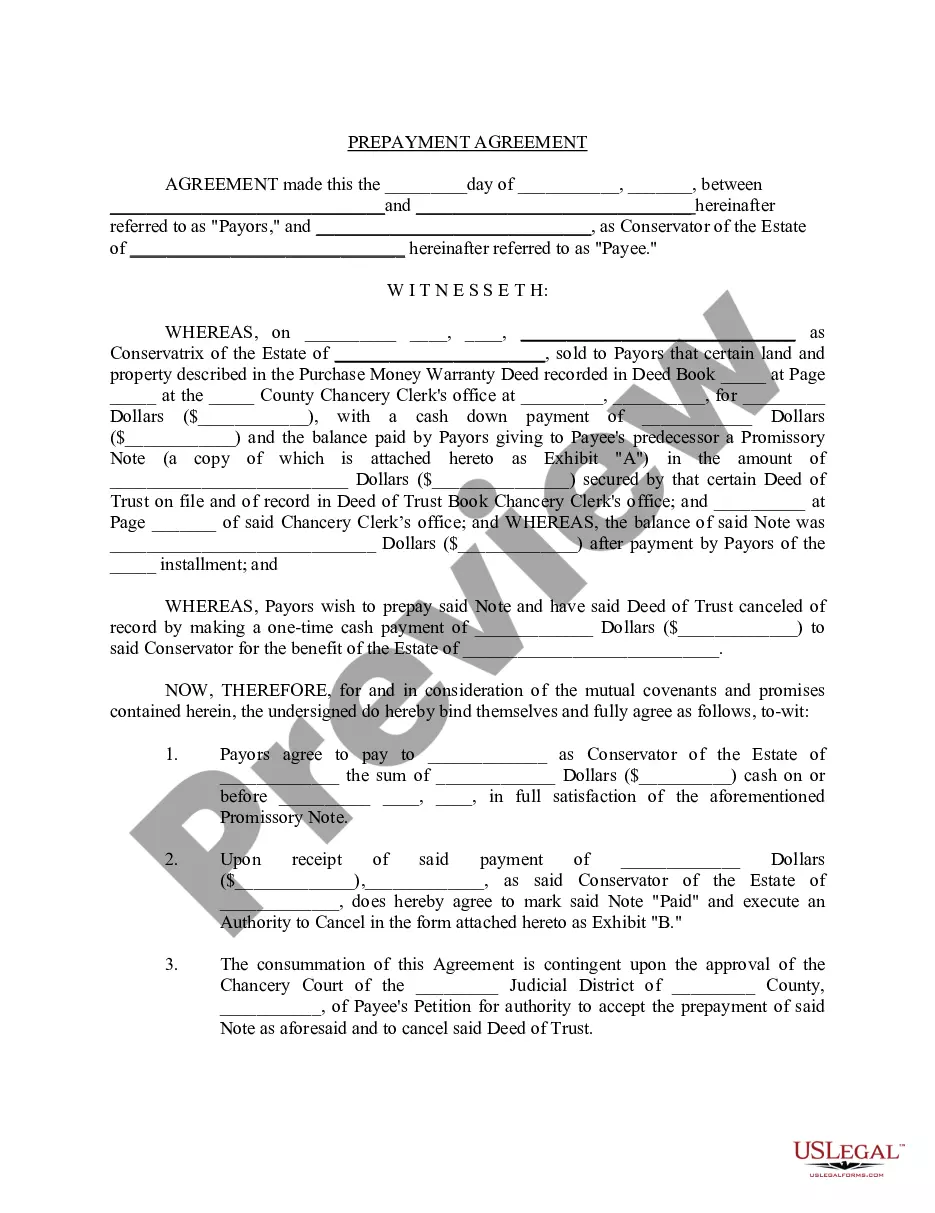
The transfer of a right from one party to another. For example, a party to a contract (the assignor) may, as a general rule and subject to the express terms of a contract, assign its rights under the contract to a third party (the assignee) without the consent of the party against whom those rights are held.

