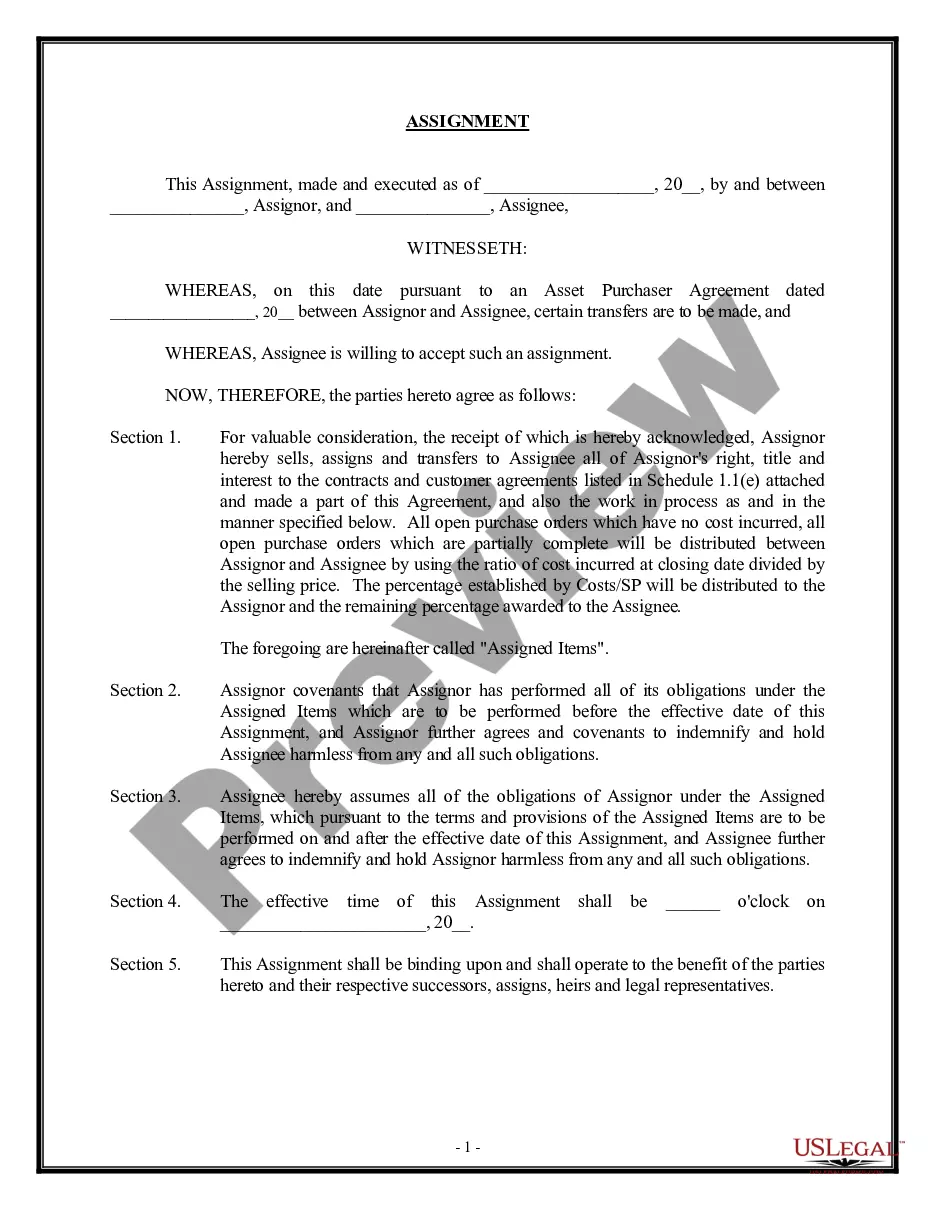
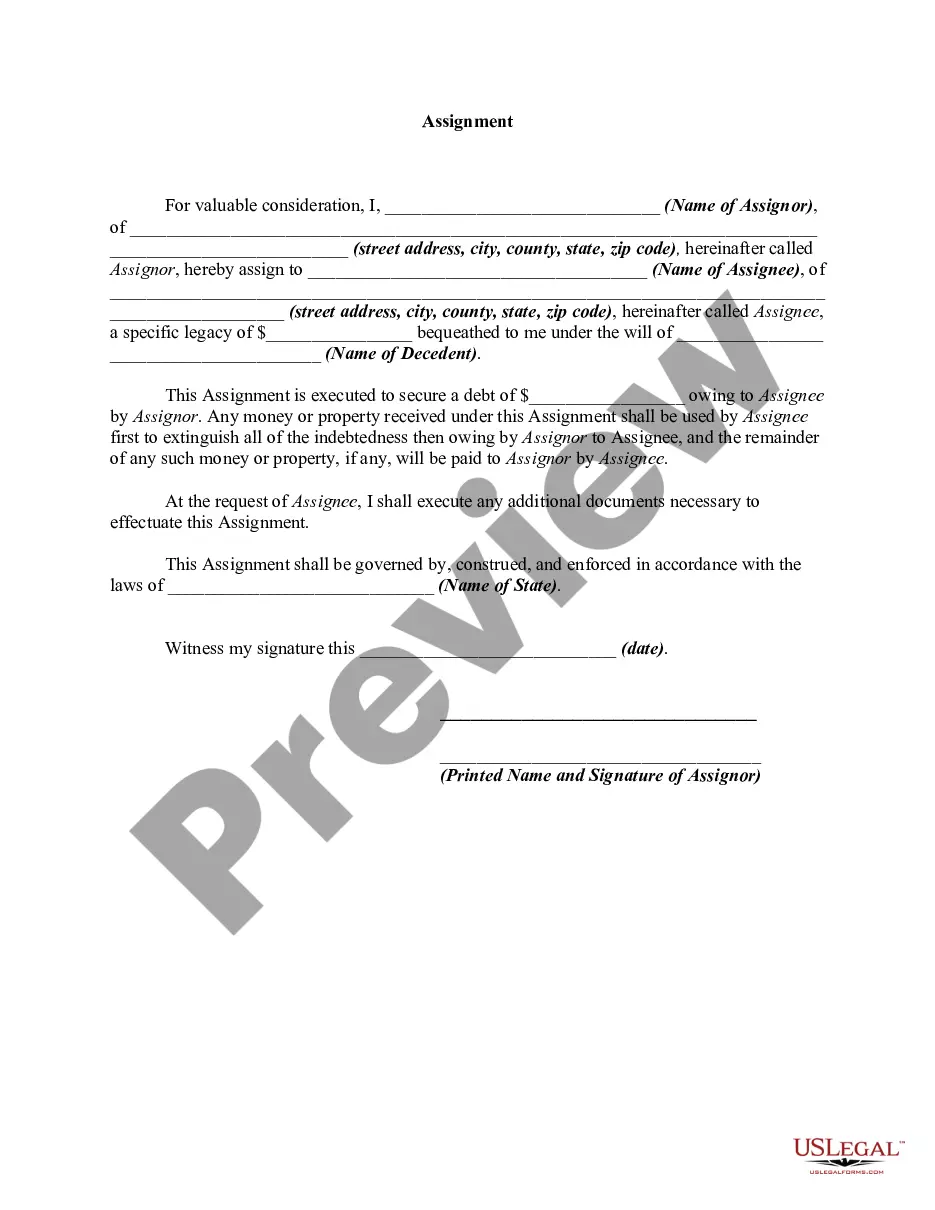
Assignment On Transaction Processing System In San Diego
Description



Get your form ready online
Our built-in tools help you complete, sign, share, and store your documents in one place.
Make edits, fill in missing information, and update formatting in US Legal Forms—just like you would in MS Word.
Download a copy, print it, send it by email, or mail it via USPS—whatever works best for your next step.
Sign and collect signatures with our SignNow integration. Send to multiple recipients, set reminders, and more. Go Premium to unlock E-Sign.
If this form requires notarization, complete it online through a secure video call—no need to meet a notary in person or wait for an appointment.
We protect your documents and personal data by following strict security and privacy standards.
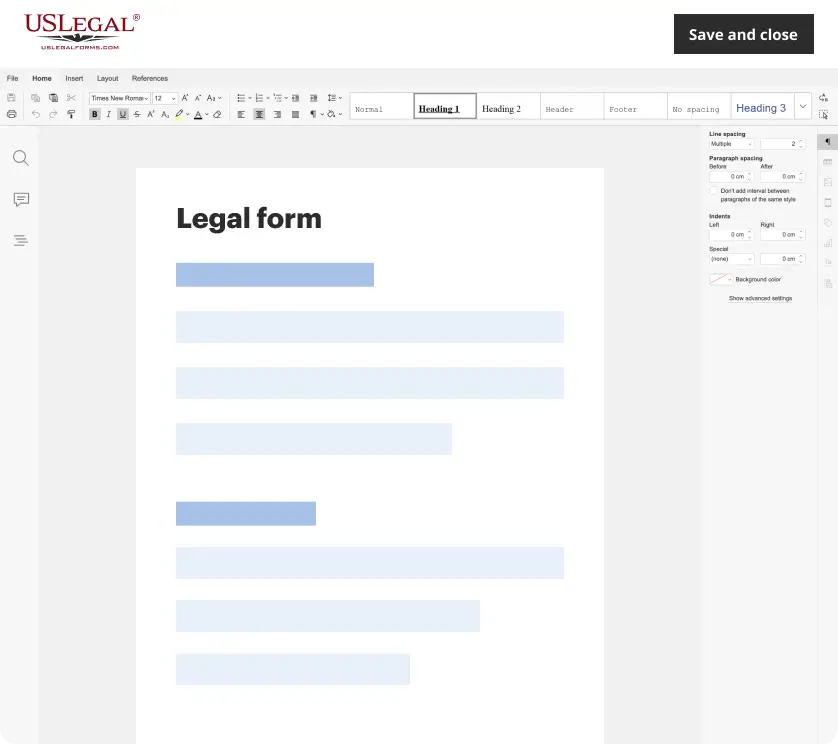
Make edits, fill in missing information, and update formatting in US Legal Forms—just like you would in MS Word.
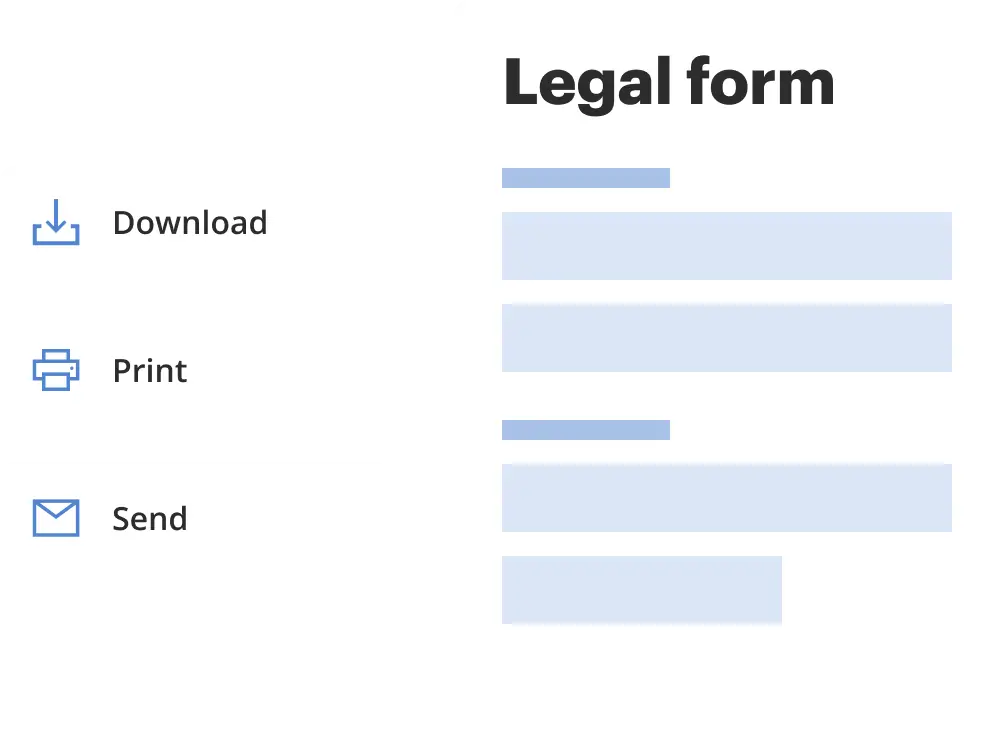
Download a copy, print it, send it by email, or mail it via USPS—whatever works best for your next step.
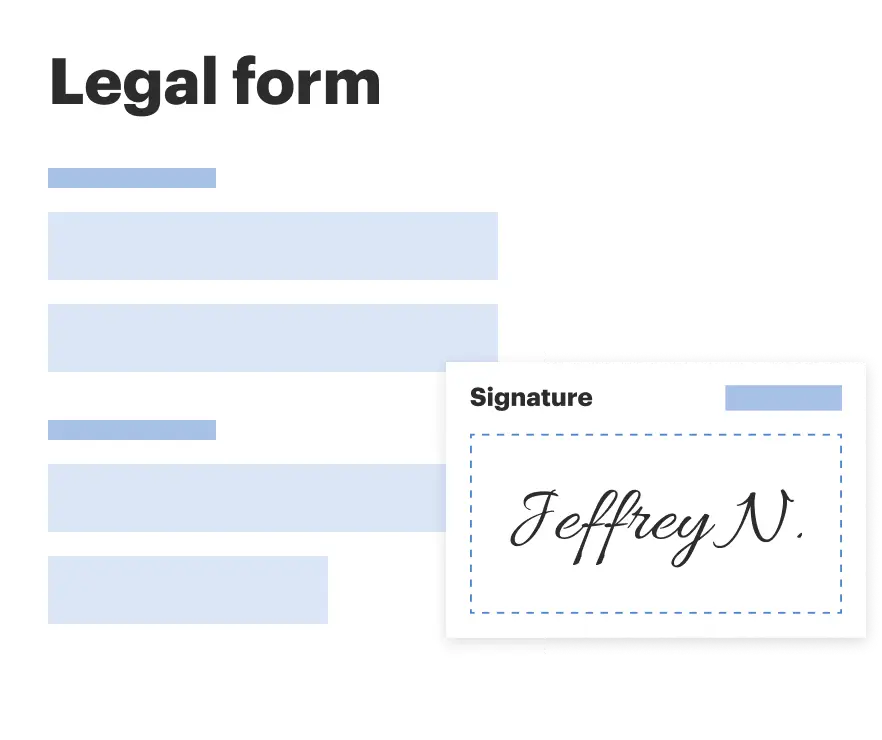
Sign and collect signatures with our SignNow integration. Send to multiple recipients, set reminders, and more. Go Premium to unlock E-Sign.
If this form requires notarization, complete it online through a secure video call—no need to meet a notary in person or wait for an appointment.
We protect your documents and personal data by following strict security and privacy standards.
Looking for another form?


Form popularity
FAQ
Transaction processing systems generally go through a five-stage cycle of 1) Data entry activities 2) Transaction processing activities 3) File and database processing 4) Document and report generation 5) Inquiry processing activities.
Data security is an important issue in relation to transaction processing systems. If data is not secured correctly, many issues can arise such as the leakage of sensitive data.
These systems facilitate trades by ensuring order matching between buyers and sellers, updating stock prices based on transactions, and electronically settling trades in real time. The process of booking a flight online relies on a TPS within an airline reservation system.
There are many different types of transaction processing systems, such as payroll, inventory control, order entry, accounts payable, accounts receivable and others.
On the other hand, for the perceived disadvantages of using TPS, first in rank, 18 out of 86 companies ( or 21 %) mentioned that when their server is down, they can't process their business transaction on-line or real time, and this resulted to batch processing or manual input.
Some of the disadvantages of transactional databases include potentially less readable data due to some implementations only having an “insert only” feature for information. Additionally, there is less opportunity or ability to change information within a transactional database for many end-users.
The issuing bank transfers the transaction amount (minus any applicable fees) to the acquiring bank through the card networks. The details are recorded and reconciled among the parties involved. During the settlement process, the acquiring bank deposits the funds into the business's account.
A) Identifying and collecting all source documents to validate the transaction. b) Analyzing the transaction using the accounting equation. c) Record the identified transactions in the journal book chronologically.
Transaction processing systems generally go through a five-stage cycle of 1) Data entry activities 2) Transaction processing activities 3) File and database processing 4) Document and report generation 5) Inquiry processing activities.
There are six steps in processing a transaction. They are data entry, data validation, data pro- cessing and revalidation, storage, - output generation, and query support.
