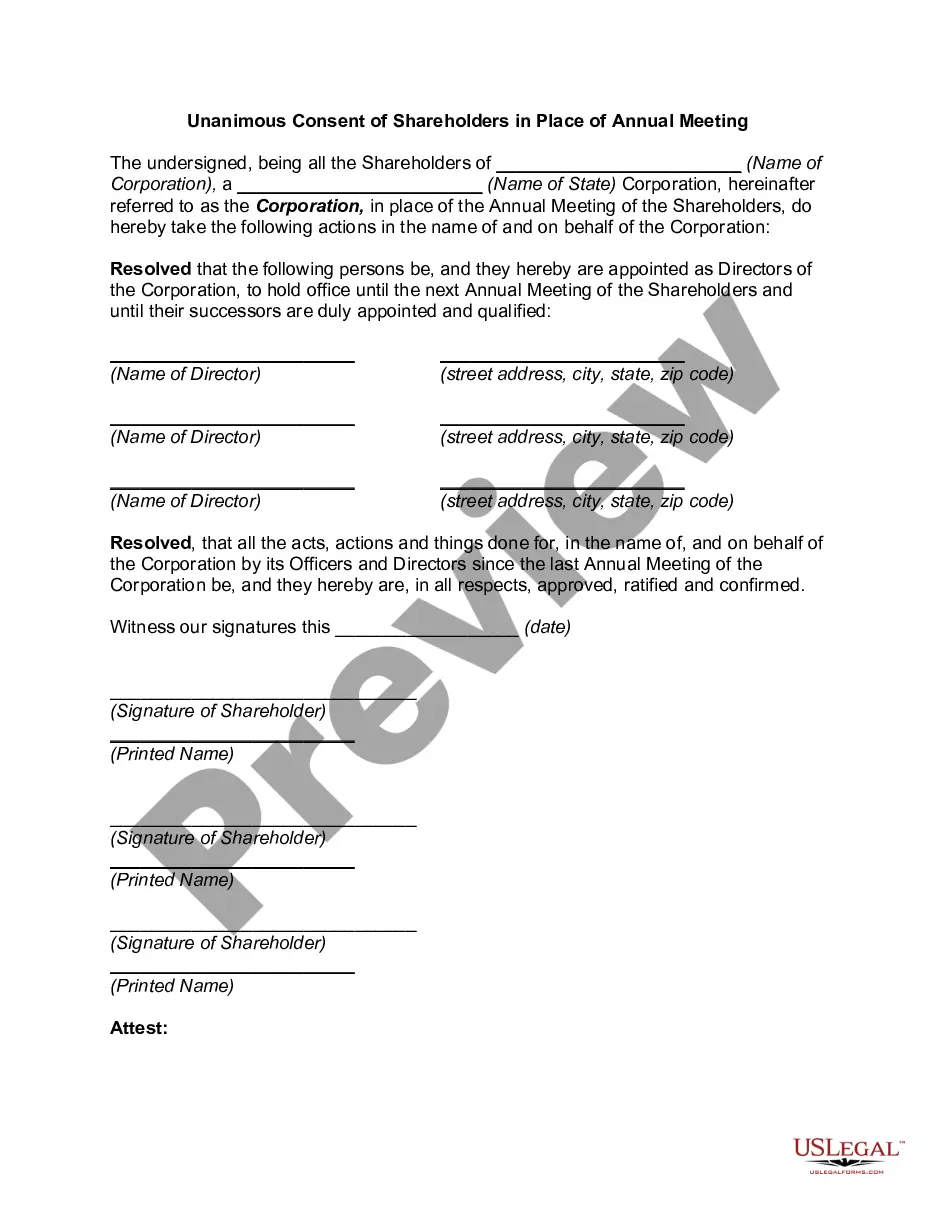
Annual Meeting Resolutions With Manager In Palm Beach
Description



Get your form ready online
Our built-in tools help you complete, sign, share, and store your documents in one place.
Make edits, fill in missing information, and update formatting in US Legal Forms—just like you would in MS Word.
Download a copy, print it, send it by email, or mail it via USPS—whatever works best for your next step.
Sign and collect signatures with our SignNow integration. Send to multiple recipients, set reminders, and more. Go Premium to unlock E-Sign.
If this form requires notarization, complete it online through a secure video call—no need to meet a notary in person or wait for an appointment.
We protect your documents and personal data by following strict security and privacy standards.

Make edits, fill in missing information, and update formatting in US Legal Forms—just like you would in MS Word.

Download a copy, print it, send it by email, or mail it via USPS—whatever works best for your next step.

Sign and collect signatures with our SignNow integration. Send to multiple recipients, set reminders, and more. Go Premium to unlock E-Sign.

If this form requires notarization, complete it online through a secure video call—no need to meet a notary in person or wait for an appointment.

We protect your documents and personal data by following strict security and privacy standards.
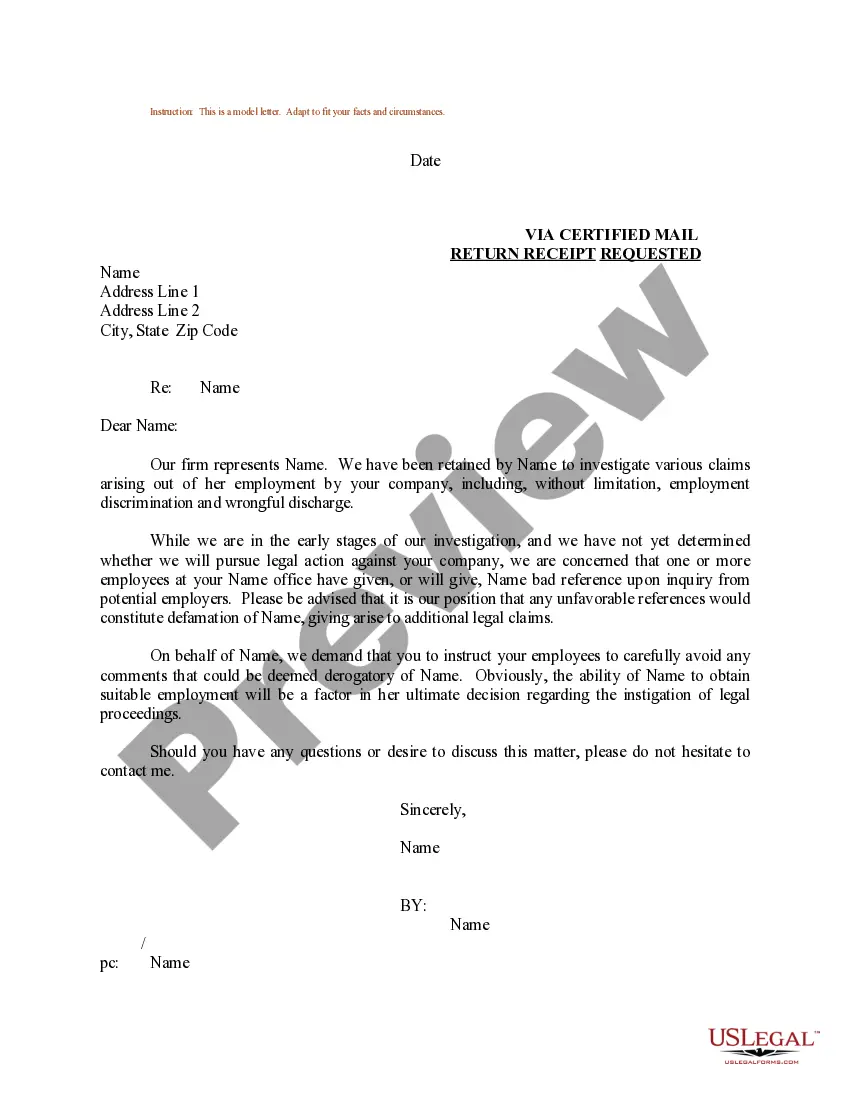
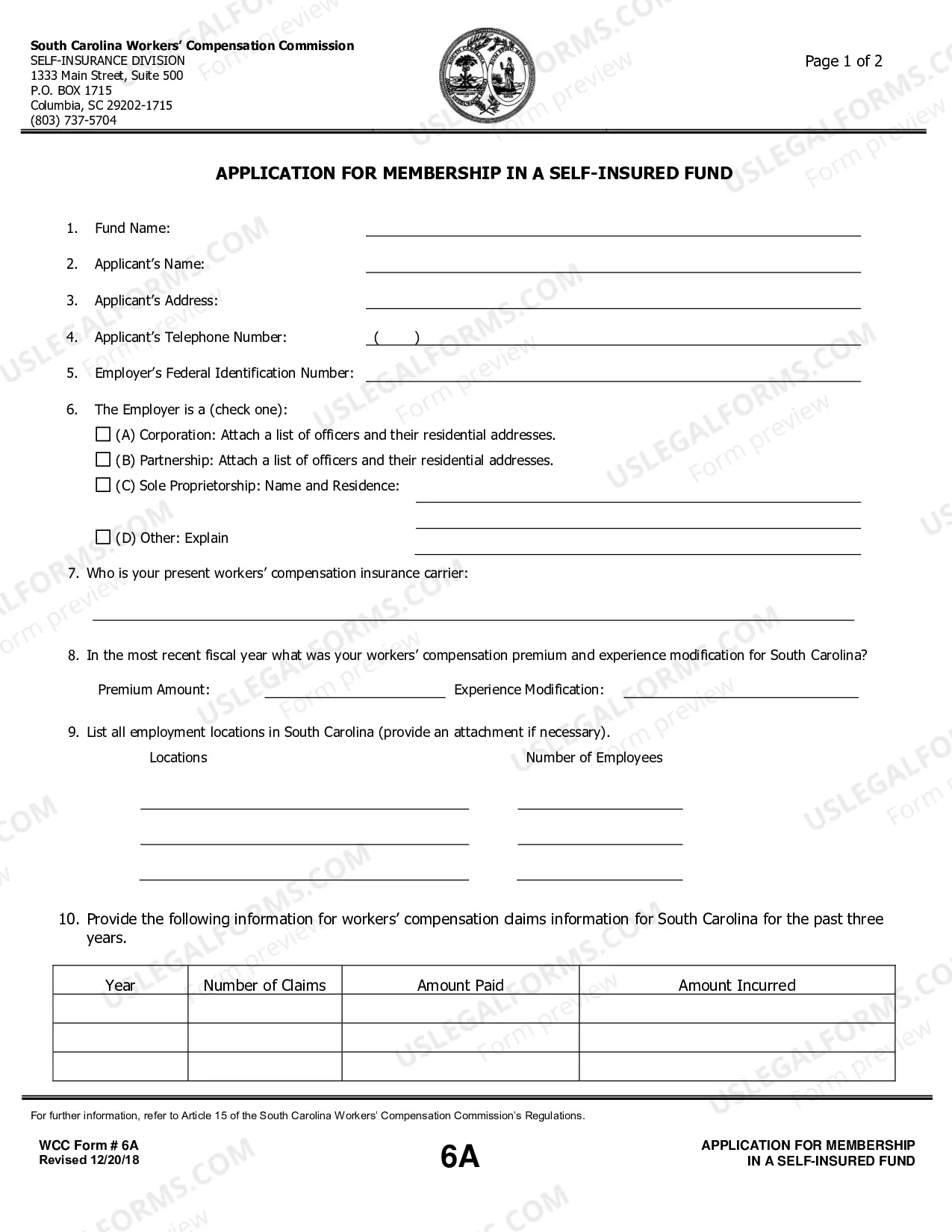
Looking for another form?


Form popularity
FAQ
Minutes of resolution: Minutes of resolution means the written statement of the decisions that have been taken and approved by the participating members of the meeting. Only the main conclusions which are reached at the meeting are recorded in minutes of resolution.
The two types of minutes discussed are narrative minutes and resolution minutes. Narrative minutes provide more detail about discussions while resolution minutes only state decisions.
The concept of a resolution in the context of meetings refers to a formal decision or course of action agreed upon by the participants. Resolutions are fundamental in various organizational settings, including corporate boardrooms, government assemblies, or community gatherings.
A resolution is a legally binding agreement or decision made by company members or directors. The outcome of a resolution is determined by the votes cast for and against the decision. If the required majority is reached, the resolution is 'passed'.
How to Write a Board Resolution (Step-by-Step) Capture Board Meeting Date. The date goes at the top of the resolution. Assign Resolution Number. Establish Resolution Title. Document Resolution. Document Board of Director Votes. Leverage Board Meeting Technology.
7 steps for writing a resolution Put the date and resolution number at the top. Give the resolution a title that relates to the decision. Use formal language. Continue writing out each critical statement. Wrap up the heart of the resolution in the last statement.
There are two types of resolutions: ordinary and special. Under the Corporations Act 2001, most of the decisions that affect a company need to be made by a resolution. Additionally, a company's constitution may have its own rules about what decisions need to be made by resolution.
A minute is a written record of what has happened at a meeting. A resolution is a record of any decisions made at the meeting. Even a sole director must record their resolutions within a minute and sign the document.
For Ordinary resolution, this will normally be a list of actions which the AGM would like the IMA to undertake. These actions are best presented in brief bullet point form, avoiding repetition. Three to five bullet points at most are recommended, with a suggested word count of 100-300 words.

