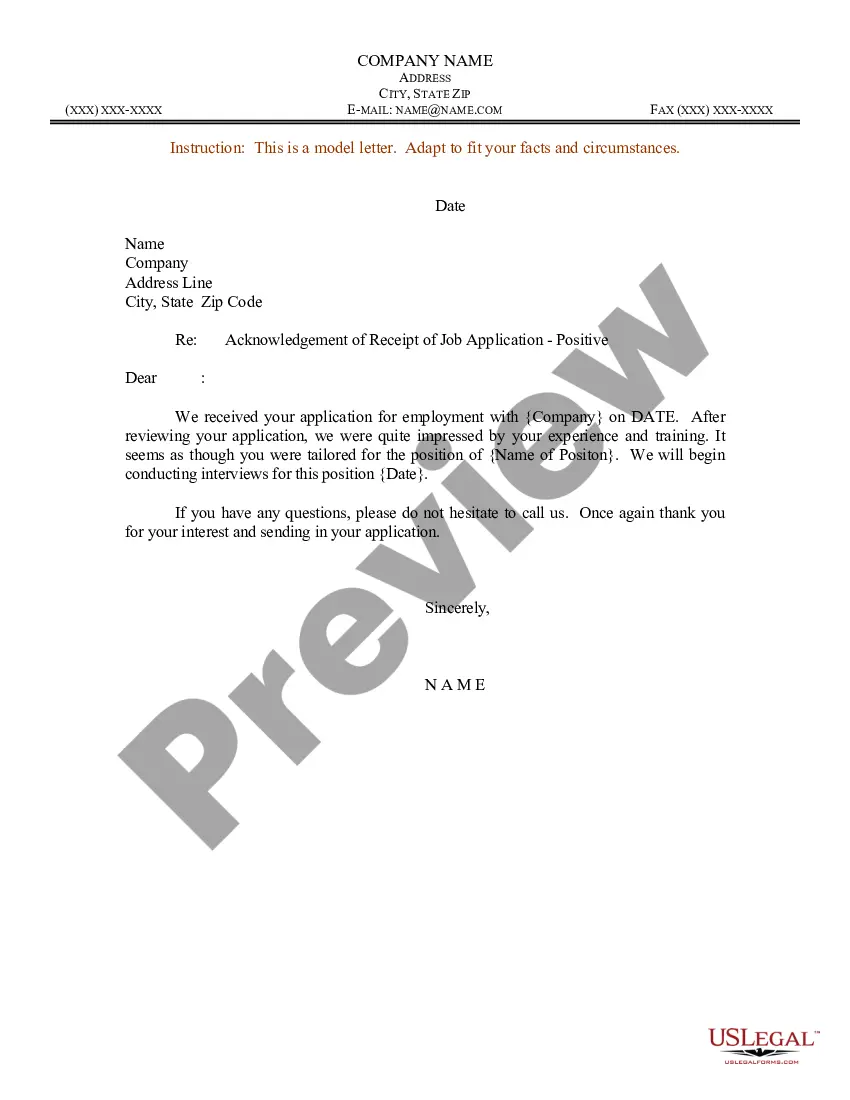
Application Employment Letter With Cv In Montgomery
Description


Get your form ready online
Our built-in tools help you complete, sign, share, and store your documents in one place.
Make edits, fill in missing information, and update formatting in US Legal Forms—just like you would in MS Word.
Download a copy, print it, send it by email, or mail it via USPS—whatever works best for your next step.
Sign and collect signatures with our SignNow integration. Send to multiple recipients, set reminders, and more. Go Premium to unlock E-Sign.
If this form requires notarization, complete it online through a secure video call—no need to meet a notary in person or wait for an appointment.
We protect your documents and personal data by following strict security and privacy standards.

Make edits, fill in missing information, and update formatting in US Legal Forms—just like you would in MS Word.

Download a copy, print it, send it by email, or mail it via USPS—whatever works best for your next step.

Sign and collect signatures with our SignNow integration. Send to multiple recipients, set reminders, and more. Go Premium to unlock E-Sign.

If this form requires notarization, complete it online through a secure video call—no need to meet a notary in person or wait for an appointment.

We protect your documents and personal data by following strict security and privacy standards.
Looking for another form?



Form popularity
FAQ
How to combine a cover letter and resume into one document Determine which document to add first. Revise and review both documents. Open a new document. Insert each document into the new file. Create a page break. Confirm in an email.
No, a CV does not include a cover letter. A curriculum vitae (CV) is a resume-like document that highlights your academic and professional experiences. The document itself doesn't include a cover letter, but like a resume, your CV should be paired with a cover letter for every job application you submit.
They have different purposes. The CV's role is to briefly describe all your skills and qualifications for the role you're applying for. The cover letter's role is to introduce you as an individual and show your motivation to get the job. They have different formats.
Follow these steps to combine your resume and cover letter into a single file: Determine which document to add first. Revise and review both documents. Open a new document. Insert each document into the new file. Create a page break. Confirm in an email. Use active verbs. Customize both parts of your application.
How to write a job application letter Research the company and position. Start by expressing your interest in the position. Mention your qualifications and experience. Describe your personality. Appreciate the reader. Close the letter. Be concise. Proofread your application letter.
When applying to non-academic research oriented positions or administrative jobs at universities or community colleges, you can send a cross between a CV and a resume.
How to Write a Cover Letter for a Job Application Choose a Cover Letter Template. Include the Recipient's Contact Information. Greet the Hiring Manager. Assert Your Interest in the Role or Company. Emphasize Your Skills and Experience. Demonstrate Your Research. Highlight Measurable Accomplishments.
Make sure that you create an entirely new document for your combined file. That will enable you to keep them separate from other companies and submissions. Then copy and paste your resume and cover letter into this new document. Be sure to save the file with an appropriate file name.
Your Name Your Contact Information (Phone number & Email address) Date Hiring Manager Name (if possible) Title Company Name Company Address Dear (Hiring Manager name), I am writing to express my keen interest in the (Job title) position advertised on (Platform where you saw the job posting).
Dear Mr./Mrs. Last Name, I am writing this letter to apply for the job title position at your company - company name. I believe that my educational background and professional experience make me an ideal candidate for this role.

