Board Directors Corporate With Sentence In Cook
Description




Get your form ready online
Our built-in tools help you complete, sign, share, and store your documents in one place.
Make edits, fill in missing information, and update formatting in US Legal Forms—just like you would in MS Word.
Download a copy, print it, send it by email, or mail it via USPS—whatever works best for your next step.
Sign and collect signatures with our SignNow integration. Send to multiple recipients, set reminders, and more. Go Premium to unlock E-Sign.
If this form requires notarization, complete it online through a secure video call—no need to meet a notary in person or wait for an appointment.
We protect your documents and personal data by following strict security and privacy standards.

Make edits, fill in missing information, and update formatting in US Legal Forms—just like you would in MS Word.

Download a copy, print it, send it by email, or mail it via USPS—whatever works best for your next step.

Sign and collect signatures with our SignNow integration. Send to multiple recipients, set reminders, and more. Go Premium to unlock E-Sign.

If this form requires notarization, complete it online through a secure video call—no need to meet a notary in person or wait for an appointment.

We protect your documents and personal data by following strict security and privacy standards.
Looking for another form?


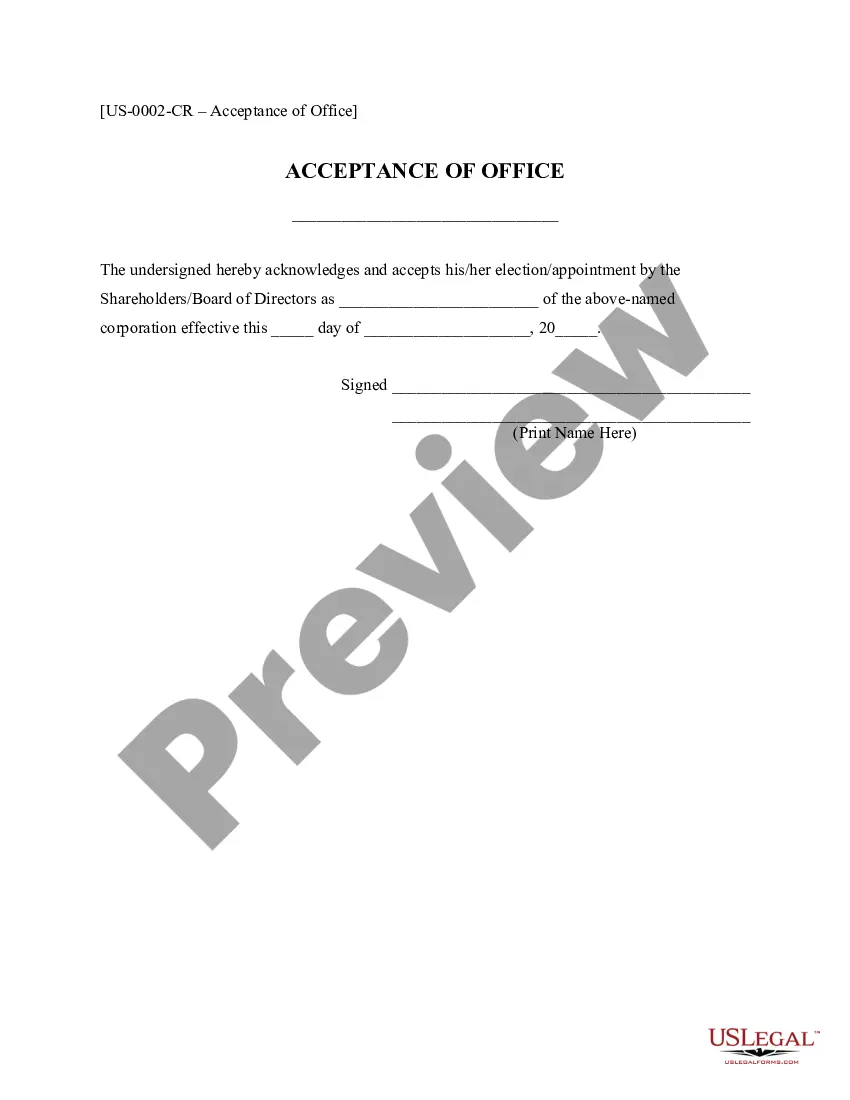
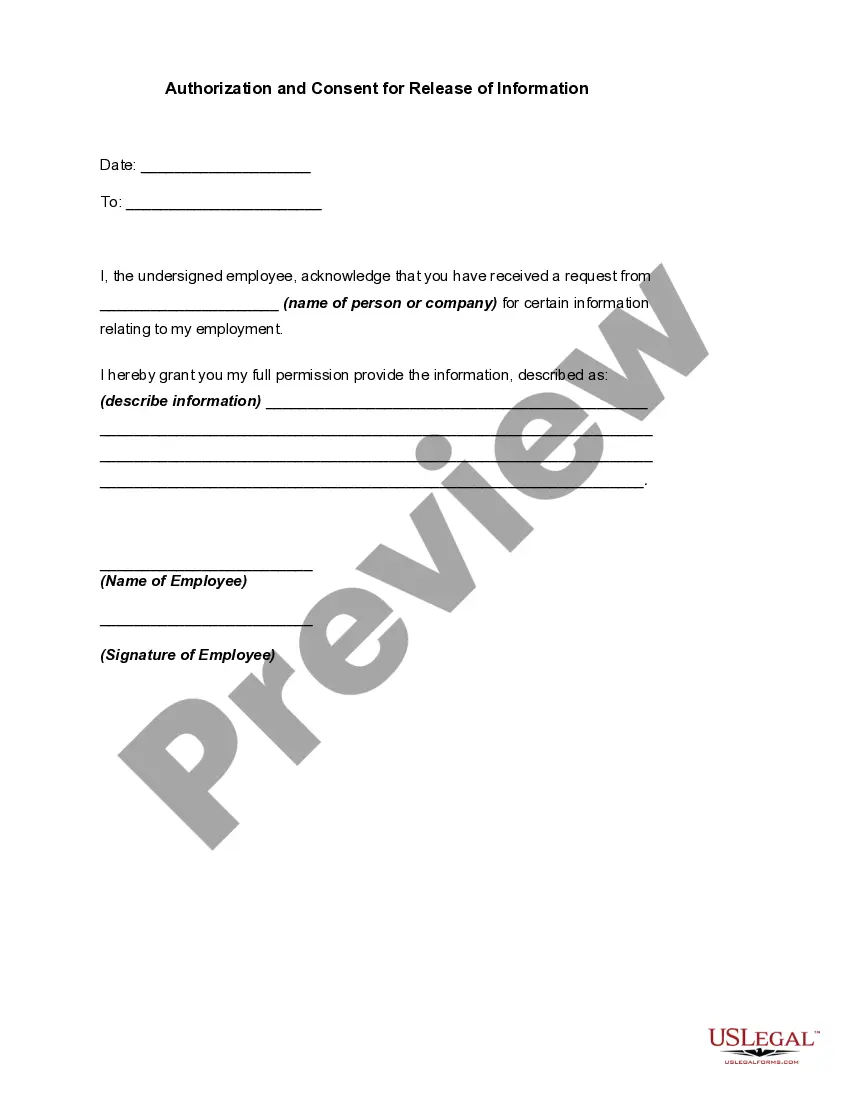
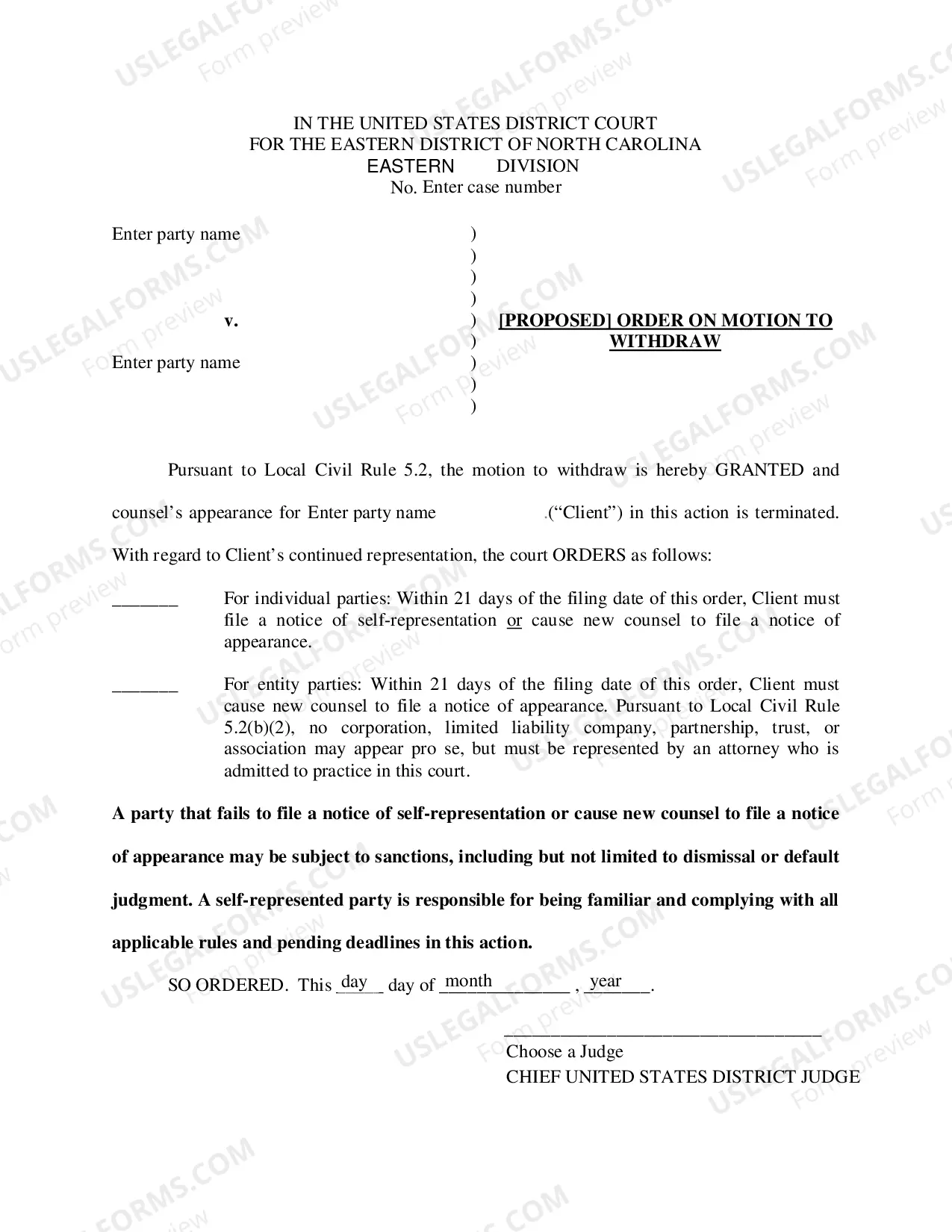
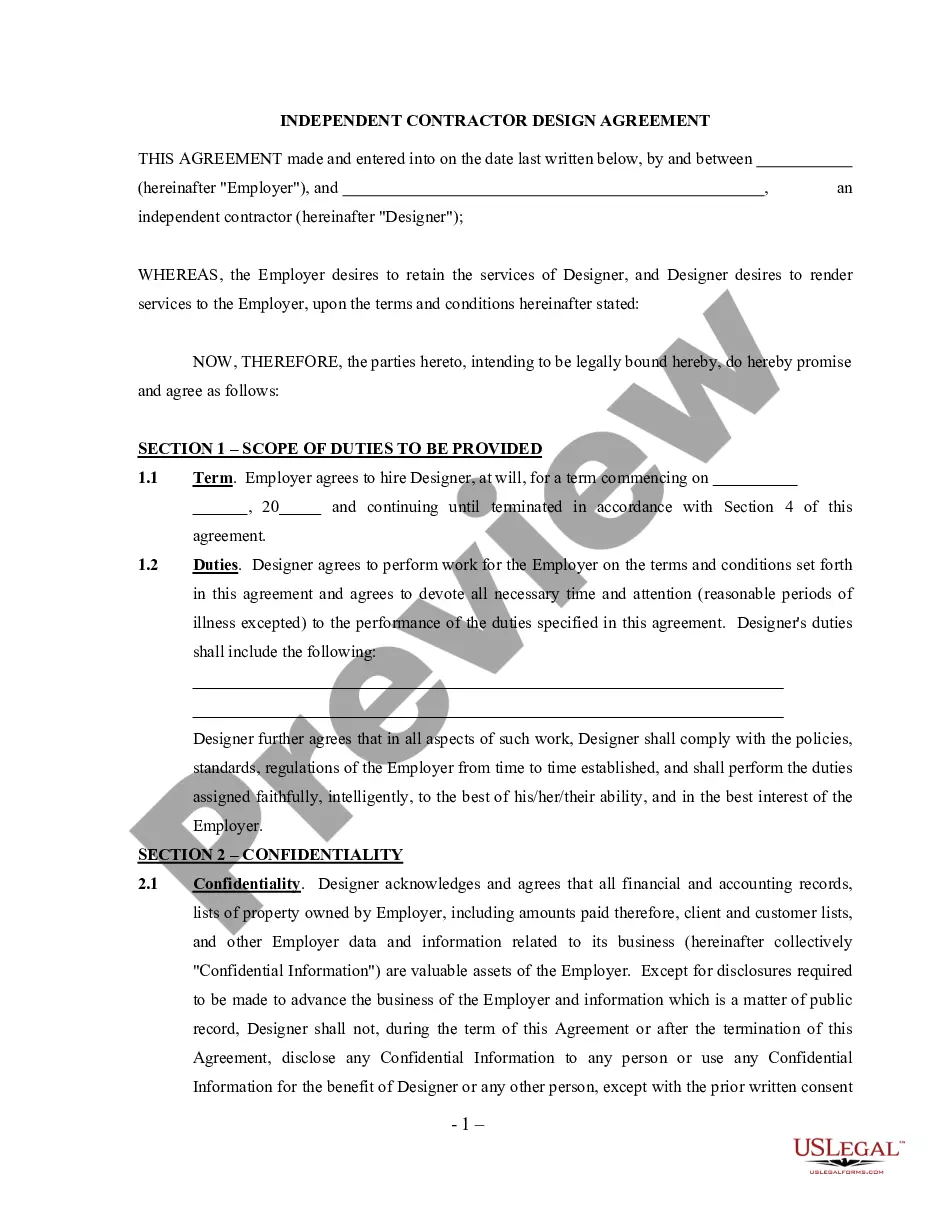
Form popularity
FAQ
Tips on How to Write a Report for a Board Meeting Create a director's board meeting template. Know your audience. Help the board understand the report. Provide the whole of the financials. Provide the positives and negatives. Add visuals. Ask important questions. Keep KPIs within reach.
When writing a report to a board of directors, consider these five steps: Gather information. Request and gather all the information you need for the board report. Organize elements. Arrange all the information for your board report clearly. Add data visuals. Consider readability. Prepare for questions.
The Board of Directors has approved the decision unanimously. The board of directors has approved the decision unanimously. The board of directors has not yet decided whether a sale of the company is in the best interest of the company's shareholders and other constituencies.
What should a board member cover letter include? A brief introduction of yourself. Your relevant skills and experience. Highlights of accomplishments in your career or nonprofit work. A “Thank you” and call to action inviting the board president or chair to meet with you.
Begin the letter by introducing yourself and identify whether you are a parent, teacher, or another member of the community before then addressing the subject of your concerns. This provides context for your letter.
If you want to be very formal in closing your business letter, consider using one of these phrases: Respectfully. Yours sincerely. Yours respectfully. Yours faithfully.
How to write a letter to the board of directors Determine your purpose. It's important to know why you are writing, as this will help keep your letter brief and focused. Use the right tone. Use personal pronouns. Edit the letter. Send your letter.
Corporate meeting minutes typically include: The meeting's date, time and location. A list of attendees and absentees, including any present board members or officers. Agenda items. Summaries of all discussion points. Details of all activities completed or agreed upon. Results of any votes or motions.
Seek out peers who are already on boards; if you're a CMO, for example, talk with fellow CMOs who are also directors. Discuss your resume and your career with them. Ask for advice about how you might fit on a board and seek a frank assessment of your readiness.
The path to becoming a board member typically involves earning a bachelor's degree in a related field, gaining industry-specific experience, self-promotion, networking, researching potential companies, and creating a strong resume demonstrating relevant skills and experiences.

