Consumer Protection Agency For Pennsylvania In Michigan
Description
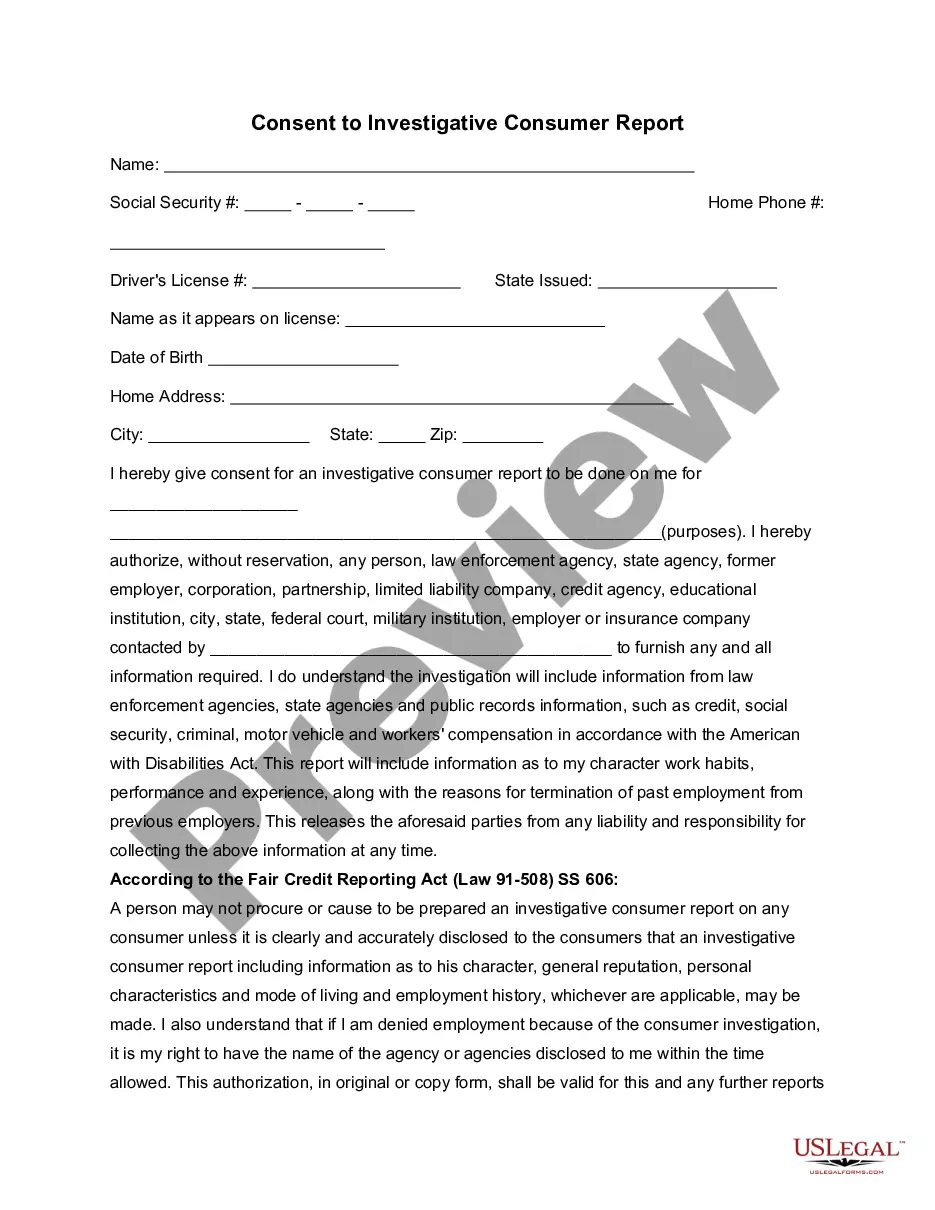

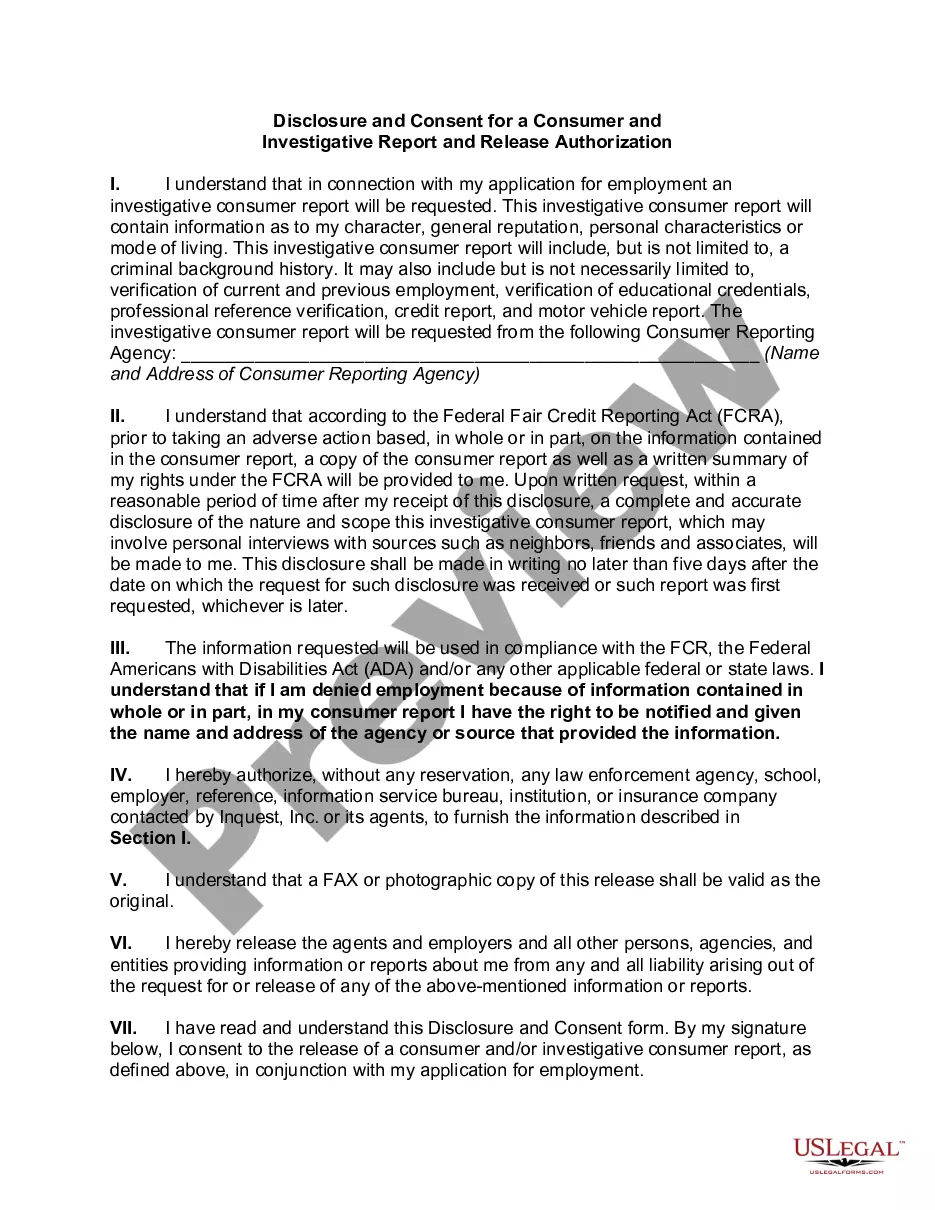
Get your form ready online
Our built-in tools help you complete, sign, share, and store your documents in one place.
Make edits, fill in missing information, and update formatting in US Legal Forms—just like you would in MS Word.
Download a copy, print it, send it by email, or mail it via USPS—whatever works best for your next step.
Sign and collect signatures with our SignNow integration. Send to multiple recipients, set reminders, and more. Go Premium to unlock E-Sign.
If this form requires notarization, complete it online through a secure video call—no need to meet a notary in person or wait for an appointment.
We protect your documents and personal data by following strict security and privacy standards.

Make edits, fill in missing information, and update formatting in US Legal Forms—just like you would in MS Word.

Download a copy, print it, send it by email, or mail it via USPS—whatever works best for your next step.

Sign and collect signatures with our SignNow integration. Send to multiple recipients, set reminders, and more. Go Premium to unlock E-Sign.

If this form requires notarization, complete it online through a secure video call—no need to meet a notary in person or wait for an appointment.

We protect your documents and personal data by following strict security and privacy standards.
Looking for another form?


Form popularity
FAQ
The law applies to businesses in Michigan that participate in trade or commerce. If an unlawful act conducted by a business causes injury or loss to a consumer, the consumer has the right to take legal action and file a civil suit against the offending business.
Types of Consumer Protection Agencies The National Highway Traffic Safety Administration (NHTSA) ensures vehicle safety standards. The Consumer Product Safety Commission (CPSC) addresses product safety hazards and recalls. The Food and Drug Administration (FDA) monitors and regulates food and drug safety.
Consumer Complaint Not all consumer complaints are handled by the Attorney General. If we do not handle it, we will forward it on to the appropriate agency. If you have questions about filing a complaint, please call 517-335-7599. In-state residents can also call 877-765-8388.
THIS DISCLOSURE OF RIGHTS IS A SUMMARY OF PENNSYLVANIA LAW. THE ACTUAL PROVISIONS OF THE LAW ARE IN SECTION 9.3 OF THE UNFAIR TRADE PRACTICES AND CONSUMER PROTECTION LAW. (h) (1) The Office of Attorney General shall enforce the provisions of this section.
Consumer Complaint Not all consumer complaints are handled by the Attorney General. If we do not handle it, we will forward it on to the appropriate agency. If you have questions about filing a complaint, please call 517-335-7599. In-state residents can also call 877-765-8388.
The first thing you should do when filing a consumer complaint is to complain directly to the company. If that doesn't work, you can complain to a consumer protection agency. Filing a lawsuit should be a last resort.
File a complaint with your local consumer protection office or the state agency that regulates the company. Notify the Better Business Bureau (BBB) in your area about your problem. The BBB tries to resolve your complaints against companies.
The Michigan Consumer Protection Act (1976 PA 331) gives consumers, prosecutors, and the Attorney General a way to fight deceptive practices. This act prohibits many unfair and deceptive trade practices and gives prosecutors more power to enforce the law.
The law applies to businesses in Michigan that participate in trade or commerce. If an unlawful act conducted by a business causes injury or loss to a consumer, the consumer has the right to take legal action and file a civil suit against the offending business.
This act prohibits many unfair and deceptive trade practices and gives prosecutors more power to enforce the law. It also encourages consumers to sue businesses that they suspect are deceiving customers. If they win, consumers can receive actual damages or $250, whichever is greater, and reasonable attorneys' fees.
