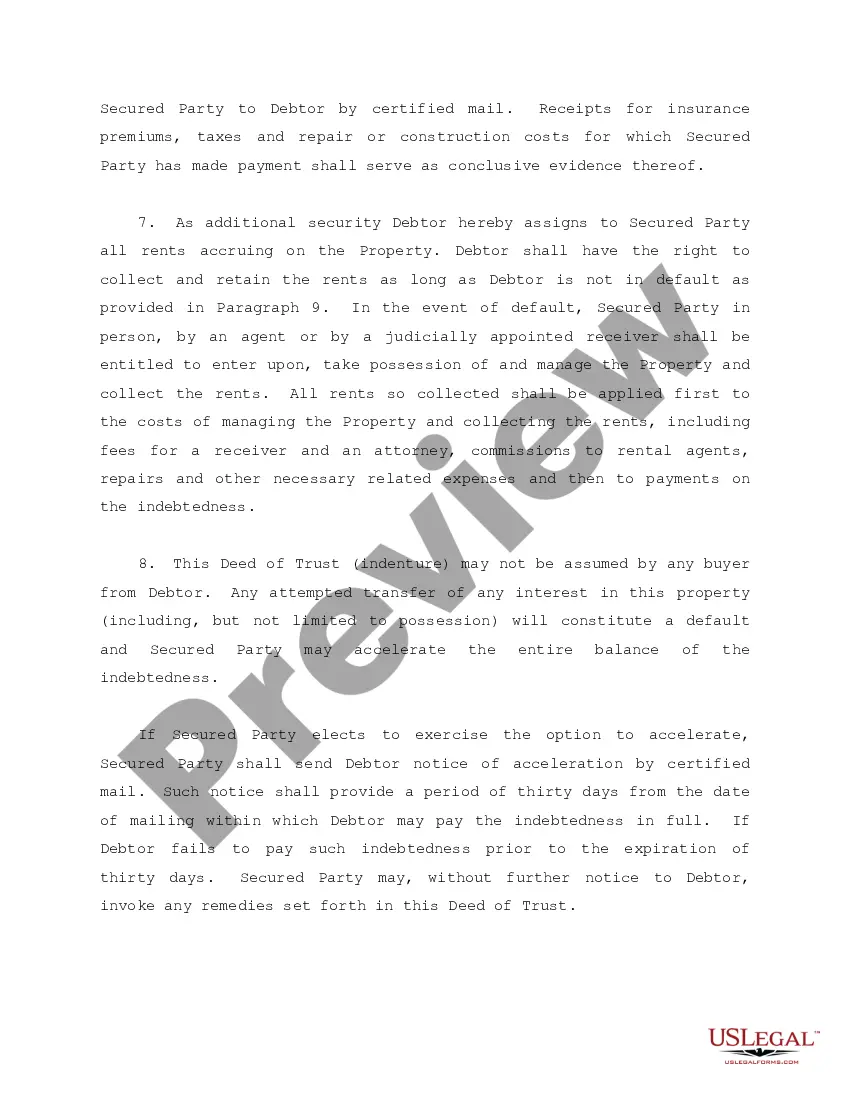
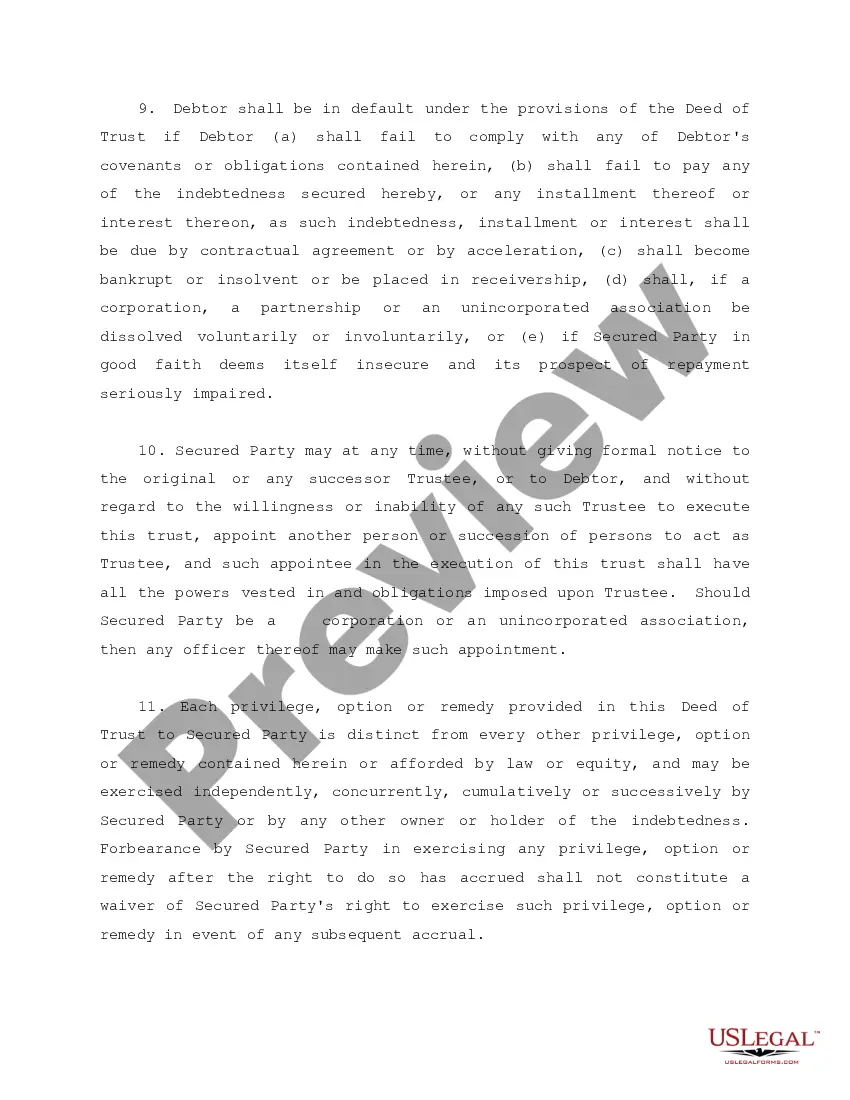
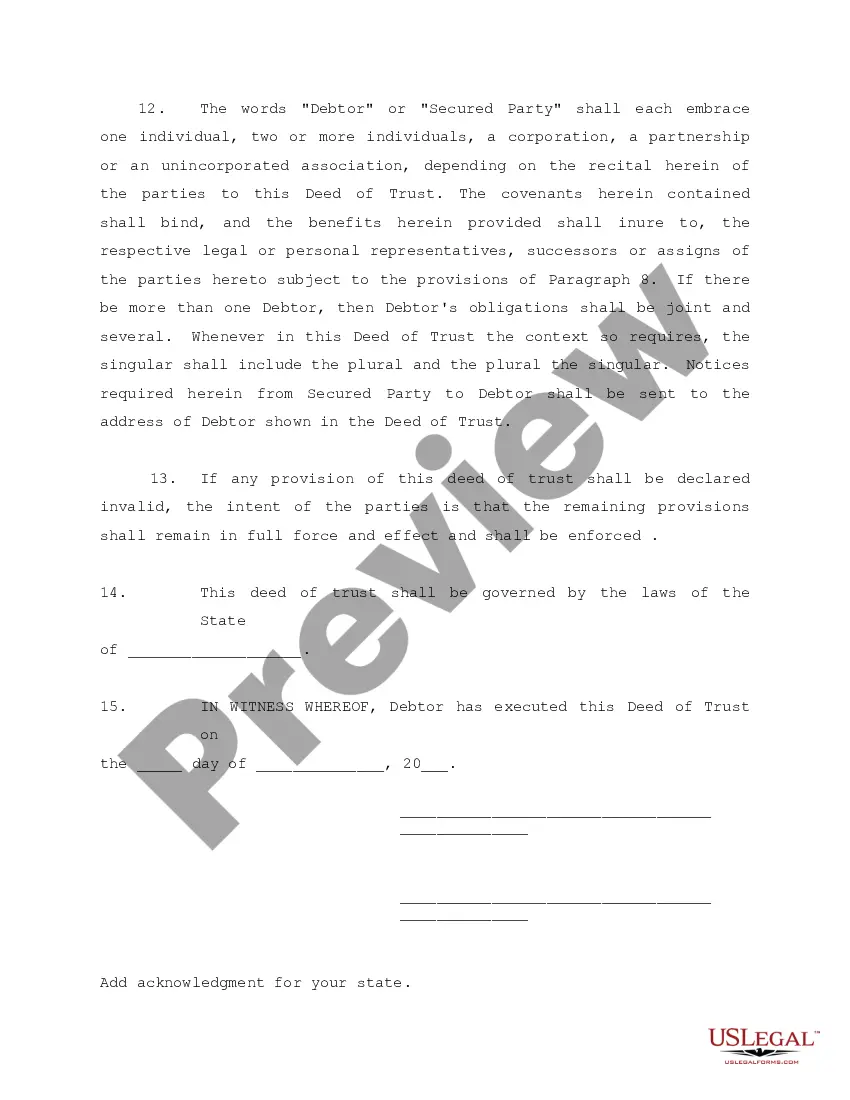
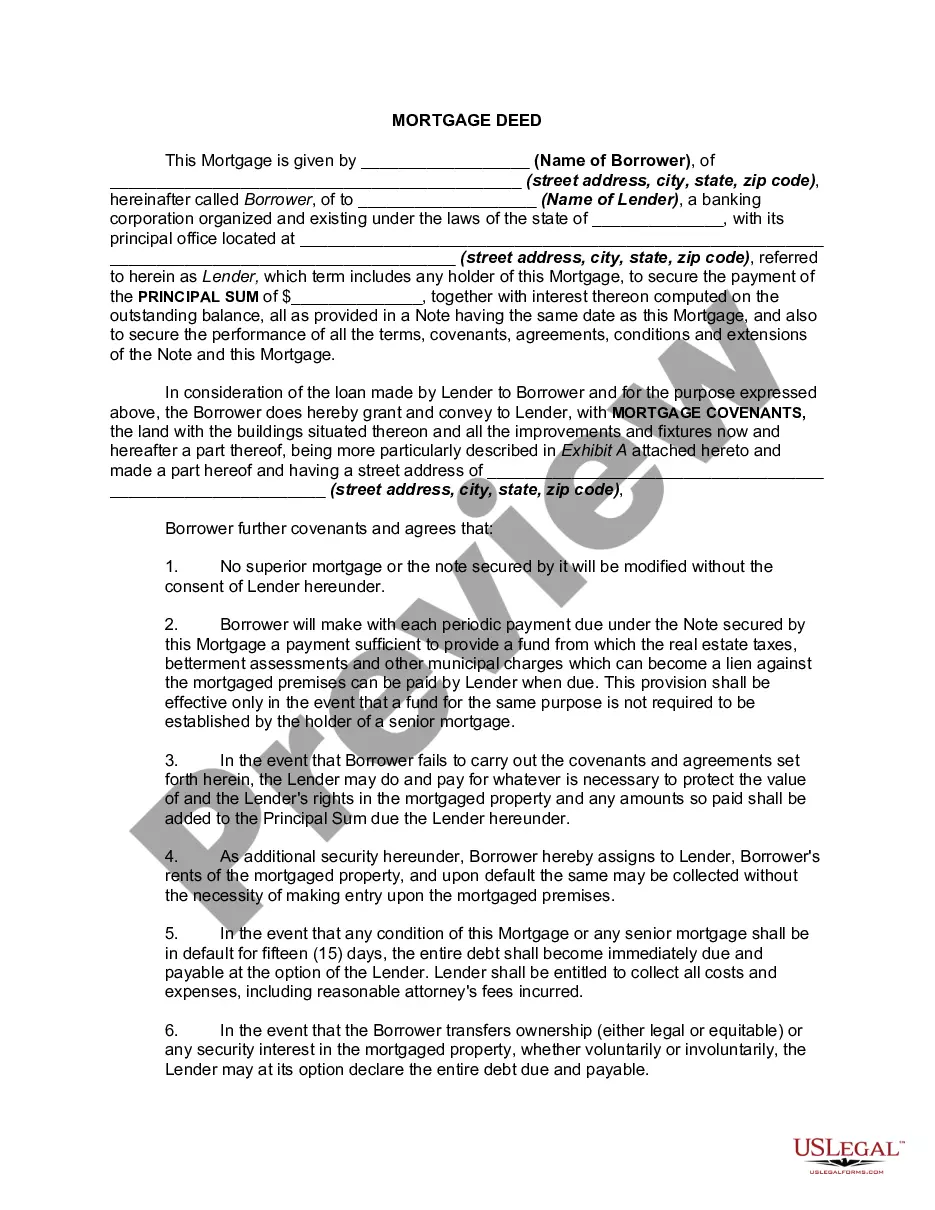
Secure Debt Shall With No Interest In Utah
Description


Get your form ready online
Our built-in tools help you complete, sign, share, and store your documents in one place.
Make edits, fill in missing information, and update formatting in US Legal Forms—just like you would in MS Word.
Download a copy, print it, send it by email, or mail it via USPS—whatever works best for your next step.
Sign and collect signatures with our SignNow integration. Send to multiple recipients, set reminders, and more. Go Premium to unlock E-Sign.
If this form requires notarization, complete it online through a secure video call—no need to meet a notary in person or wait for an appointment.
We protect your documents and personal data by following strict security and privacy standards.

Make edits, fill in missing information, and update formatting in US Legal Forms—just like you would in MS Word.

Download a copy, print it, send it by email, or mail it via USPS—whatever works best for your next step.

Sign and collect signatures with our SignNow integration. Send to multiple recipients, set reminders, and more. Go Premium to unlock E-Sign.

If this form requires notarization, complete it online through a secure video call—no need to meet a notary in person or wait for an appointment.

We protect your documents and personal data by following strict security and privacy standards.
Looking for another form?




Form popularity
FAQ
The CFPB's action will ban the inclusion of medical bills on credit reports used by lenders and prohibit lenders from using medical information in their lending decisions.
A hospital or other health care provider is less likely to sue you to collect on an overdue bill than are most other creditors, such as credit card companies. This is particularly the case for relatively small medical bills.
1 In Utah, nearly 22,000 lawsuits—one third of all debt-collection cases filed in the state—are filed against people experiencing medical debt each year.
Even if you owe a hospital for past-due bills, that hospital cannot turn you away from its emergency room. This is your right under a federal law called the Emergency Medical Treatment and Active Labor Act (EMTALA).
The statute of limitations for renewing a judgment is 8 years from the date of the judgment. Utah Code Section 78B-2-311. The judgment creditor can renew the judgment, but must do so before the statute of limitations expires.
Starting a Debt Collection Case A debt collector starts a debt collection case by filing a complaint with the court. A copy of the complaint and a document called a summons must be served on the debtor by one of the methods described in Utah Rule of Civil Procedure 4.
In Utah, the statute of limitations for any signed written contract, obligation, or liability is six years. For unwritten (verbal) contracts, obligations, or liabilities, the statute of limitation for an unpaid debt expires after four years.
Judgments shall continue for eight years from the date of entry in a court unless previously satisfied or unless enforcement of the judgment is stayed in ance with law.
UCC stands for "Uniform Commercial Code." The Uniform Commercial Code is a law governing commercial transactions (including sales and leasing of goods, transfer of funds, commercial paper, bank deposits and collections, letters of credit, bulk transfers, warehouse receipts, bills of lading, investment securities, and ...
