Secure Debt Shall Forget The Day Lyrics In Utah
Description


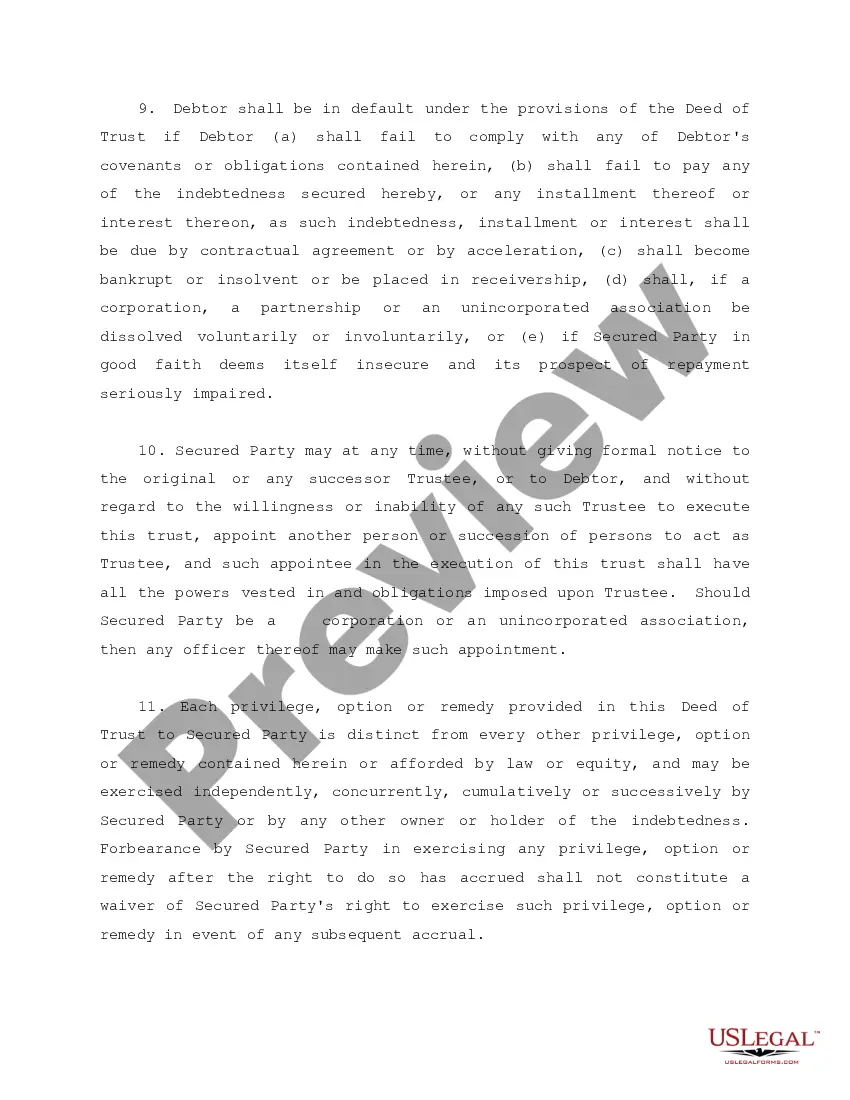
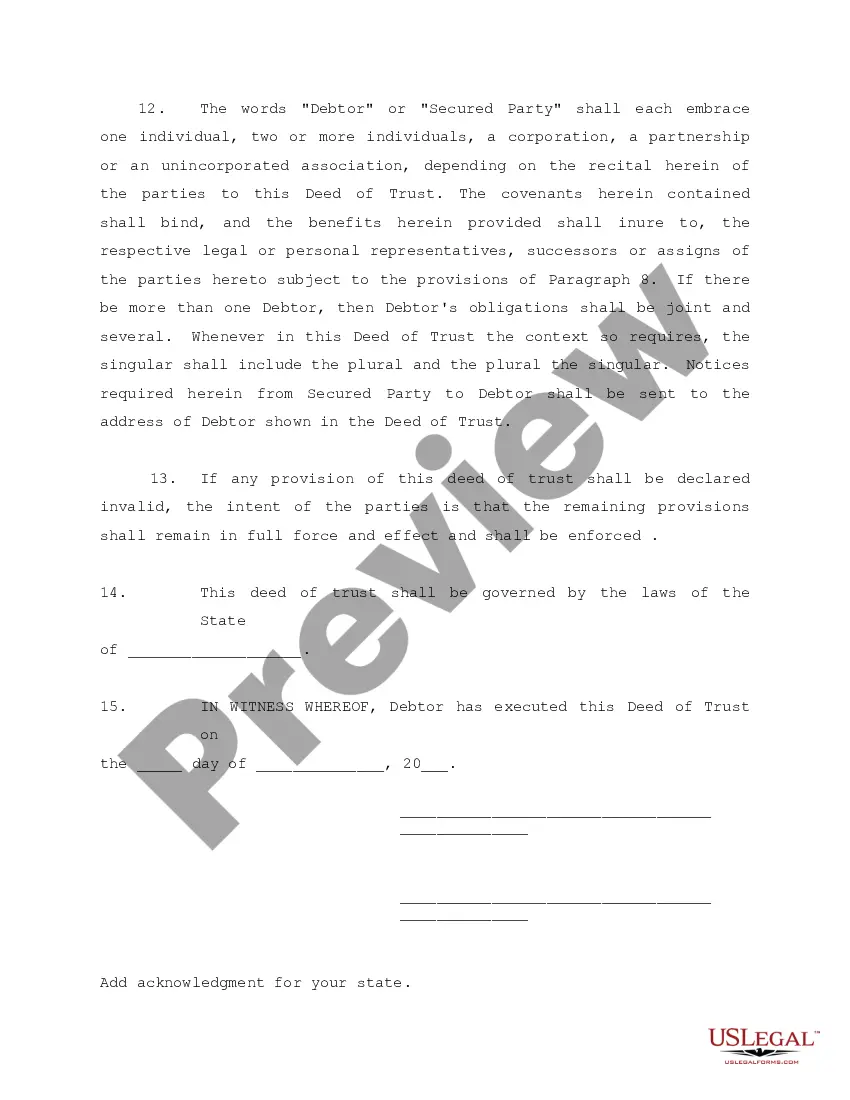


Get your form ready online
Our built-in tools help you complete, sign, share, and store your documents in one place.
Make edits, fill in missing information, and update formatting in US Legal Forms—just like you would in MS Word.
Download a copy, print it, send it by email, or mail it via USPS—whatever works best for your next step.
Sign and collect signatures with our SignNow integration. Send to multiple recipients, set reminders, and more. Go Premium to unlock E-Sign.
If this form requires notarization, complete it online through a secure video call—no need to meet a notary in person or wait for an appointment.
We protect your documents and personal data by following strict security and privacy standards.

Make edits, fill in missing information, and update formatting in US Legal Forms—just like you would in MS Word.

Download a copy, print it, send it by email, or mail it via USPS—whatever works best for your next step.

Sign and collect signatures with our SignNow integration. Send to multiple recipients, set reminders, and more. Go Premium to unlock E-Sign.

If this form requires notarization, complete it online through a secure video call—no need to meet a notary in person or wait for an appointment.

We protect your documents and personal data by following strict security and privacy standards.
Looking for another form?
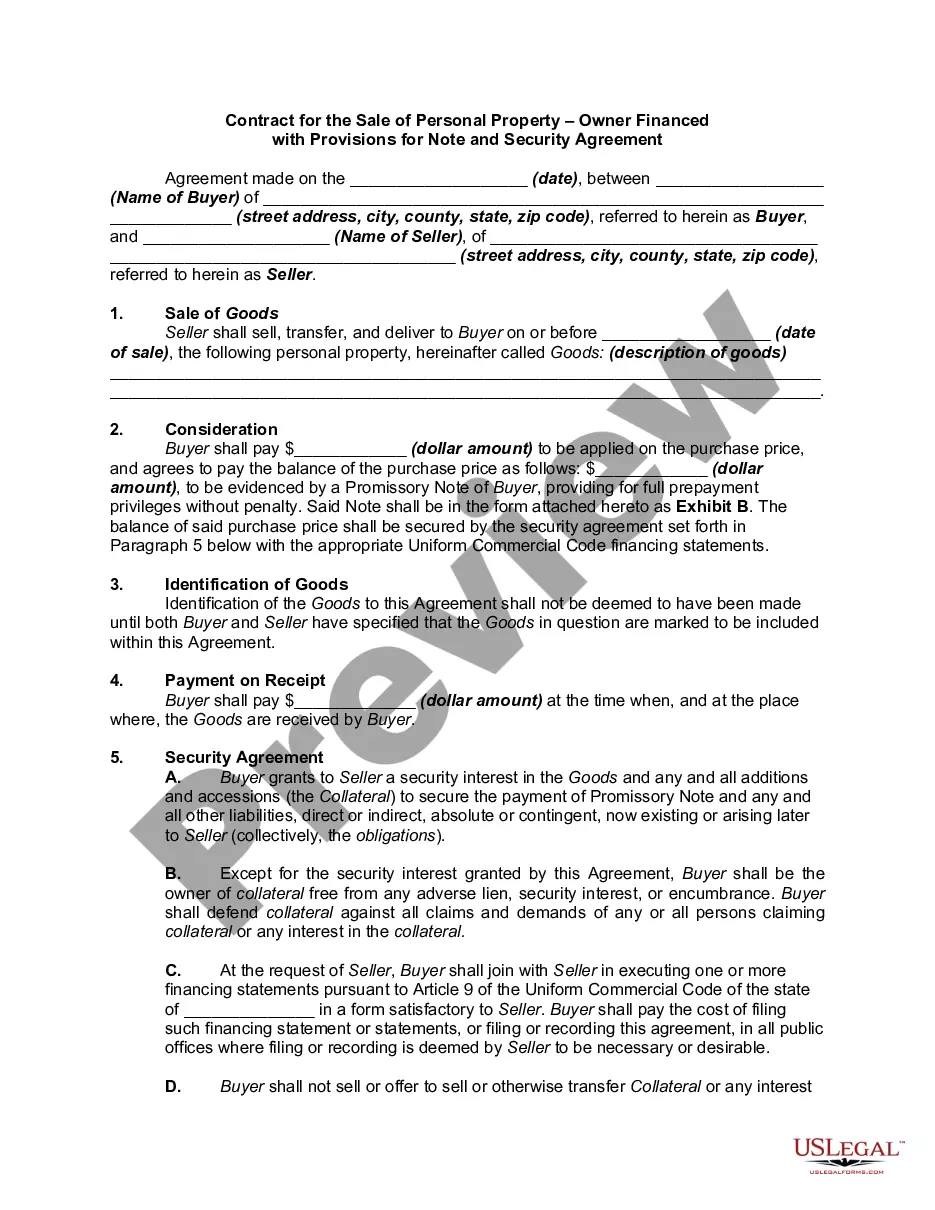



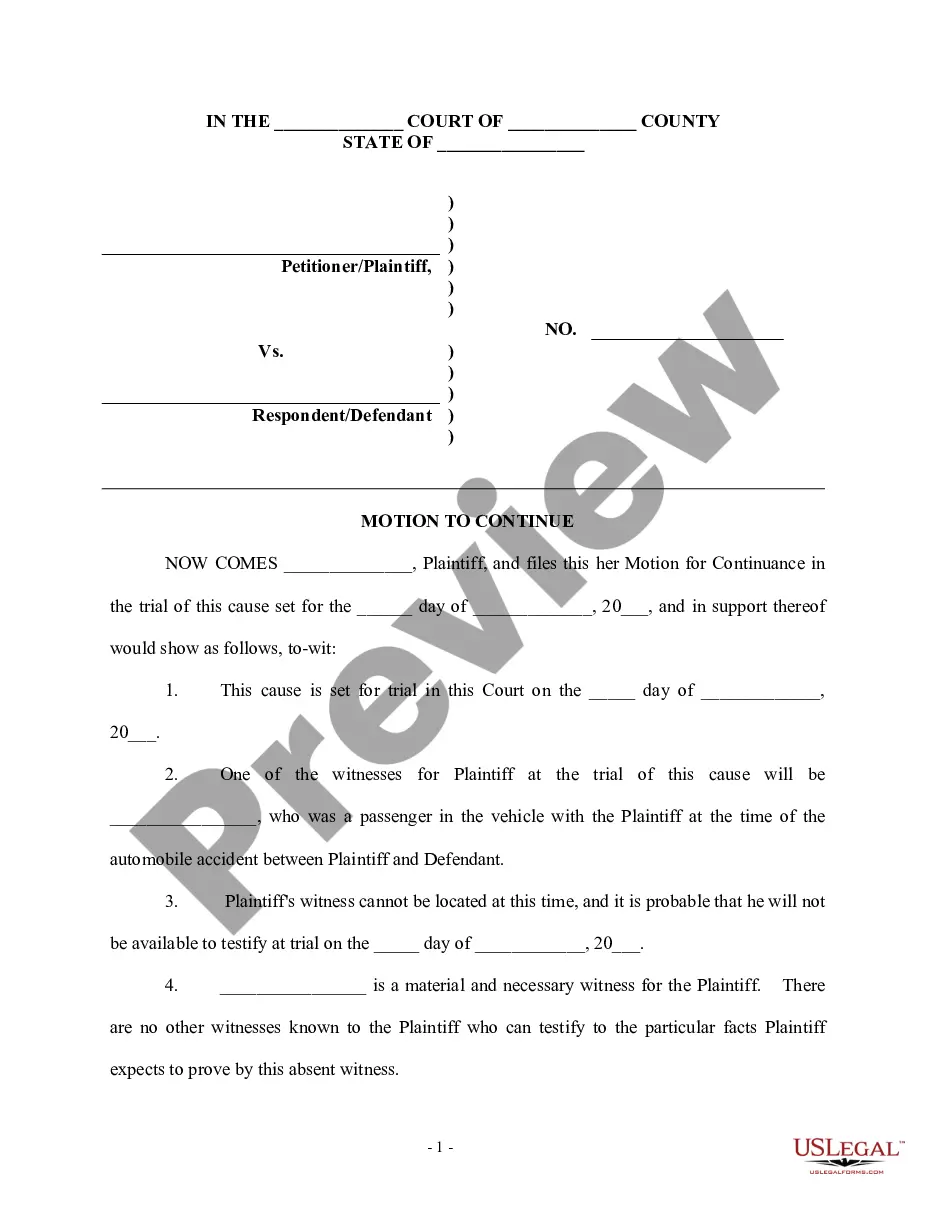

Form popularity
FAQ
In Utah, for most debts, a creditor has six years to take legal action on that unpaid debt. After the statute of limitations expires, a creditor or debt collector can no longer sue you for the debt.
Most states or jurisdictions have statutes of limitations between three and six years for debts, but some may be longer. This may also vary depending, for instance, on the: Type of debt. State where you live.
Starting a Debt Collection Case A debt collector starts a debt collection case by filing a complaint with the court. A copy of the complaint and a document called a summons must be served on the debtor by one of the methods described in Utah Rule of Civil Procedure 4.
In most states, the statute of limitations for collecting on credit card debt is between three and 10 years, but a few states allow for longer periods, extending up to 15 years.
What Methods Can Creditors Legally Use to Collect Debts? Wage Garnishments. The amount that a creditor may garnish from a consumer's wages is limited by state and federal law. Property Liens. Lien Priority. Levies and Assignments. Contempt Orders.
In Utah, the statute of limitations for any signed written contract, obligation, or liability is six years. For unwritten (verbal) contracts, obligations, or liabilities, the statute of limitation for an unpaid debt expires after four years.
Starting a Debt Collection Case A debt collector starts a debt collection case by filing a complaint with the court. A copy of the complaint and a document called a summons must be served on the debtor by one of the methods described in Utah Rule of Civil Procedure 4.
