Secured Debt Any For A 6th Grader In Travis
Description

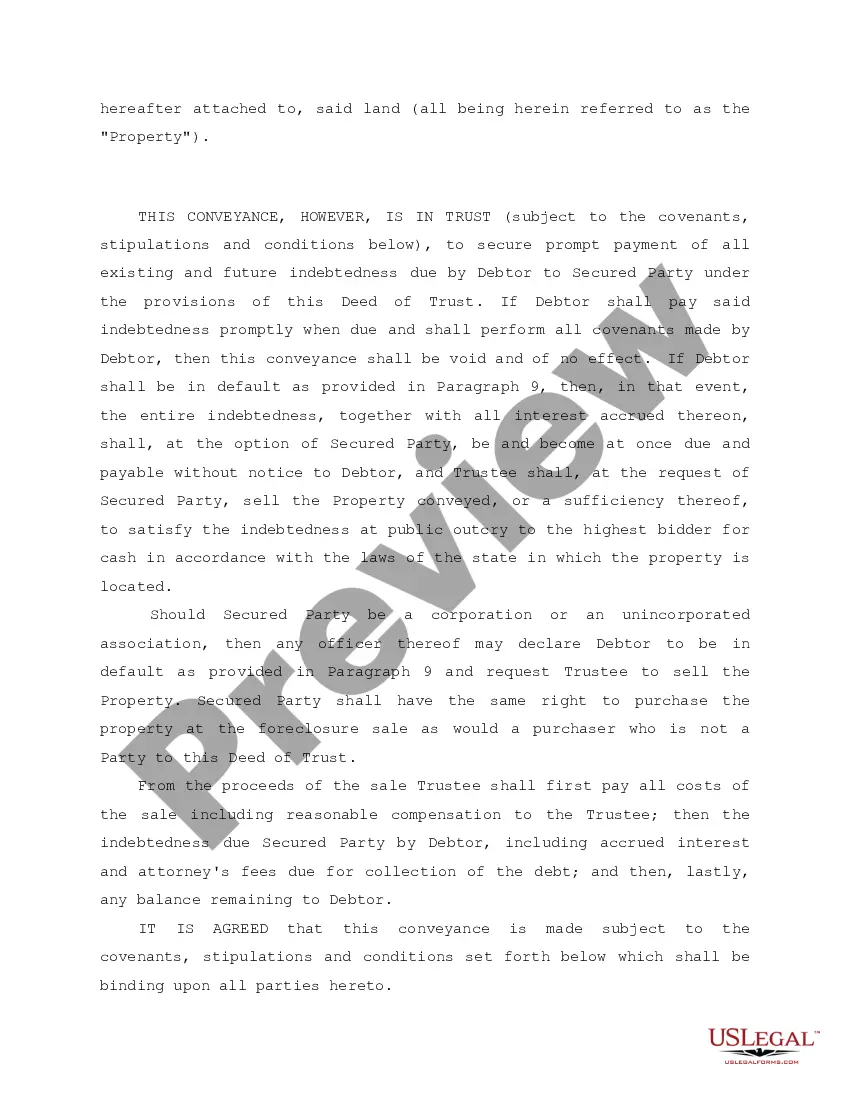
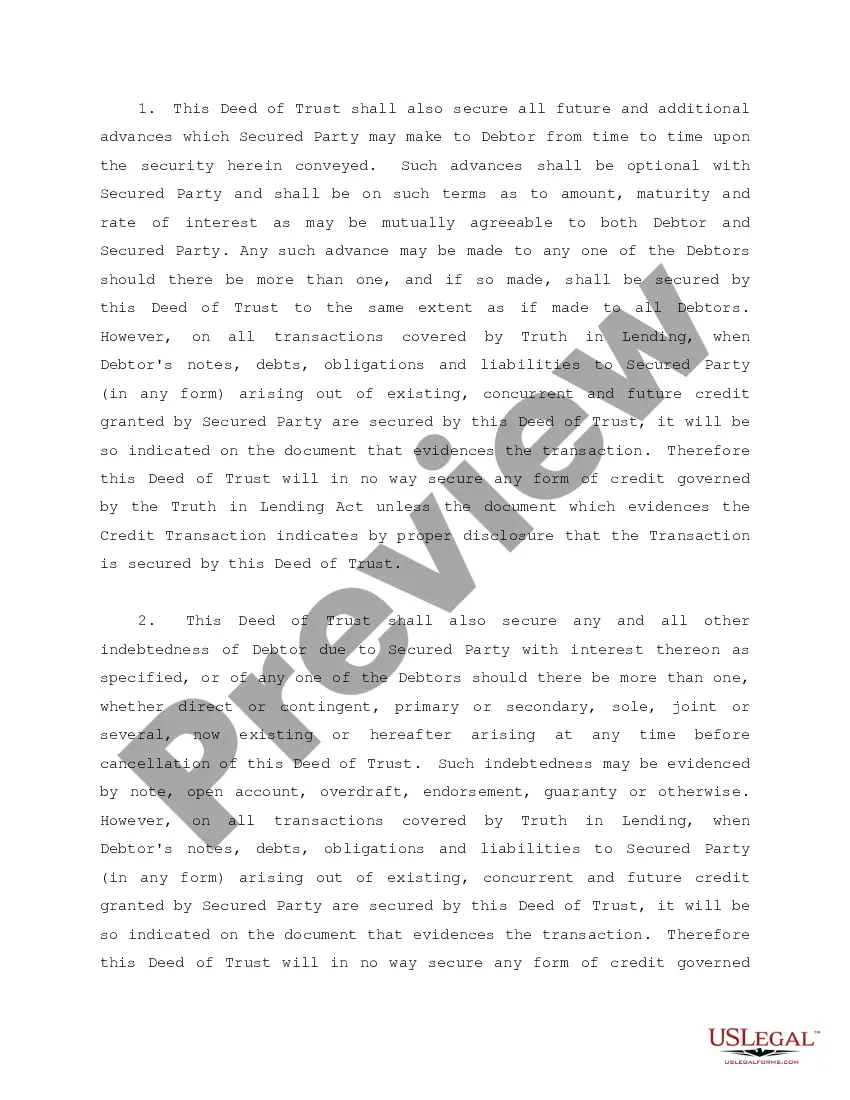
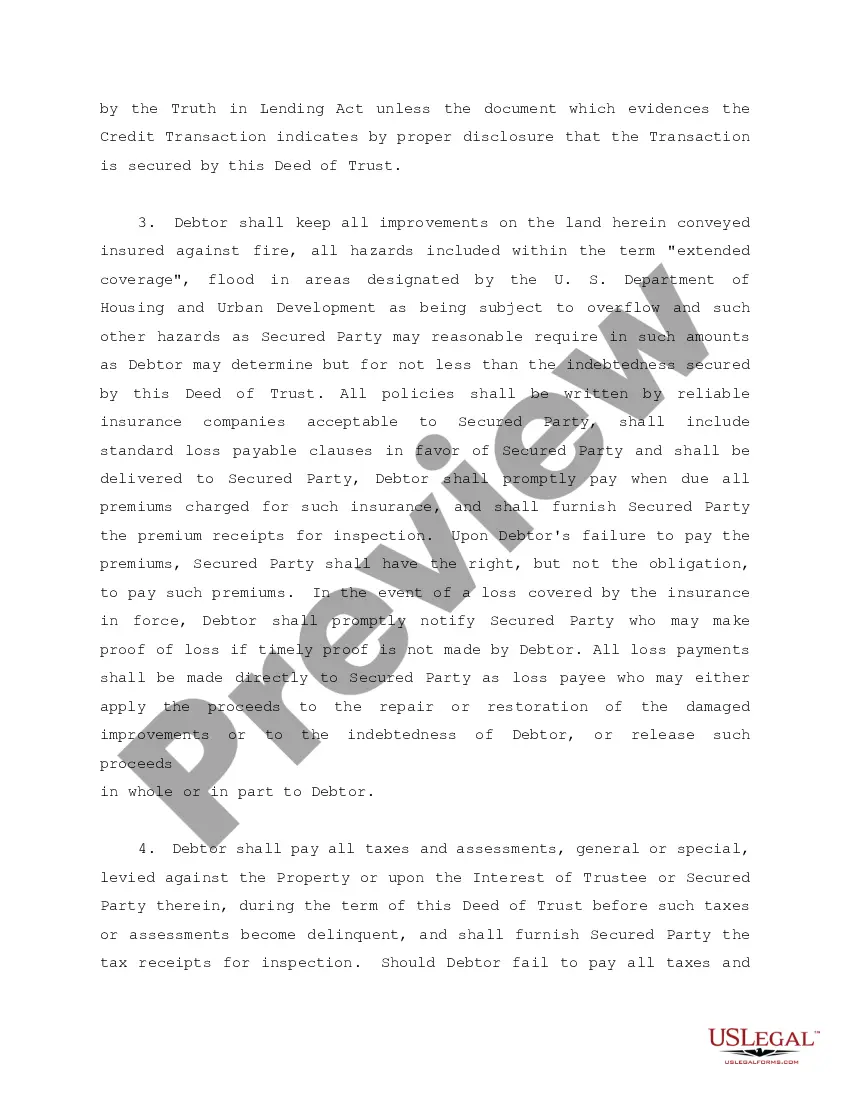
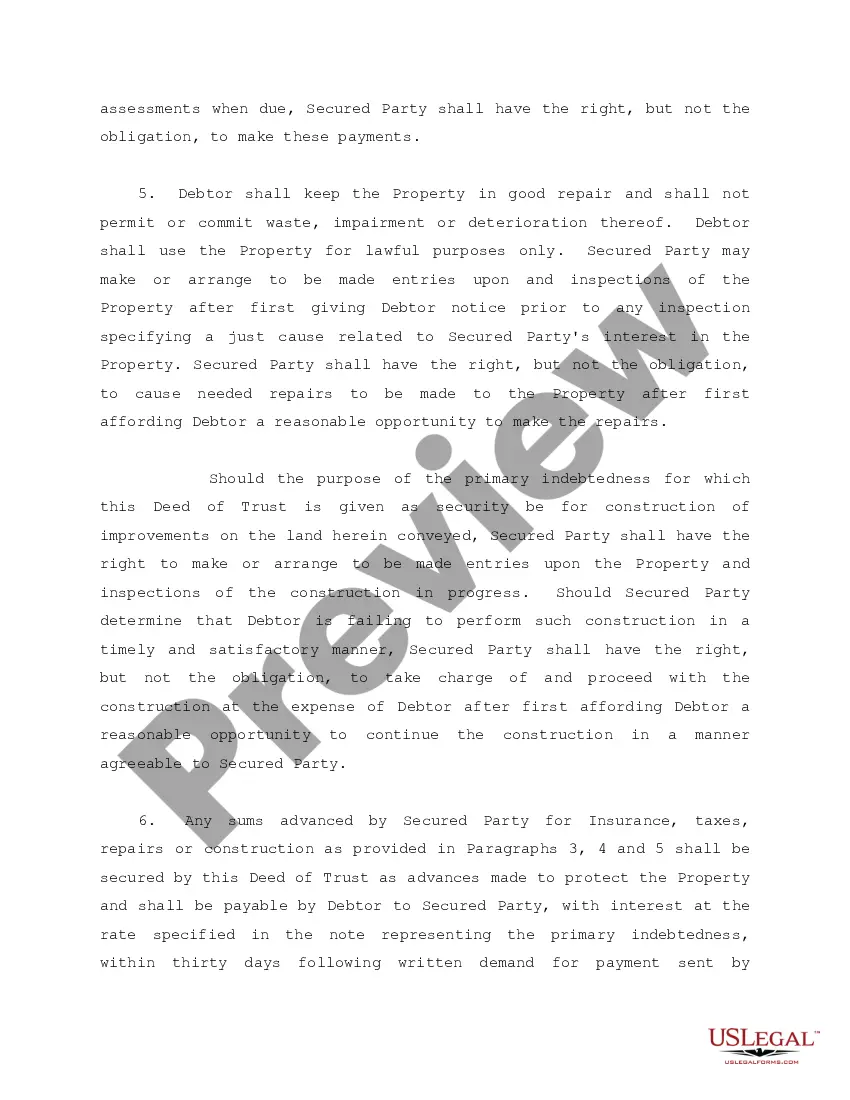

Get your form ready online
Our built-in tools help you complete, sign, share, and store your documents in one place.
Make edits, fill in missing information, and update formatting in US Legal Forms—just like you would in MS Word.
Download a copy, print it, send it by email, or mail it via USPS—whatever works best for your next step.
Sign and collect signatures with our SignNow integration. Send to multiple recipients, set reminders, and more. Go Premium to unlock E-Sign.
If this form requires notarization, complete it online through a secure video call—no need to meet a notary in person or wait for an appointment.
We protect your documents and personal data by following strict security and privacy standards.

Make edits, fill in missing information, and update formatting in US Legal Forms—just like you would in MS Word.

Download a copy, print it, send it by email, or mail it via USPS—whatever works best for your next step.

Sign and collect signatures with our SignNow integration. Send to multiple recipients, set reminders, and more. Go Premium to unlock E-Sign.

If this form requires notarization, complete it online through a secure video call—no need to meet a notary in person or wait for an appointment.

We protect your documents and personal data by following strict security and privacy standards.
Looking for another form?
Form popularity
FAQ
Junior debt, also referred to as subordinated debt, is debt that is considered to be of a lower priority in the debt and debt repayment hierarchy. It is normally unsecured and can be provided without any collateral, making it risky. Junior debt tends to come at higher interest rates than senior debt.
Secured debt is backed by collateral, such as a house in the case of a mortgage, reducing the lender's risk. Unsecured debt, like most credit card debt, does not have collateral and often carries higher interest rates.
Examples of unsecured debt include credit cards, medical bills, utility bills, and other instances in which credit was given without any collateral requirement.
Debt is anything owed by one party to another. Examples of debt include amounts owed on credit cards, car loans, and mortgages.
This means they cannot be automatically discharged in a Chapter 7 or Chapter 13 bankruptcy proceeding. In order to discharge your student loans, you'll need to work with a zero-down bankruptcy attorney to file a separate lawsuit which is called an adversary proceeding.
Are student loans secured or unsecured debts? Although federal student loans are backed by the government, you aren't required to put up collateral to get approved for these loans. The same goes for private student loans. For this reason, both of these fall into the unsecured debt category.
To be clear, both federal and private student loans are unsecured debt. No matter which type you apply for, you won't need to offer up any collateral.
