Secured Debt Any Formula In Texas
Description

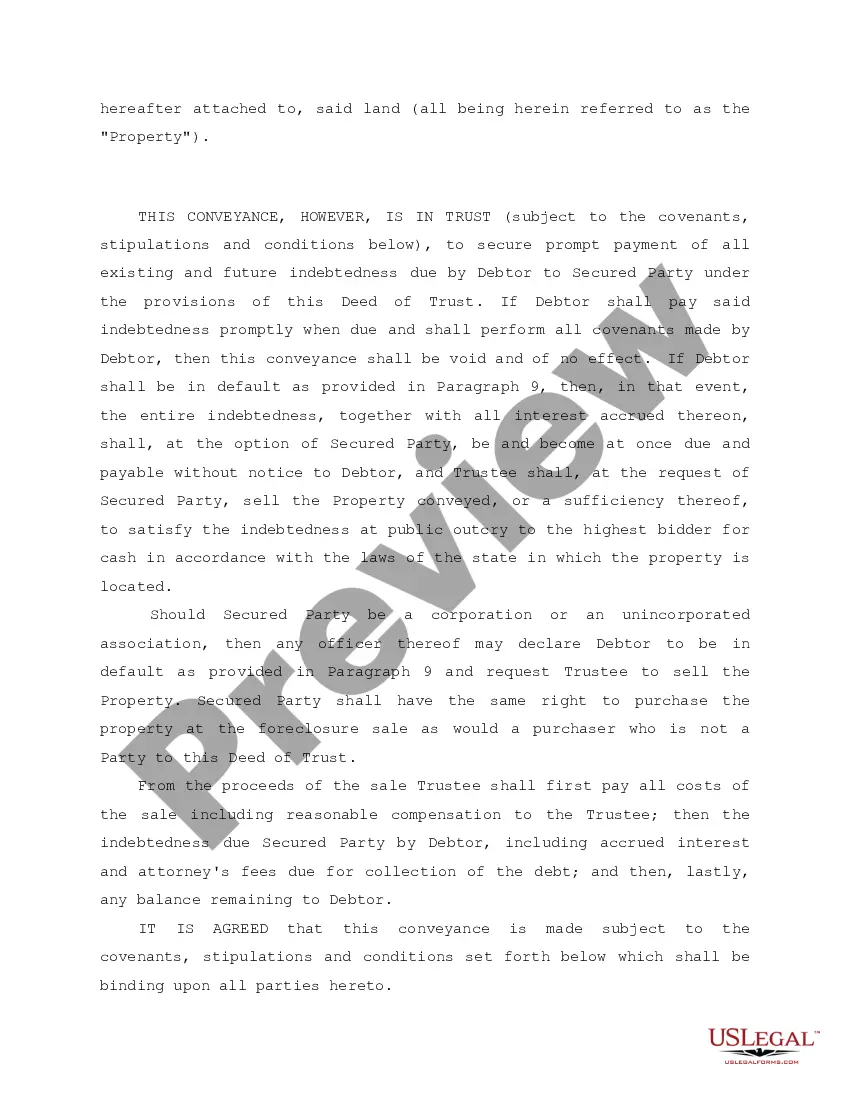
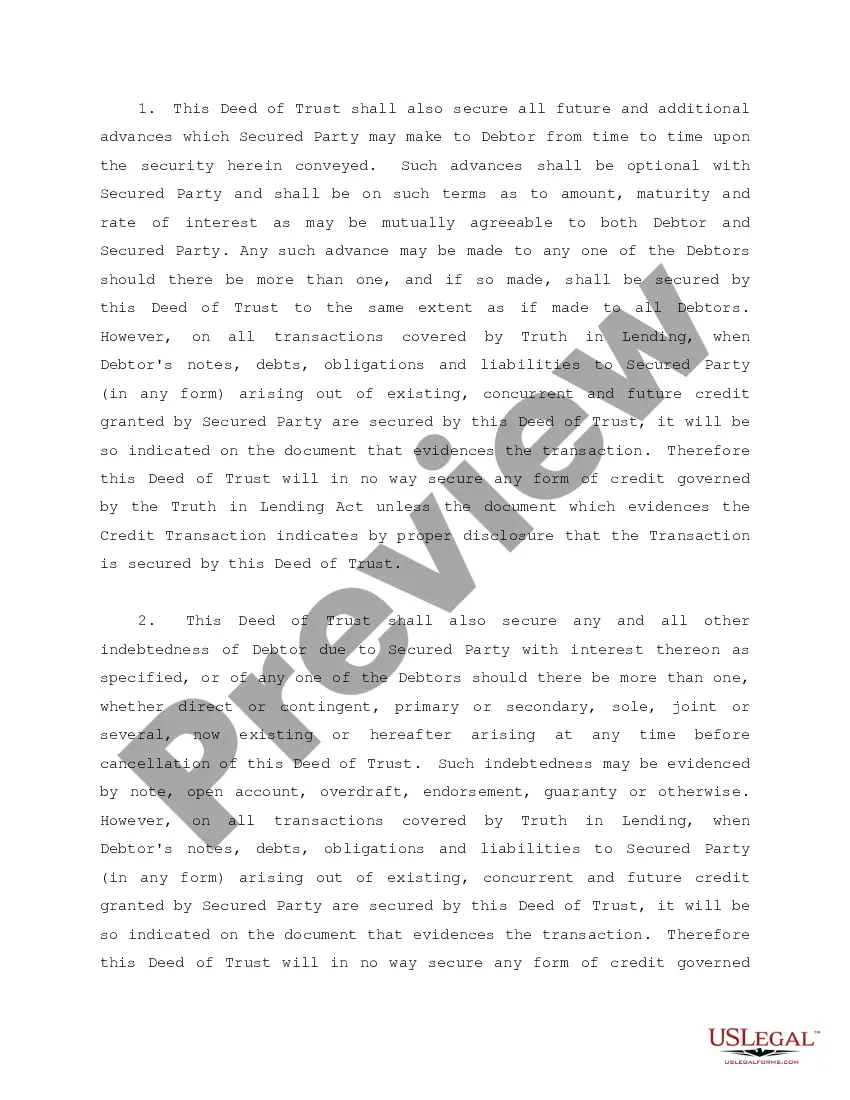
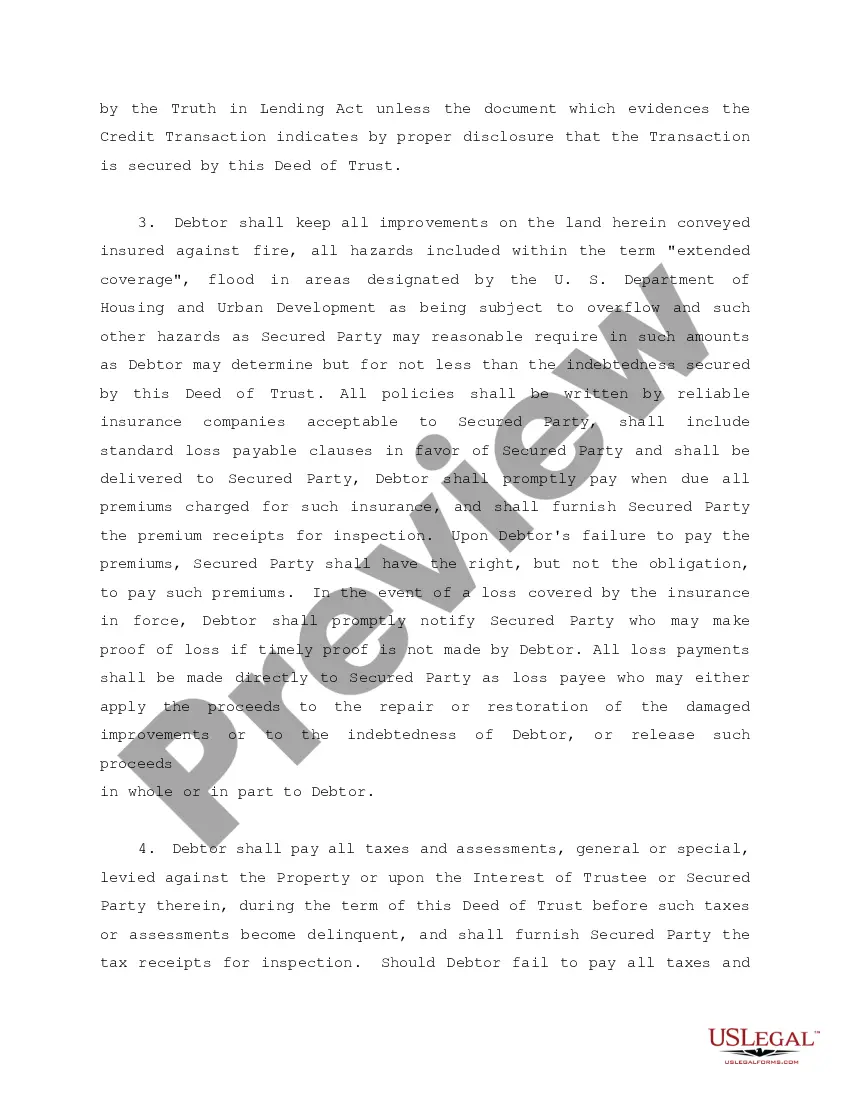
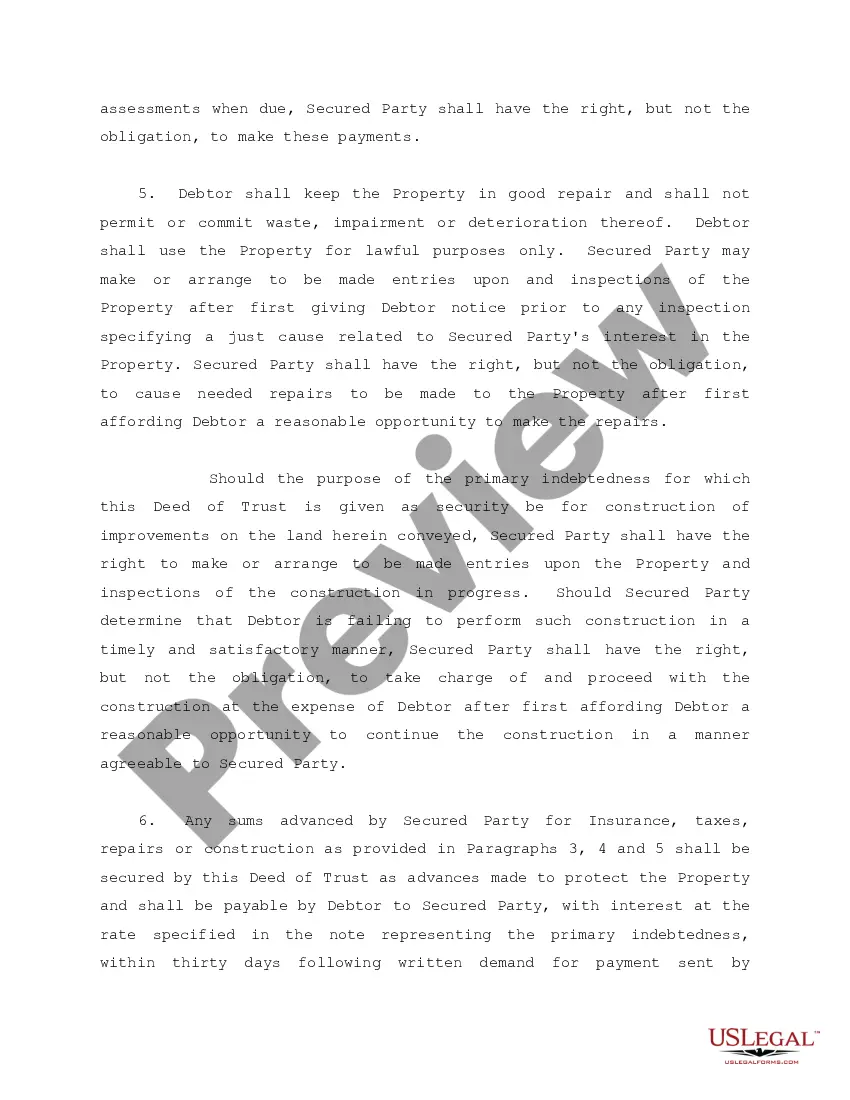
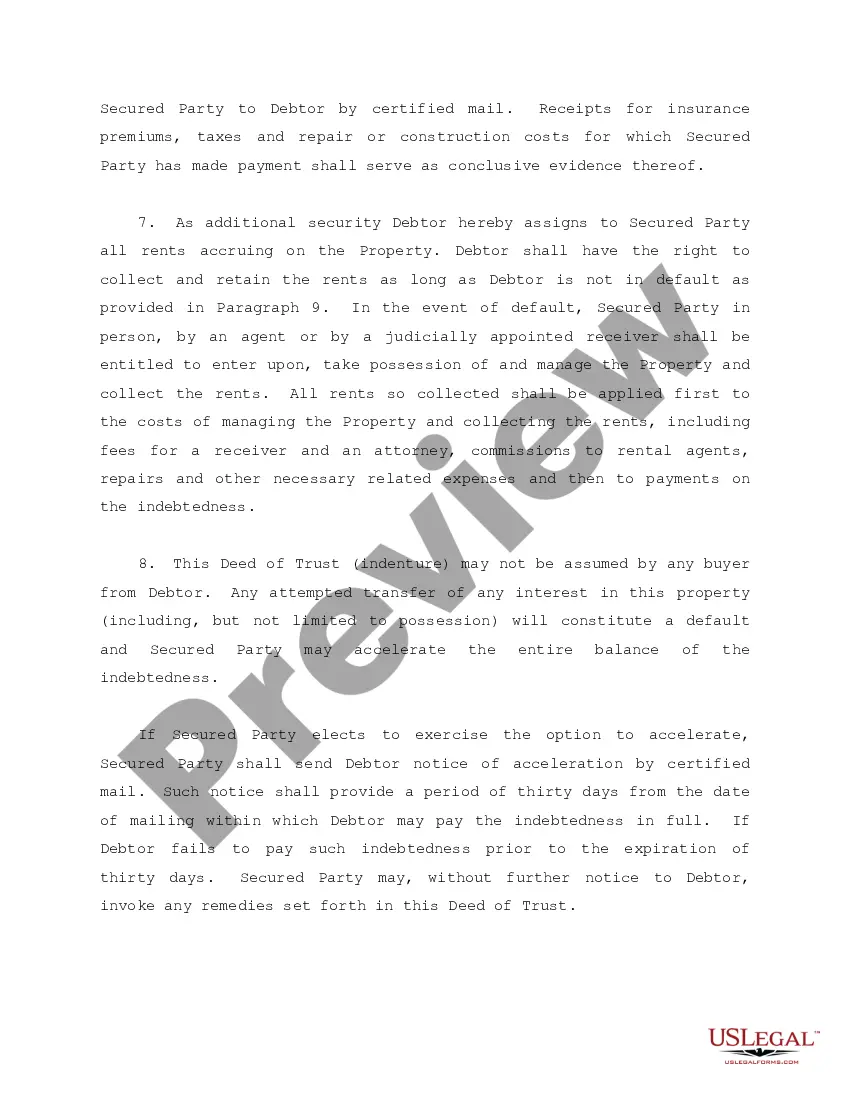
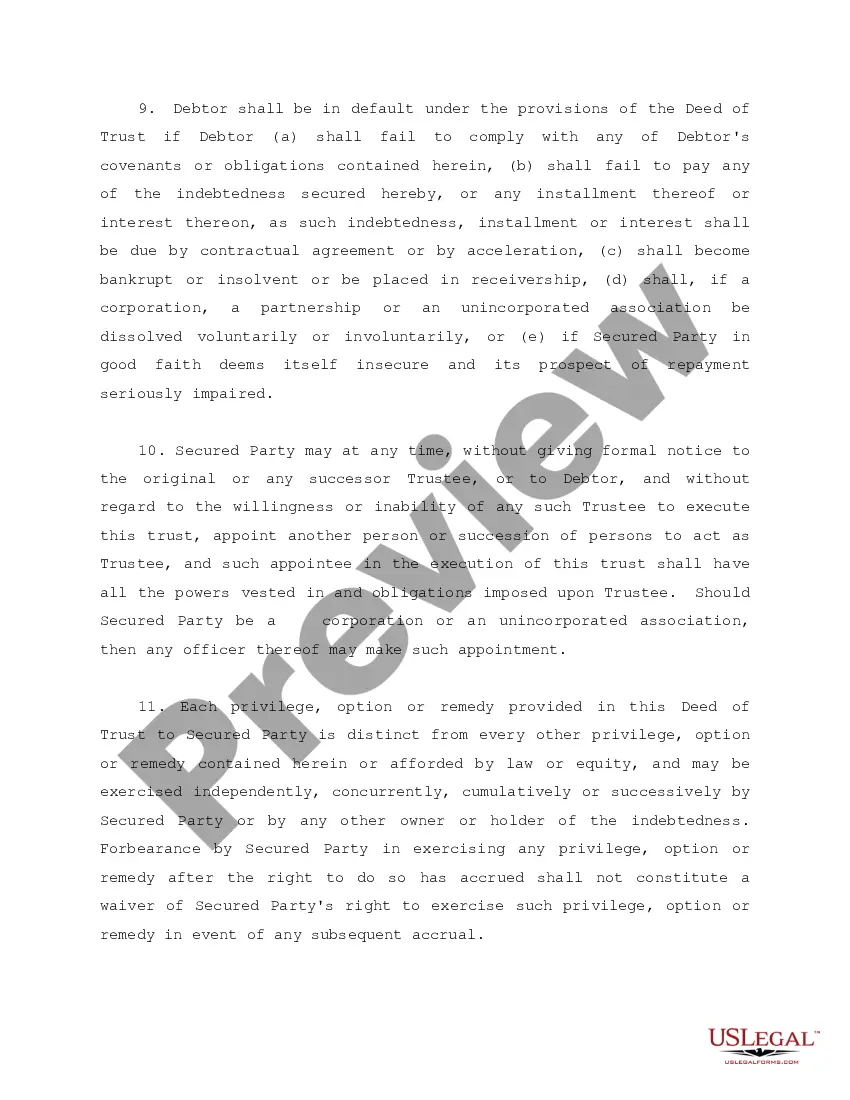
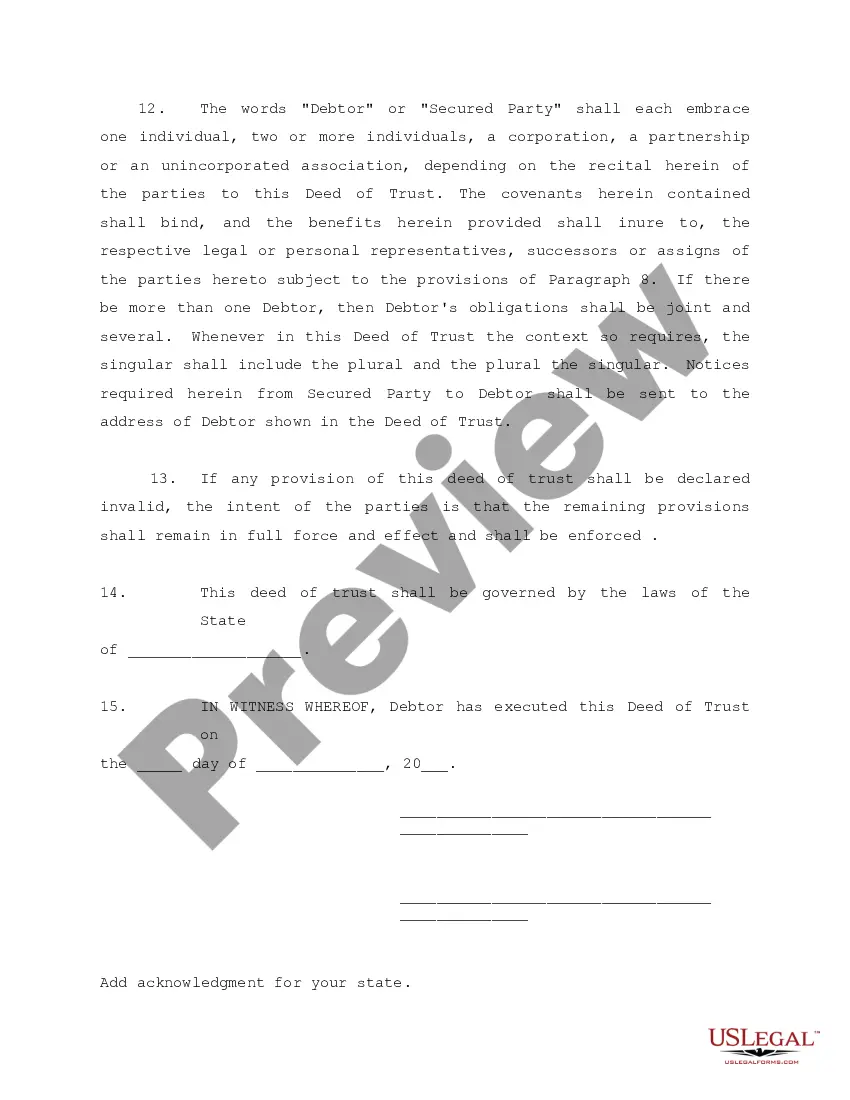
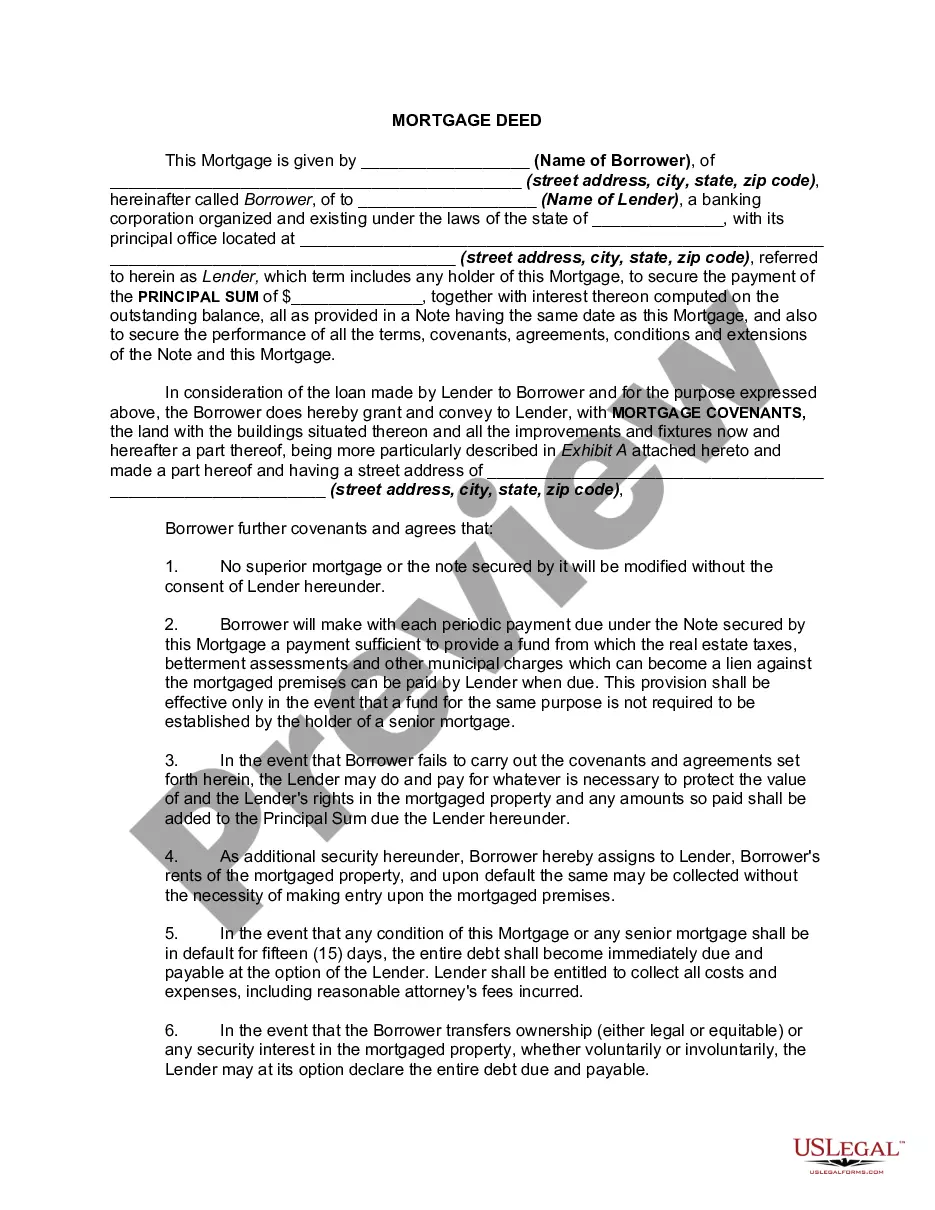

Get your form ready online
Our built-in tools help you complete, sign, share, and store your documents in one place.
Make edits, fill in missing information, and update formatting in US Legal Forms—just like you would in MS Word.
Download a copy, print it, send it by email, or mail it via USPS—whatever works best for your next step.
Sign and collect signatures with our SignNow integration. Send to multiple recipients, set reminders, and more. Go Premium to unlock E-Sign.
If this form requires notarization, complete it online through a secure video call—no need to meet a notary in person or wait for an appointment.
We protect your documents and personal data by following strict security and privacy standards.

Make edits, fill in missing information, and update formatting in US Legal Forms—just like you would in MS Word.

Download a copy, print it, send it by email, or mail it via USPS—whatever works best for your next step.

Sign and collect signatures with our SignNow integration. Send to multiple recipients, set reminders, and more. Go Premium to unlock E-Sign.

If this form requires notarization, complete it online through a secure video call—no need to meet a notary in person or wait for an appointment.

We protect your documents and personal data by following strict security and privacy standards.
Looking for another form?
Form popularity
FAQ
Steps Download the UCC-1 form. Provide direct contact information if desired. Fill in the debtor's name and mailing address. List the name and address of the secured party. Indicate the collateral covered by the financing statement. Include applicable descriptions of the transaction. Fill out an addendum if necessary.
Perfection can be obtained by a creditor by filing a UCC Financing Statement with the Secretary of State. A qualified financing statement should include: Debtor and secured party's name, Collateral describing, and.
In Texas, third-party debt collectors and credit bureaus are governed by Chapter 392 of the Finance Code, as well as any other applicable state or federal law.
Filing in the wrong jurisdiction If a creditor files the UCC-1 financing statement in the wrong jurisdiction, it can invalidate the lien. Generally, the UCC-1 is filed where the debtor is located.
Steps Download the UCC-1 form. Provide direct contact information if desired. Fill in the debtor's name and mailing address. List the name and address of the secured party. Indicate the collateral covered by the financing statement. Include applicable descriptions of the transaction. Fill out an addendum if necessary.
The statute of limitations on debt in Texas is four years.
Let's say a borrower puts up his house as collateral. A UCC filing could state that the borrower's home is foreclosed on in the event of a default or bankruptcy. It could also state that the house is seized or just sold off. UCC filings are active for five years.
Once wages are deposited into a bank account, the funds can be frozen and possibly seized. In order to do this, a debt collector must have won the lawsuit and had an order issued by the court. This can be confusing because the order is called a "writ of garnishment" but it still cannot be used to take incoming wages.
You must fill out an Answer, serve the other side's attorney, and file your Answer form with the court within 30 days. If you don't, the creditor can ask for a default. If there's a default, the court won't let you file an Answer and can decide the case without you.
This is done by putting your request in writing and sending it to the court and to the plaintiff. Once you have been served with the citation, you have 14 days to file an answer, which is your response to your lawsuit. You must give your answer to the court and also send it to the plaintiff.
