Secure Debt Shall With No Interest
Description

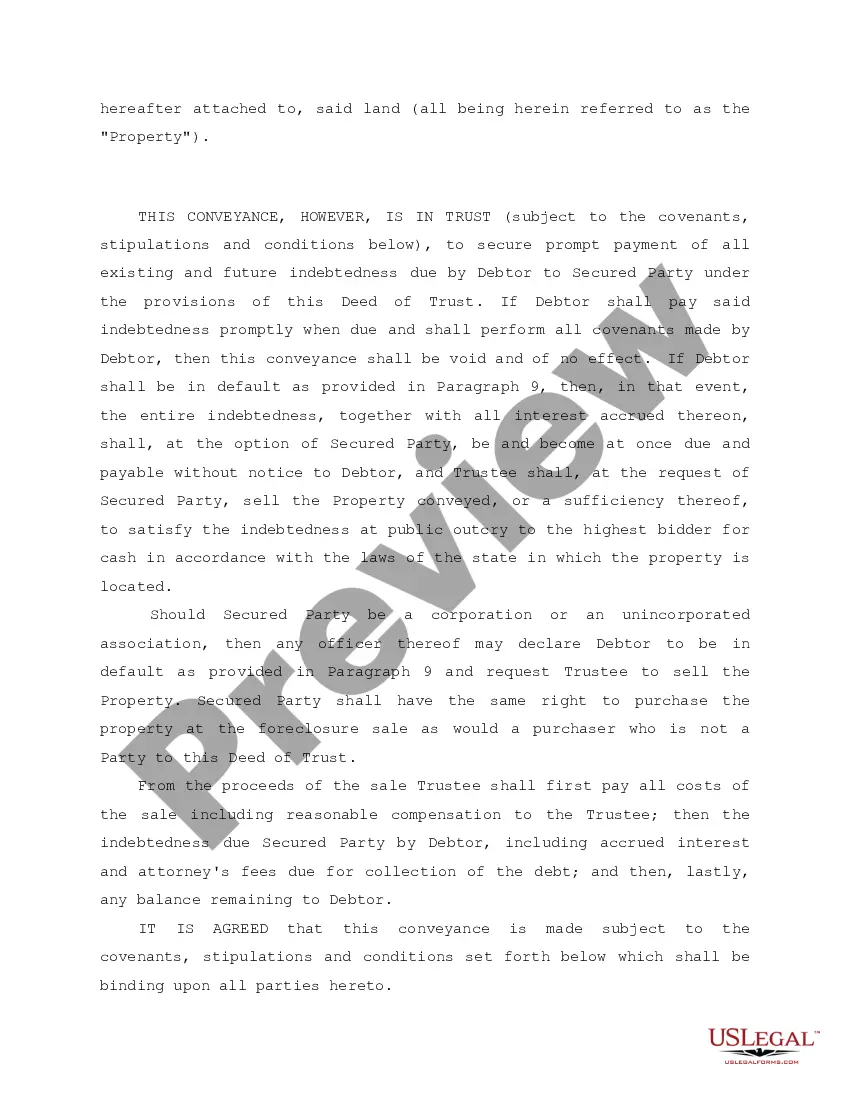
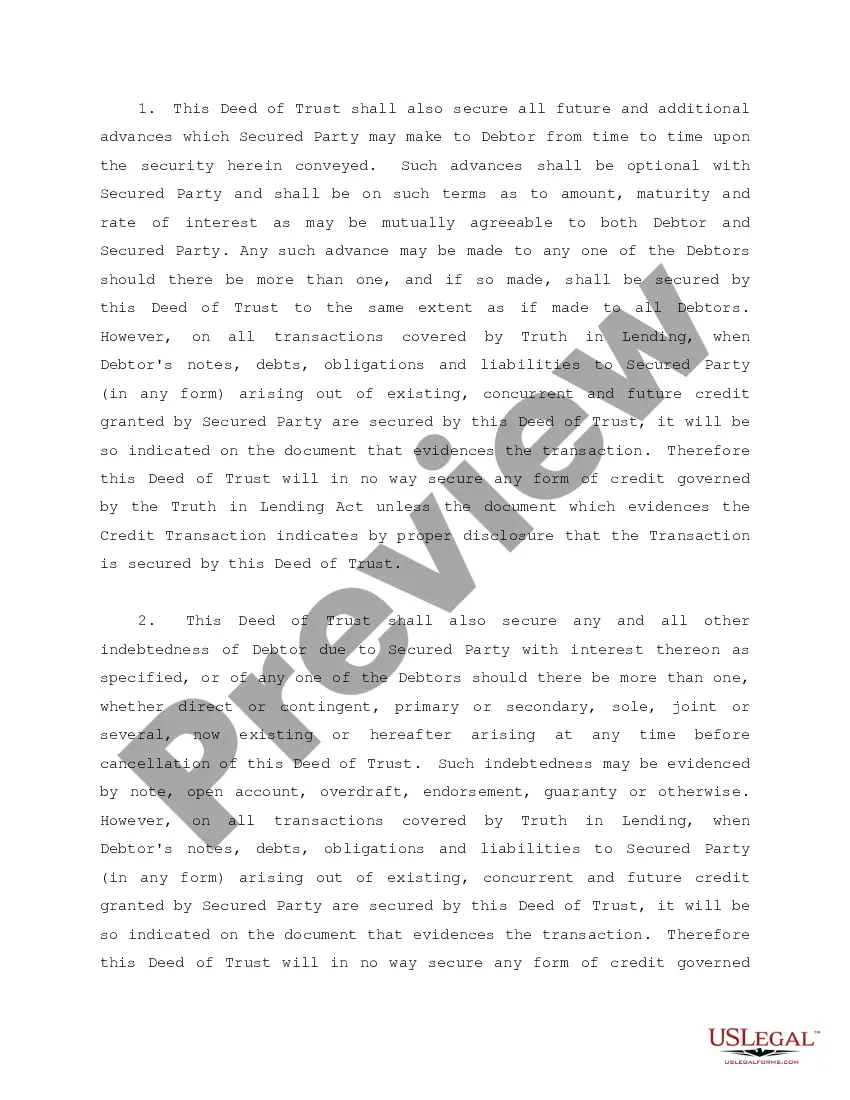
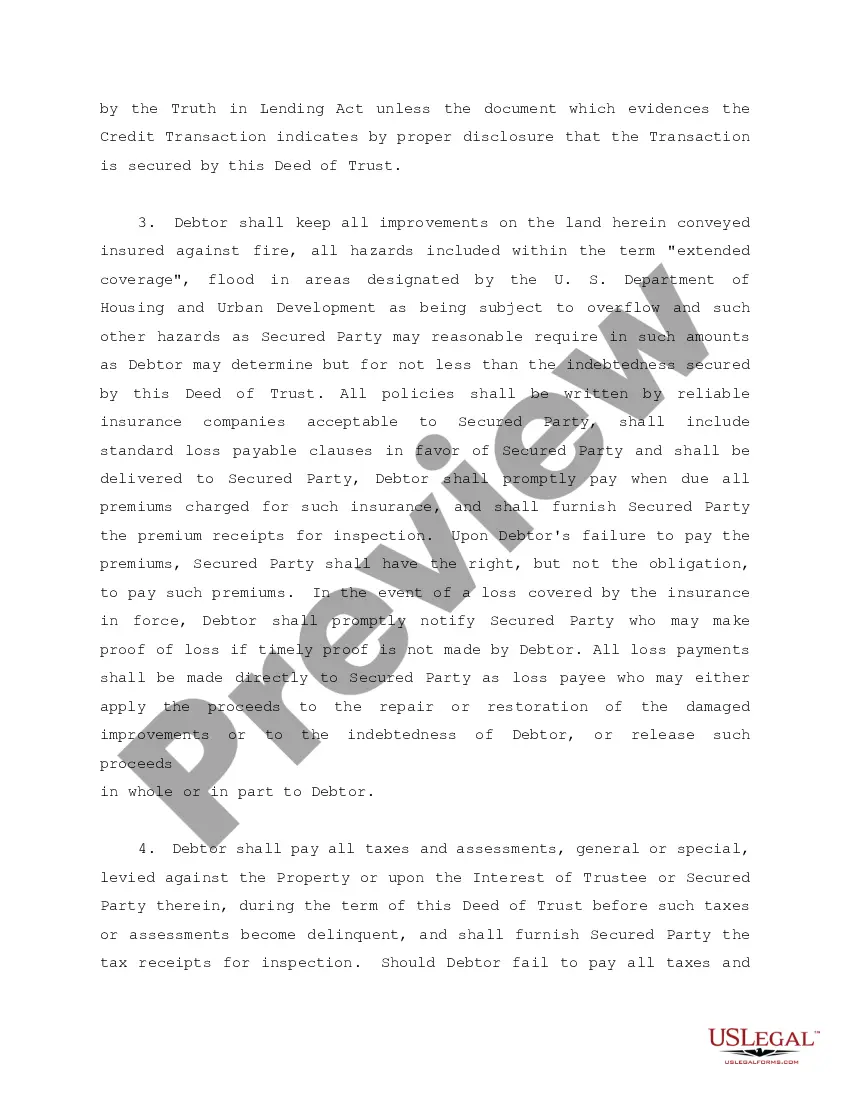
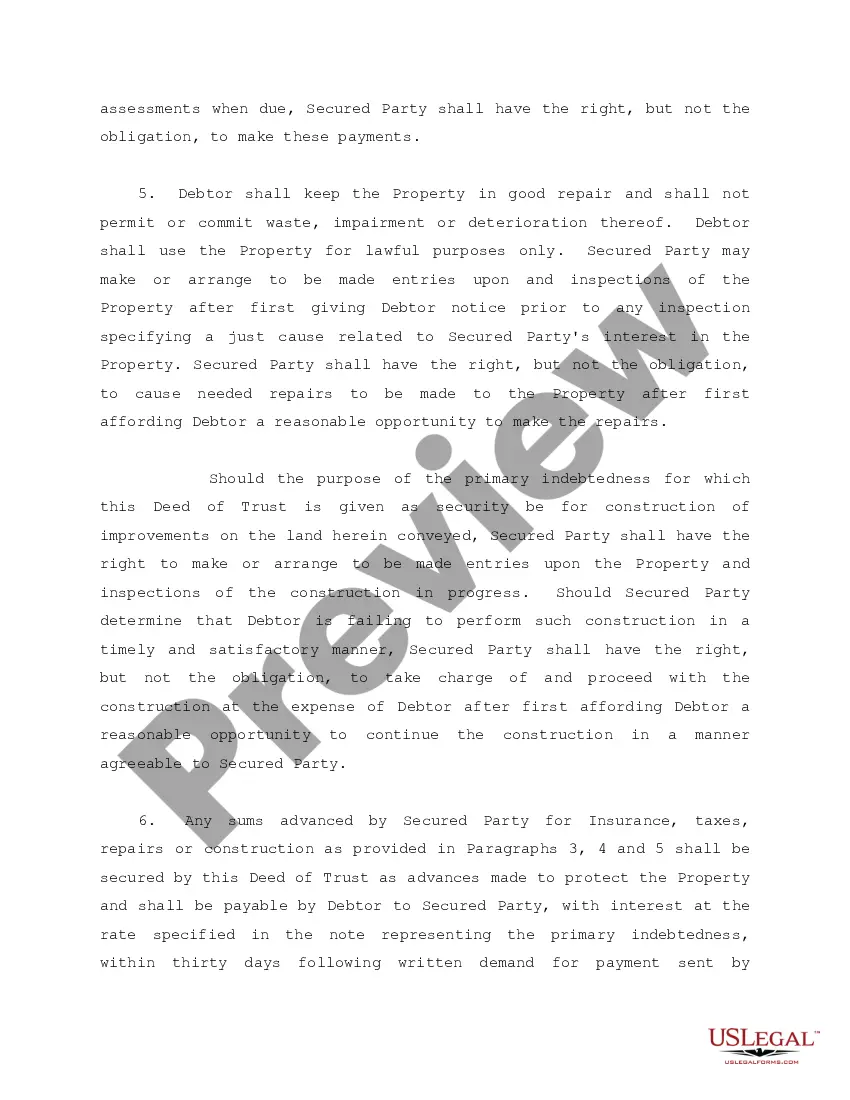

Get your form ready online
Our built-in tools help you complete, sign, share, and store your documents in one place.
Make edits, fill in missing information, and update formatting in US Legal Forms—just like you would in MS Word.
Download a copy, print it, send it by email, or mail it via USPS—whatever works best for your next step.
Sign and collect signatures with our SignNow integration. Send to multiple recipients, set reminders, and more. Go Premium to unlock E-Sign.
If this form requires notarization, complete it online through a secure video call—no need to meet a notary in person or wait for an appointment.
We protect your documents and personal data by following strict security and privacy standards.

Make edits, fill in missing information, and update formatting in US Legal Forms—just like you would in MS Word.

Download a copy, print it, send it by email, or mail it via USPS—whatever works best for your next step.

Sign and collect signatures with our SignNow integration. Send to multiple recipients, set reminders, and more. Go Premium to unlock E-Sign.

If this form requires notarization, complete it online through a secure video call—no need to meet a notary in person or wait for an appointment.

We protect your documents and personal data by following strict security and privacy standards.
Looking for another form?


How to fill out Land Deed Of Trust?
Creating legal documents from the ground up can frequently be overwhelming.
Certain situations may require extensive investigation and significant financial investment.
If you’re looking for an easier and more cost-effective method of generating Secure Debt Shall With No Interest or other similar documents without unnecessary complications, US Legal Forms is always accessible.
Our online collection of over 85,000 current legal documents encompasses nearly every aspect of your financial, legal, and personal concerns.
Examine the document preview and descriptions to ensure you’ve located the document you need. Verify that the form you select complies with your state and county regulations. Choose the appropriate subscription plan to obtain the Secure Debt Shall With No Interest. Download the document. Then fill it out, validate, and print it. US Legal Forms boasts a strong reputation and over 25 years of expertise. Join us today and make document completion a straightforward and efficient process!
- With just a few clicks, you can quickly obtain state- and county-compliant forms meticulously prepared for you by our legal experts.
- Utilize our platform whenever you require a dependable and trustworthy service through which you can swiftly locate and download the Secure Debt Shall With No Interest.
- If you’re familiar with our site and have previously set up an account, simply Log In to your account, select the form, and download it or re-download it later in the My documents section.
- Not registered yet? No worries. It takes minimal time to create an account and navigate the library.
- Before directly downloading Secure Debt Shall With No Interest, consider these recommendations.
Form popularity
FAQ
Choosing between secured debt and unsecured debt depends on your financial situation. Secured debt shall with no interest can offer lower rates and more favorable terms, as it is backed by collateral. This means that if you fail to repay, the lender can claim the asset. In contrast, unsecured debt typically comes with higher interest rates and no collateral, which can lead to more financial strain.
Yes, you can request creditors to freeze interest on your accounts, especially if you are facing financial hardship. Many lenders are willing to negotiate terms, particularly if it means ensuring you continue making payments. By freezing interest, you can effectively aim to secure debt shall with no interest, making it easier to manage your overall financial obligations.
Secured loans cannot be simply written off like unsecured debts. In most cases, lenders retain the right to reclaim the collateral if payments are not made. However, exploring options to negotiate terms may allow you to secure debt shall with no interest, providing a path to managing your finances more effectively.
Chapter 7 bankruptcy does not typically eliminate secured debt. While it can discharge many unsecured debts, secured debts remain attached to the collateral. This means you may need to either continue payments or give up the secured asset. If you aim to secure debt shall with no interest, consider negotiating with your lender.
Yes, obtaining 0% interest on certain loans is possible, but it often depends on your creditworthiness and the lender's offers. Many credit card companies provide introductory 0% APR promotions, which can help you manage debts more effectively. Always read the terms carefully, as these offers may come with conditions. Platforms like US Legal Forms can assist you in understanding your options, ensuring you secure debt shall with no interest.
To eliminate secured debt, start by assessing your financial situation. You can negotiate with your lender for a repayment plan that suits your budget, or consider debt consolidation options. Additionally, you may explore bankruptcy as a last resort, which can help in discharging some debts. Utilizing resources like US Legal Forms can guide you through legal processes to secure debt shall with no interest.
Secured debt is debt that will always be backed by collateral, which the lender has a lien on. It provides a lender with added security when lending out money. Secured debt is often associated with borrowers that have poor creditworthiness.
If you have pledged property as collateral for a loan, the loan is called a secured debt. Examples of secured debt include homes loans and car loans. The loan is secured by the car or home, which means that the person you owe the debt to can repossess the car or foreclose on the home if you fail to pay the debt.
However, generally speaking, the primary ways for a secured party to perfect a security interest are: by filing a financing statement with the appropriate public office. by possessing the collateral. by "controlling" the collateral; or. it's done automatically when the security interest attaches.
In order for a security interest to be enforceable against the debtor and third parties, UCC Article 9 sets forth three requirements: Value must be provided in exchange for the collateral; the debtor must have rights in the collateral or the ability to convey rights in the collateral to a secured party; and either the ...