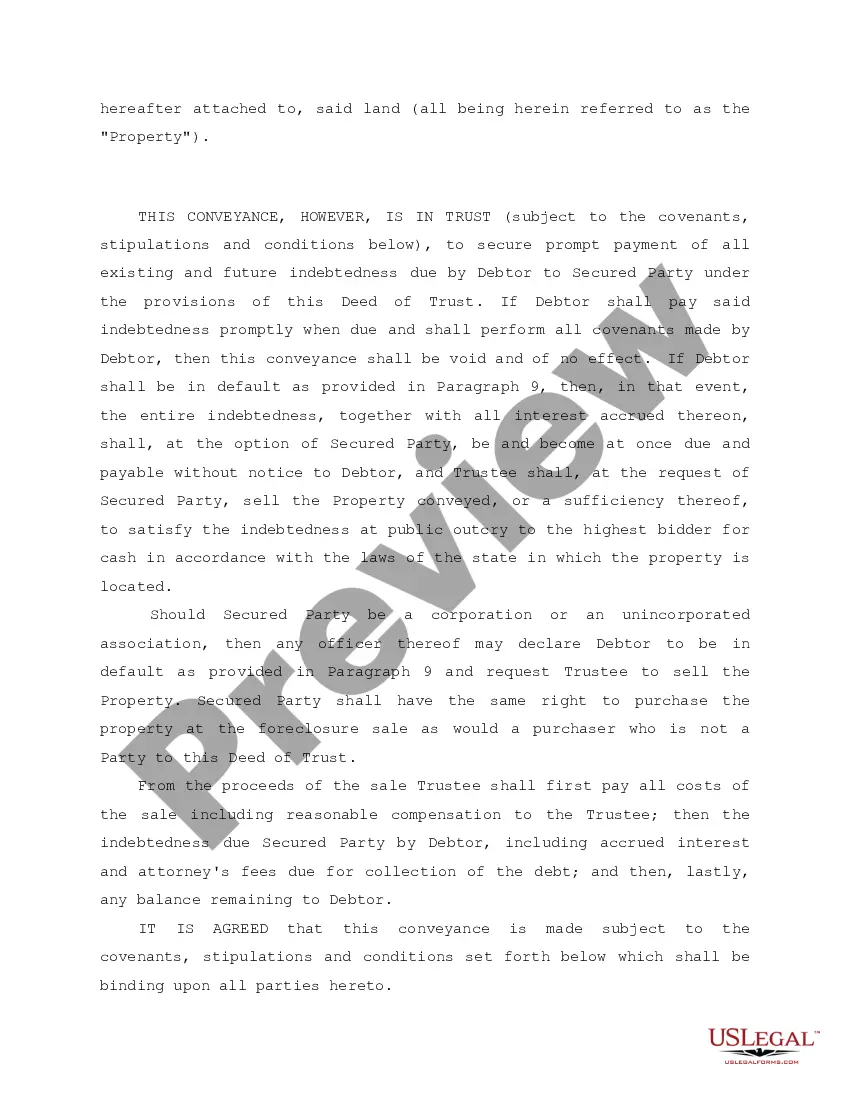
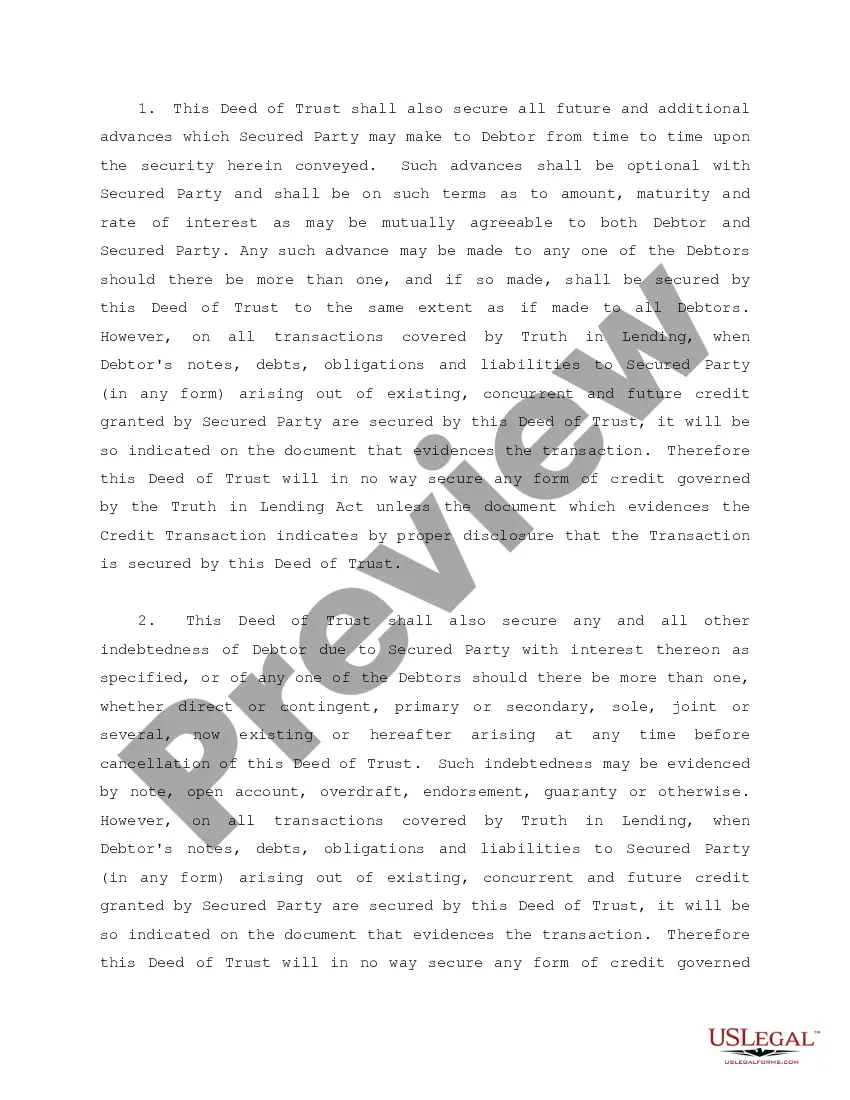
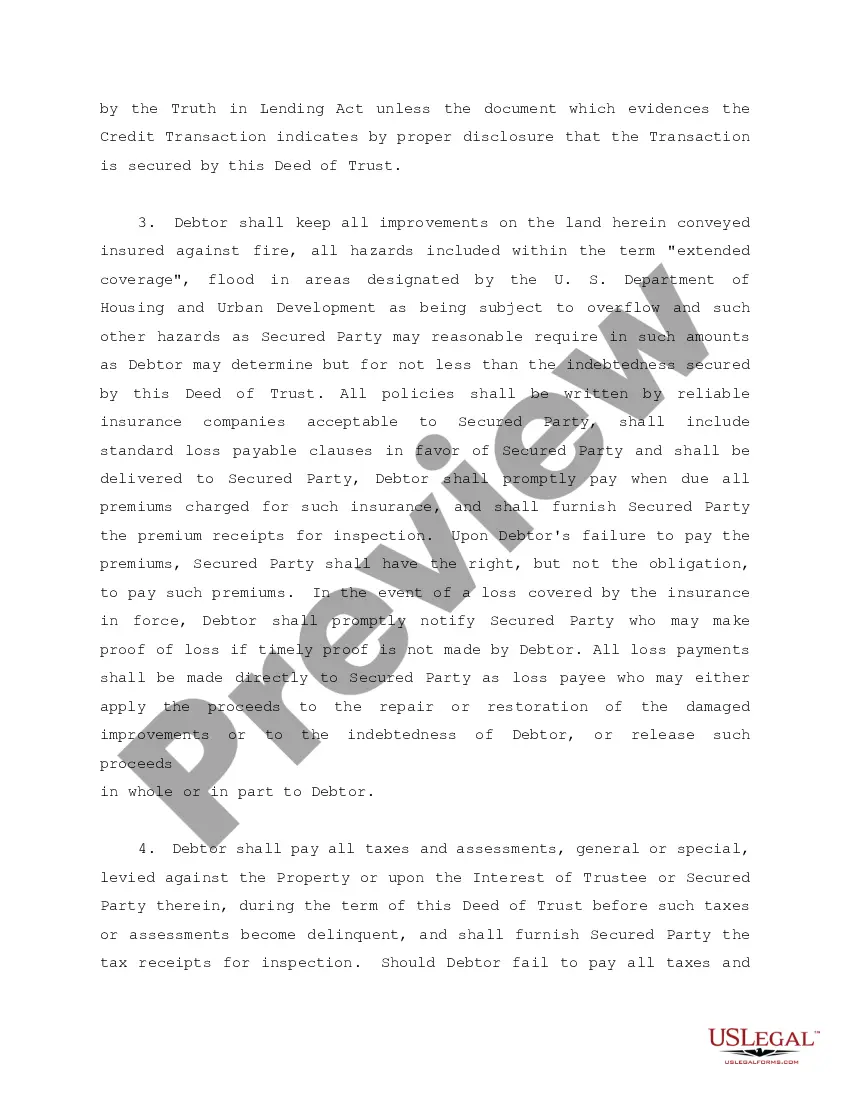
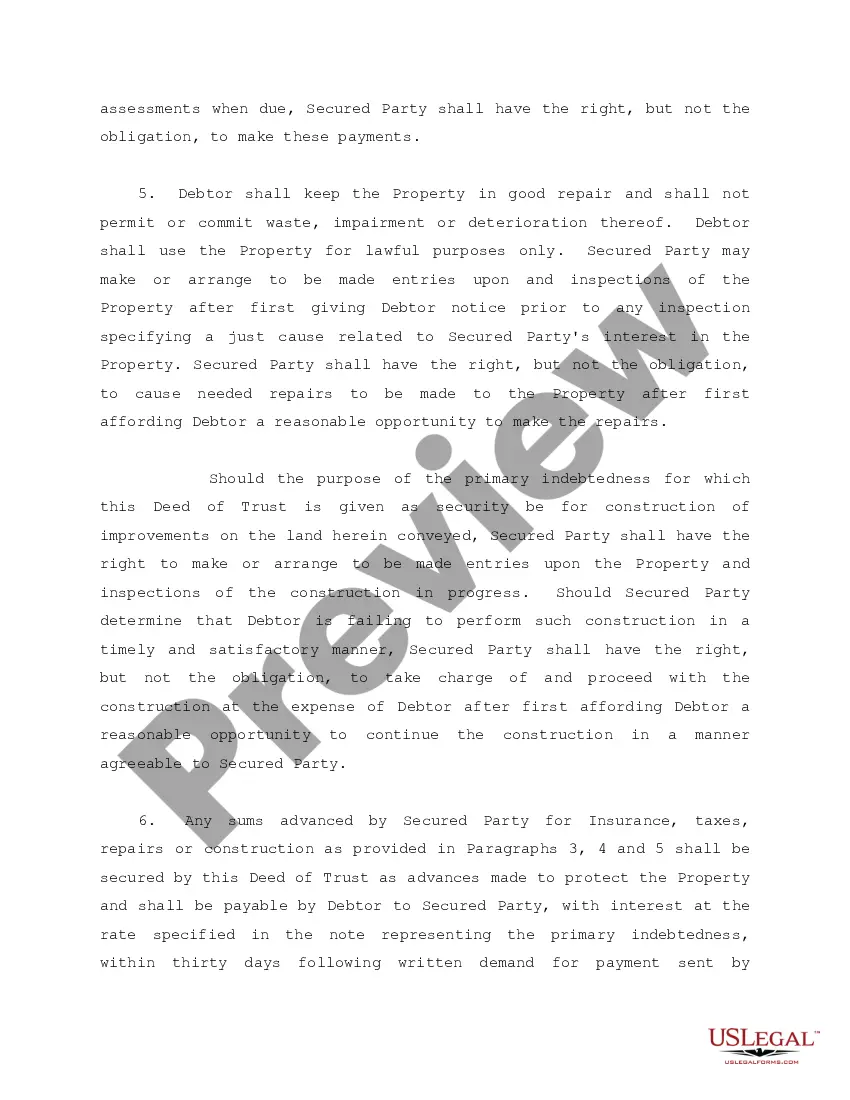
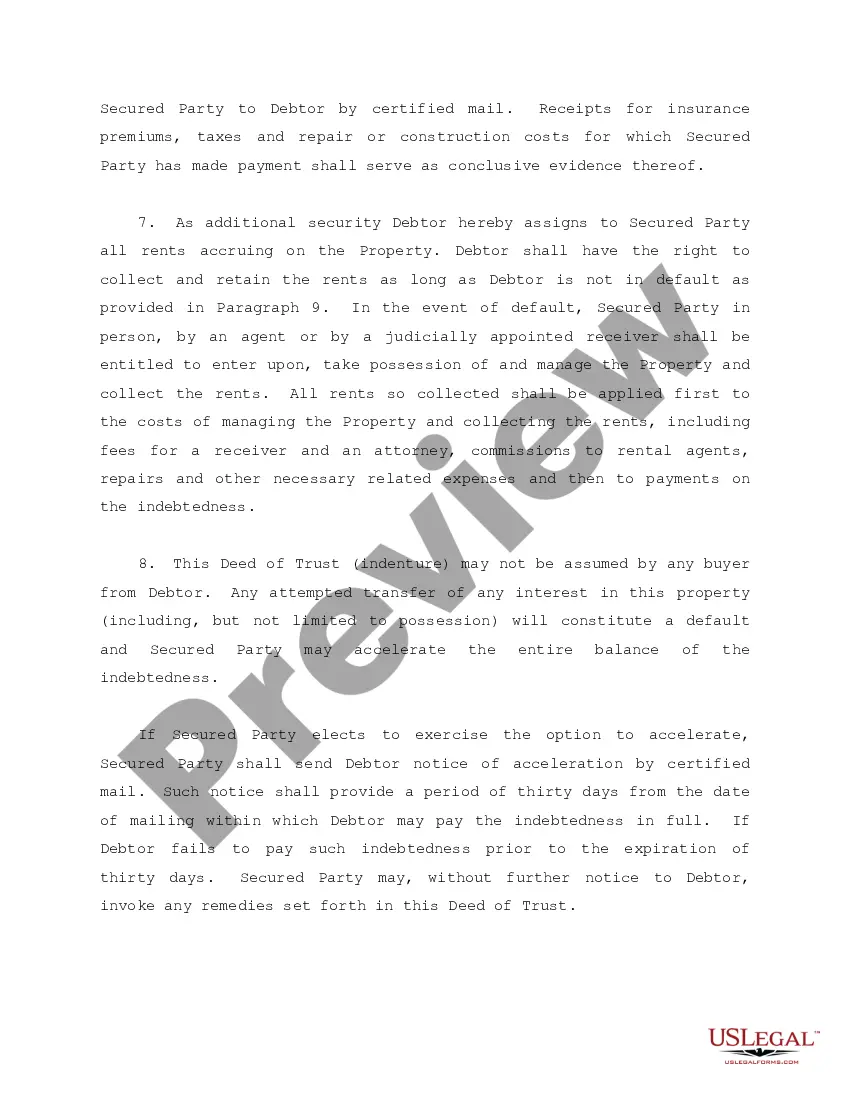
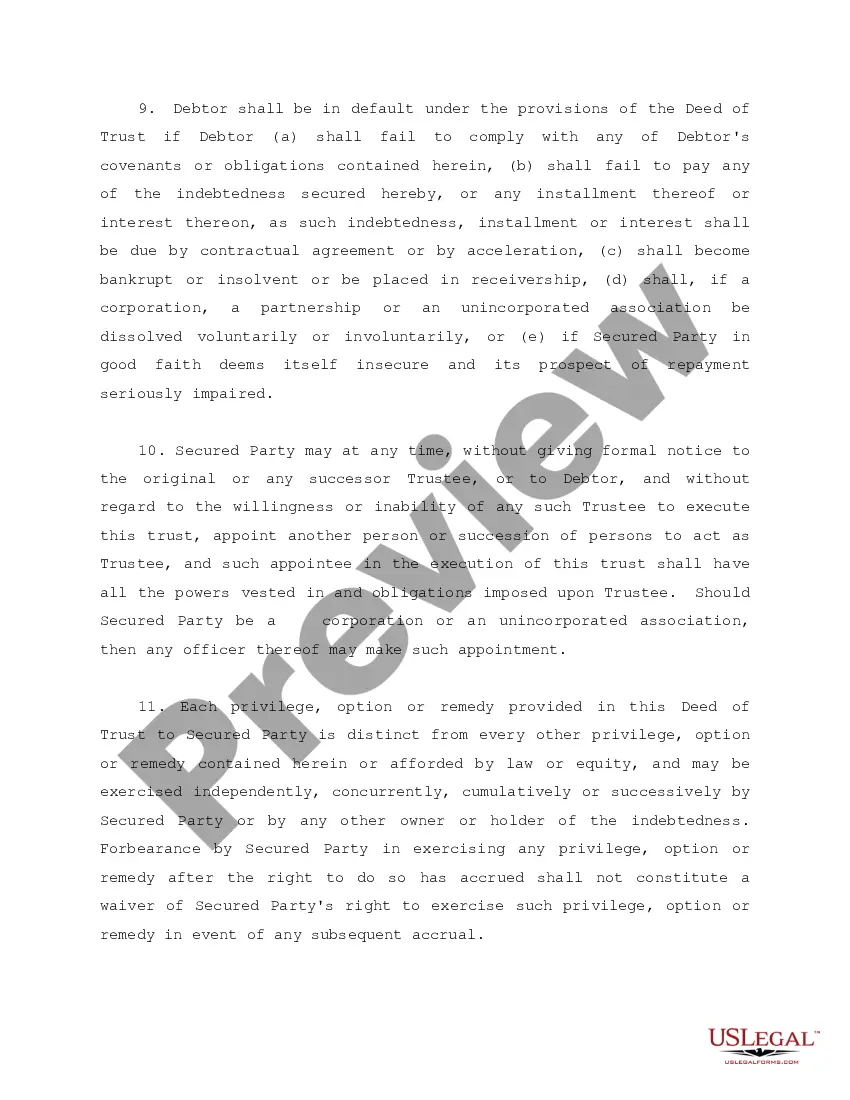
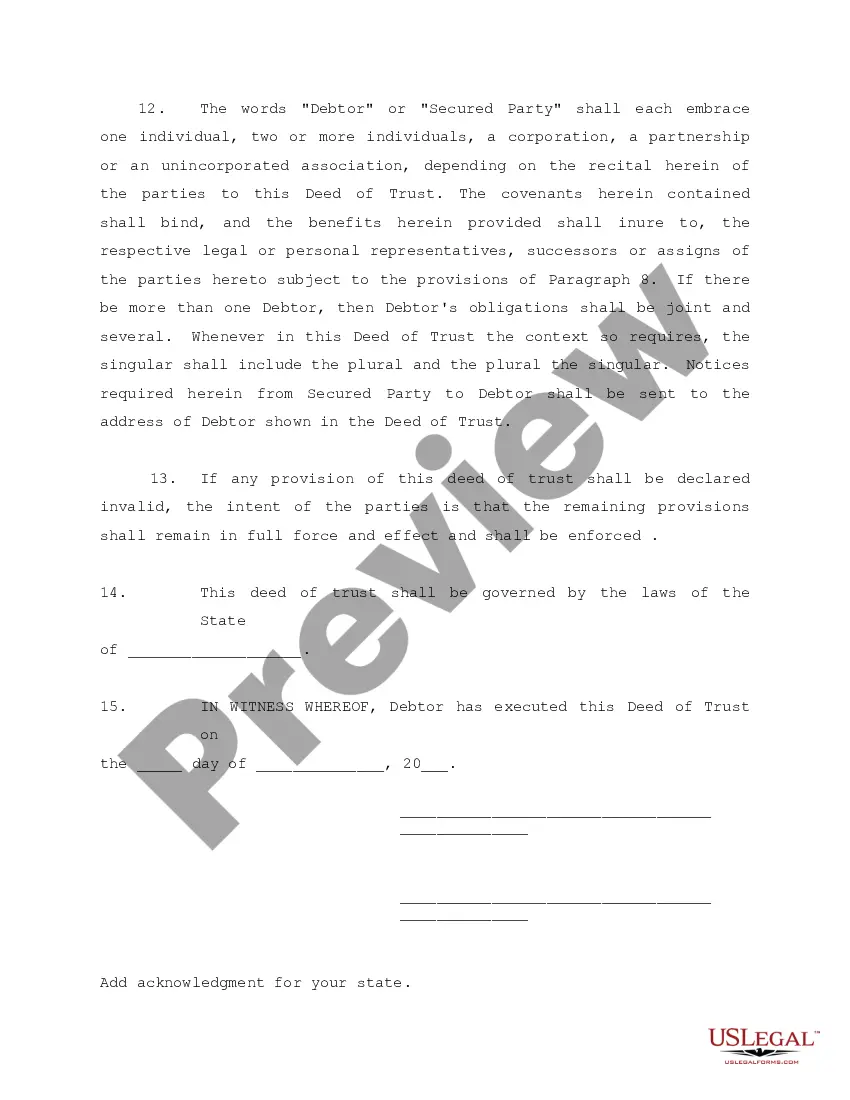
Secure Debt Shall Foreclose In Santa Clara
Description



Get your form ready online
Our built-in tools help you complete, sign, share, and store your documents in one place.
Make edits, fill in missing information, and update formatting in US Legal Forms—just like you would in MS Word.
Download a copy, print it, send it by email, or mail it via USPS—whatever works best for your next step.
Sign and collect signatures with our SignNow integration. Send to multiple recipients, set reminders, and more. Go Premium to unlock E-Sign.
If this form requires notarization, complete it online through a secure video call—no need to meet a notary in person or wait for an appointment.
We protect your documents and personal data by following strict security and privacy standards.

Make edits, fill in missing information, and update formatting in US Legal Forms—just like you would in MS Word.

Download a copy, print it, send it by email, or mail it via USPS—whatever works best for your next step.

Sign and collect signatures with our SignNow integration. Send to multiple recipients, set reminders, and more. Go Premium to unlock E-Sign.

If this form requires notarization, complete it online through a secure video call—no need to meet a notary in person or wait for an appointment.

We protect your documents and personal data by following strict security and privacy standards.
Looking for another form?

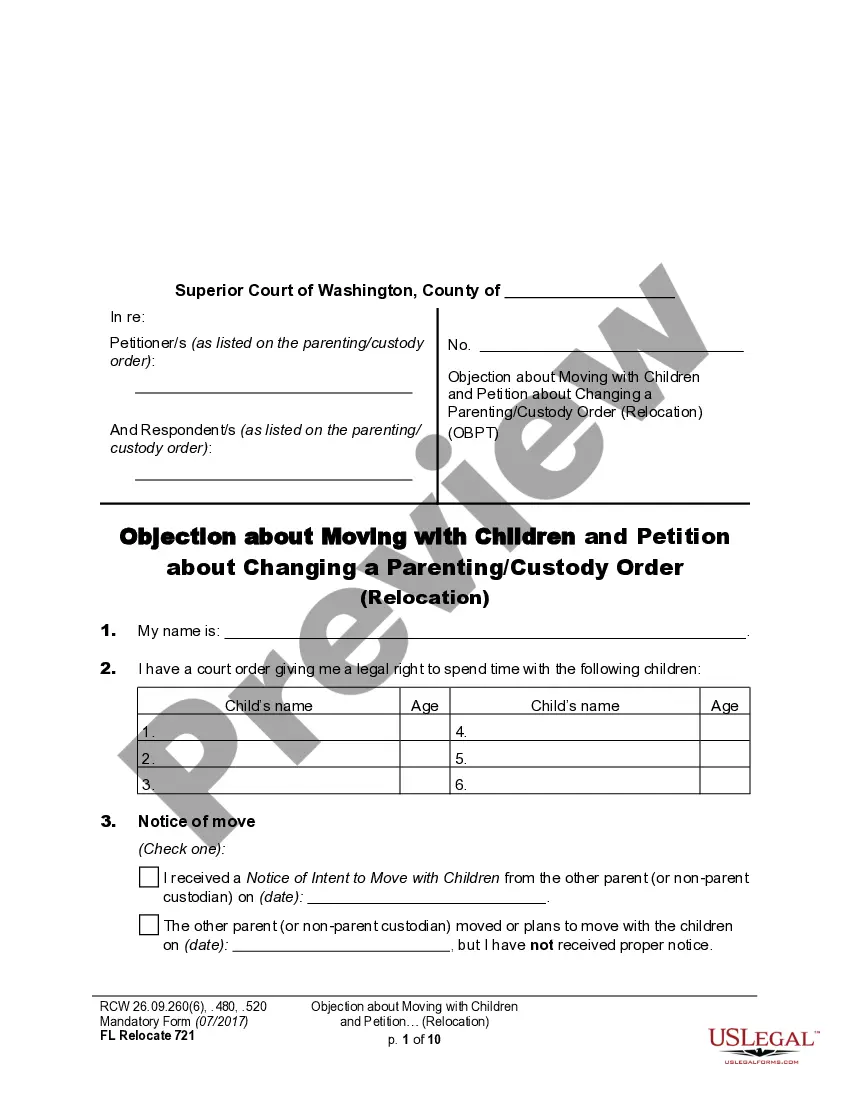
Form popularity
FAQ
Foreclosure is when a lender uses a legal process to force the sale of a property (like a home) to cover a debt. This can happen when someone takes out a mortgage to buy a home and then stops making payments (defaults on the mortgage).
California's new foreclosure laws emphasize homeowners' rights and aim to reduce the stress associated with foreclosure. Some of the most impactful changes include: Enhanced Notification: Lenders must give more straightforward notices with specific timelines, allowing titleholders to understand their options.
A judicial foreclosure is subject to a four-year statute of limitations and is subject to a post-sale redemption right unless the deficiency claim is waived. In a judicial foreclosure, a borrower can be reinstated if there was a curable default throughout the entire process.
For Residential Cases. Lender must mail you information on getting help at least 90 days before starting a court case. Lender asks court for a judgment on default and to appoint a Referee to decide the amount you owe and write a report. Lender asks court to accept the Referee's findings. Judge orders sale of your home.
It takes at least 6 to 8 months for a fore- closure lawsuit to go from summons and complaint to auction — even if you ignore the court case. In reality, however, the process is taking much longer. If you file an Answer and appear at the mandatory settlement conference, it is taking lenders 1 to 3 years to foreclose.
A reinstatement is the simplest solution for a foreclosure, however it is often the most difficult.
There are two answers, each equally true: California statutes tell us the minimum time for an unpaid lender to foreclose: about 4 months, from start to sale. In practice, it's far longer. Since the mortgage meltdown in 2008, lenders very seldom move a foreclosure as fast as the law allows.
