Security Debt Shall Forgiveness In Sacramento
Description

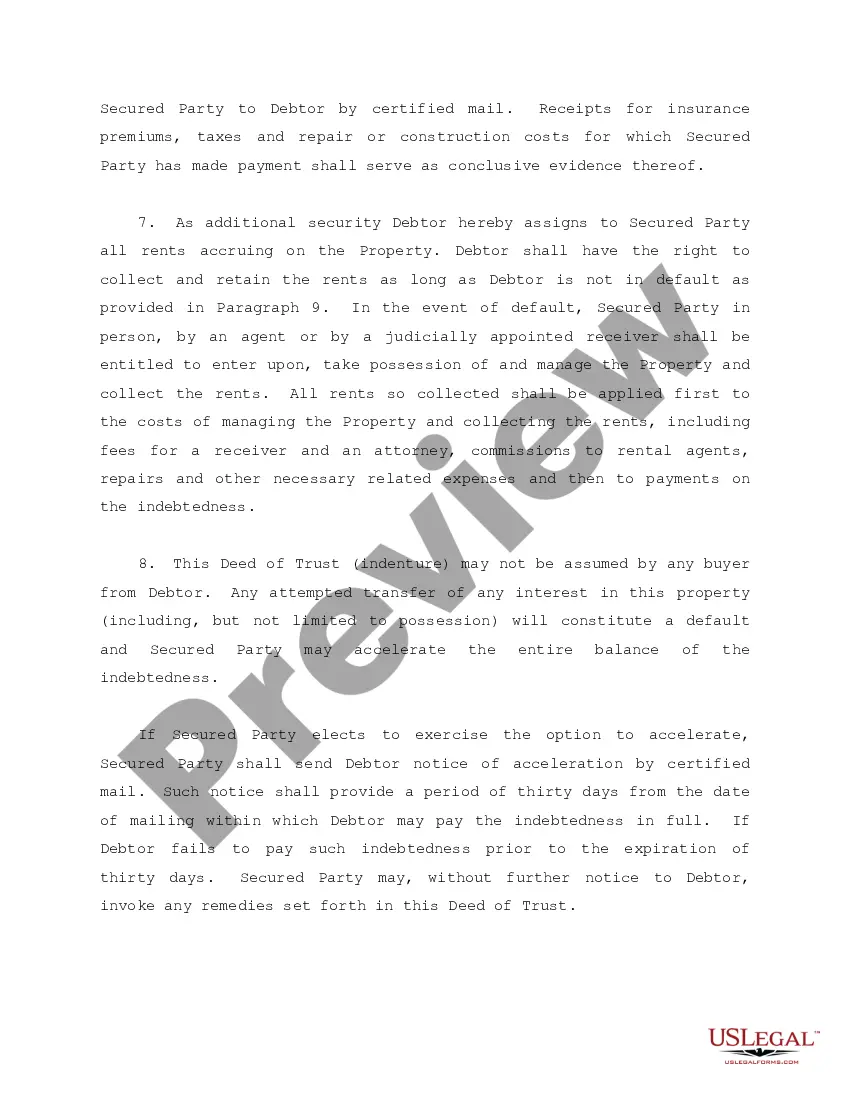
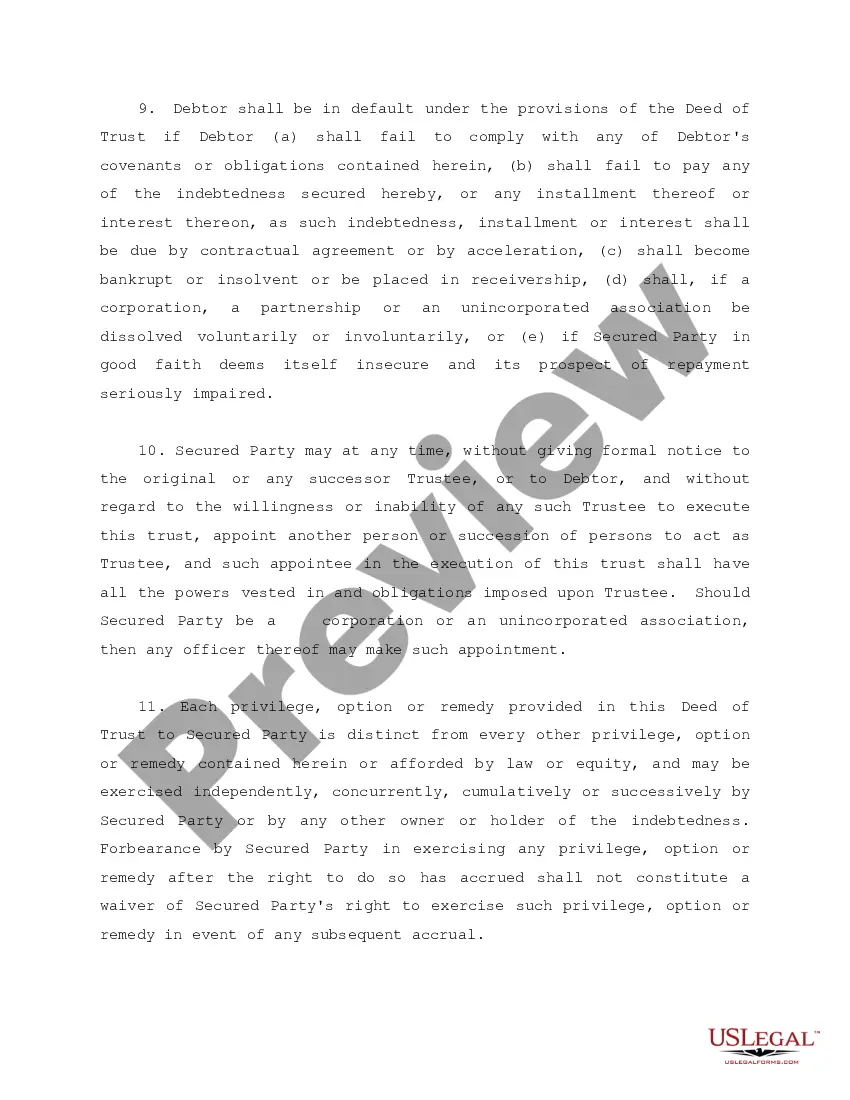
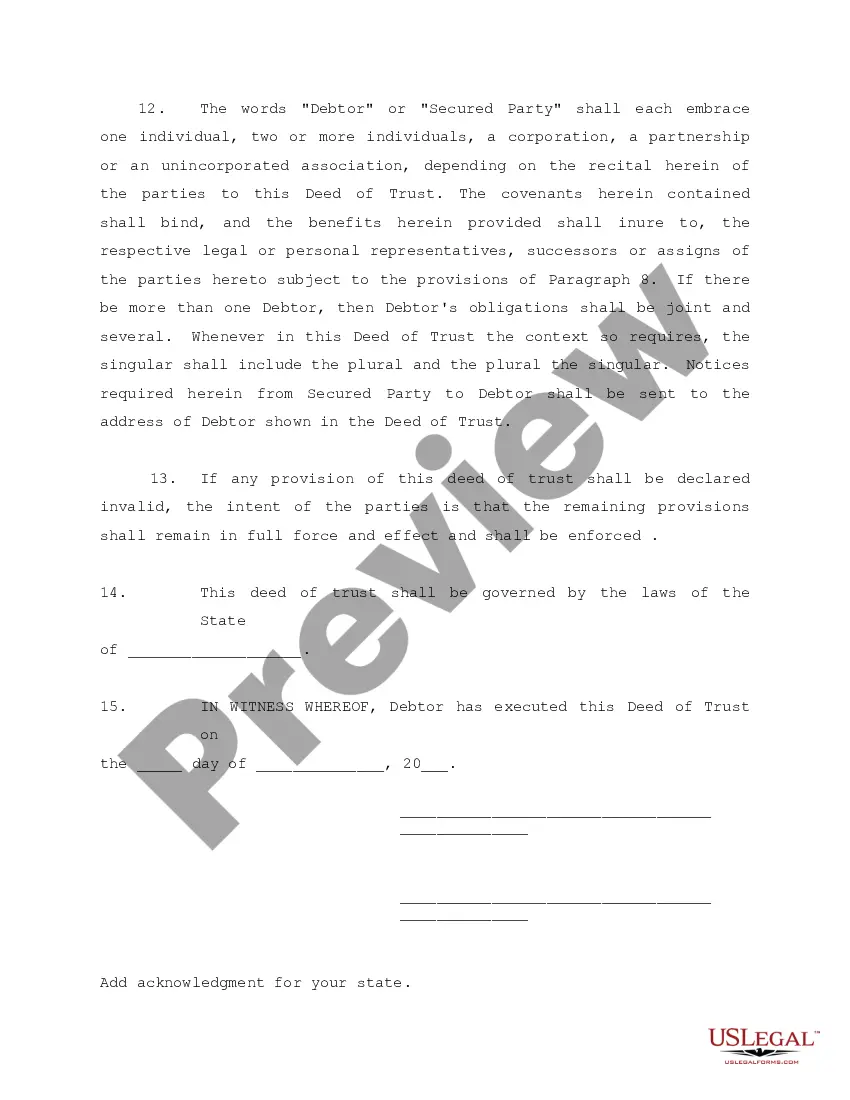
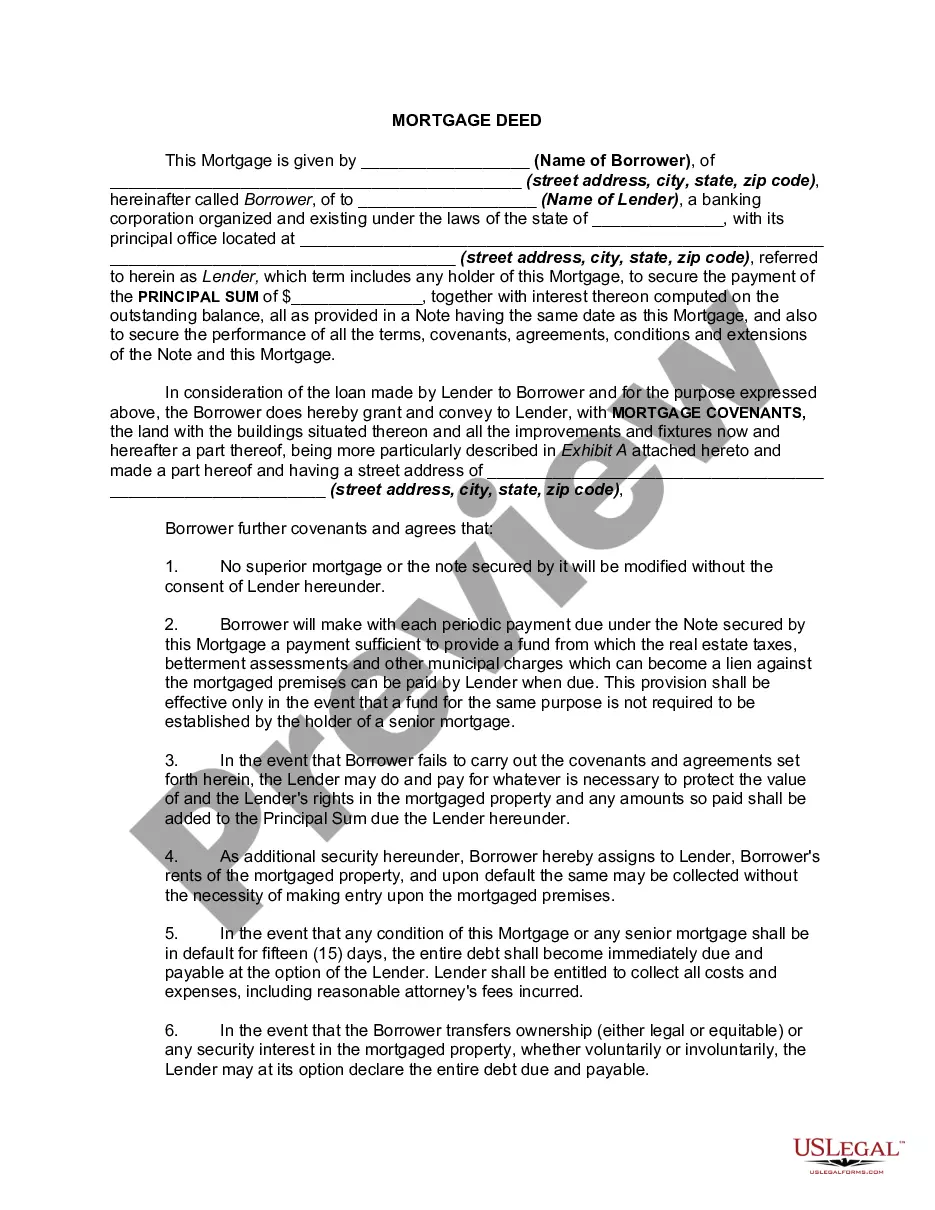

Get your form ready online
Our built-in tools help you complete, sign, share, and store your documents in one place.
Make edits, fill in missing information, and update formatting in US Legal Forms—just like you would in MS Word.
Download a copy, print it, send it by email, or mail it via USPS—whatever works best for your next step.
Sign and collect signatures with our SignNow integration. Send to multiple recipients, set reminders, and more. Go Premium to unlock E-Sign.
If this form requires notarization, complete it online through a secure video call—no need to meet a notary in person or wait for an appointment.
We protect your documents and personal data by following strict security and privacy standards.

Make edits, fill in missing information, and update formatting in US Legal Forms—just like you would in MS Word.

Download a copy, print it, send it by email, or mail it via USPS—whatever works best for your next step.

Sign and collect signatures with our SignNow integration. Send to multiple recipients, set reminders, and more. Go Premium to unlock E-Sign.

If this form requires notarization, complete it online through a secure video call—no need to meet a notary in person or wait for an appointment.

We protect your documents and personal data by following strict security and privacy standards.
Looking for another form?



Form popularity
FAQ
California debt relief is a real thing. It's available through a number of different California Debt Relief programs, including the state's Debt Relief Program and Mortgage Assistance Program. You can also get help from private debt relief companies.
When it comes to credit card debt relief, it's important to dispel a common misconception: There are no government-sponsored programs specifically designed to eliminate credit card debt. So, you should be wary of any offers claiming to represent such government initiatives, as they may be misleading or fraudulent.
The short answer is yes, credit card debt forgiveness can negatively affect your credit score. However, the impact depends on various factors, including your current credit score and the specifics of your debt settlement agreement.
Debt forgiveness involves negotiating with your credit card companies to settle your debt for a lower amount than what you actually owe. While you can attempt this on your own, many people turn to debt relief companies for assistance in navigating the process and negotiating with creditors.
The borrower can apply for debt forgiveness on compassionate grounds by writing about the financial difficulties and requesting the creditor to cancel the debt amount.
The IRS has a limited window to collect unpaid taxes — which is generally 10 years from the date the tax debt was assessed. If the IRS cannot collect the full amount within this period, the remaining balance is forgiven. This is known as the "collection statute expiration date" (CSED).
However, some general criteria for qualification include: Owing less than $50,000: The program is available to taxpayers with outstanding tax debts of $50,000 or less. If your debt exceeds this threshold, you may still qualify by paying down your balance to meet the requirement.
Who Is Eligible for IRS Tax Debt Forgiveness? A total tax debt balance of $50,000 or below. A total income below $100,000 (or $200,000 for married couples) A recent drop in income of over 25% for self-employed individuals.
Generally speaking, IRS hardship rules require: An annual income less than $84,000 per year. Little or no funds left over after paying for basic living expenses. Basic living expenses fall within the IRS guidelines.
However, some general criteria for qualification include: Owing less than $50,000: The program is available to taxpayers with outstanding tax debts of $50,000 or less. If your debt exceeds this threshold, you may still qualify by paying down your balance to meet the requirement.
