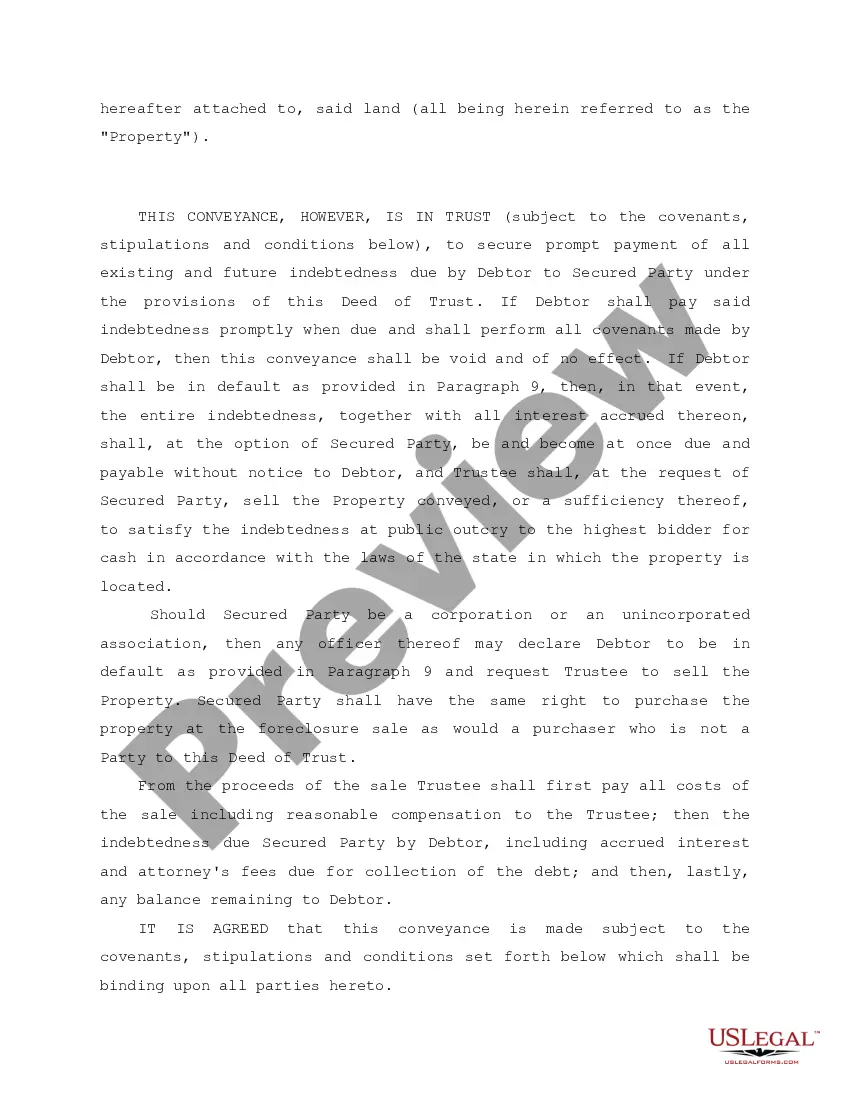
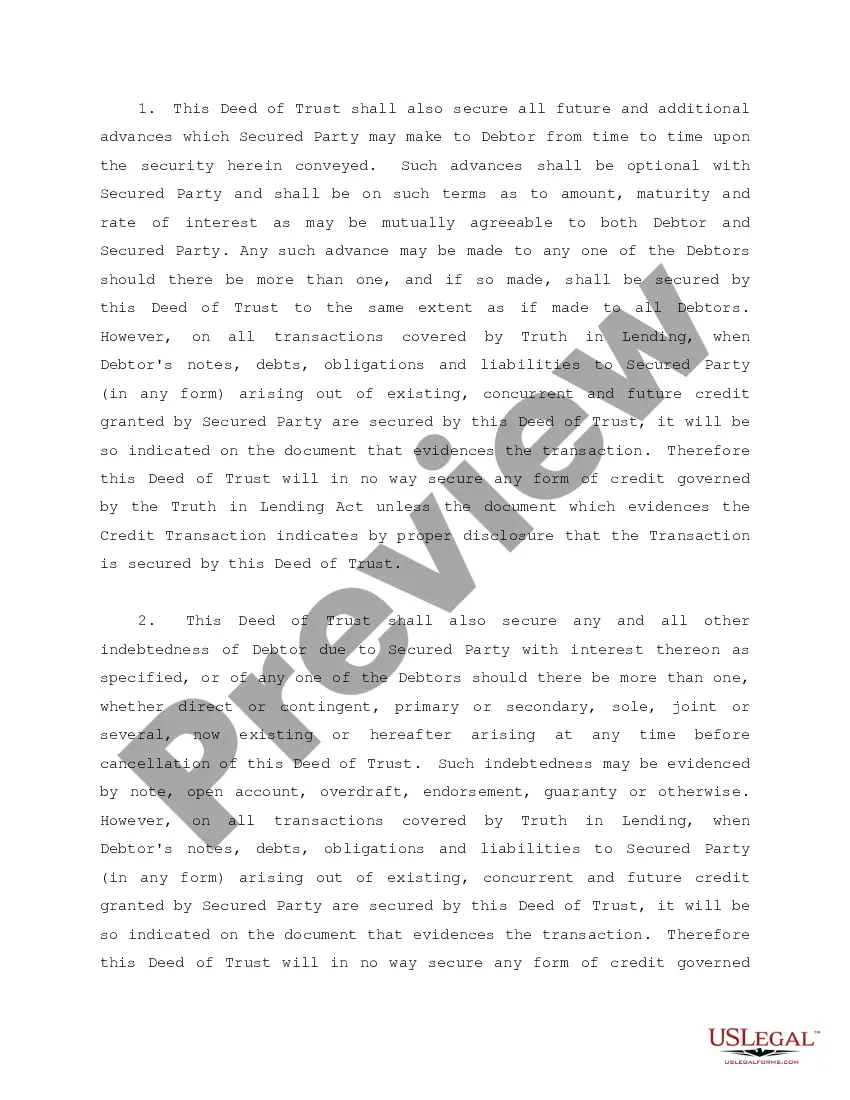
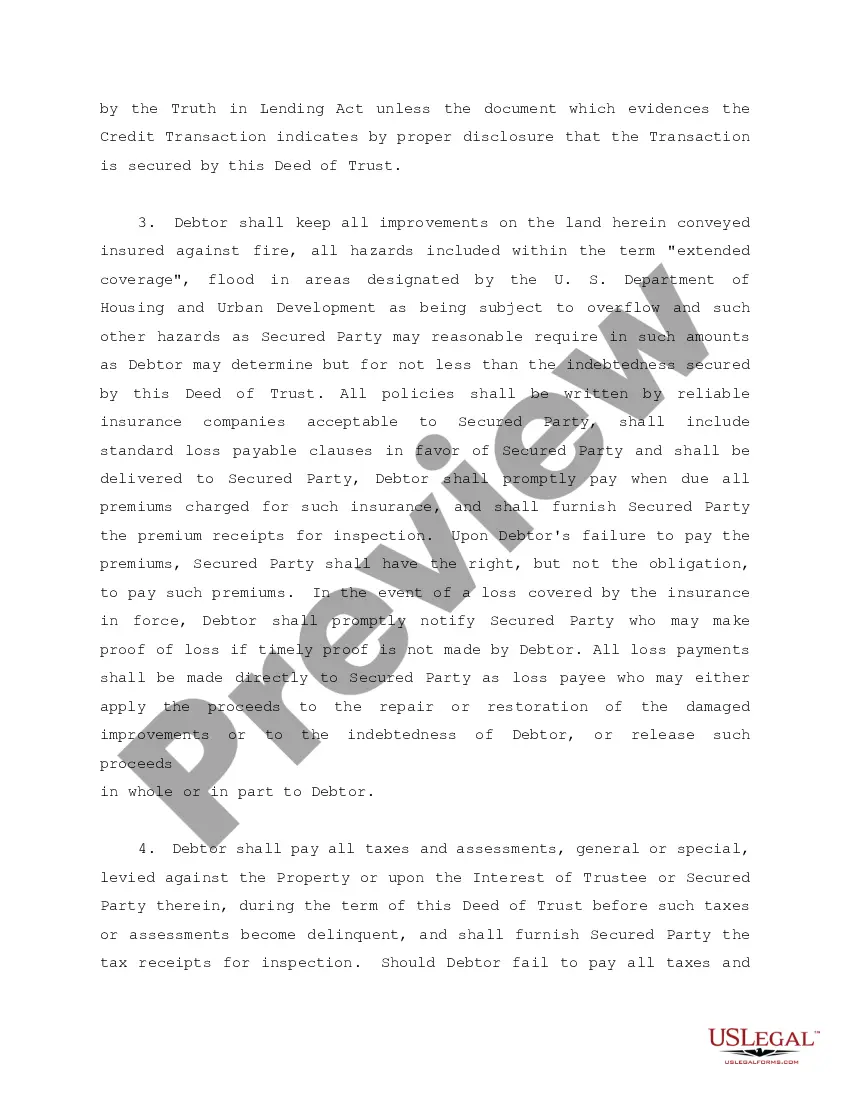
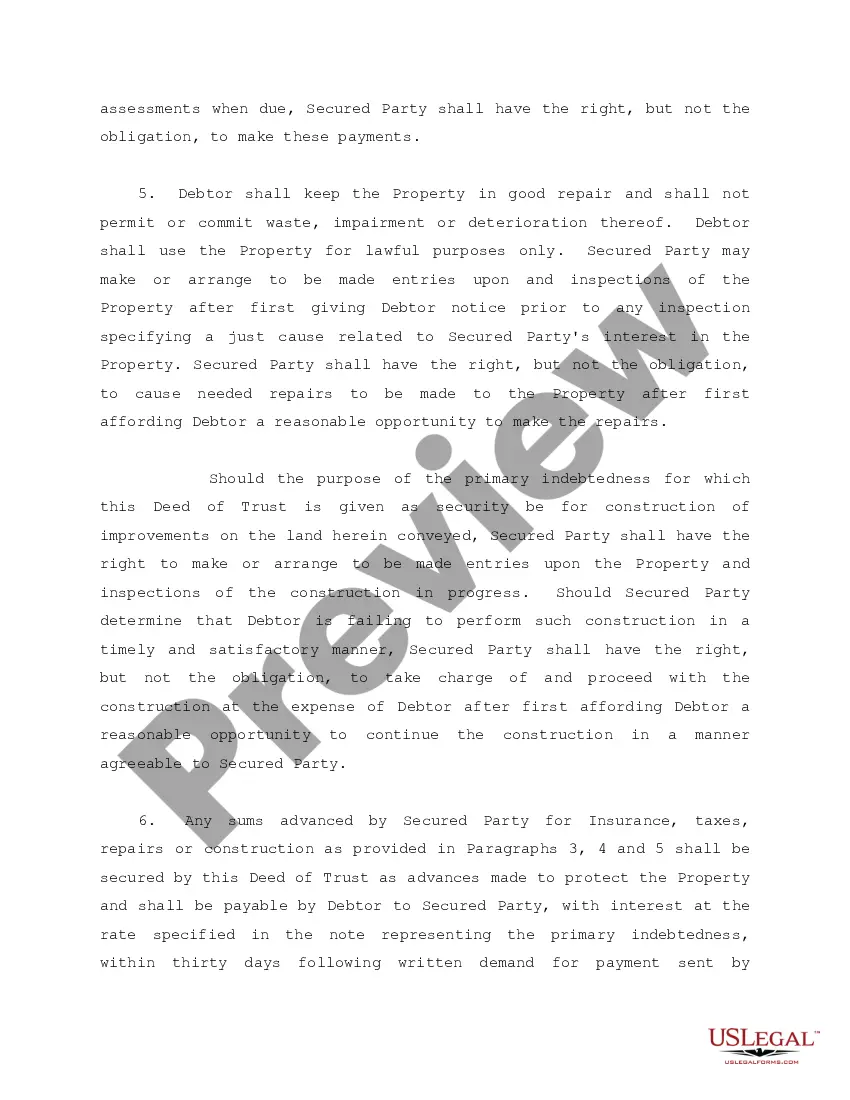
Secure Debt Shall Foreclose In Oakland
Description



Get your form ready online
Our built-in tools help you complete, sign, share, and store your documents in one place.
Make edits, fill in missing information, and update formatting in US Legal Forms—just like you would in MS Word.
Download a copy, print it, send it by email, or mail it via USPS—whatever works best for your next step.
Sign and collect signatures with our SignNow integration. Send to multiple recipients, set reminders, and more. Go Premium to unlock E-Sign.
If this form requires notarization, complete it online through a secure video call—no need to meet a notary in person or wait for an appointment.
We protect your documents and personal data by following strict security and privacy standards.

Make edits, fill in missing information, and update formatting in US Legal Forms—just like you would in MS Word.

Download a copy, print it, send it by email, or mail it via USPS—whatever works best for your next step.

Sign and collect signatures with our SignNow integration. Send to multiple recipients, set reminders, and more. Go Premium to unlock E-Sign.

If this form requires notarization, complete it online through a secure video call—no need to meet a notary in person or wait for an appointment.

We protect your documents and personal data by following strict security and privacy standards.
Looking for another form?

Form popularity
FAQ
Foreclosures can stay on your credit reports for up to seven years.
Another way to surrender your home is through a consent foreclosure. A consent foreclosure allows the homeowner to consent to a judgment of foreclosure being entered against him. In exchange for consenting to judgment, the creditor cannot begin deficiency judgment proceedings against the debtor.
If they want to start foreclosure, they'll need to follow the steps and timeline below. Lender contacts you to do a foreclosure avoidance assessment. 30 days after contact, lender can record a Notice of Default. 90 days later, lender can record a Notice of Sale. 21 days later, the property can be sold. After the foreclosure.
It benefits both the lender and the borrower. To initiate the process, the borrower will submit a loss mitigation application to their mortgage provider. If all goes well, the borrower will be relieved of their debts on the property, though this is not always the case. Sometimes, there will be a deficiency judgment.
When Can a California Foreclosure Start? Under federal law, the servicer usually can't officially begin a foreclosure until you're more than 120 days past due on payments, subject to a few exceptions. (12 C.F.R. § 1024.41 (2024).)
In general, a lender begins foreclosure after you miss four consecutive mortgage payments. However, procedures vary by state and jurisdiction, so it can take longer.
Foreclosure is a legal process that forces the sale of a home to cover a debt. Foreclosure is when a lender uses a legal process to force the sale of a property (like a home) to cover a debt. This can happen when someone takes out a mortgage to buy a home and then stops making payments (defaults on the mortgage).
Foreclosure is when a lender uses a legal process to force the sale of a property (like a home) to cover a debt. This can happen when someone takes out a mortgage to buy a home and then stops making payments (defaults on the mortgage).
California's new foreclosure laws emphasize homeowners' rights and aim to reduce the stress associated with foreclosure. Some of the most impactful changes include: Enhanced Notification: Lenders must give more straightforward notices with specific timelines, allowing titleholders to understand their options.
