Secure Debt Any Format In North Carolina
Description

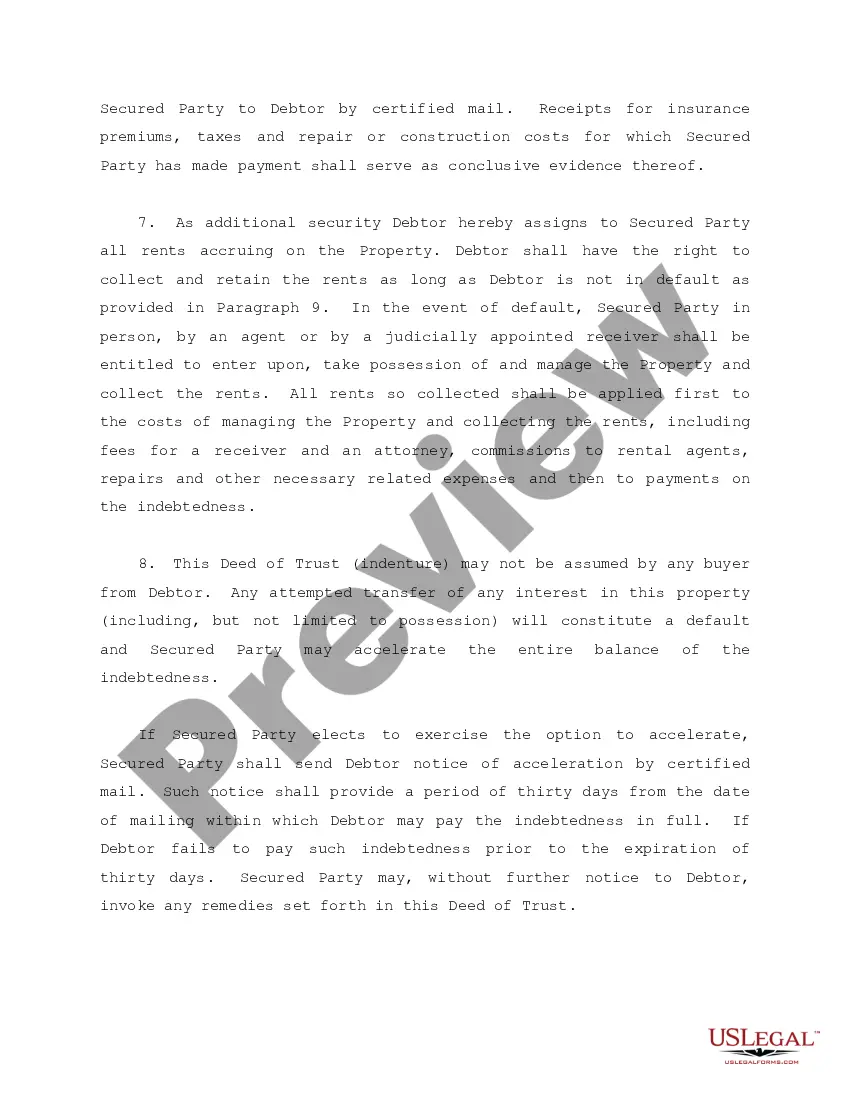
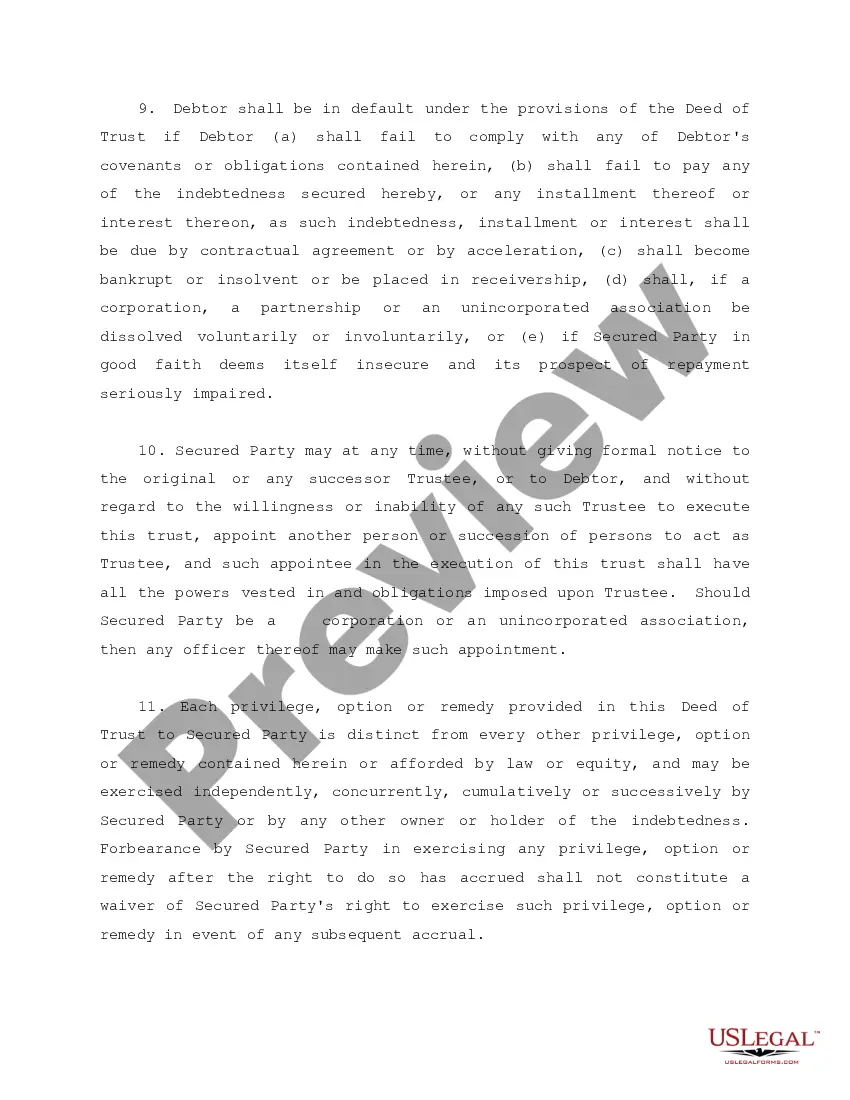
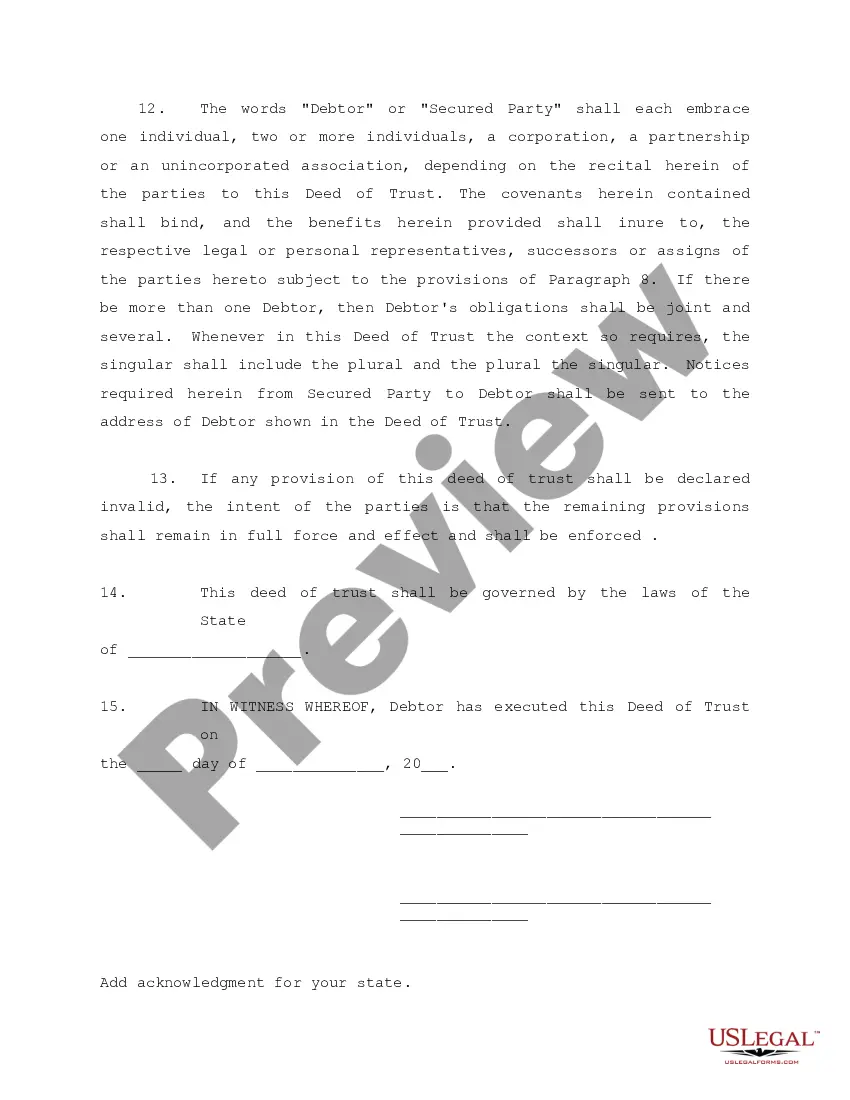
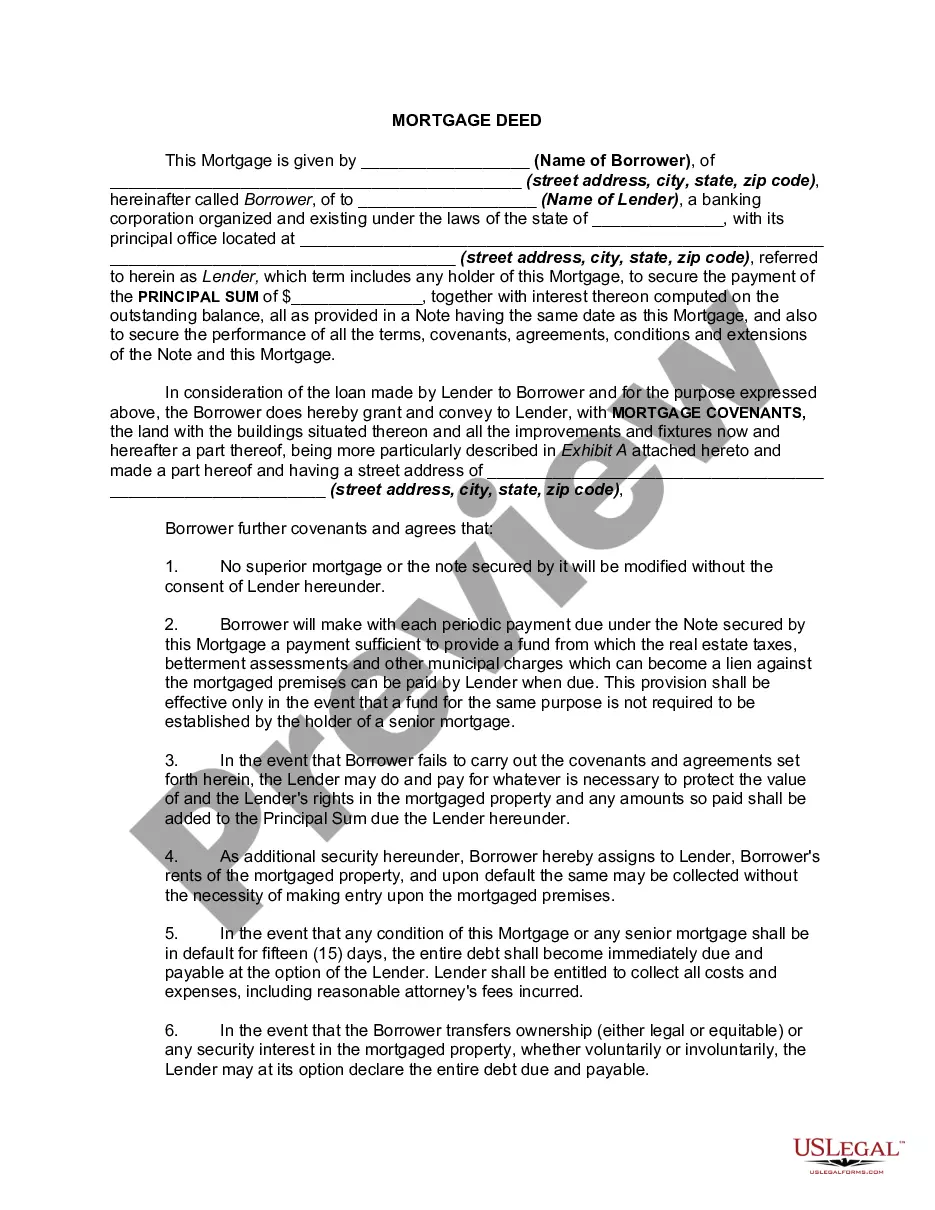

Get your form ready online
Our built-in tools help you complete, sign, share, and store your documents in one place.
Make edits, fill in missing information, and update formatting in US Legal Forms—just like you would in MS Word.
Download a copy, print it, send it by email, or mail it via USPS—whatever works best for your next step.
Sign and collect signatures with our SignNow integration. Send to multiple recipients, set reminders, and more. Go Premium to unlock E-Sign.
If this form requires notarization, complete it online through a secure video call—no need to meet a notary in person or wait for an appointment.
We protect your documents and personal data by following strict security and privacy standards.

Make edits, fill in missing information, and update formatting in US Legal Forms—just like you would in MS Word.

Download a copy, print it, send it by email, or mail it via USPS—whatever works best for your next step.

Sign and collect signatures with our SignNow integration. Send to multiple recipients, set reminders, and more. Go Premium to unlock E-Sign.

If this form requires notarization, complete it online through a secure video call—no need to meet a notary in person or wait for an appointment.

We protect your documents and personal data by following strict security and privacy standards.
Looking for another form?

Form popularity
FAQ
Debt collectors are allowed to contact you: In person, by mail, by telephone and by fax about the bills you owe. At home, between the hours of 8 a.m. and 9 p.m. At work. It is legal for debt collectors to contact you on the job unless they have a telephone number to reach you during non-working hours.
Most states or jurisdictions have statutes of limitations between three and six years for debts, but some may be longer. This may also vary depending, for instance, on the: Type of debt. State where you live.
In North Carolina, the statute of limitations for debt is three years from the last activity on your account. That is how much time a debt collector has to file a lawsuit to recover the debt through the court system,. It's one of the shortest such limits in the country.
Debt Collection Statute of Limitations by State StateWritten ContractOral Contract California 4 years 2 years Colorado 3 (6 most debts; rent) (2 tortious breach) 3 years (6 short-term debt/rent ) (2 tortious breach) Connecticut 6 years 3 years Delaware 3 years 3 years47 more rows •
The statute of limitations for collecting on unsecured debt in the State of North Carolina is generally three years. The statute of limitations is longer for debt under seal – such as a promissory note (generally ten years).
When it comes to credit card debt relief, it's important to dispel a common misconception: There are no government-sponsored programs specifically designed to eliminate credit card debt. So, you should be wary of any offers claiming to represent such government initiatives, as they may be misleading or fraudulent.
Debt relief plans can help make your payments more manageable, but they're not right for everyone. It's important for you to understand how each plan or program works and how debt relief can affect your finances.
