Secure Debt Any Withholding In Nevada
Description

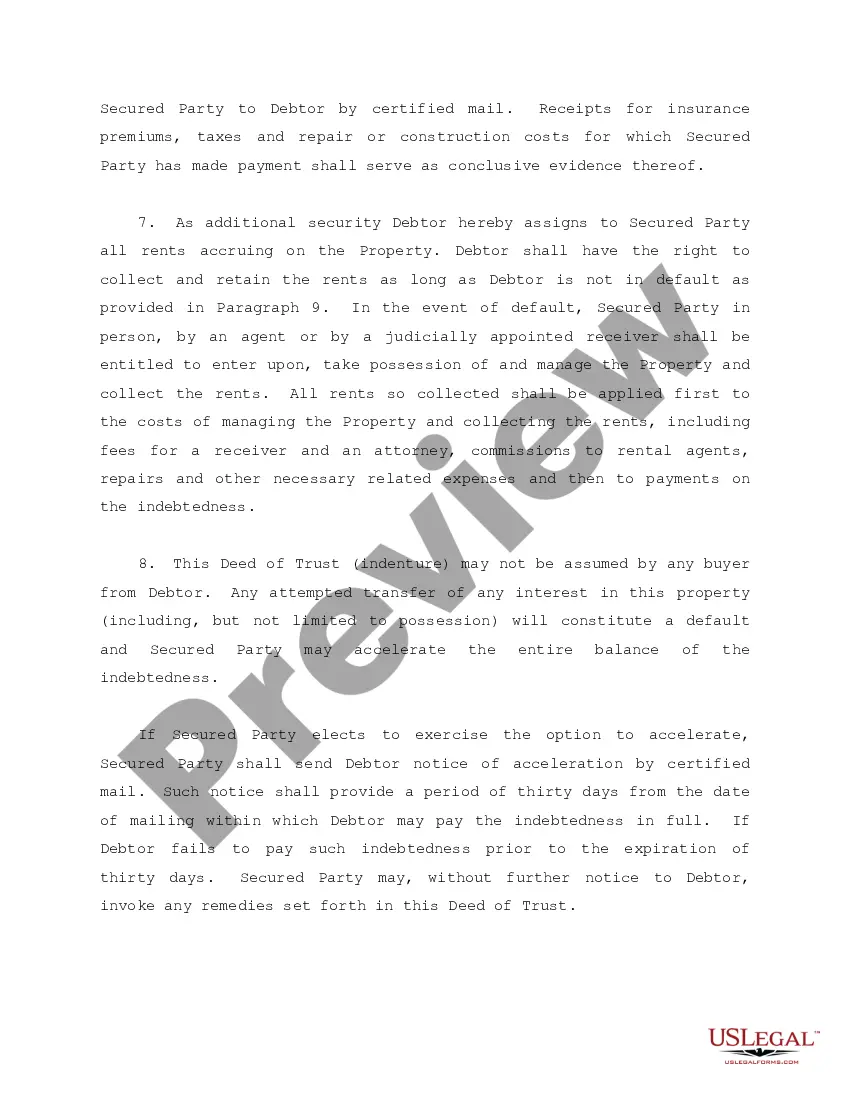
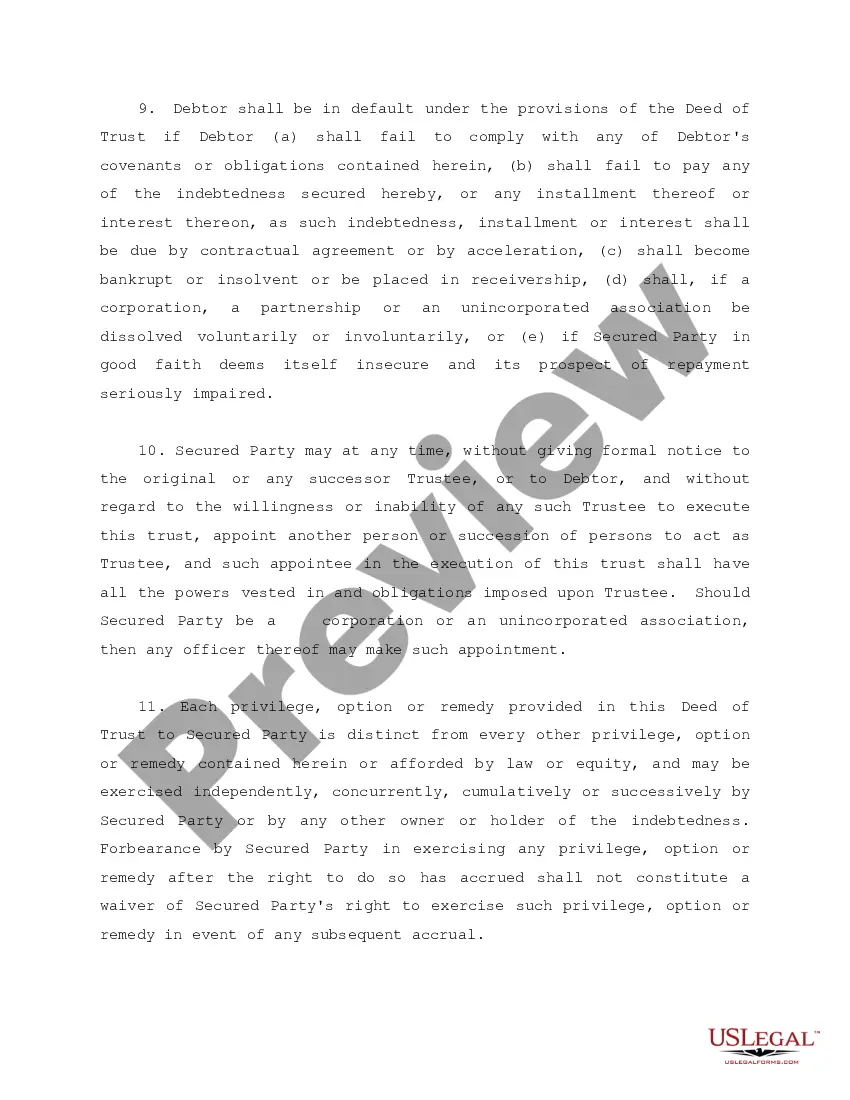
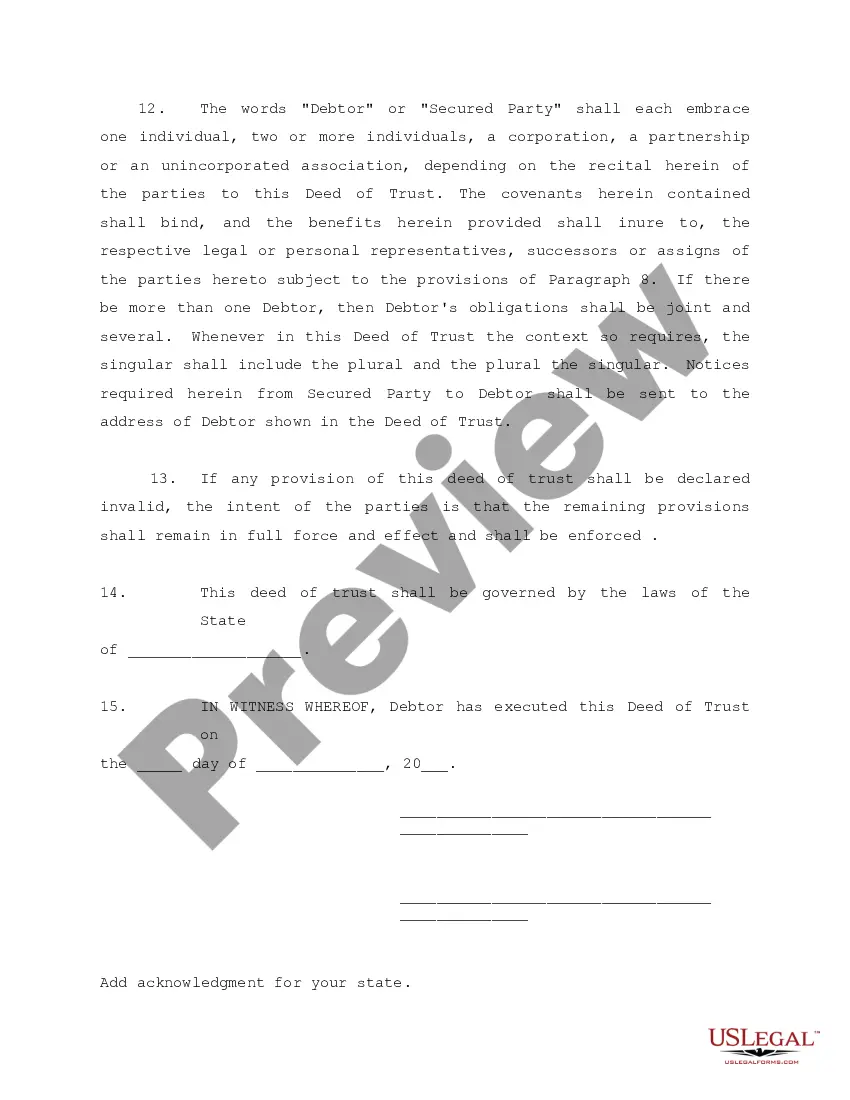
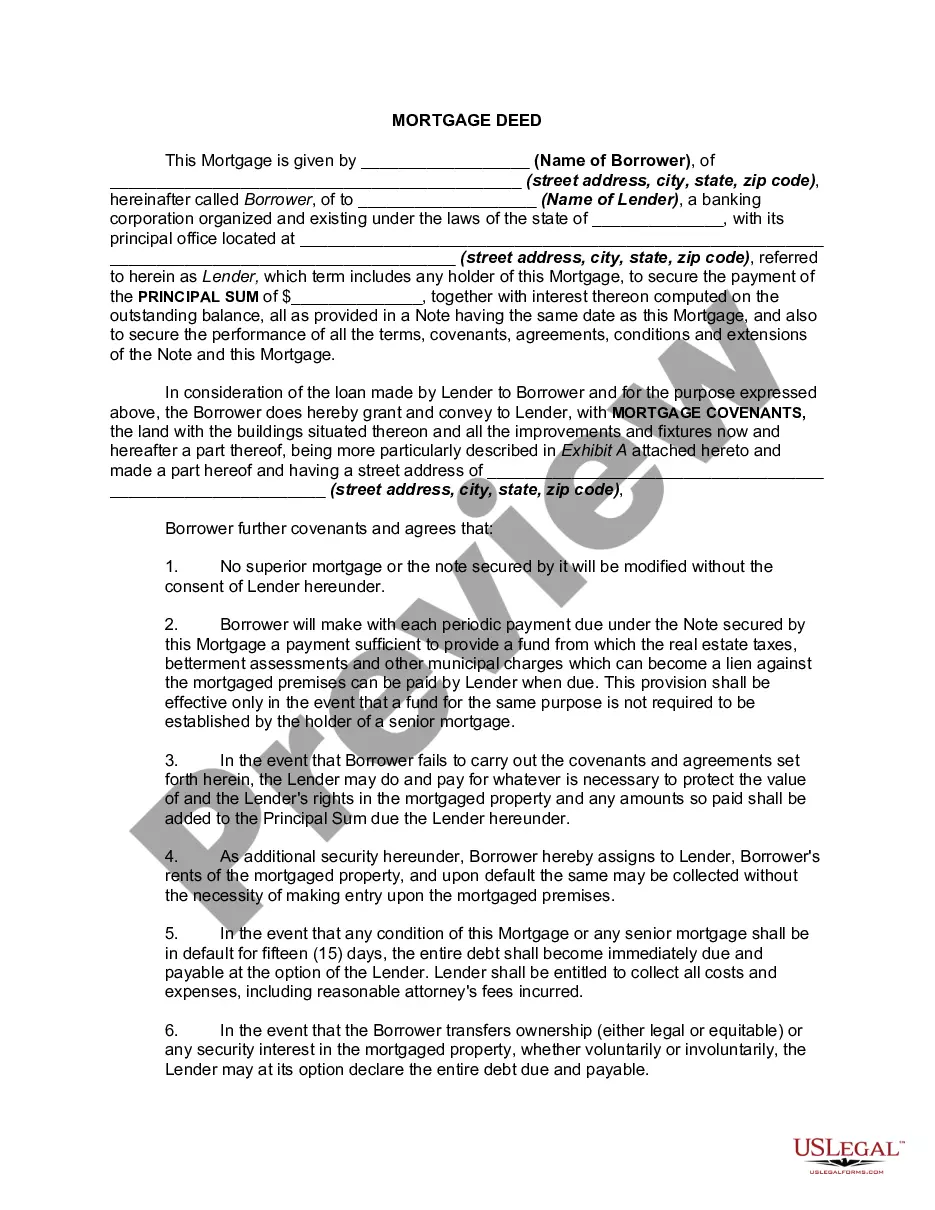

Get your form ready online
Our built-in tools help you complete, sign, share, and store your documents in one place.
Make edits, fill in missing information, and update formatting in US Legal Forms—just like you would in MS Word.
Download a copy, print it, send it by email, or mail it via USPS—whatever works best for your next step.
Sign and collect signatures with our SignNow integration. Send to multiple recipients, set reminders, and more. Go Premium to unlock E-Sign.
If this form requires notarization, complete it online through a secure video call—no need to meet a notary in person or wait for an appointment.
We protect your documents and personal data by following strict security and privacy standards.

Make edits, fill in missing information, and update formatting in US Legal Forms—just like you would in MS Word.

Download a copy, print it, send it by email, or mail it via USPS—whatever works best for your next step.

Sign and collect signatures with our SignNow integration. Send to multiple recipients, set reminders, and more. Go Premium to unlock E-Sign.

If this form requires notarization, complete it online through a secure video call—no need to meet a notary in person or wait for an appointment.

We protect your documents and personal data by following strict security and privacy standards.
Looking for another form?

Form popularity
FAQ
Debt collectors cannot harass or abuse you. They cannot swear, threaten to illegally harm you or your property, threaten you with illegal actions, or falsely threaten you with actions they do not intend to take. They also cannot make repeated calls over a short period to annoy or harass you.
The Fair Debt Collections Practices Act regulates debt collection agencies, seeking to stop abusive collection practices and promote fair collection practices. Consumers are granted rights, including a legal way to dispute and validate debts.
A debt collector cannot lie or use deceptive practices to collect a debt. They cannot falsely claim to be attorneys or government representatives, misrepresent the amount you owe, falsely claim you've committed a crime or threaten legal action they cannot or do not intend to take.
The Statute of limitations for debts based on verbal agreements in Nevada is four years, compared to six years for written contracts. The statute of limitations on open-ended accounts and accounts with revolving balances, such as credit cards, is four years.
The phrase in question is: “Please cease and desist all calls and contact with me, immediately.” These 11 words, when used correctly, can provide significant protection against aggressive debt collection practices.
If you were served with a summons and complaint you may discover that a default judgment was entered against you for the first time when your wages or bank accounts are garnished. To stop the garnishment and seek to have your day in court, you can file a Motion to Vacate.
Nevada law no longer puts a general cap — called a “presumptive maximum amount” — on Nevada child support payments. Instead, there is a tiered income scale based on the number of children being supported.
The State of Nevada does not impose a state income tax on individuals or participate in the administration of Federal Income Tax. This means that if you live and work in Nevada, you do not need to file a state income tax return based on your earned income, such as wages or salaries.
The amount that can be withheld from your wages is limited by the Federal Consumer Credit Protection Act. Here are the limits: 50 percent of disposable income if an obligated parent has a second family. 60 percent if there is no second family.
Chapter 13 Eligibility Any individual, even if self-employed or operating an unincorporated business, is eligible for chapter 13 relief as long as the individual's combined total secured and unsecured debts are less than $2,750,000 as of the date of filing for bankruptcy relief.
