Secure Debt Shall Forget In Nassau
Description


Get your form ready online
Our built-in tools help you complete, sign, share, and store your documents in one place.
Make edits, fill in missing information, and update formatting in US Legal Forms—just like you would in MS Word.
Download a copy, print it, send it by email, or mail it via USPS—whatever works best for your next step.
Sign and collect signatures with our SignNow integration. Send to multiple recipients, set reminders, and more. Go Premium to unlock E-Sign.
If this form requires notarization, complete it online through a secure video call—no need to meet a notary in person or wait for an appointment.
We protect your documents and personal data by following strict security and privacy standards.

Make edits, fill in missing information, and update formatting in US Legal Forms—just like you would in MS Word.

Download a copy, print it, send it by email, or mail it via USPS—whatever works best for your next step.

Sign and collect signatures with our SignNow integration. Send to multiple recipients, set reminders, and more. Go Premium to unlock E-Sign.

If this form requires notarization, complete it online through a secure video call—no need to meet a notary in person or wait for an appointment.

We protect your documents and personal data by following strict security and privacy standards.
Looking for another form?

Form popularity
FAQ
Most states or jurisdictions have statutes of limitations between three and six years for debts, but some may be longer. This may also vary depending, for instance, on the: Type of debt. State where you live.
Which debt solutions write off debts? Bankruptcy: Writes off unsecured debts if you cannot repay them. Any assets like a house or car may be sold. Debt relief order (DRO): Writes off debts if you have a relatively low level of debt. Must also have few assets. Individual voluntary arrangement (IVA): A formal agreement.
What Is the Statute of Limitations for Debt in New York? The New York statute of limitations for consumer debt is three years. This means creditors or debt collectors have three years to try to collect on an unpaid debt or sue you for a debt. After this time limit has expired, the debt is considered time-barred.
Can creditors or debt collectors still chase me abroad? The short answer is yes, but the approach they take will likely depend on how you've dealt with the debt so far and your relationship with your creditors.
This legal time limit, which varies by state, sets a deadline for creditors to sue you for unpaid debts. In most states, the statute of limitations for collecting on credit card debt is between three and 10 years, but a few states allow for longer periods, extending up to 15 years.
Yes, a collection company can attempt to collect a debt that is over twenty year old. They don't have the right to sue you or place this debt on the bureau's.
Yes. A security interest in real estate expires (in other words, become unenforceable) seven years after expiration of the maturity of the debt.
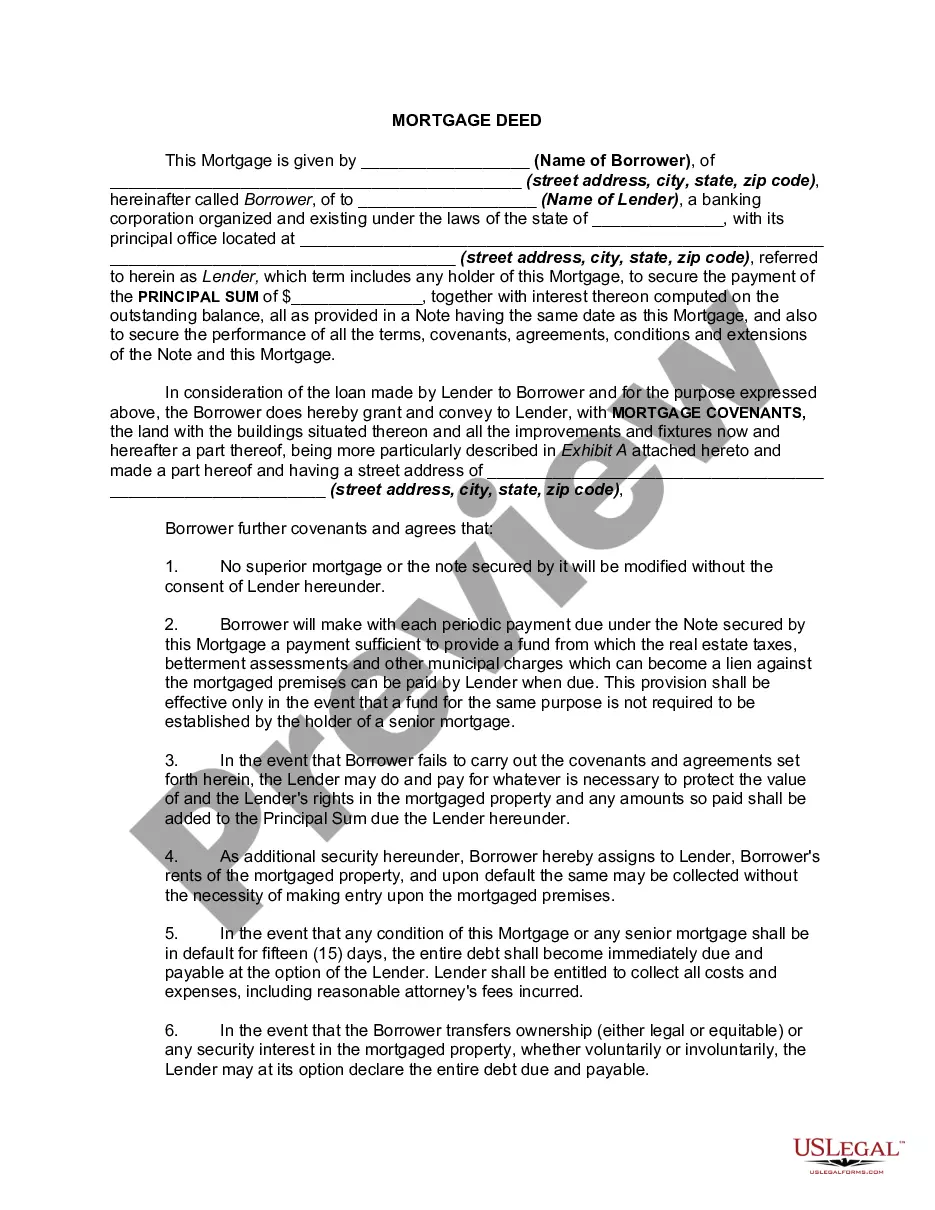
Regarding property ownership, two essential documents are the deed and mortgage. Out of these two, the deed is undoubtedly the most important one. It acts as concrete evidence of your rightful ownership of the property.
With a security deed, the borrower is protected by the trustee, who is responsible for managing the property and selling it if the borrower defaults. With a mortgage, the borrower is not protected by a trustee, and the lender has more power to foreclose on the property.
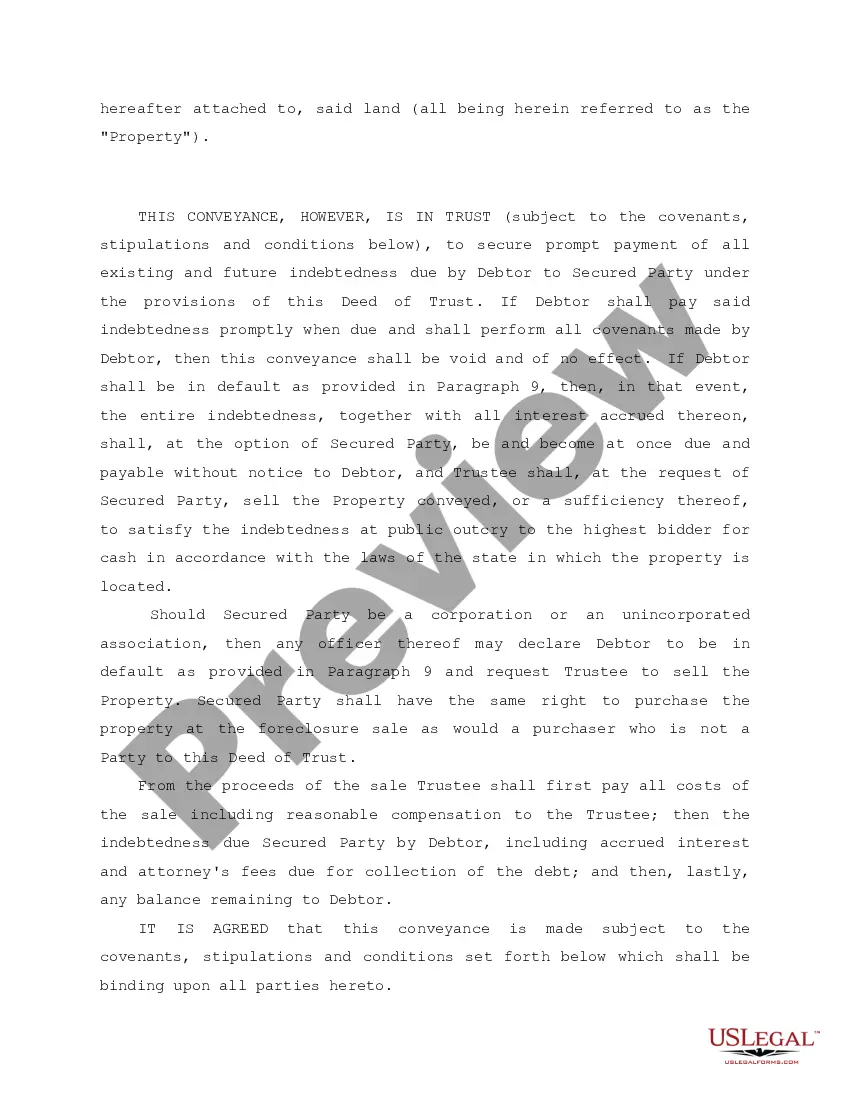
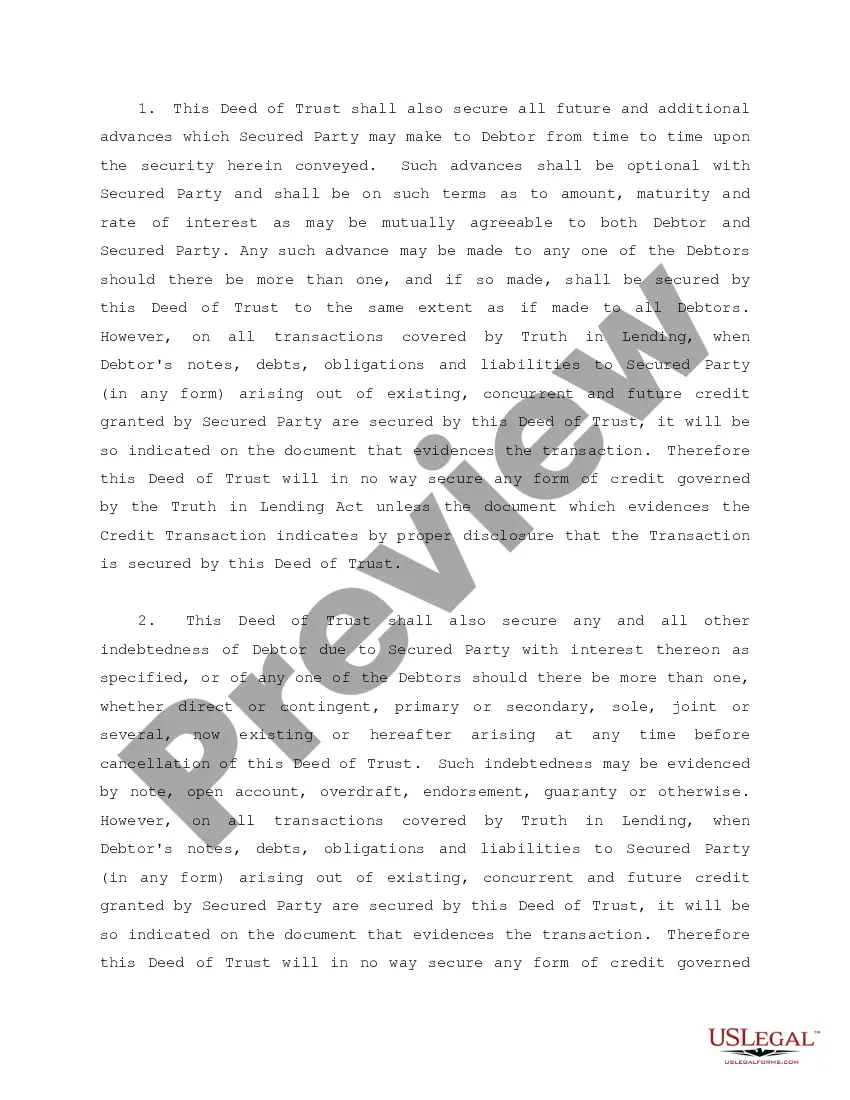
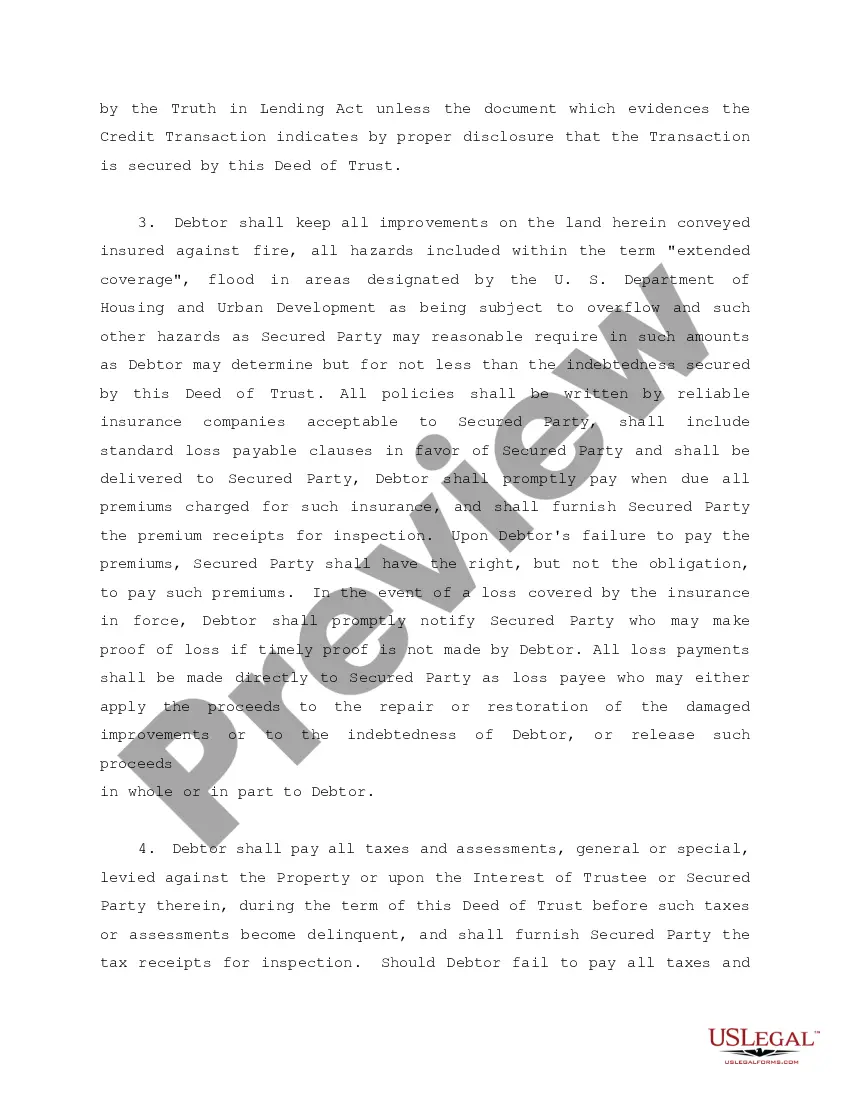
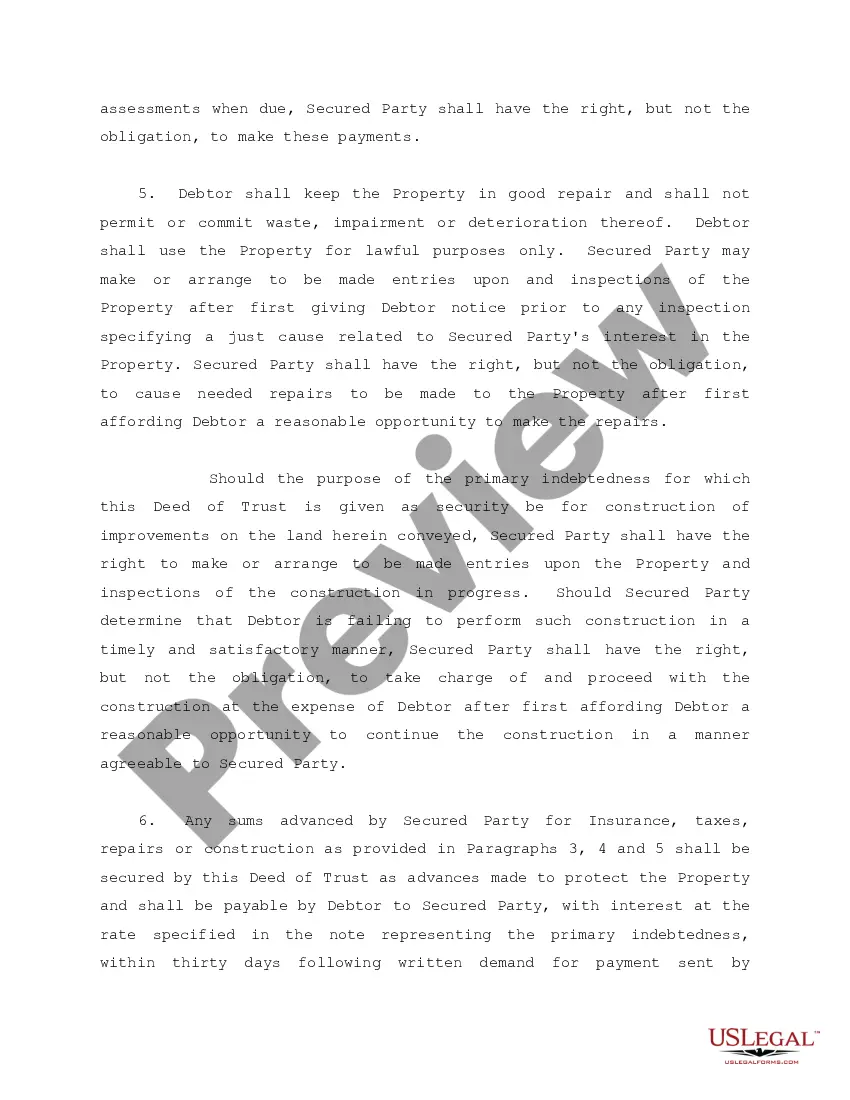
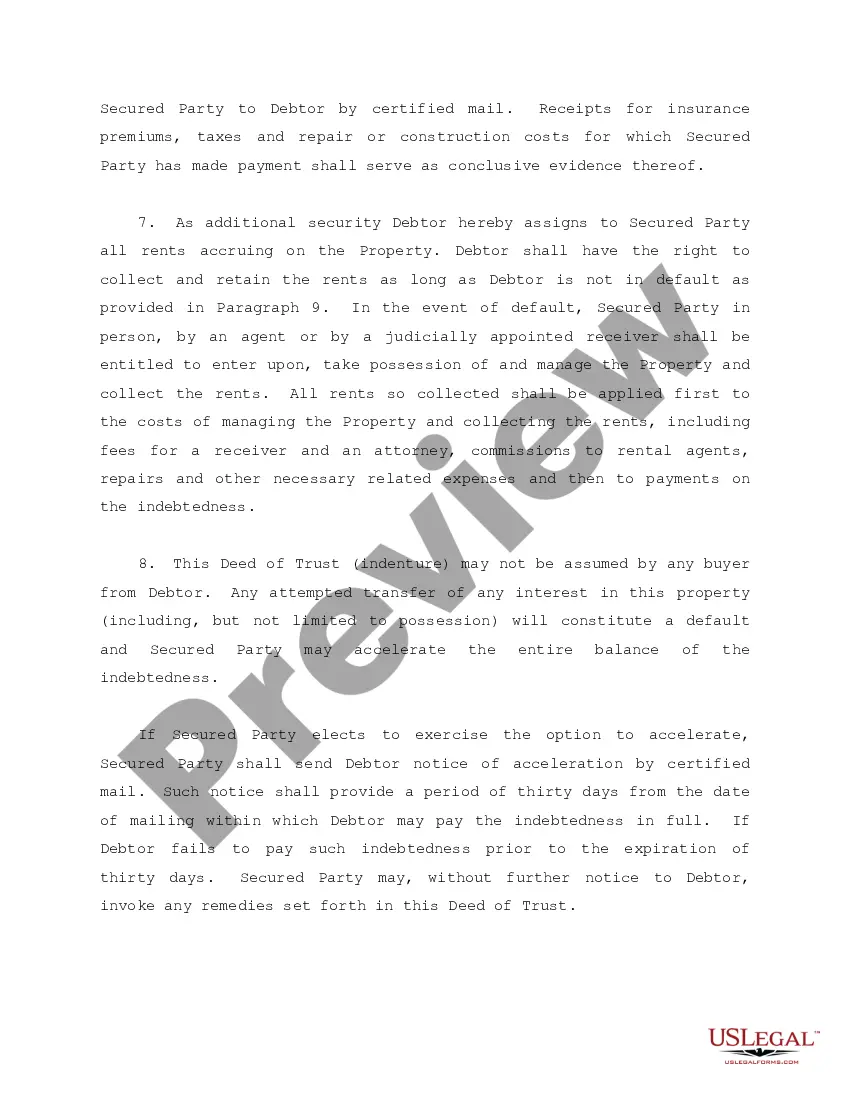
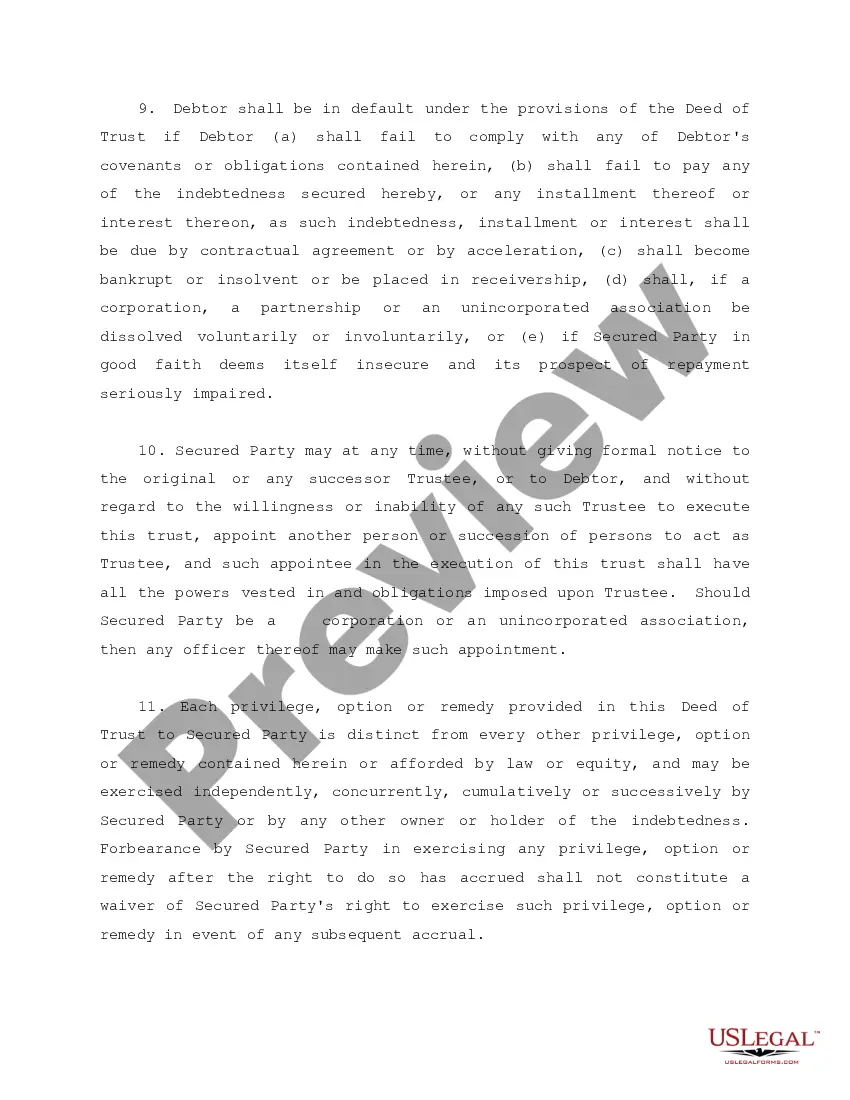
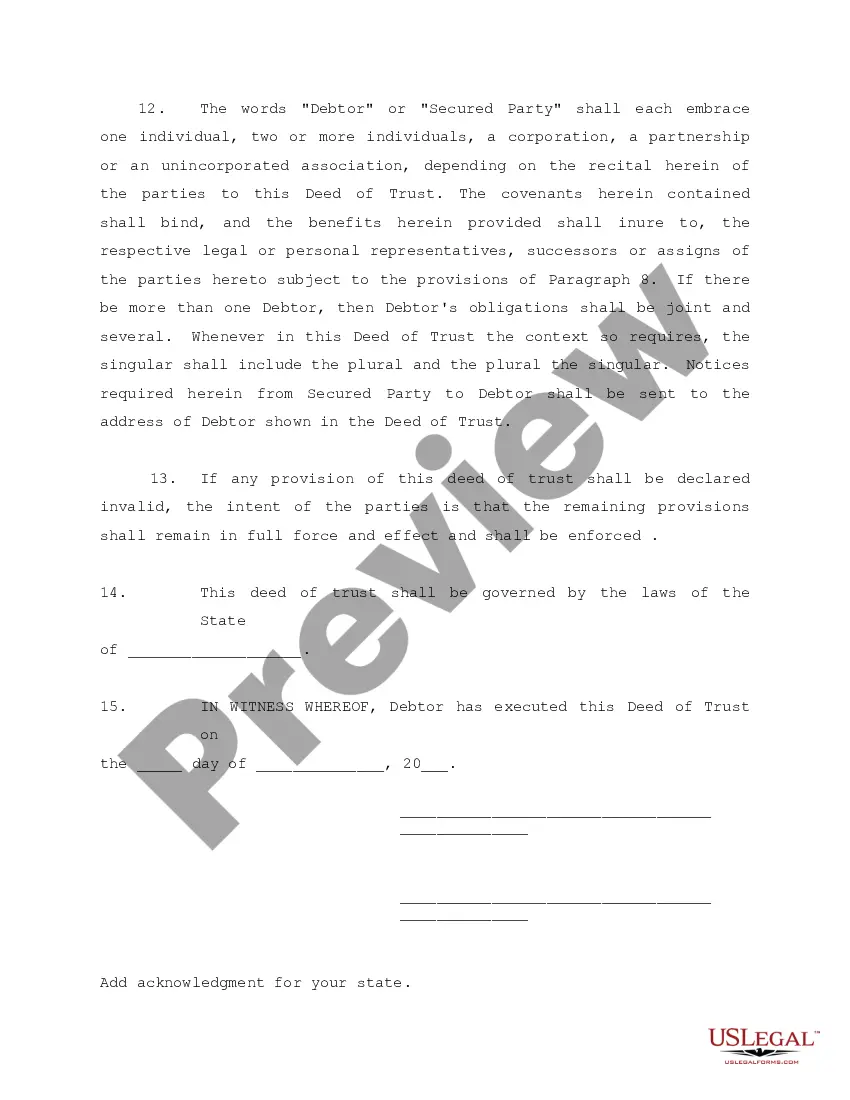
A Deed of Trust is essentially an agreement between a lender and a borrower to give the property to a neutral third party who will serve as a trustee. The trustee holds the property until the borrower pays off the debt.
