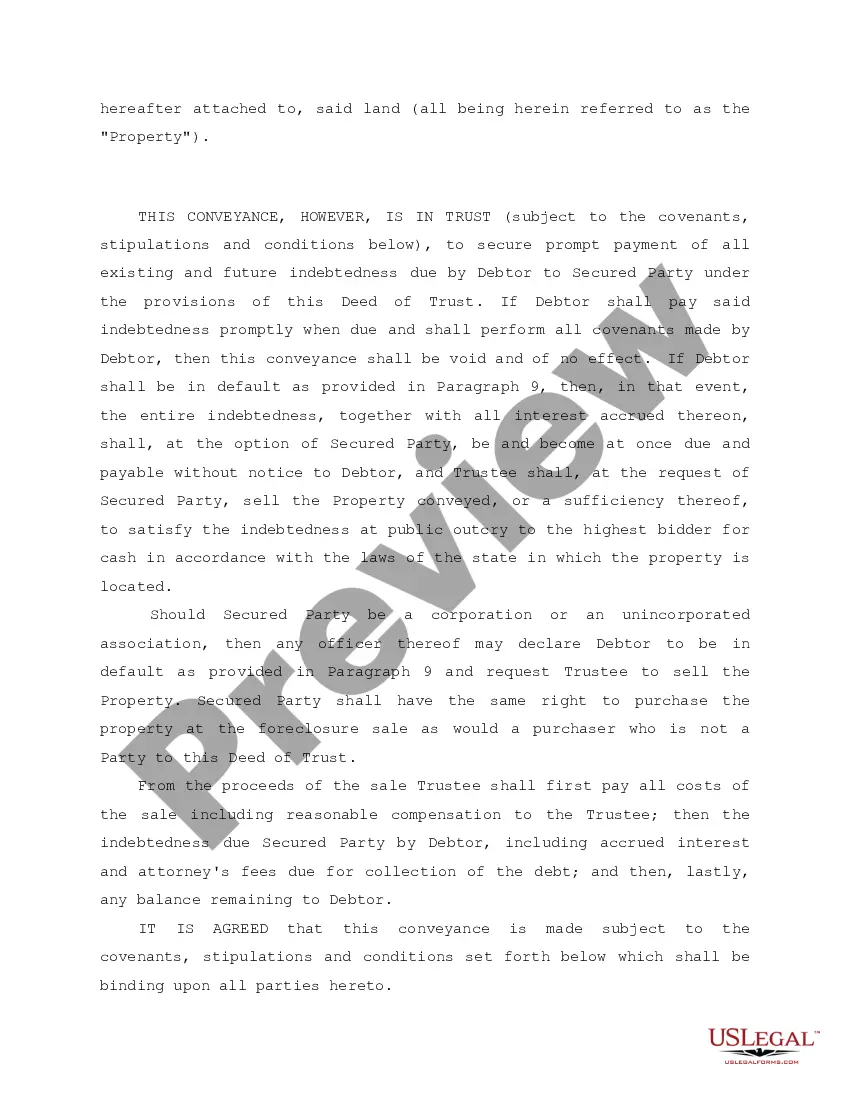
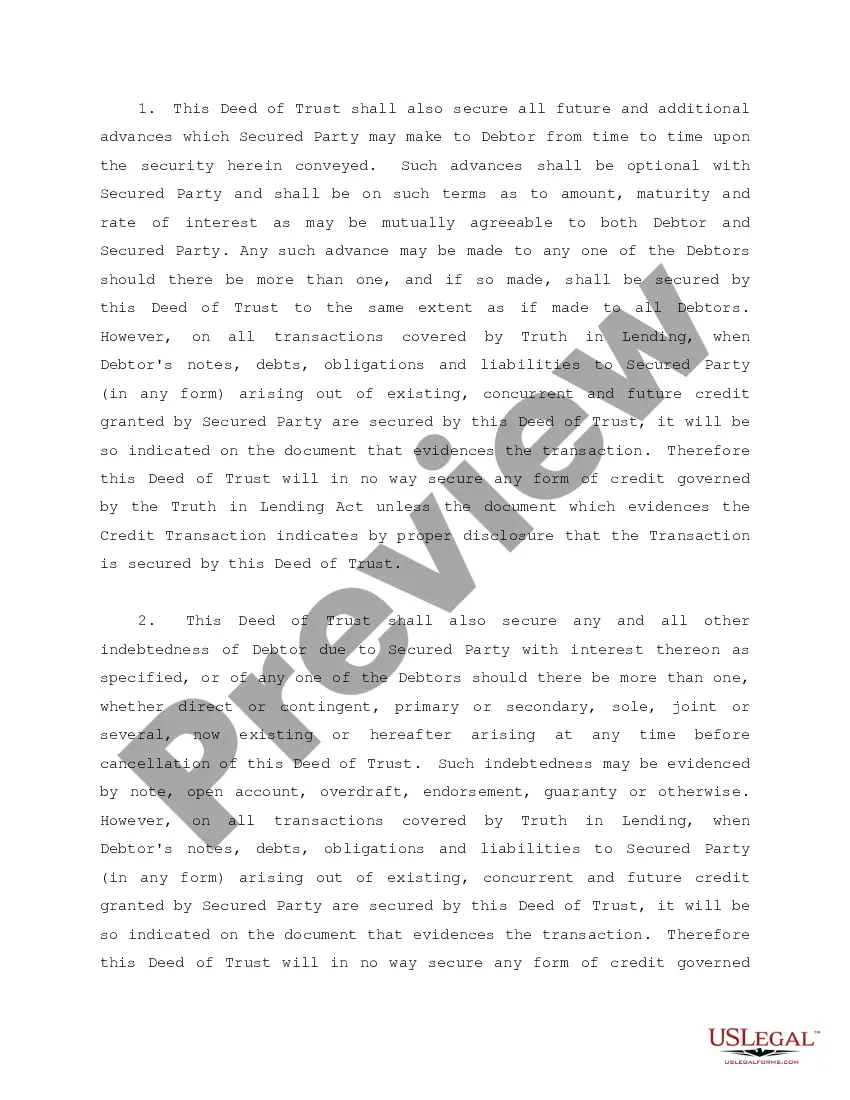
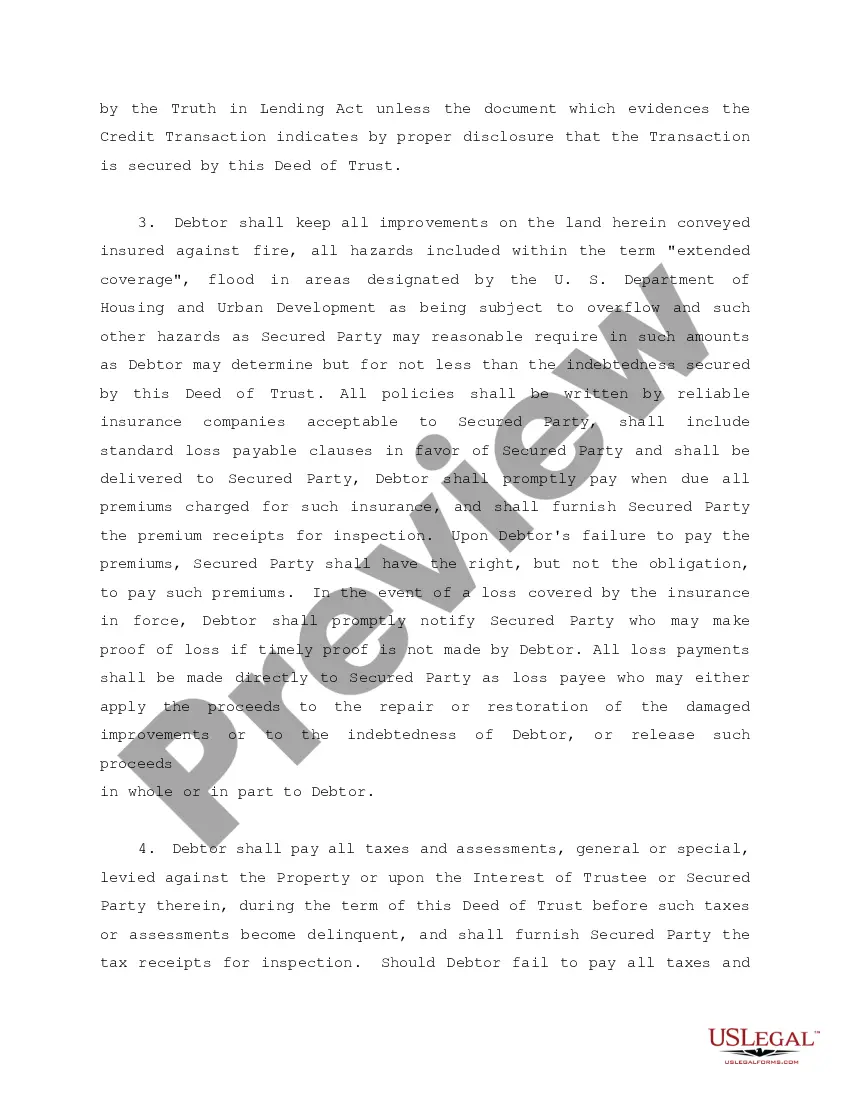
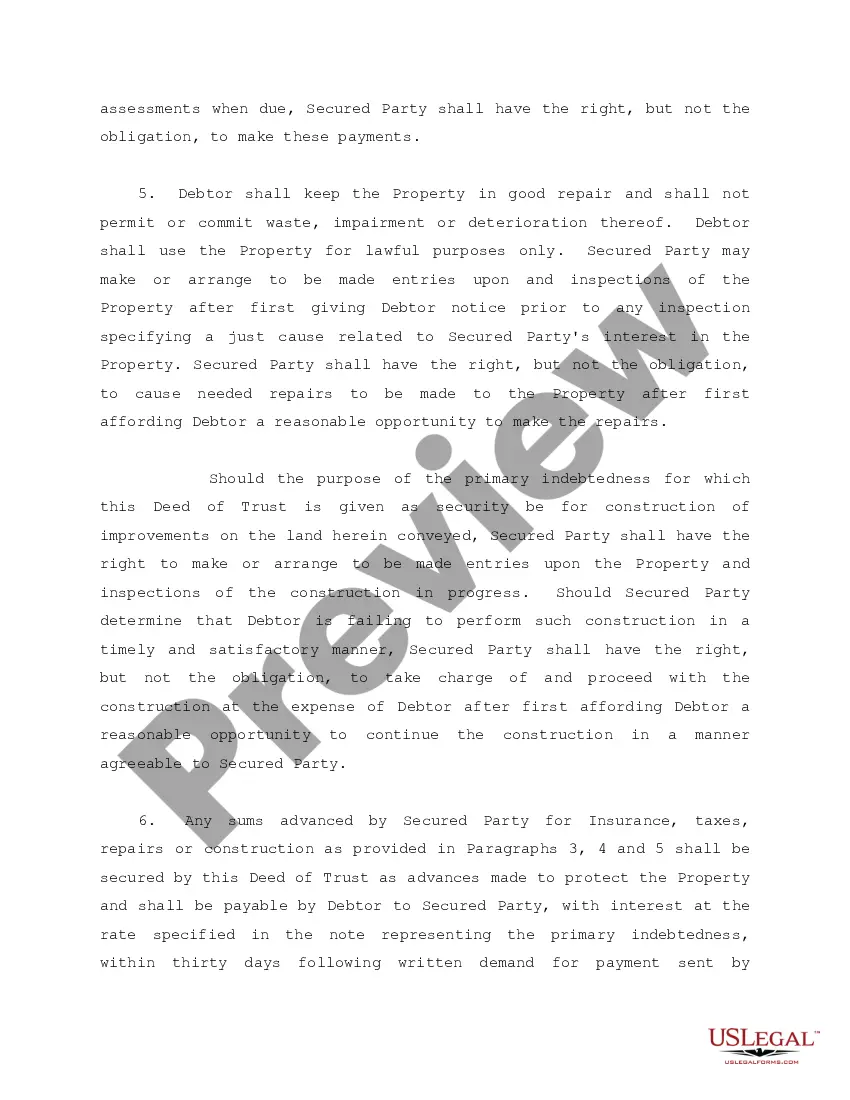
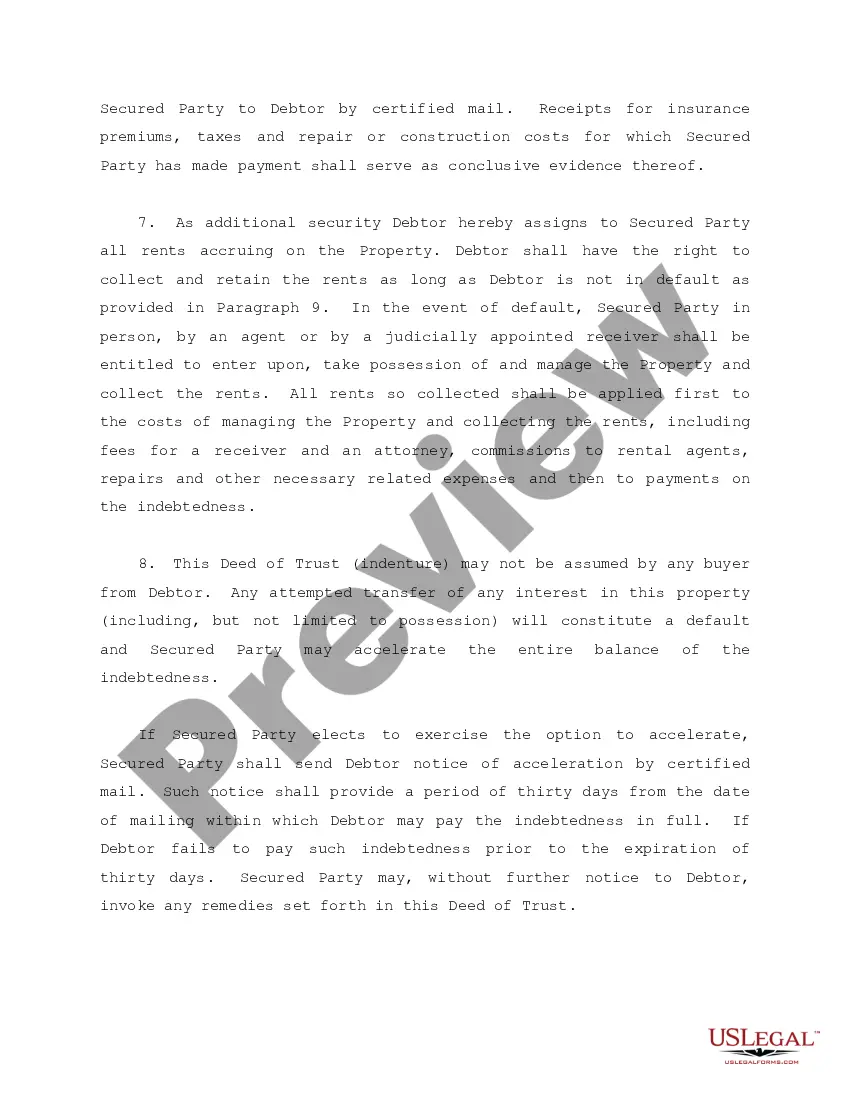
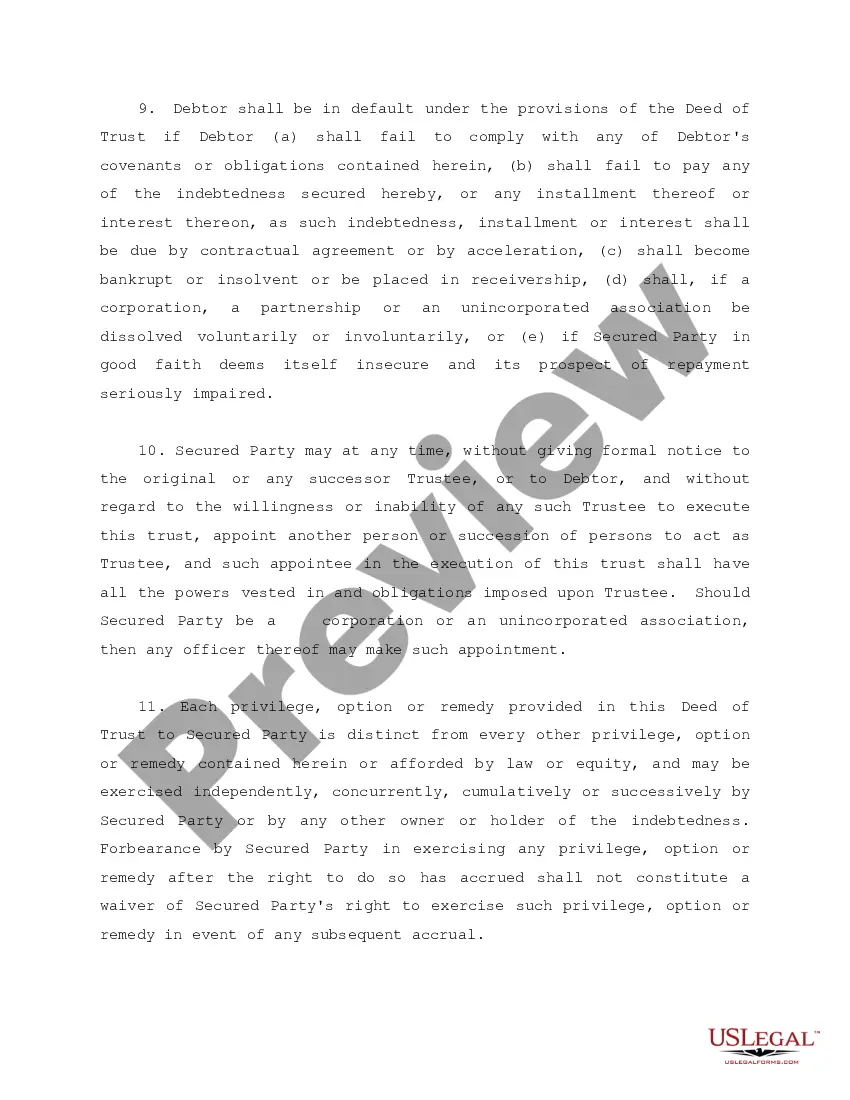
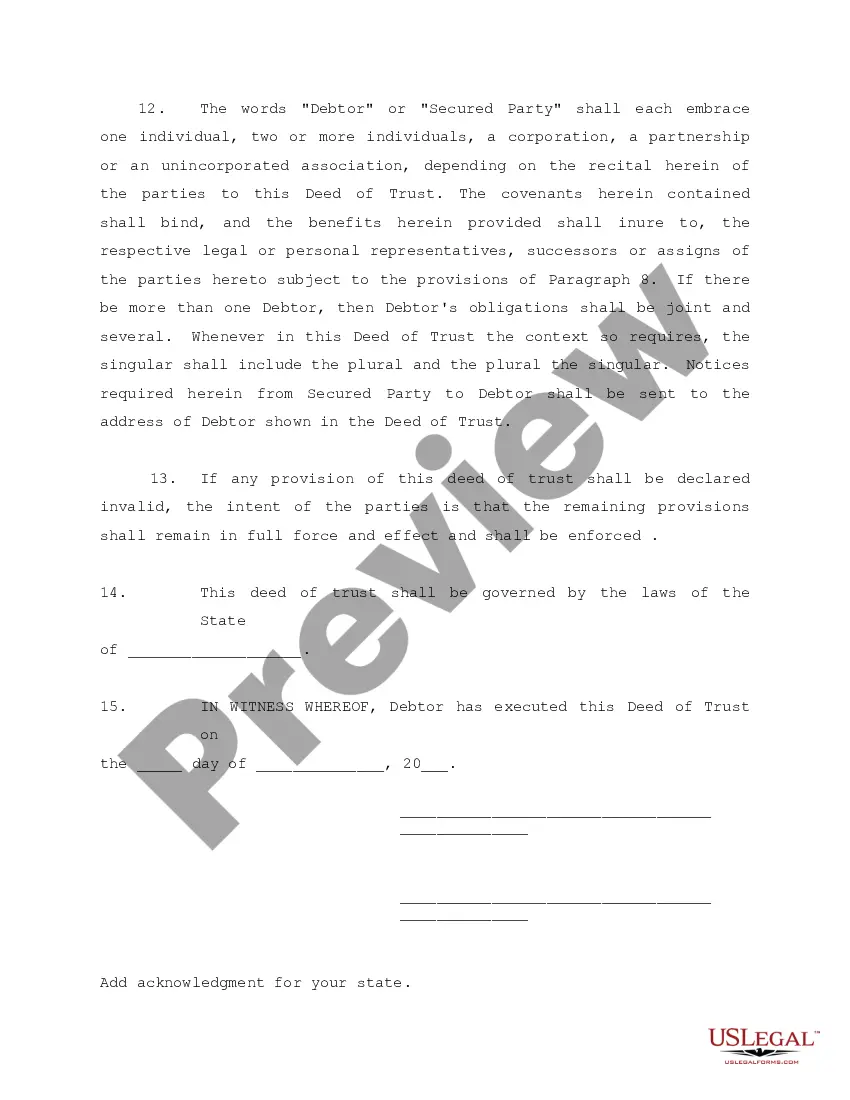
Secured Debt Shall For Loan In Middlesex
Description



Get your form ready online
Our built-in tools help you complete, sign, share, and store your documents in one place.
Make edits, fill in missing information, and update formatting in US Legal Forms—just like you would in MS Word.
Download a copy, print it, send it by email, or mail it via USPS—whatever works best for your next step.
Sign and collect signatures with our SignNow integration. Send to multiple recipients, set reminders, and more. Go Premium to unlock E-Sign.
If this form requires notarization, complete it online through a secure video call—no need to meet a notary in person or wait for an appointment.
We protect your documents and personal data by following strict security and privacy standards.

Make edits, fill in missing information, and update formatting in US Legal Forms—just like you would in MS Word.

Download a copy, print it, send it by email, or mail it via USPS—whatever works best for your next step.

Sign and collect signatures with our SignNow integration. Send to multiple recipients, set reminders, and more. Go Premium to unlock E-Sign.

If this form requires notarization, complete it online through a secure video call—no need to meet a notary in person or wait for an appointment.

We protect your documents and personal data by following strict security and privacy standards.
Looking for another form?






Form popularity
FAQ
Here are strategies and tips for getting out of debt faster. Add Up All Your Debt. Adjust Your Budget. Use a Debt Repayment Strategy. Look for Additional Income. Consider Credit Counseling. Consider Consolidating Your Debt. Don't Forget About Debt in Collections. Stay Accountable.
Secured debt is backed by collateral, whereas unsecured debt doesn't require you to put any assets on the line to get approved. Because lenders take on more risk, unsecured debts tend to have higher interest rates and stricter eligibility requirements than secured debt.
“It does not be come a secured debt unless it is perfected in a lien,” Steve Rhode, a consumer debt expert, said. “A judgment is a legal ruling that a debt is owed and it can be cleared with bankruptcy. If it is converted to a lien and then recorded against the property, it is secured by the property.
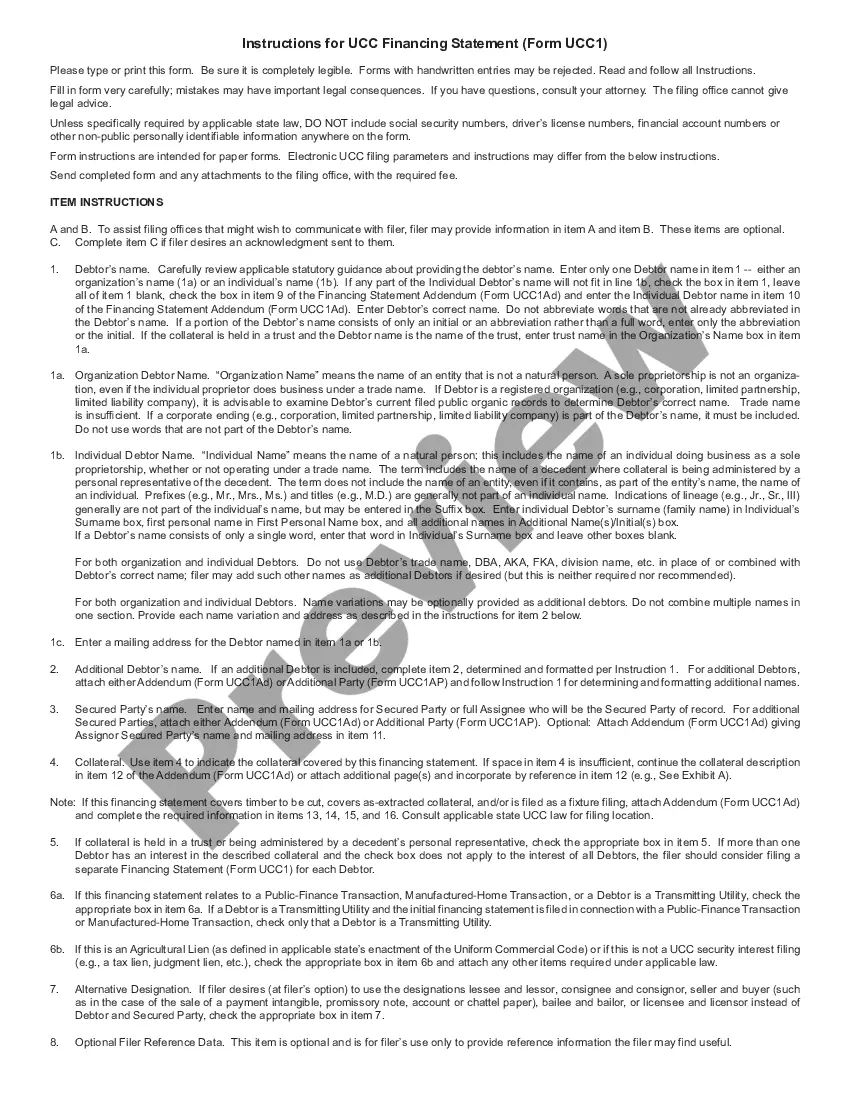
In all cases, you should file a UCC-1 with the secretary of state's office in the state where the debtor is incorporated or organized (if a business), or lives (if an individual).
What information is required for a UCC-1 filing? For a filing against an individual person as the debtor, the required information is: Last name, first name. Mailing address, city, state, zip code and country.
UCC liens can be filed on a range of personal and/or business assets, including but not limited to real estate, inventory, receivables, vehicles, machinery and equipment. Once a UCC lien is filed with the secretary of state's office, it becomes public record, meaning anyone can go online and search for active filings.
Uniform Commercial Code (UCC) filings allow creditors to notify other creditors about a debtor's assets used as collateral for a secured transaction. UCC liens filed with Secretary of State offices act as a public notice by the "creditor" of the creditor's interest in the property.
The UCC also does not apply if none of the parties are a merchant. In other words, the sale of goods between individuals is governed by the common law. If a sales transaction involves a merchant, then the UCC usually applies.
UCC-3 party amendments: A UCC-3 amendment is a type of filing used to change or add critical information about the debtor or the secured party. For example, they can be used to change the name or the address.
What information is required for a UCC-1 filing? For a filing against an individual person as the debtor, the required information is: Last name, first name. Mailing address, city, state, zip code and country.
