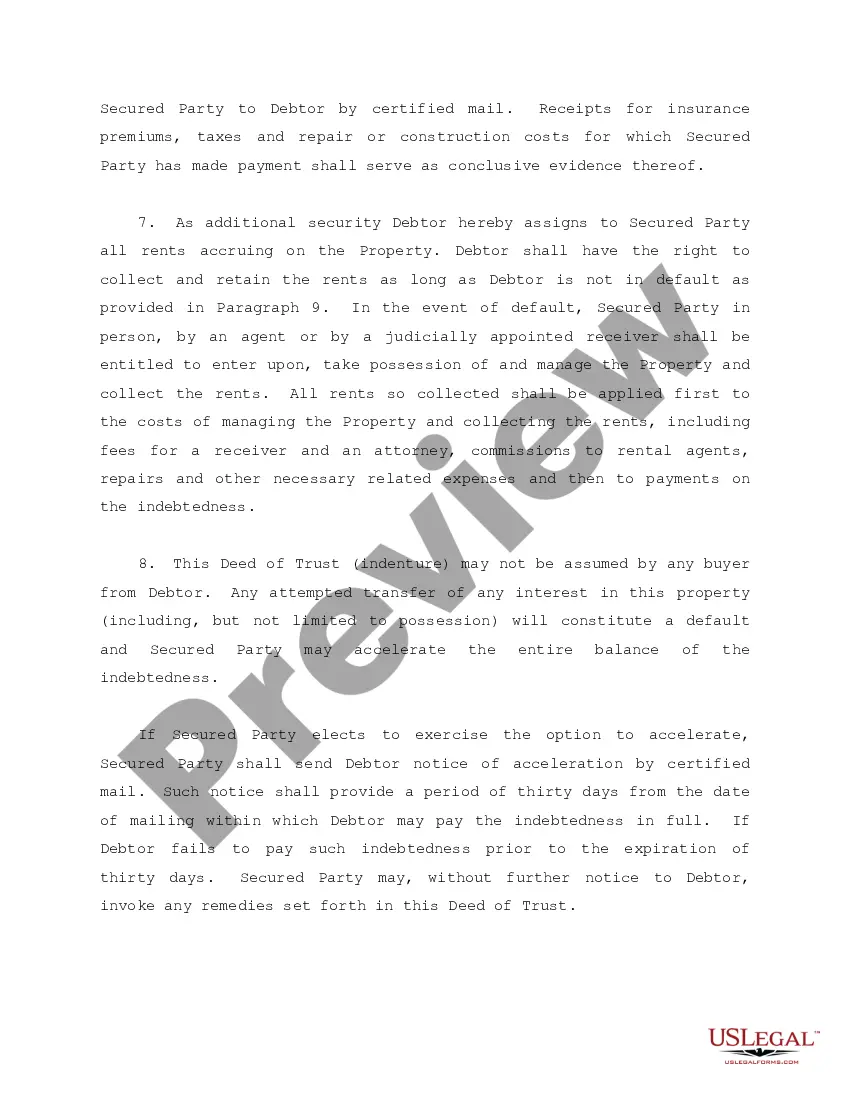
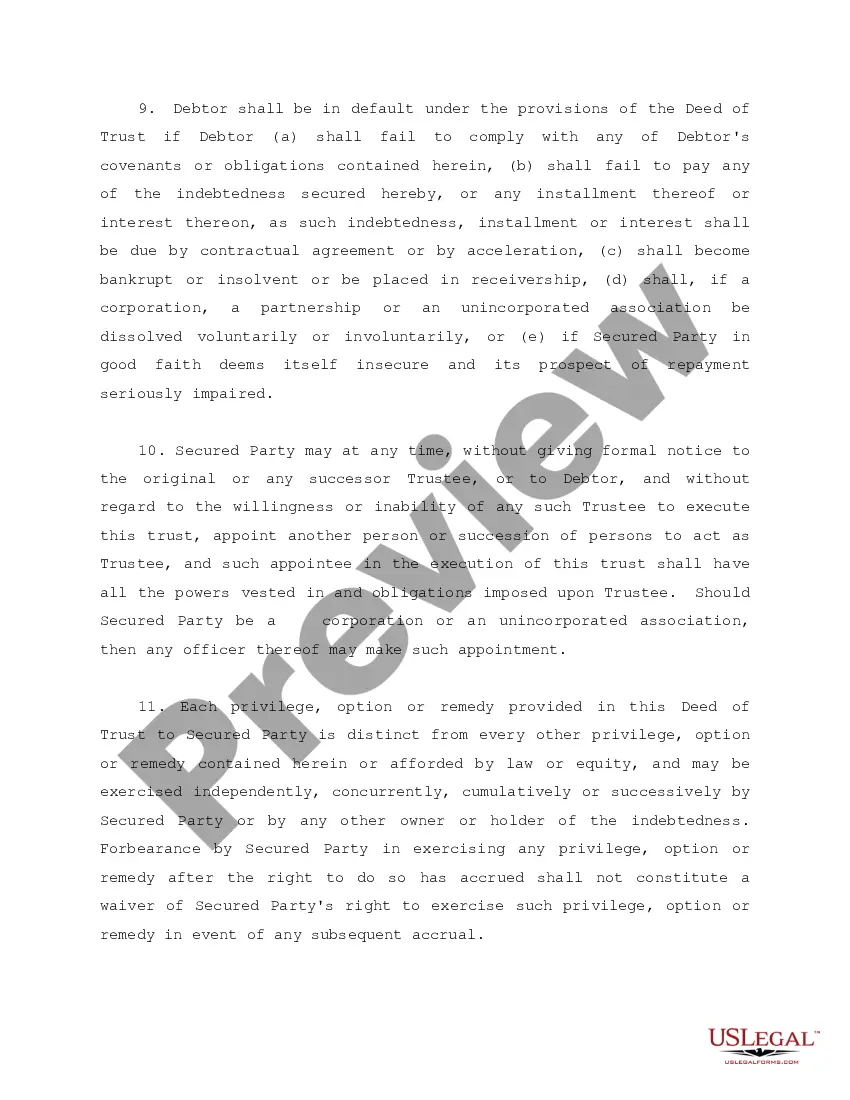
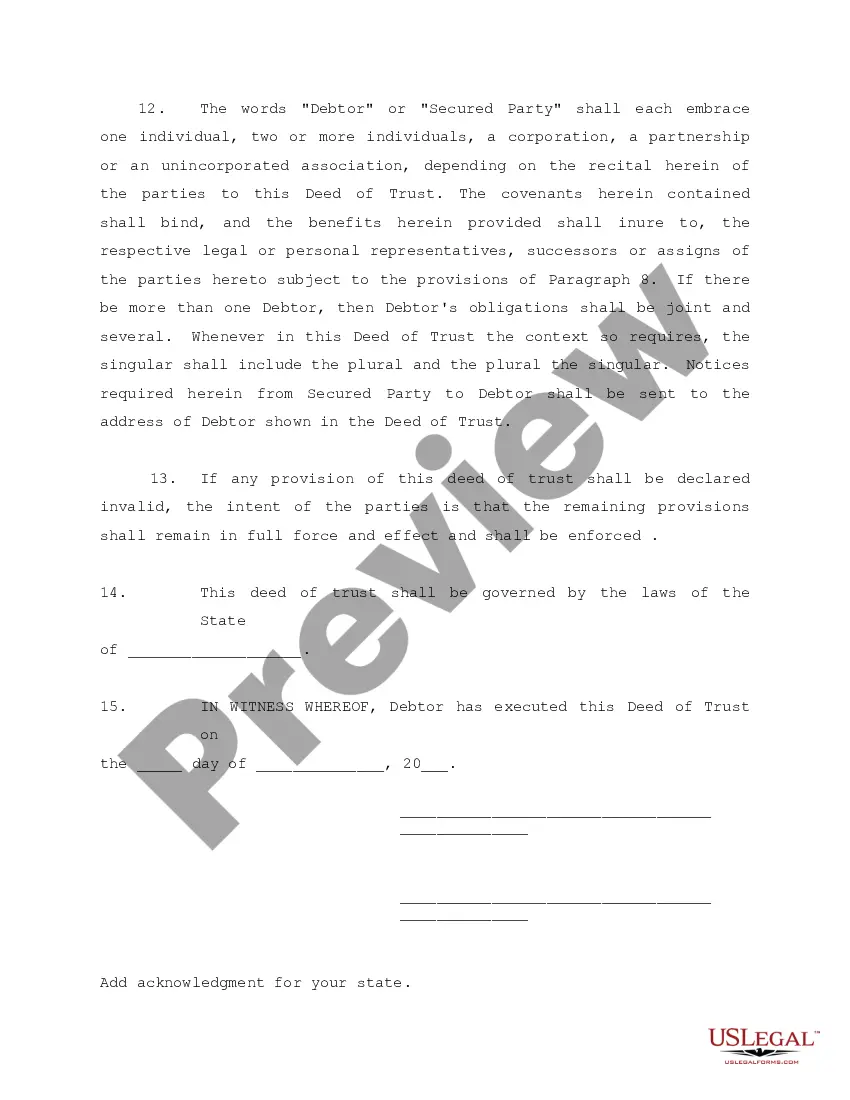
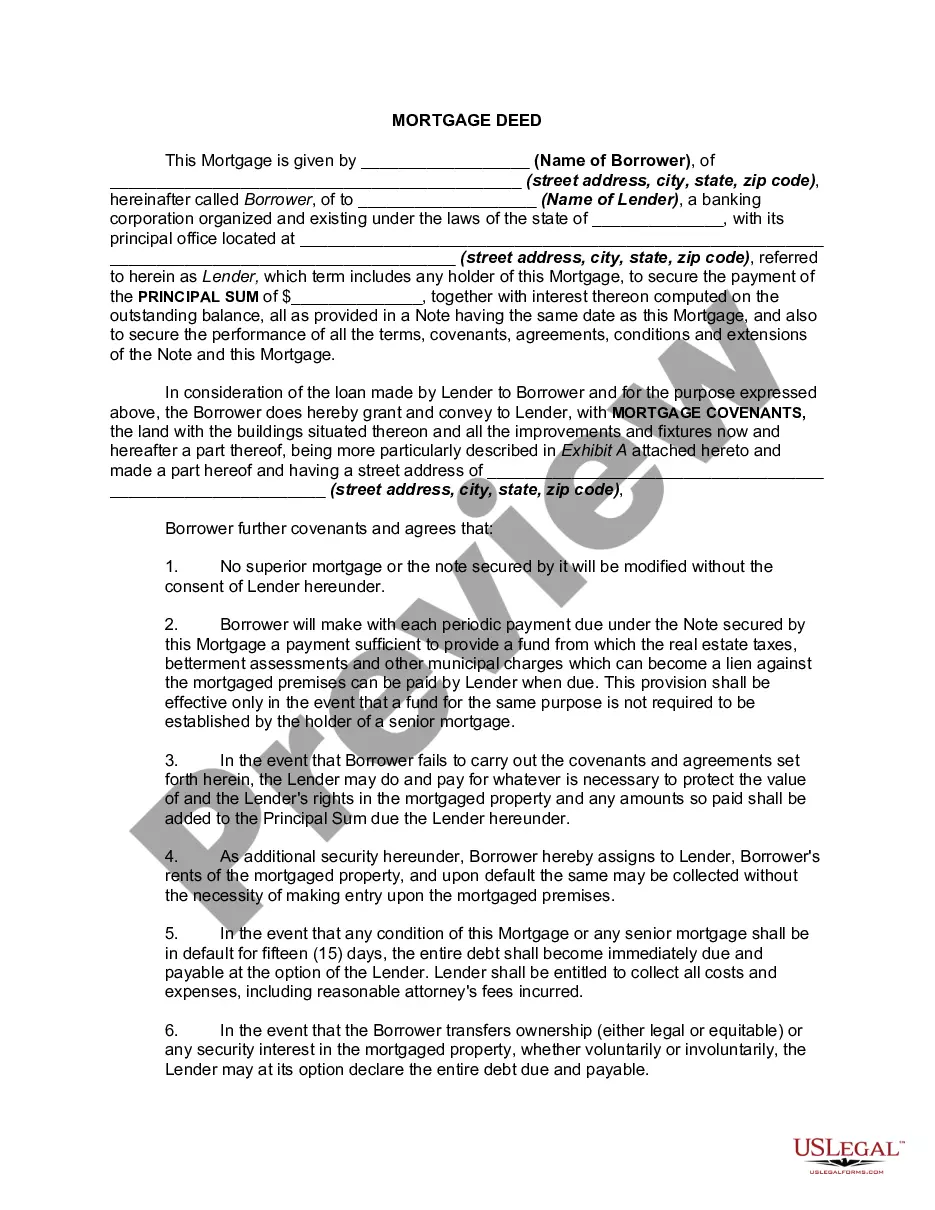
Secure Debt Shall Forget In Maricopa
Description


Get your form ready online
Our built-in tools help you complete, sign, share, and store your documents in one place.
Make edits, fill in missing information, and update formatting in US Legal Forms—just like you would in MS Word.
Download a copy, print it, send it by email, or mail it via USPS—whatever works best for your next step.
Sign and collect signatures with our SignNow integration. Send to multiple recipients, set reminders, and more. Go Premium to unlock E-Sign.
If this form requires notarization, complete it online through a secure video call—no need to meet a notary in person or wait for an appointment.
We protect your documents and personal data by following strict security and privacy standards.

Make edits, fill in missing information, and update formatting in US Legal Forms—just like you would in MS Word.

Download a copy, print it, send it by email, or mail it via USPS—whatever works best for your next step.

Sign and collect signatures with our SignNow integration. Send to multiple recipients, set reminders, and more. Go Premium to unlock E-Sign.

If this form requires notarization, complete it online through a secure video call—no need to meet a notary in person or wait for an appointment.

We protect your documents and personal data by following strict security and privacy standards.
Looking for another form?
Form popularity
FAQ
There are four primary steps involved in Answering or responding to a debt collection case in Arizona. Step 1: Create the Answer Document. Step 2: Answer Each Item in the Complaint. Step 3: List Affirmative Defenses if Applicable. Step 4: File with the Court and Serve the Plaintiff.
It's important to respond to (or answer) the lawsuit. You do this by filing official paperwork with the court. Be sure to address every point in the complaint, raise any defenses you have, and file the paperwork within the time frame provided.
Judgment Debtor Exam: This Supplemental Proceeding is held to obtain information about the assets and relevant information you need to help you in collecting. You may have the Debtor appear or a person (party) who has knowledge of the Debtors assets.
A Resolution Statement is a detailed description of the position. a party proposes to resolve all the issues in a Family Law case. The Resolution Statement is one part of the fact sharing process required by Rule 49 of the Arizona Rules of Family Law Procedure.
There are 2 primary methods to collect a debt: Writ of Garnishment or Writ of Execution. Writ of Garnishment is often referred to as garnishing a debtor's wages. A written notice is served to both the debtor and the debtor's employer or financial institution.
After a judgment of possession is rendered by the court, the judge may then issue a writ of execution to begin the transfer of property. The judgment for possession states the plaintiff has a right to the property; the writ of execution actually begins the transfer process from a judgment debtor to a plaintiff.
The Writ of Execution authorizes the Constable or Sheriff to seize non-exempt property from the Judgment- Debtor and sell it to satisfy the judgment against him/her.
Sample questions What's your home address? What's your telephone number? Are you married or do you have a registered domestic partner? If so, what's the first name, maiden name, and last name of your spouse or domestic partner?
In California, a judgment creditor can request a writ of execution from the court that entered the initial judgment. This compelling document empowers law enforcement officers to seize assets.
