Secure Debt Shall Withhold In Kings
Description

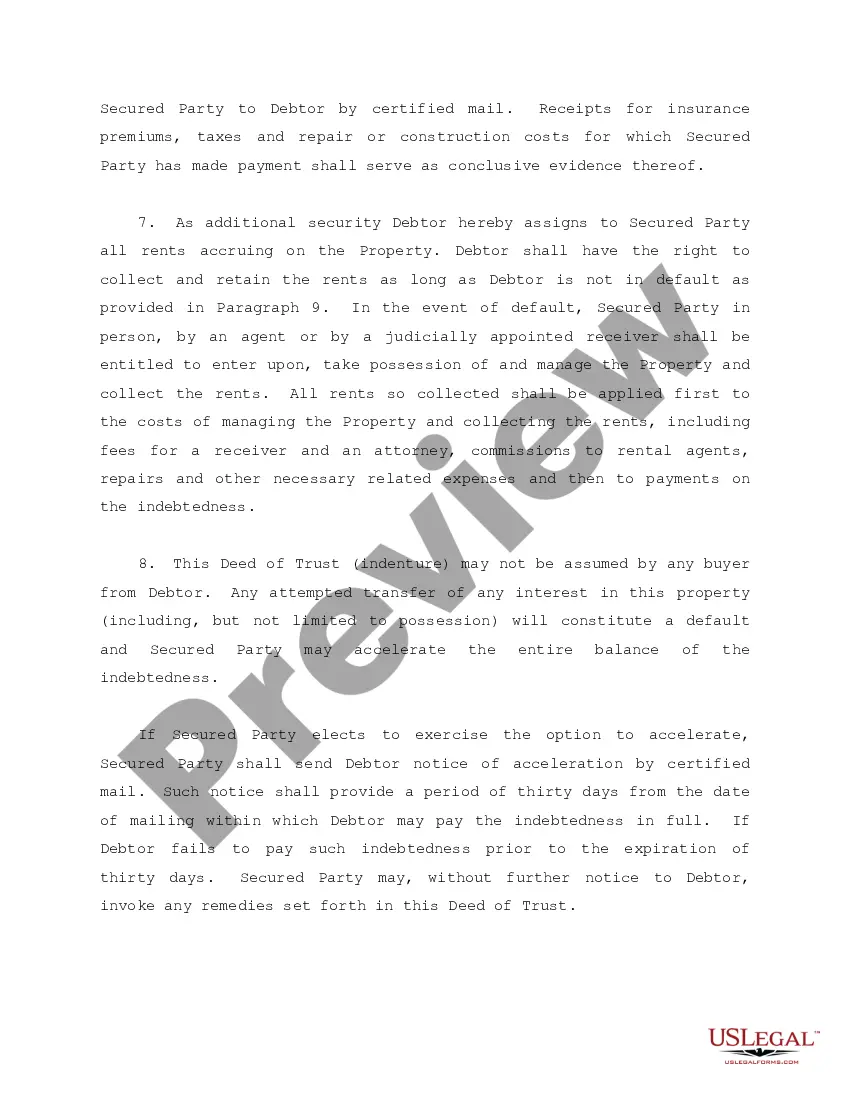
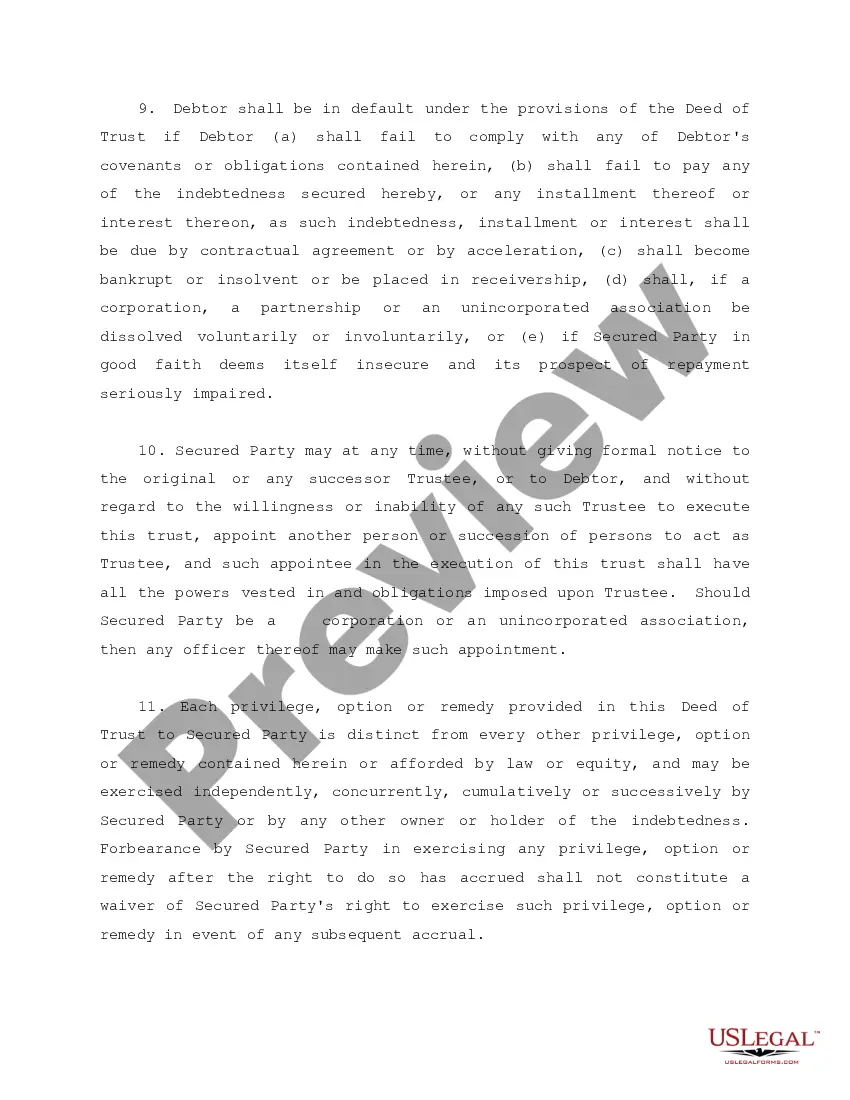
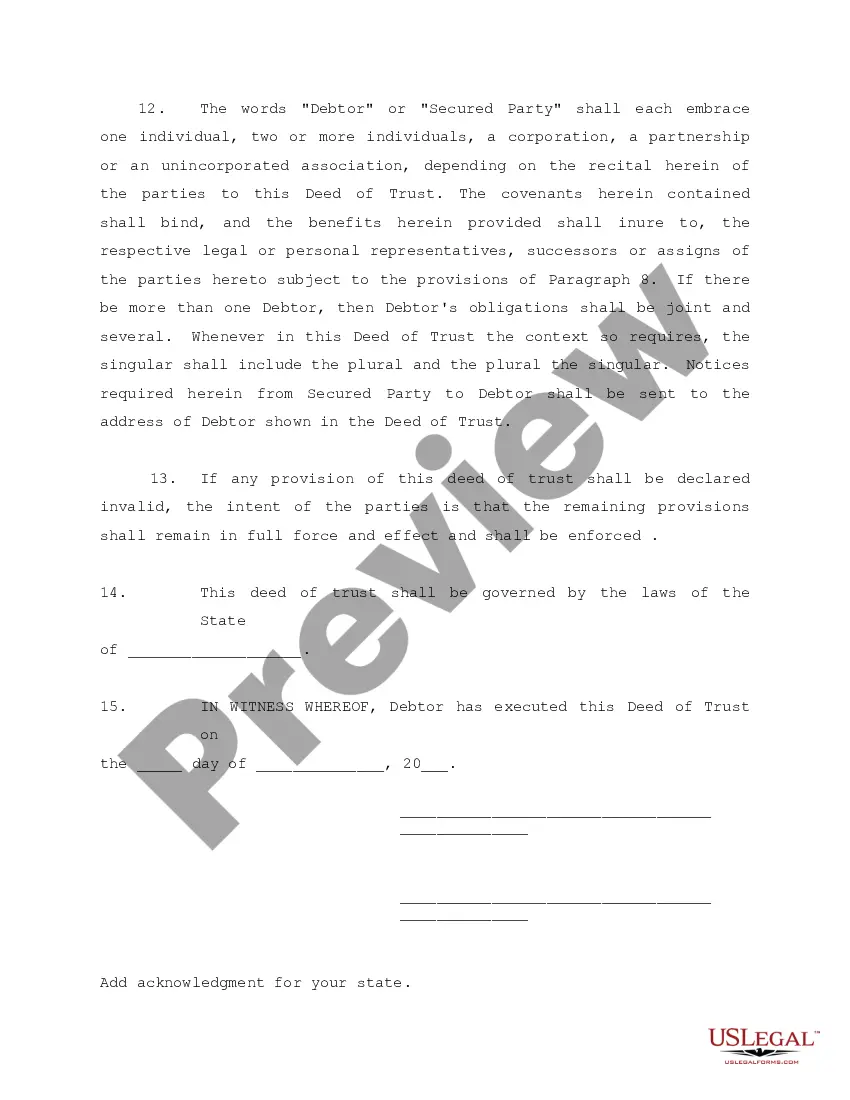


Get your form ready online
Our built-in tools help you complete, sign, share, and store your documents in one place.
Make edits, fill in missing information, and update formatting in US Legal Forms—just like you would in MS Word.
Download a copy, print it, send it by email, or mail it via USPS—whatever works best for your next step.
Sign and collect signatures with our SignNow integration. Send to multiple recipients, set reminders, and more. Go Premium to unlock E-Sign.
If this form requires notarization, complete it online through a secure video call—no need to meet a notary in person or wait for an appointment.
We protect your documents and personal data by following strict security and privacy standards.

Make edits, fill in missing information, and update formatting in US Legal Forms—just like you would in MS Word.

Download a copy, print it, send it by email, or mail it via USPS—whatever works best for your next step.

Sign and collect signatures with our SignNow integration. Send to multiple recipients, set reminders, and more. Go Premium to unlock E-Sign.

If this form requires notarization, complete it online through a secure video call—no need to meet a notary in person or wait for an appointment.

We protect your documents and personal data by following strict security and privacy standards.
Looking for another form?
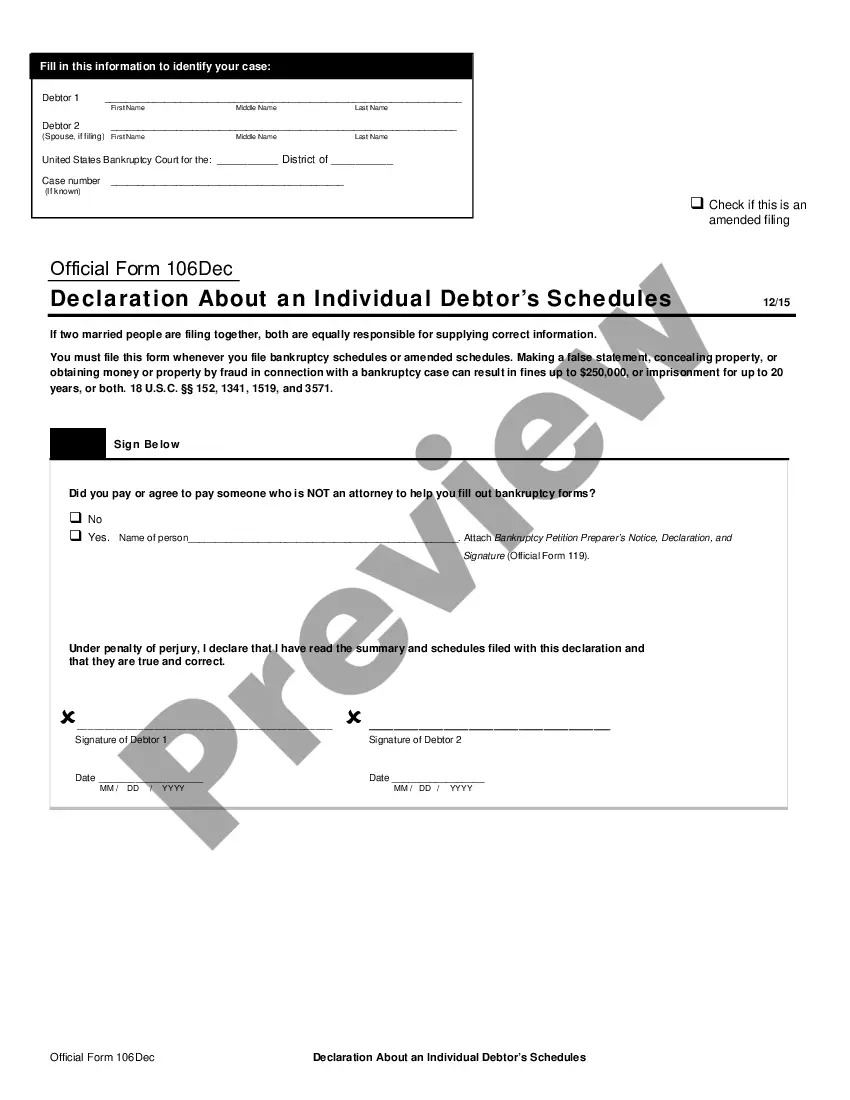



Form popularity
FAQ
Tax liens may not appear on your credit report, but they're public records, so they can still affect your ability to get approved for credit. That's because a tax lien indicates that you've had trouble paying your financial obligations.
A tax warrant in New York is a legal claim by the state on personal and real property due to unpaid income, sales, or other New York State taxes. The Department of Taxation and Finance (NYS DTF) issues tax warrants, and they create a lien against assets, allowing the state to seize wages, income, and assets.
And a fine of up to $250,000. For individuals for corporations the fine can be as high as $500,000.MoreAnd a fine of up to $250,000. For individuals for corporations the fine can be as high as $500,000. So while the tax warrant.
(f) Any application for temporary injunctive relief, including but not limited to a motion for a stay or a temporary restraining order, shall contain, in addition to the other information required by this section, an affirmation demonstrating there will be significant prejudice to the party seeking the restraining ...
A tax warrant in New York is a legal claim by the state on personal and real property due to unpaid income, sales, or other New York State taxes. The Department of Taxation and Finance (NYS DTF) issues tax warrants, and they create a lien against assets, allowing the state to seize wages, income, and assets.
Interrogatories are limited to 25 in number, including subparts, unless the court orders otherwise.
If you wish to oppose an Order to Show Cause, you may prepare an Affidavit in Opposition. If you do not submit opposition papers and/or appear in court to oppose the Order to Show Cause, the judge may decide to grant the relief requested based on the information in the Order to Show Cause.
22 CRR-NY 202.8-CRR (1) affidavits, affirmations, briefs and memoranda of law in chief shall be limited to 7,000 words each; (2) reply affidavits, affirmations, and memoranda shall be no more than 4,200 words and shall not contain any arguments that do not respond or relate to those made in the memoranda in chief.
Rule 202.70. 11-d - Limitations on Depositions (a) Unless otherwise stipulated to by the parties or ordered by the court: (1) the number of depositions taken by plaintiffs, or by defendants, or by third-party defendants, shall be limited to 10; and (2) depositions shall be limited to 7 hours per deponent.
Except as provided in subdivisions (2), (3) and (4), punishment for a contempt, specified in section seven hundred fifty, may be by fine, not exceeding one thousand dollars, or by imprisonment, not exceeding thirty days, in the jail of the county where the court is sitting, or both, in the discretion of the court.
