Security Debt Any With Example In Illinois
Description

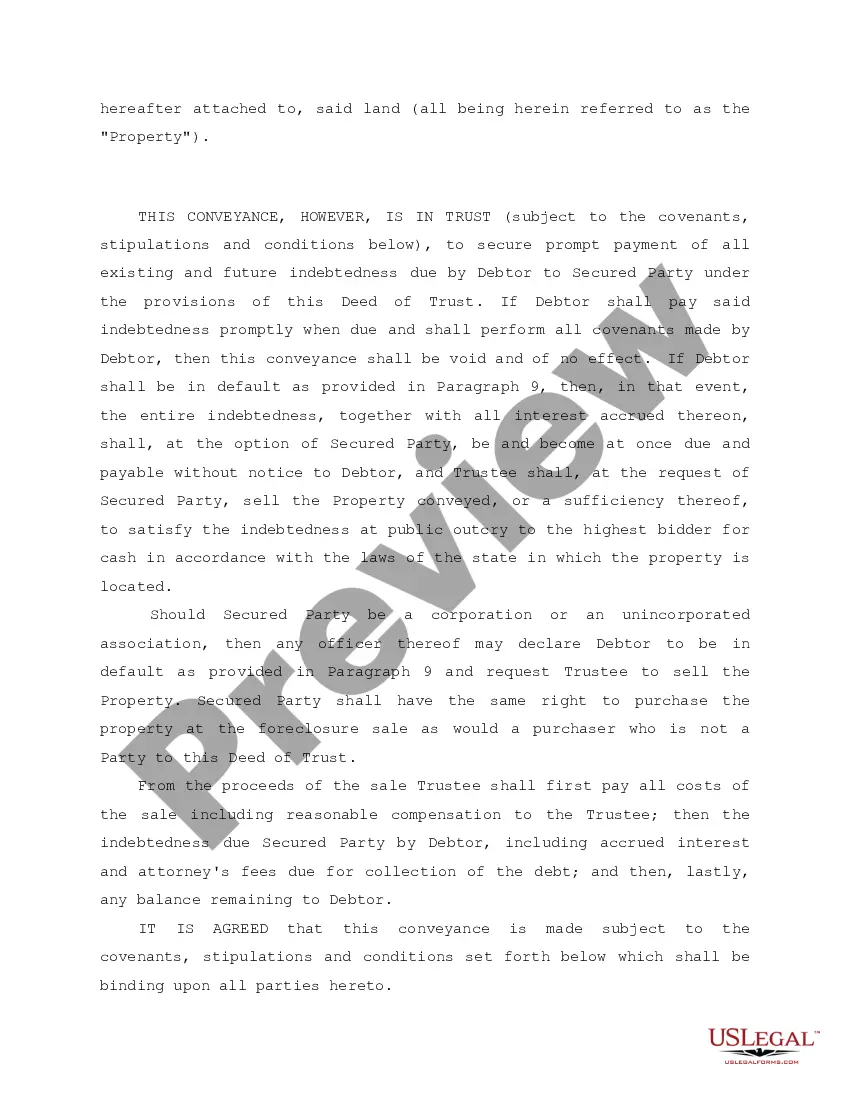
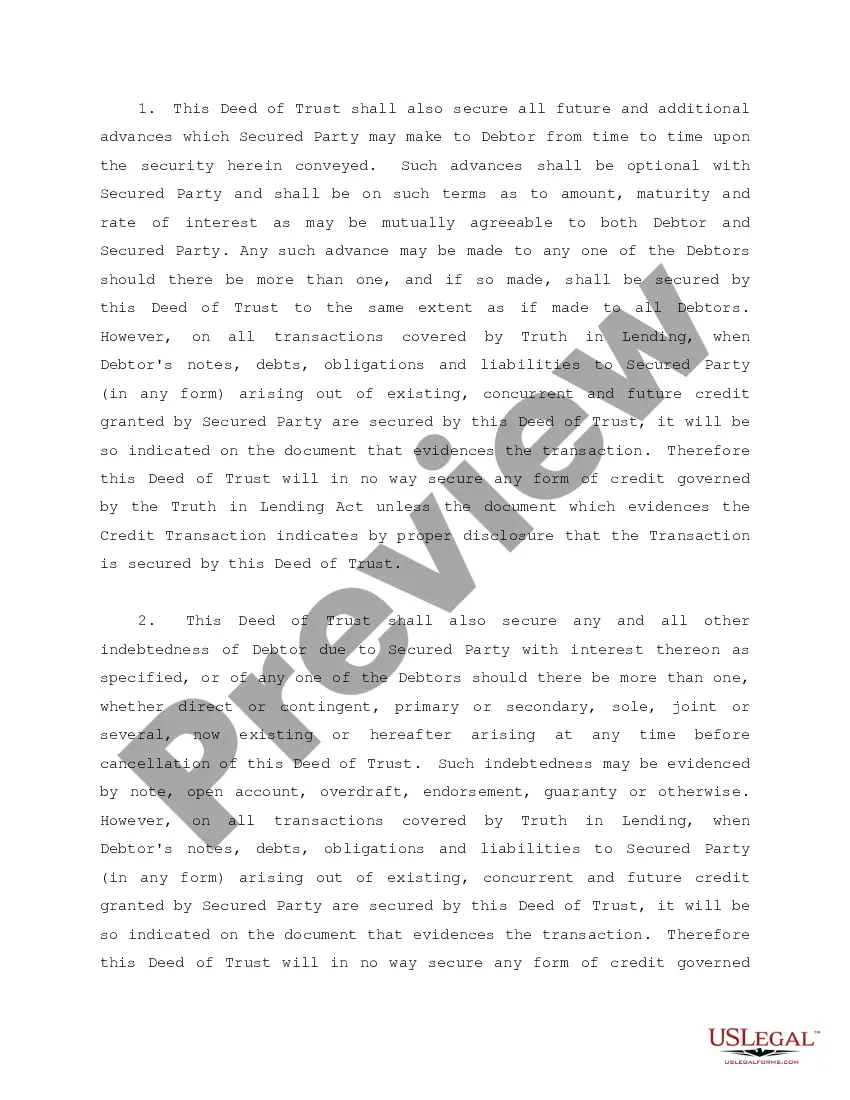
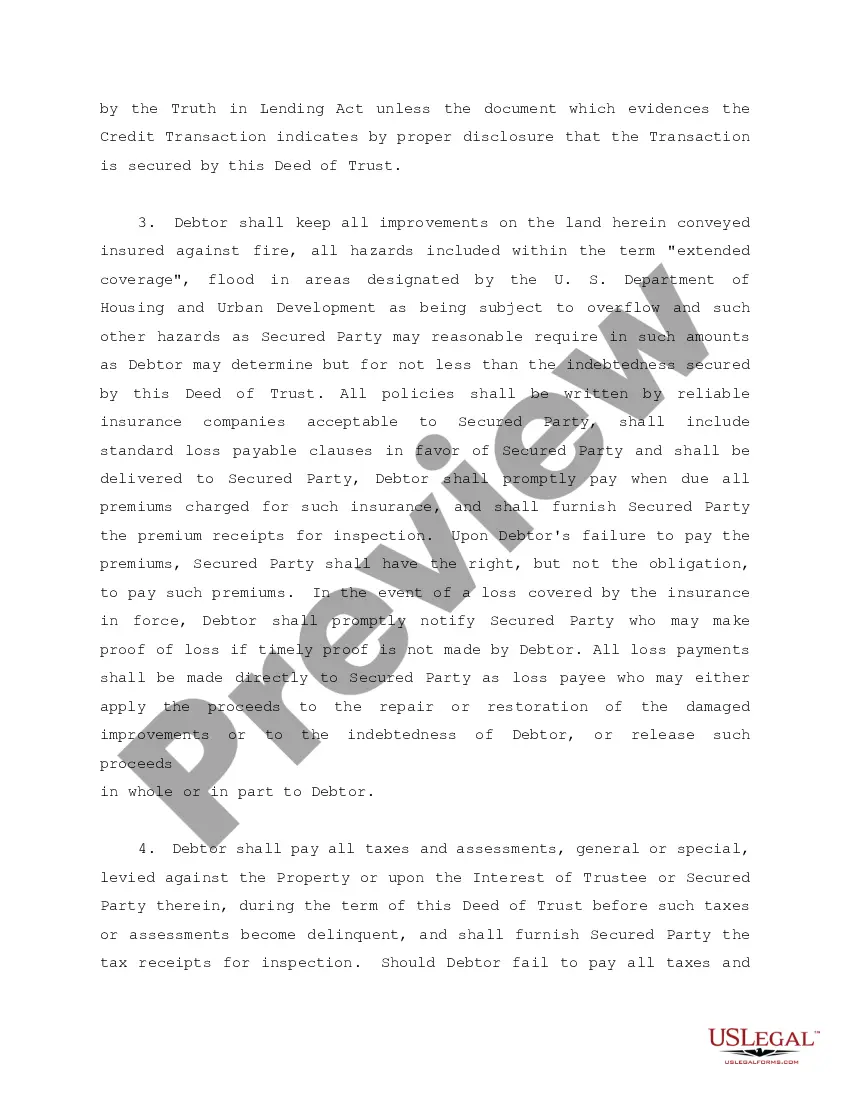
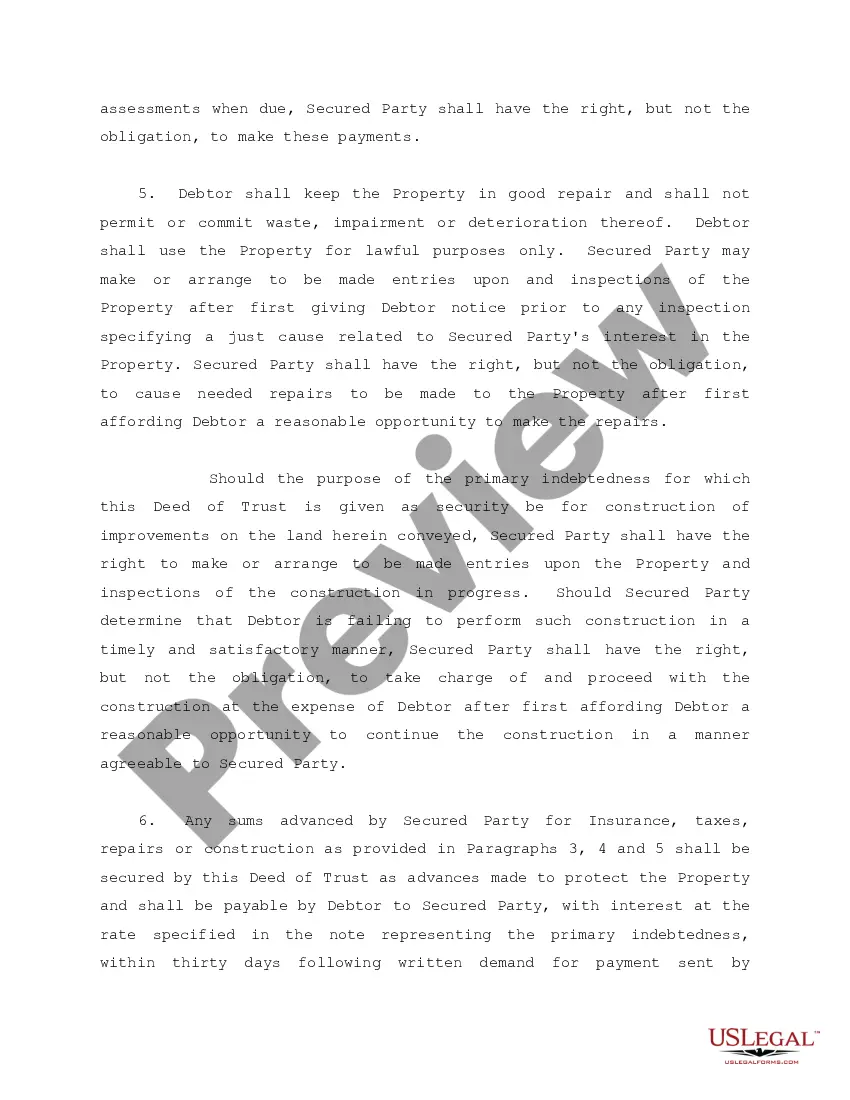

Get your form ready online
Our built-in tools help you complete, sign, share, and store your documents in one place.
Make edits, fill in missing information, and update formatting in US Legal Forms—just like you would in MS Word.
Download a copy, print it, send it by email, or mail it via USPS—whatever works best for your next step.
Sign and collect signatures with our SignNow integration. Send to multiple recipients, set reminders, and more. Go Premium to unlock E-Sign.
If this form requires notarization, complete it online through a secure video call—no need to meet a notary in person or wait for an appointment.
We protect your documents and personal data by following strict security and privacy standards.

Make edits, fill in missing information, and update formatting in US Legal Forms—just like you would in MS Word.

Download a copy, print it, send it by email, or mail it via USPS—whatever works best for your next step.

Sign and collect signatures with our SignNow integration. Send to multiple recipients, set reminders, and more. Go Premium to unlock E-Sign.

If this form requires notarization, complete it online through a secure video call—no need to meet a notary in person or wait for an appointment.

We protect your documents and personal data by following strict security and privacy standards.
Looking for another form?









Form popularity
FAQ
Federal law requires collection agencies to provide debt validation notices, so you don't need to request one. In some cases, a collector may provide the validation letter as its initial communication to you. If not, they must provide it within five days of their first communication, either in the mail or via email.
Statute of Limitations in Illinois Illinois statute of limitations on “unwritten debt,” which includes credit cards, is five years.
Under new section 9-203(b) a security interest is enforceable, and hence attaches, when (1) the creditor has given value; (2) the debtor has rights in the collateral or the power to transfer an interest in the collateral and (3) one of the specific conditions stated in new section 9-203(b)(3) has been met.
A lien is a security interest or legal claim against property that is used as collateral to satisfy a debt. In other words, liens enable creditors to assert their rights over property.
Secured creditors have other rights in bankruptcy, including the right to receive postpetition interest, fees, costs, and charges and to receive adequate protection for any decrease in the value of their interest in the collateral resulting from any use, sale, lease, or grant of a lien.
Creditor Rights The right to sue the borrower for the amount owed. The right to seize the borrower's property if the debt is secured. The right to report the debt to credit reporting agencies. The right to hire a collection agency to collect the debt.
Security debt refers to software flaws that remain unfixed for a year or more.
Bonds (government, corporate, or municipal) are one of the most common types of debt securities, but there are many different examples of debt securities, including preferred stock, collateralized debt obligations, euro commercial paper, and mortgage-backed securities.
Examples of these are treasury notes, treasury bills, zero-coupon bonds, municipal bonds, and treasury bonds. Corporate bonds describe the securities that corporations issue to willing buyers. Corporate bonds depict higher interest rates than U.S government bonds due to the higher risk of default associated with them.
The bond market is often referred to as the debt market, fixed-income market, or credit market. It is the collective name given to all trades and issues of debt securities.
