Secured Debt Any Formula In Houston
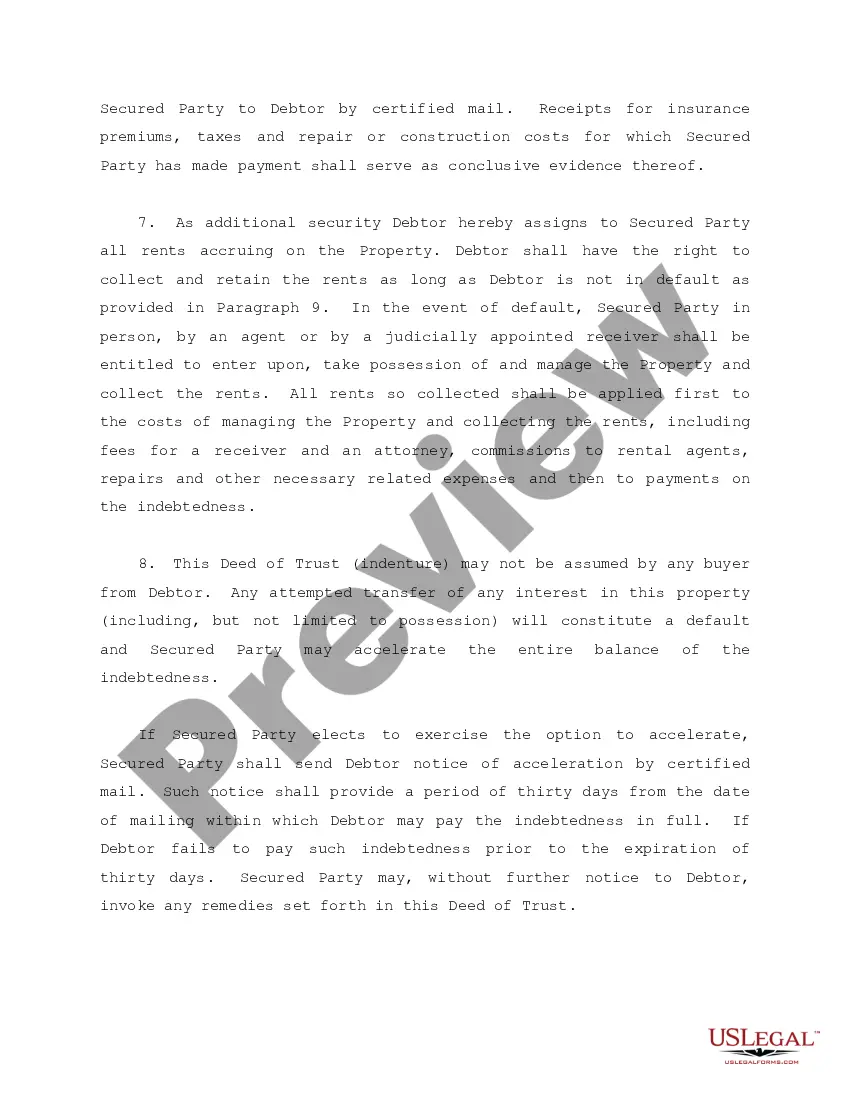
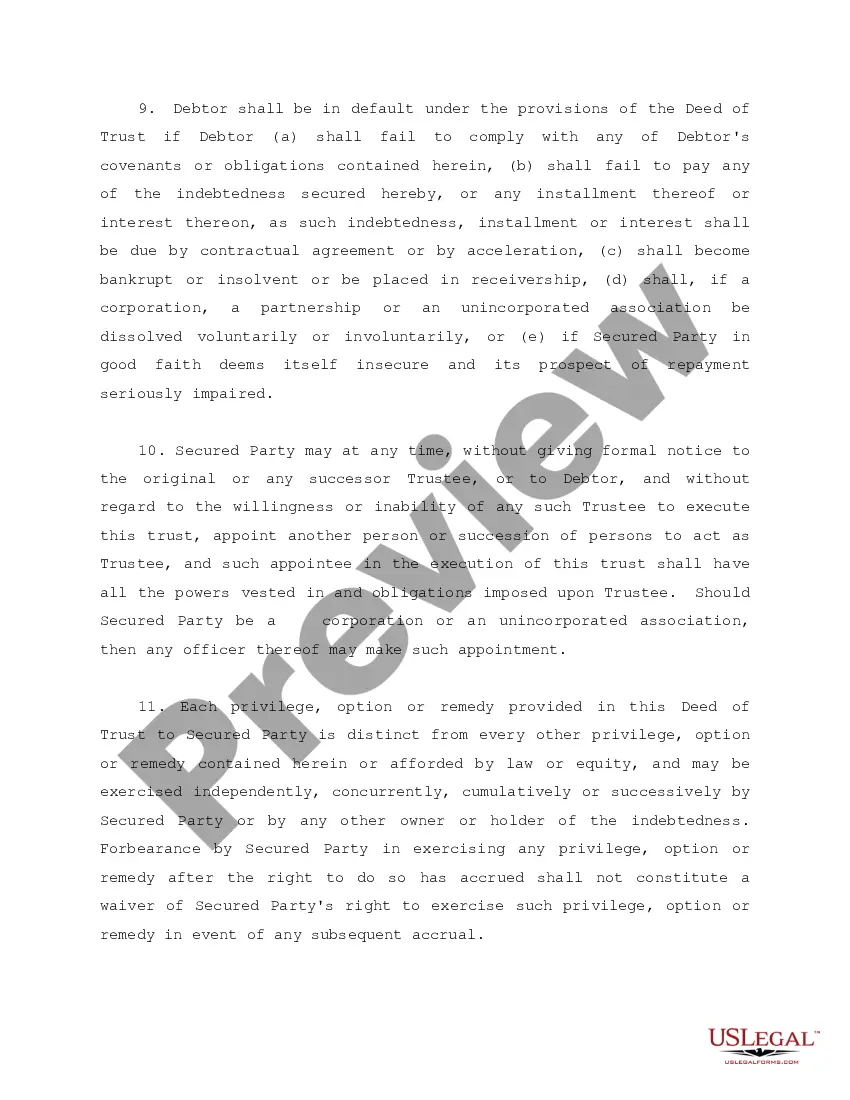
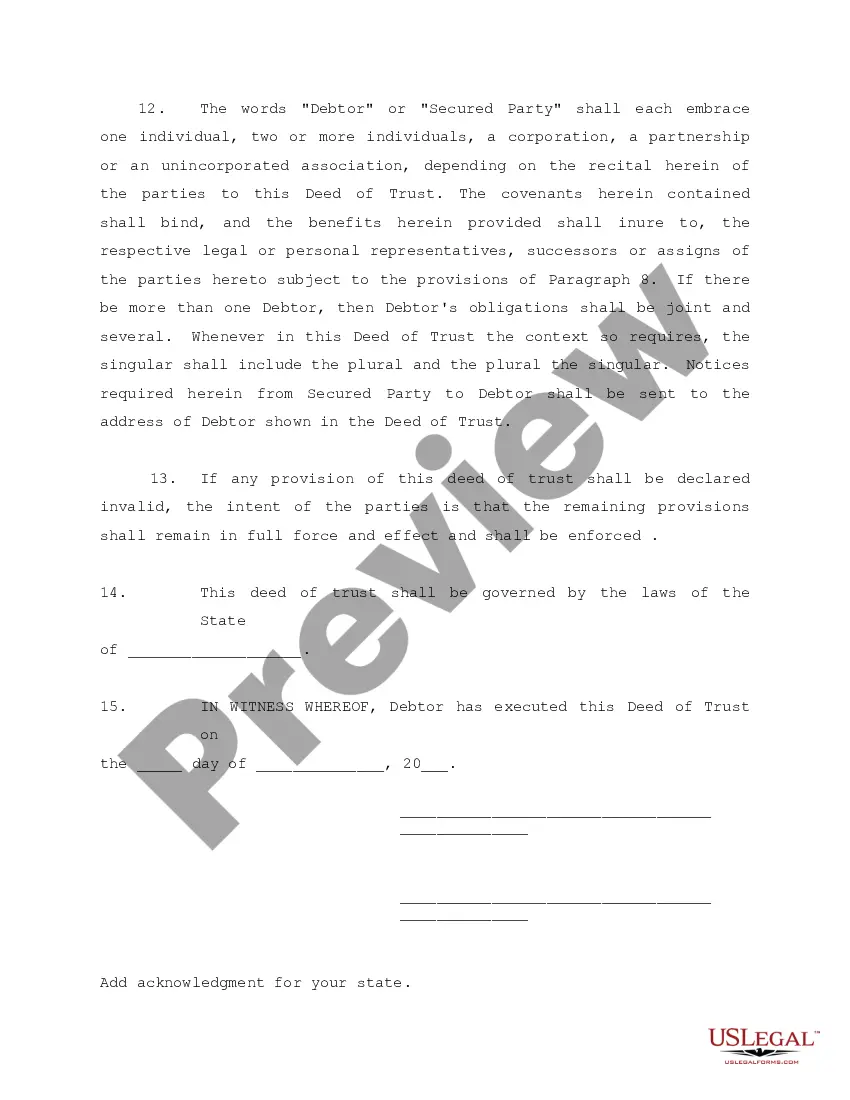
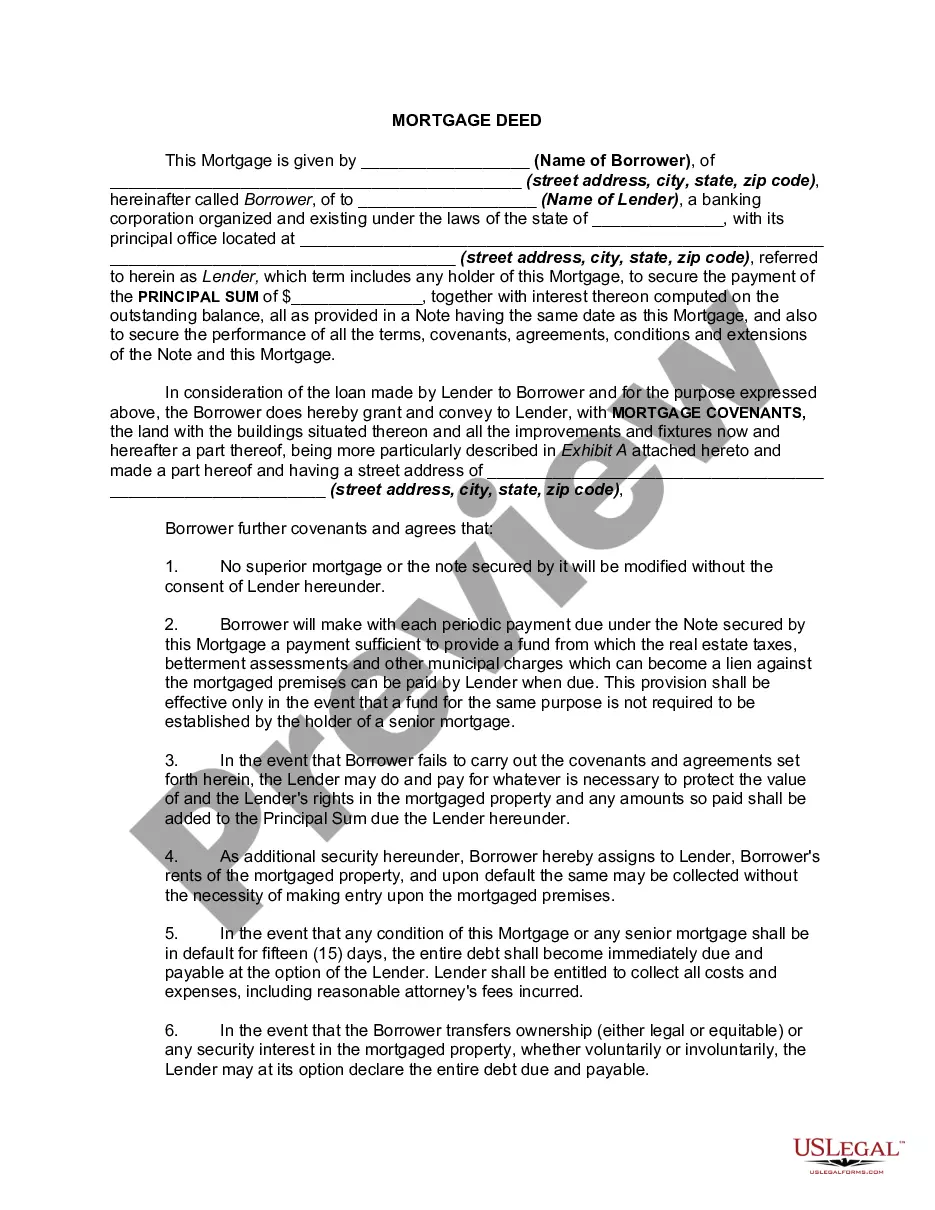
Description

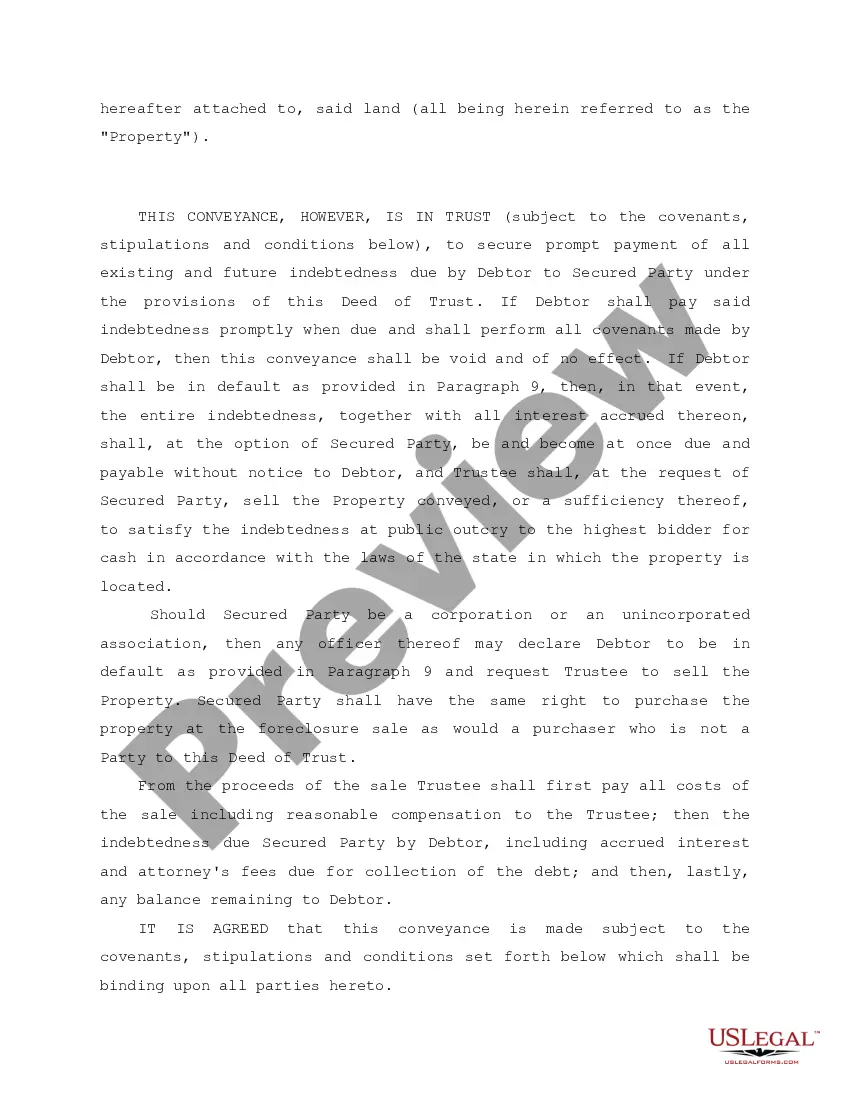
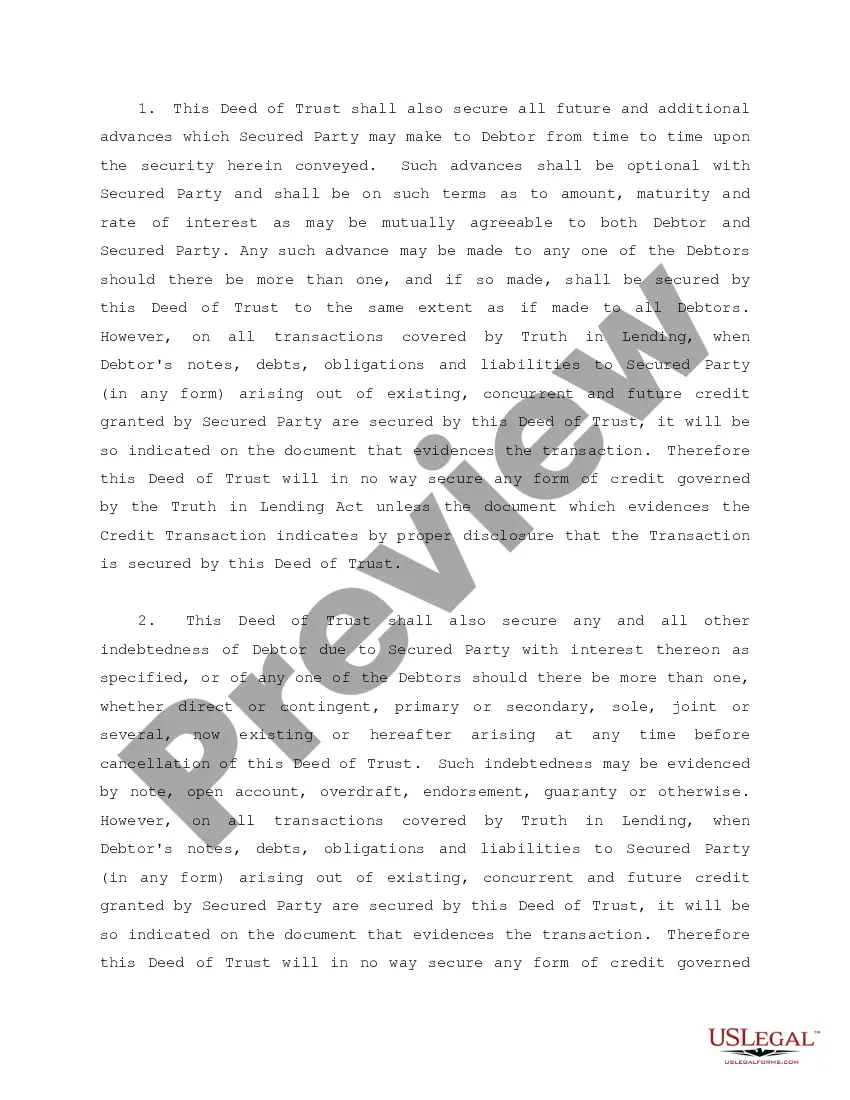
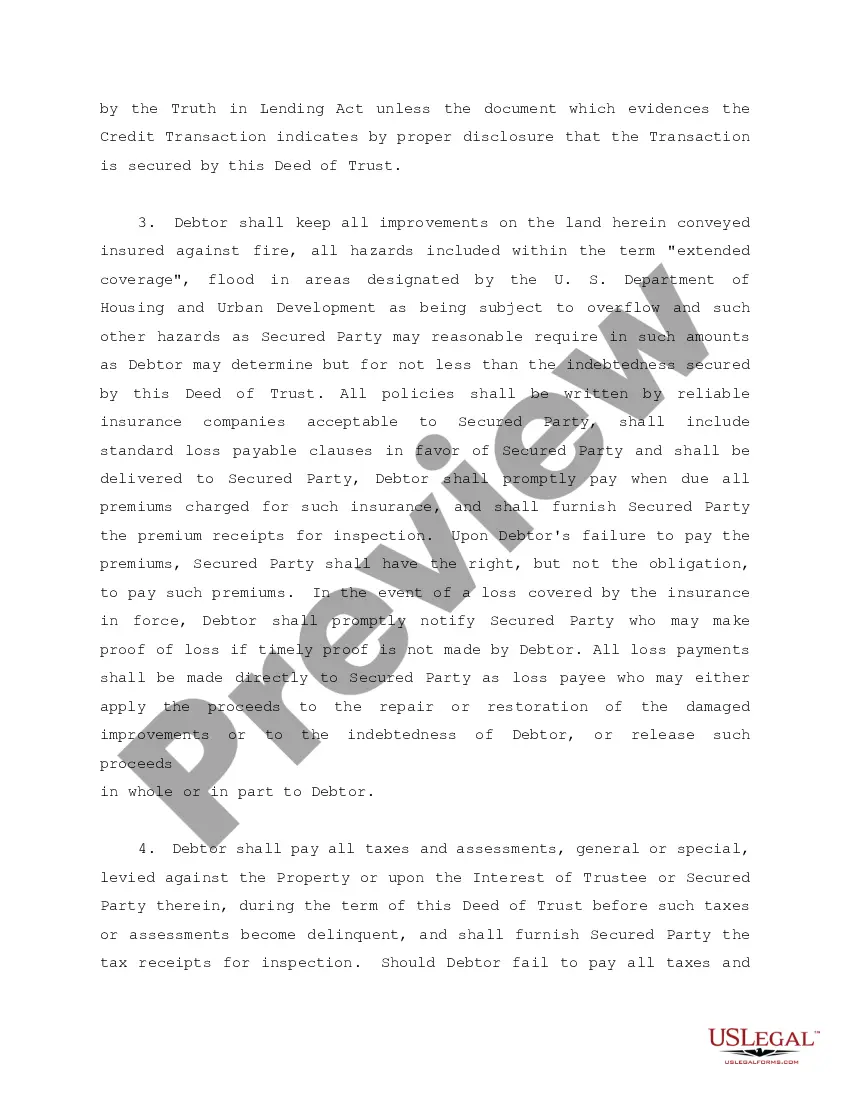
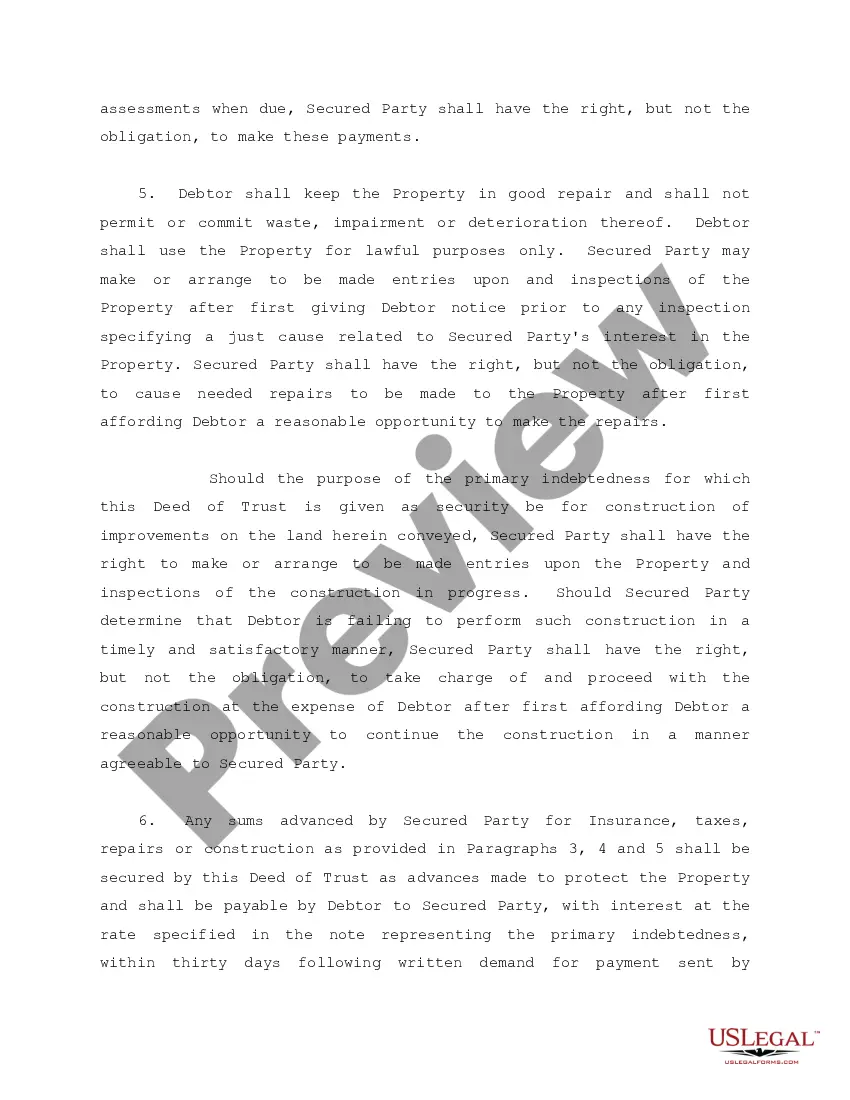

Get your form ready online
Our built-in tools help you complete, sign, share, and store your documents in one place.
Make edits, fill in missing information, and update formatting in US Legal Forms—just like you would in MS Word.
Download a copy, print it, send it by email, or mail it via USPS—whatever works best for your next step.
Sign and collect signatures with our SignNow integration. Send to multiple recipients, set reminders, and more. Go Premium to unlock E-Sign.
If this form requires notarization, complete it online through a secure video call—no need to meet a notary in person or wait for an appointment.
We protect your documents and personal data by following strict security and privacy standards.

Make edits, fill in missing information, and update formatting in US Legal Forms—just like you would in MS Word.

Download a copy, print it, send it by email, or mail it via USPS—whatever works best for your next step.

Sign and collect signatures with our SignNow integration. Send to multiple recipients, set reminders, and more. Go Premium to unlock E-Sign.

If this form requires notarization, complete it online through a secure video call—no need to meet a notary in person or wait for an appointment.

We protect your documents and personal data by following strict security and privacy standards.
Looking for another form?

Form popularity
FAQ
Mortgages, home equity loans, home equity lines of credit (HELOCs) and auto loans are all forms of secured debt, while most personal loans, credit cards, student loans and medical loans are unsecured debt.
Your Chapter 13 repayment plan must be submitted for court approval and must provide for payments of fixed amounts to the trustee on a regular basis. The trustee will distribute the funds to creditors ing to the terms of the plan. You must send a copy of your Chapter 13 repayment plan to each of your creditors.
That being said, here's what you're not allowed to do with a Chapter 7: Lie under oath about your financial or property assets. Keep property that must be used to discharge your debts. Miss payments to certain creditors in order to keep your home.
In these cases, the debt is typically discharged and creditors aren't repaid. Chapter 7 bankruptcy is usually best-suited for people who do not have a steady income, and Chapter 13 is best-suited for those who do.
Secured debt - A debt that is backed by real or personal property is a “secured” debt. A creditor whose debt is “secured” has a legal right to take the property as full or partial satisfaction of the debt. For example, most homes are burdened by a “secured debt”.
Ans: The main difference between secured and unsecured bonds is that secured bonds are backed by collateral. In contrast, unsecured bonds are not backed by collateral and depend more or less on the issuer's financial stability and creditworthiness.
Key Takeaways Because loans that are secured have collateral backing them, they are considered less risky than loans that are unsecured, or that have no collateral backing.
A security interest in many types of collateral may be perfected by filing a properly completed financing statement in the appropriate UCC filing offices.
Accounts Receivable It is not possible to “see and touch” an account receivable. Therefore, most lenders perfect a security interest in receivables by filing a financing statement.
Accounts Receivable It is not possible to “see and touch” an account receivable. Therefore, most lenders perfect a security interest in receivables by filing a financing statement.
