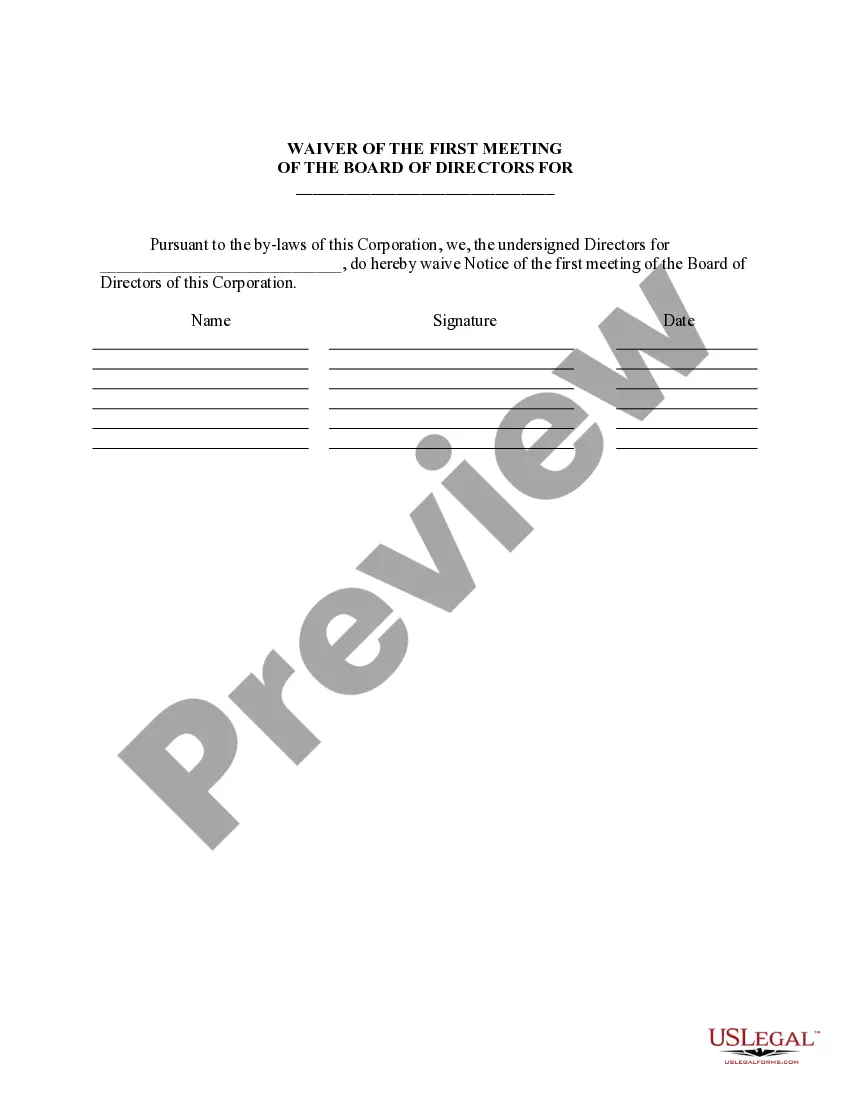
Board Directors Corporate Without In Kings
Description
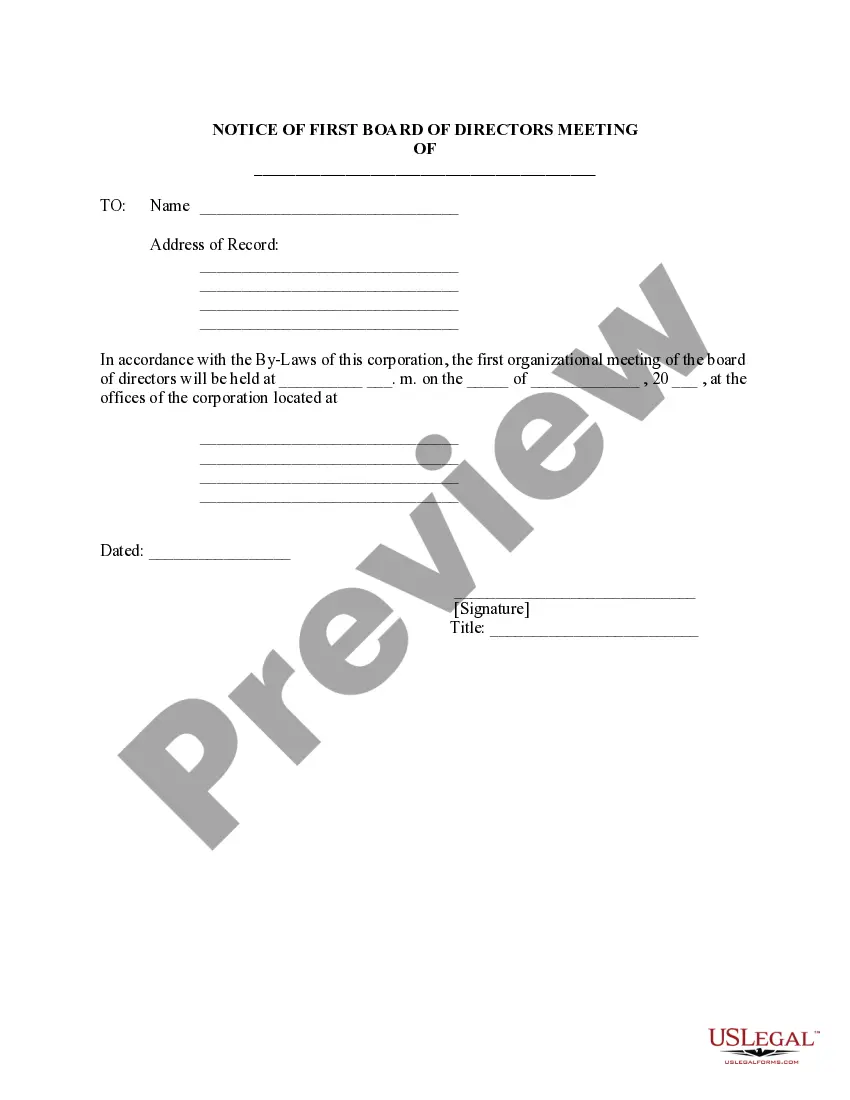


Get your form ready online
Our built-in tools help you complete, sign, share, and store your documents in one place.
Make edits, fill in missing information, and update formatting in US Legal Forms—just like you would in MS Word.
Download a copy, print it, send it by email, or mail it via USPS—whatever works best for your next step.
Sign and collect signatures with our SignNow integration. Send to multiple recipients, set reminders, and more. Go Premium to unlock E-Sign.
If this form requires notarization, complete it online through a secure video call—no need to meet a notary in person or wait for an appointment.
We protect your documents and personal data by following strict security and privacy standards.

Make edits, fill in missing information, and update formatting in US Legal Forms—just like you would in MS Word.

Download a copy, print it, send it by email, or mail it via USPS—whatever works best for your next step.

Sign and collect signatures with our SignNow integration. Send to multiple recipients, set reminders, and more. Go Premium to unlock E-Sign.

If this form requires notarization, complete it online through a secure video call—no need to meet a notary in person or wait for an appointment.

We protect your documents and personal data by following strict security and privacy standards.
Looking for another form?

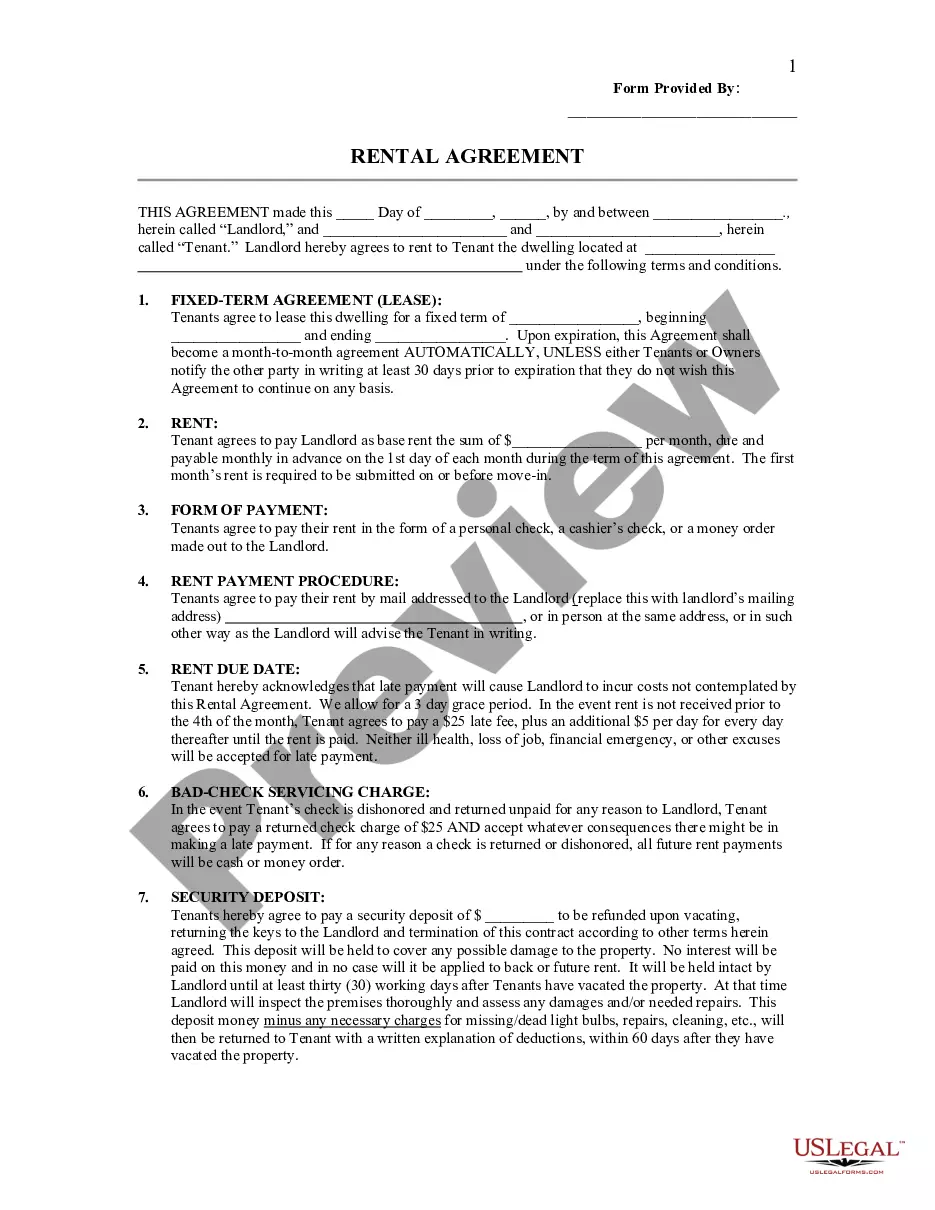
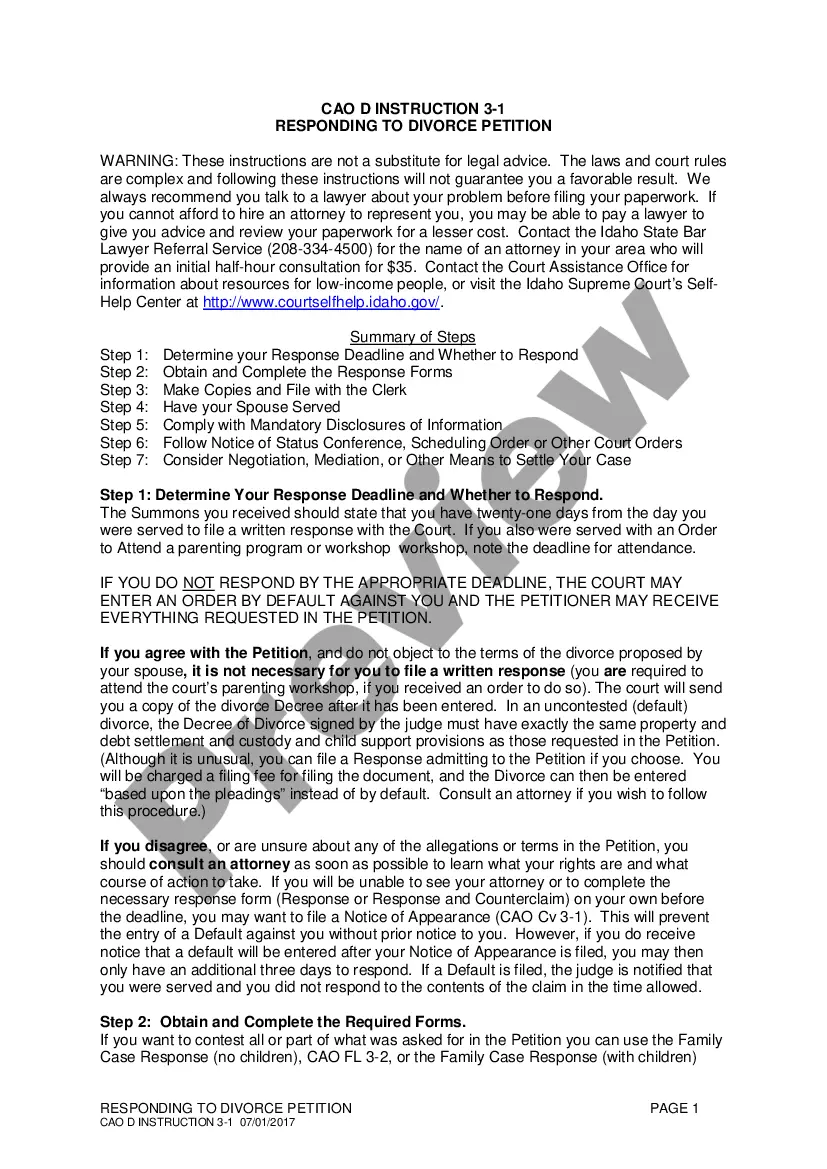

Form popularity
FAQ
A board of directors (BofD) is the governing body of a corporation or other organization, whose members are elected by shareholders (in the case of public companies) to set strategy, oversee management, and protect the interests of shareholders and stakeholders. Every public company must have a board of directors.
When does a company need a board of directors? Corporations are typically required by law to have a board of directors, starting from the time of incorporation. Many private startups pick their board members from an existing board of advisors. Advisors play a crucial role in your startup's growth and overall success.
Here are a few types of people who should avoid serving on Boards: Those Who Lack Objectivity. People Who Are All Talk And No Action. Those Who Are Conflict-Averse. People Who Don't Play Well With Others. Those Who Are Greedy. People Who Are Resistant To Change. People Who Are Not Team Players.
If your business is a corporation, then you are required by law to have a board of directors. Depending on your particular corporate structure and your state, one or two directors may be all that's legally required.
If you've reached a stage in your company's growth where you need advice and input on general business areas like financial auditing, strategic planning, raising capital, and management decisions consider getting some assistance. A board of directors with diverse expertise can be an invaluable and independent resource.
How many members usually sit on a board? A typical board of directors has nine members, but some have three, and others have 31. Typically, private companies have between three and seven directors on their boards. To avoid voting ties, boards are usually an odd number.
None. You don't have to own any stock to be elected to the board. On the other hand, if the shareholders like th have directors who own some stock, or who own a specific amount, then they won't elect you if you don't own any. (They can elect whomever they want.)
All corporations, regardless of the state, must have a shareholder-elected Board of Directors. An LLC is not required to have a Board of Directors, but can adopt this form of management if the members (the owners of the LLC) choose to do so.
every listed company should have independent directors, ie, directors that are not officers of the company; who are neither related to its officers nor represent concentrated or family holdings of its shares; who, in the view of the company's board of directors, represent the interests of public shareholders, and are ...
Potential Drawbacks of Appointing Independent Directors In addition to the potential benefits, there are a number of drawbacks to consider. One example is the risk of information asymmetry, as independent directors are generally less informed about the company than the management team.