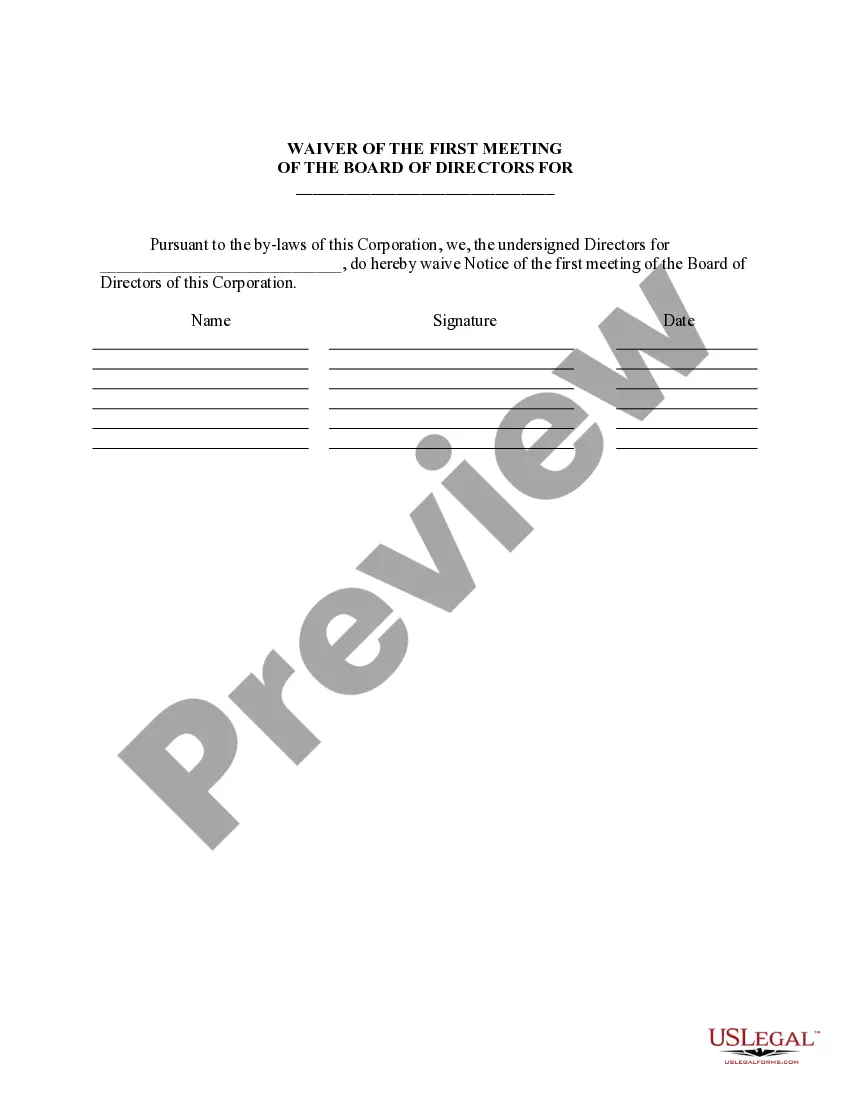
Board Directors Corporate With Shareholders In Dallas
Description
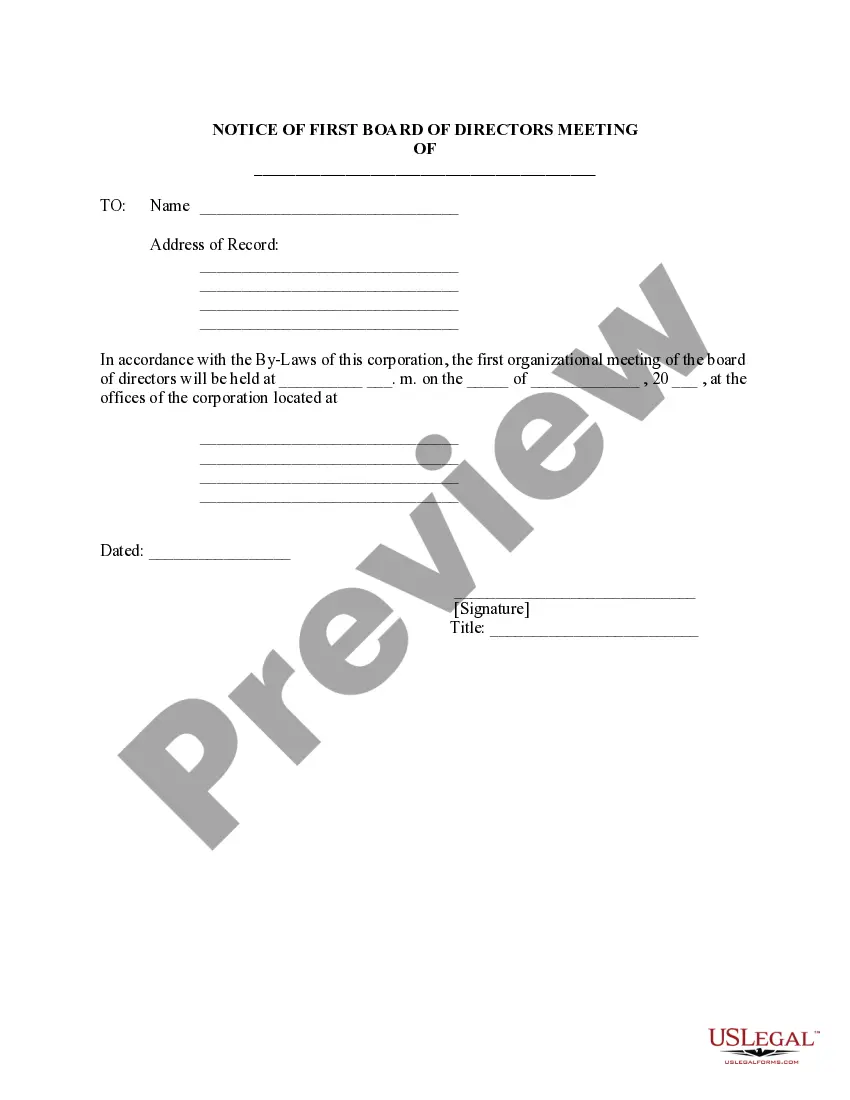


Get your form ready online
Our built-in tools help you complete, sign, share, and store your documents in one place.
Make edits, fill in missing information, and update formatting in US Legal Forms—just like you would in MS Word.
Download a copy, print it, send it by email, or mail it via USPS—whatever works best for your next step.
Sign and collect signatures with our SignNow integration. Send to multiple recipients, set reminders, and more. Go Premium to unlock E-Sign.
If this form requires notarization, complete it online through a secure video call—no need to meet a notary in person or wait for an appointment.
We protect your documents and personal data by following strict security and privacy standards.

Make edits, fill in missing information, and update formatting in US Legal Forms—just like you would in MS Word.

Download a copy, print it, send it by email, or mail it via USPS—whatever works best for your next step.

Sign and collect signatures with our SignNow integration. Send to multiple recipients, set reminders, and more. Go Premium to unlock E-Sign.

If this form requires notarization, complete it online through a secure video call—no need to meet a notary in person or wait for an appointment.

We protect your documents and personal data by following strict security and privacy standards.
Looking for another form?
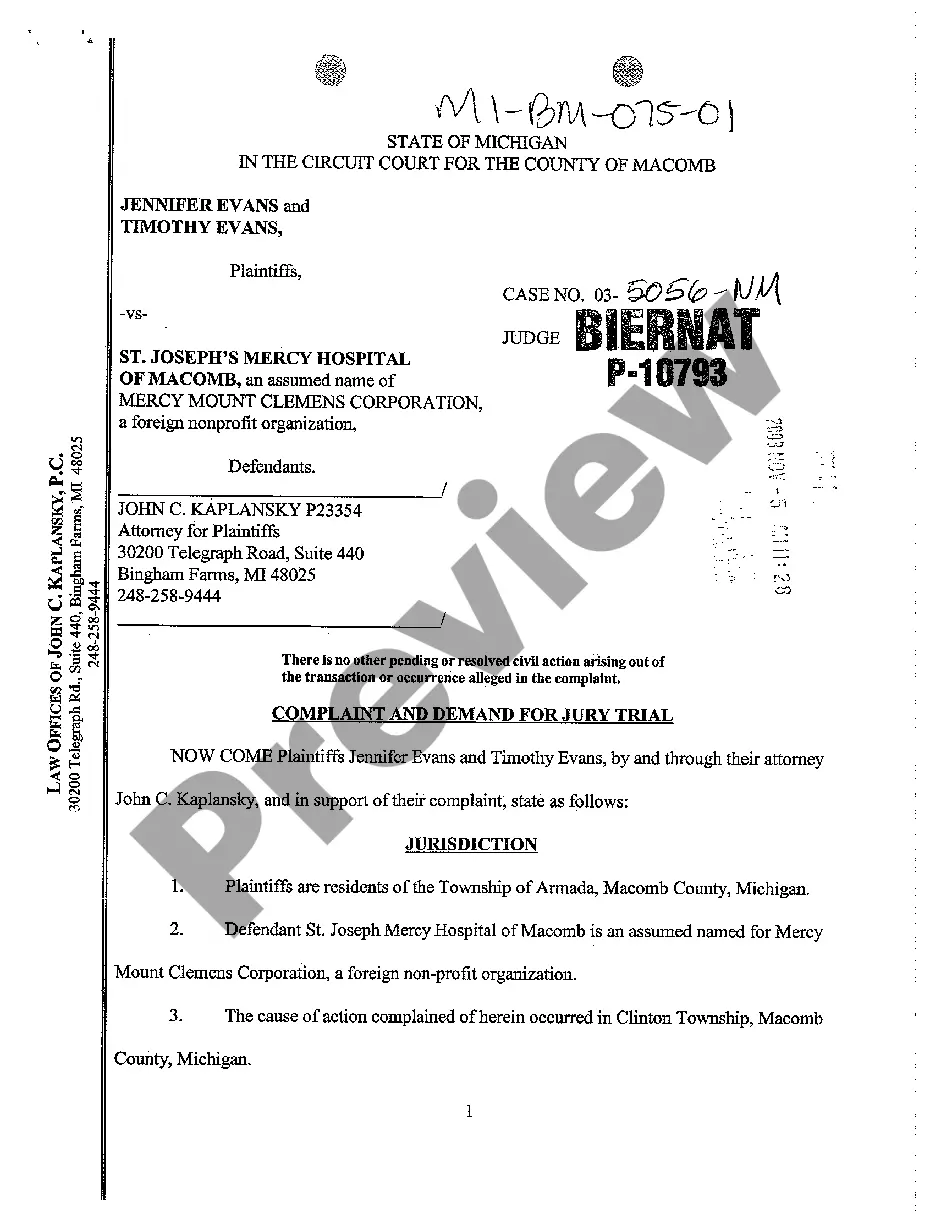
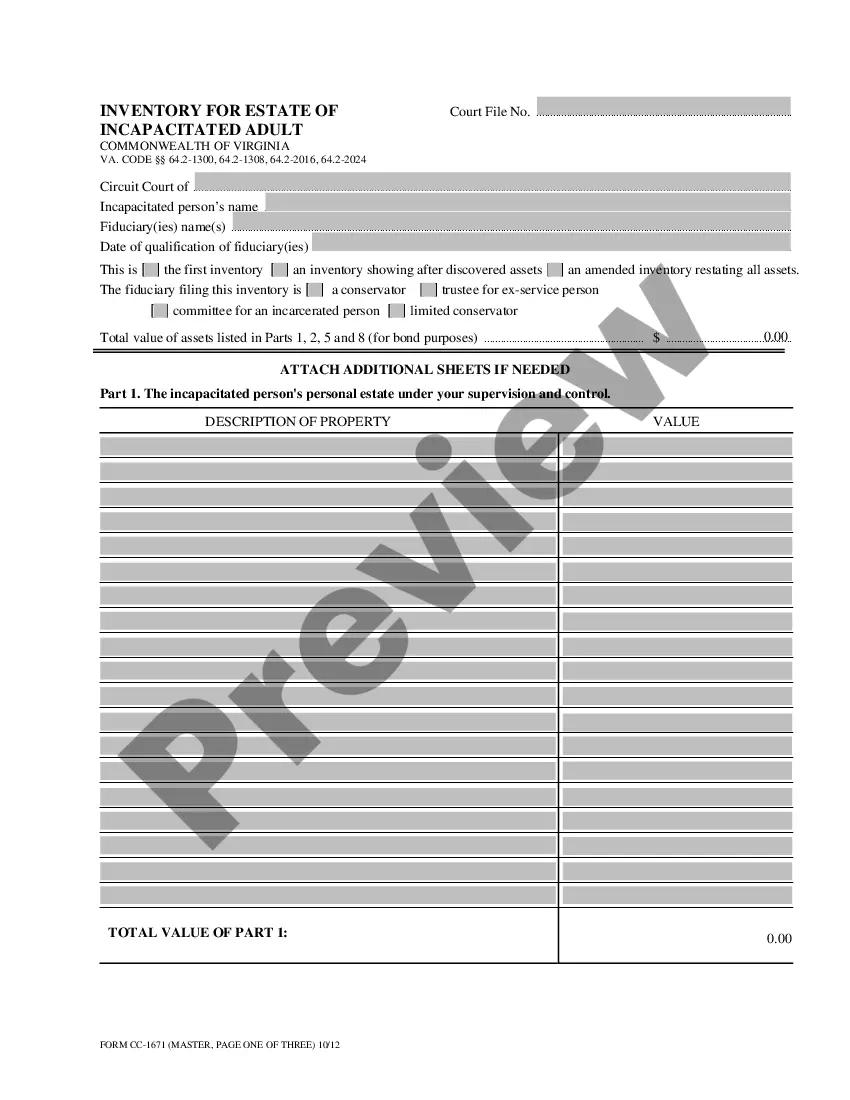




Form popularity
FAQ
While every board member is a shareholder, not every shareholder is automatically a board member. Shareholders who own a certain percentage of the company's shares (usually 10 percent or more) are eligible to serve on the board. However, they must be nominated and elected by the other shareholders.
Becoming a member of a board of directors requires a combination of relevant experience, a nomination and election process, and adherence to the organization's governance policies. Networking and demonstrating expertise in relevant areas can also enhance one's chances of being considered for a board position.
A commonplace among emerging companies is the need to promise investors seats on the board of directors. For a lot of different reasons, it makes sense to make this promise. It is usually a condition to receiving the investor's capital, so there's that.
To set up a private company limited by shares, you must have at least one director and one shareholder. These are entirely separate roles with different rights and obligations. However, it is common for the same people to hold both positions simultaneously, particularly in smaller owner-managed companies.
The board of directors is usually elected by the shareholders of the corporation. The shareholders will vote for the candidates that they believe will best represent their interests and help the company grow and succeed. Sometimes, the board of directors is appointed by the government or another regulatory body.
Every nonprofit has its own board recruitment process. After learning about the organization, consider reaching out to the chief executive, chair or board governance committee chair to indicate your interest in joining their board. It's important to understand their board member expectations and commitment.
In many cases, the director of a company will also be a shareholder – but the roles are separate and have different powers and responsibilities. There can also be different levels of control within those roles.
In some states there are laws known as “Sunshine laws” that require groups to open their meetings to the public, however, these laws generally only apply to governmental or quasi-governmental groups. Unless the nonprofit is a governmental entity, there is no obligation to open board meetings to the public.
The answer to this question is both yes and no. While every board member is a shareholder, not every shareholder is automatically a board member. Shareholders who own a certain percentage of the company's shares (usually 10 percent or more) are eligible to serve on the board.
The structure of a board is generally determined by the bylaws of the organization. Such bylaws define how many members there are, how the directors are elected, and how frequently the board meets. There is no required number of members for an organizational board and may depend on the company and its industry.