First Stockholders Meeting For Friends In Queens
Description
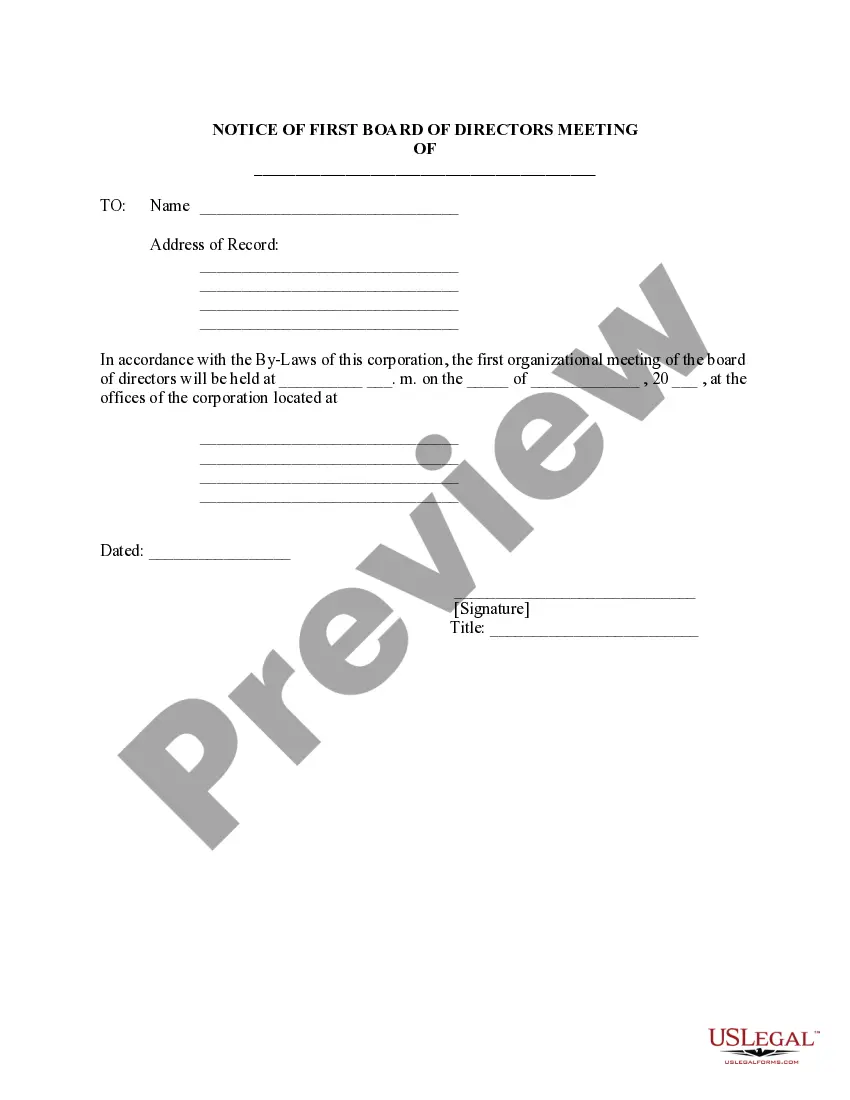


Get your form ready online
Our built-in tools help you complete, sign, share, and store your documents in one place.
Make edits, fill in missing information, and update formatting in US Legal Forms—just like you would in MS Word.
Download a copy, print it, send it by email, or mail it via USPS—whatever works best for your next step.
Sign and collect signatures with our SignNow integration. Send to multiple recipients, set reminders, and more. Go Premium to unlock E-Sign.
If this form requires notarization, complete it online through a secure video call—no need to meet a notary in person or wait for an appointment.
We protect your documents and personal data by following strict security and privacy standards.
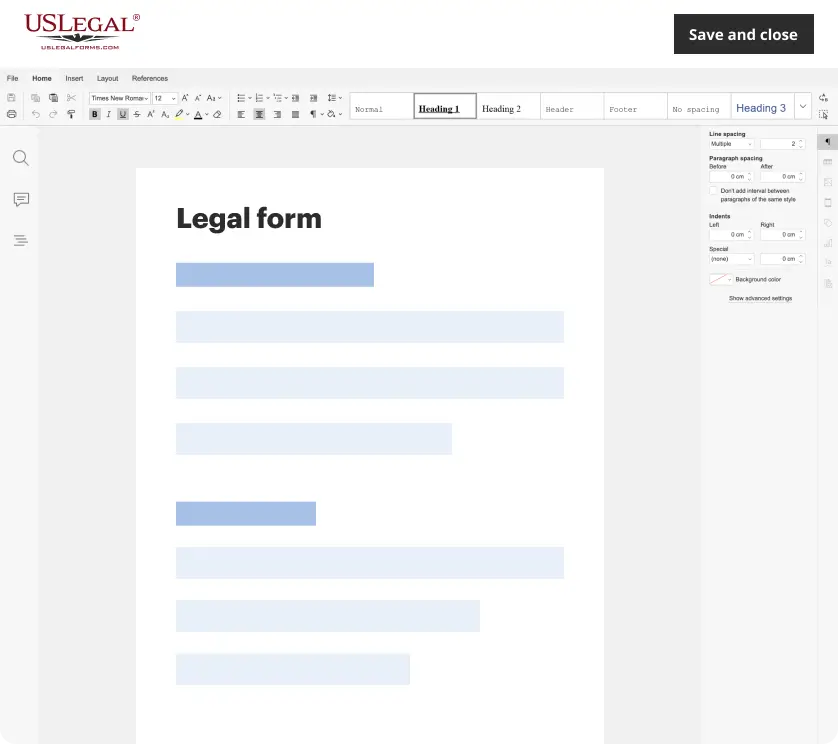
Make edits, fill in missing information, and update formatting in US Legal Forms—just like you would in MS Word.
Download a copy, print it, send it by email, or mail it via USPS—whatever works best for your next step.
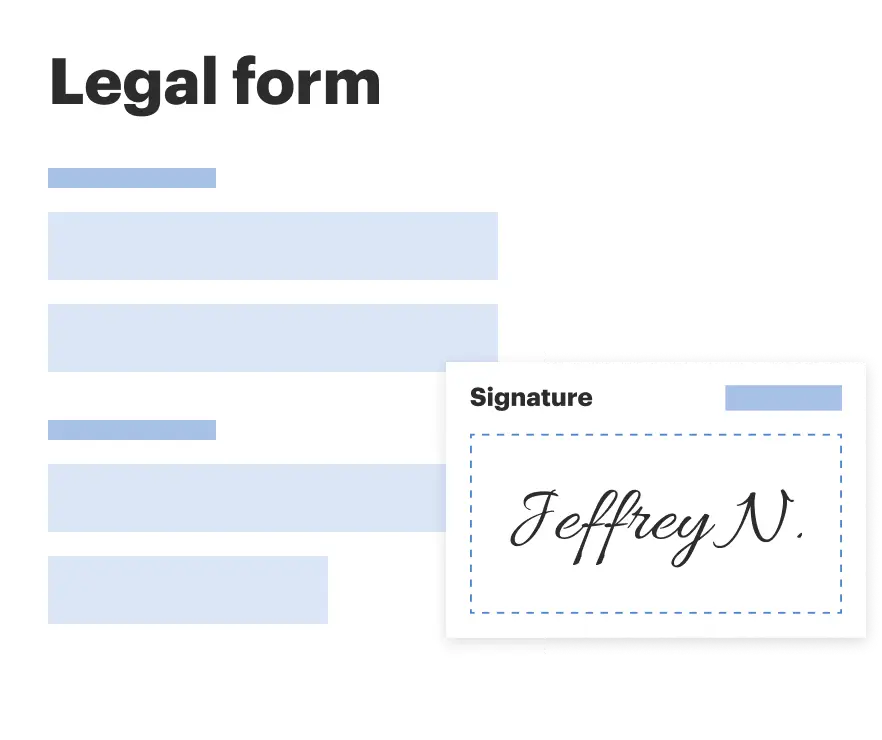
Sign and collect signatures with our SignNow integration. Send to multiple recipients, set reminders, and more. Go Premium to unlock E-Sign.
If this form requires notarization, complete it online through a secure video call—no need to meet a notary in person or wait for an appointment.
We protect your documents and personal data by following strict security and privacy standards.
Looking for another form?



Form popularity
FAQ
In general, companies require a letter or similar notification from investors having a sufficient number of shares, demanding a special meeting and stating the purpose for that meeting. The company can then set the date for the meeting, typically within a 30 to 90 day time period after receipt of the demand.
Notification to Shareholders Annual shareholder meetings require a notice period of at least 21 days. The notice period can be shortened with the expressed consent of all shareholders. The notice should include all the basic meeting details and other important pieces of documentation, such as the meeting agenda.
Statutory meeting is the first meeting of the shareholders of the company. it must not be held only once in a lifetime of a company . Hence the first general meeting of the company is the statutory meeting.
In contrast, a special board meeting is a meeting that is not scheduled well in advance and is called by someone – authorized either under the law or the organization's bylaws – for a special purpose.
The special meeting aims to enable the shareholders to know the company's affairs and vote on the management's recommendations in the proposed resolution. The shareholders are equally essential in the decision-making process.
In order to have a legal meeting you must have a quorum of shareholders present. Typically, a quorum is defined as a representative of more than half of all shares outstanding. There are many other items that can be included on the agenda for an annual shareholder meeting.
A General Meeting is simply a meeting of shareholders and 21 days' notice must be given to shareholders, but this can be reduced to 14 days, or increased to 28 days, in certain situations.
AGMs are mandatory for both public and private companies. All shareholders are legally obligated to receive an invitation to these meetings. The board of directors should also be represented. An auditor may also be present if the organization is subject to an audit requirement.
An Extraordinary General Meeting (EGM) is an urgent meeting called to address pressing company issues or emergencies. These matters require the immediate attention of the board, shareholders and senior company executives. An EGM is also referred to as a special general meeting or an emergency general meeting.
The general meeting called within six months of the end of the previous fiscal year is known as the “annual” general meeting (or “AGM”). If a general meeting is held outside that time frame, it is “extraordinary” (“EGM”) and meant to address urgent or pressing matters that couldn't be settled at the AGM.

