Consumer Investigative Release With Case Laws In North Carolina
Description
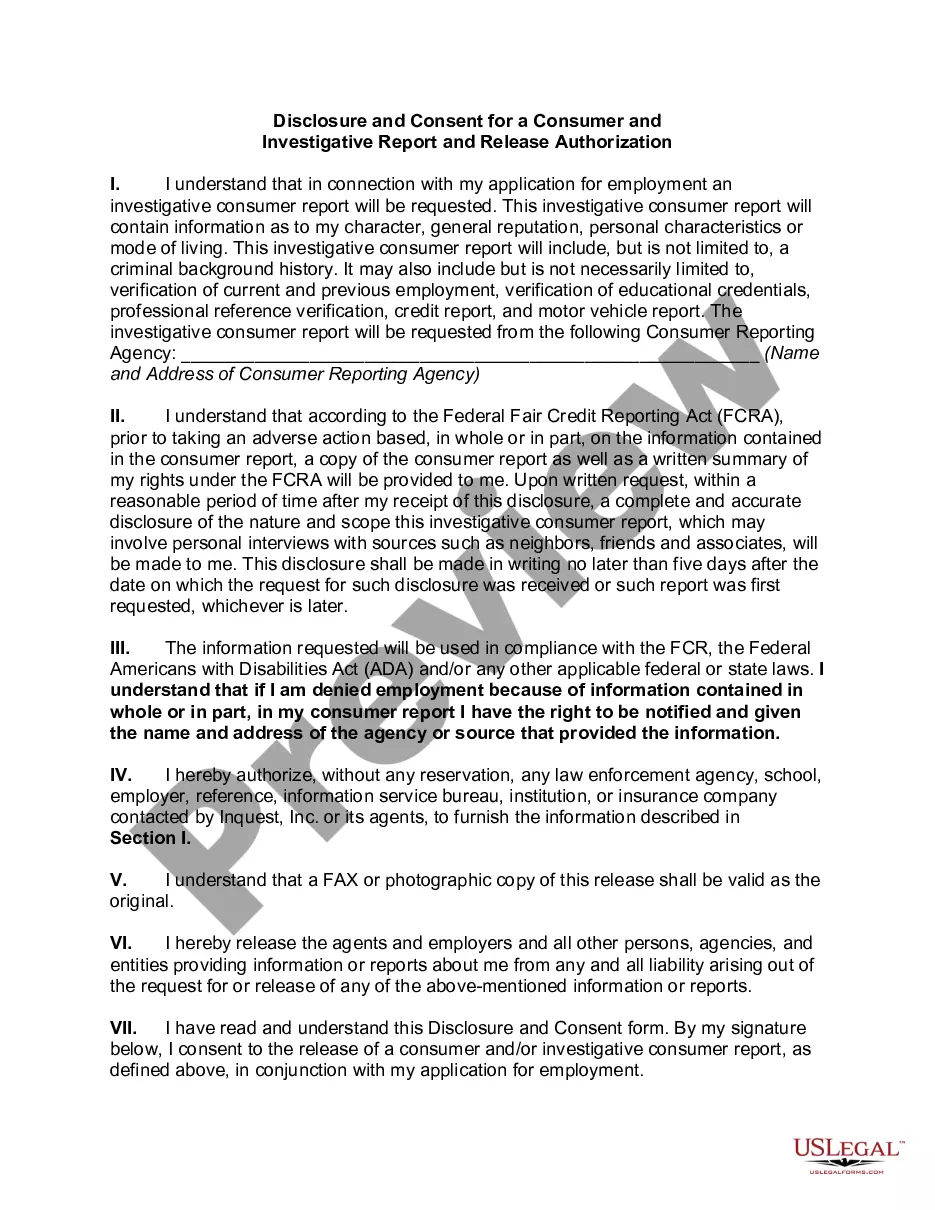
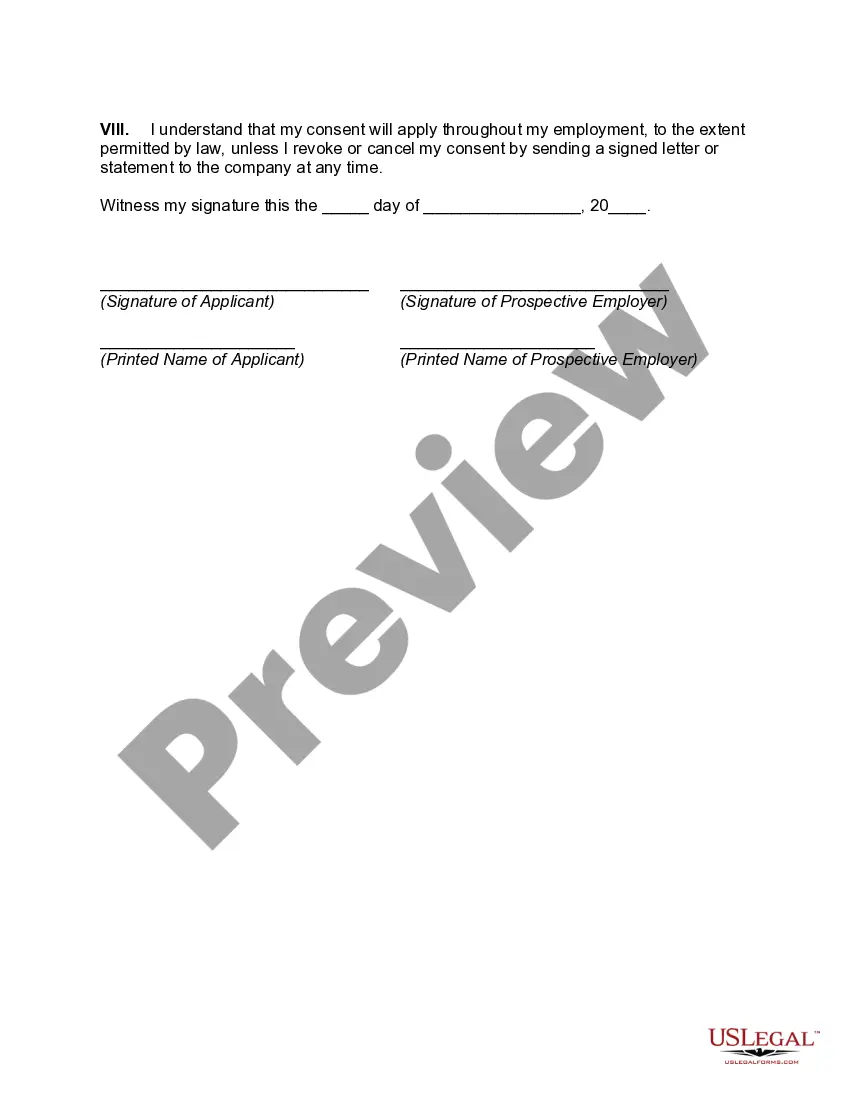
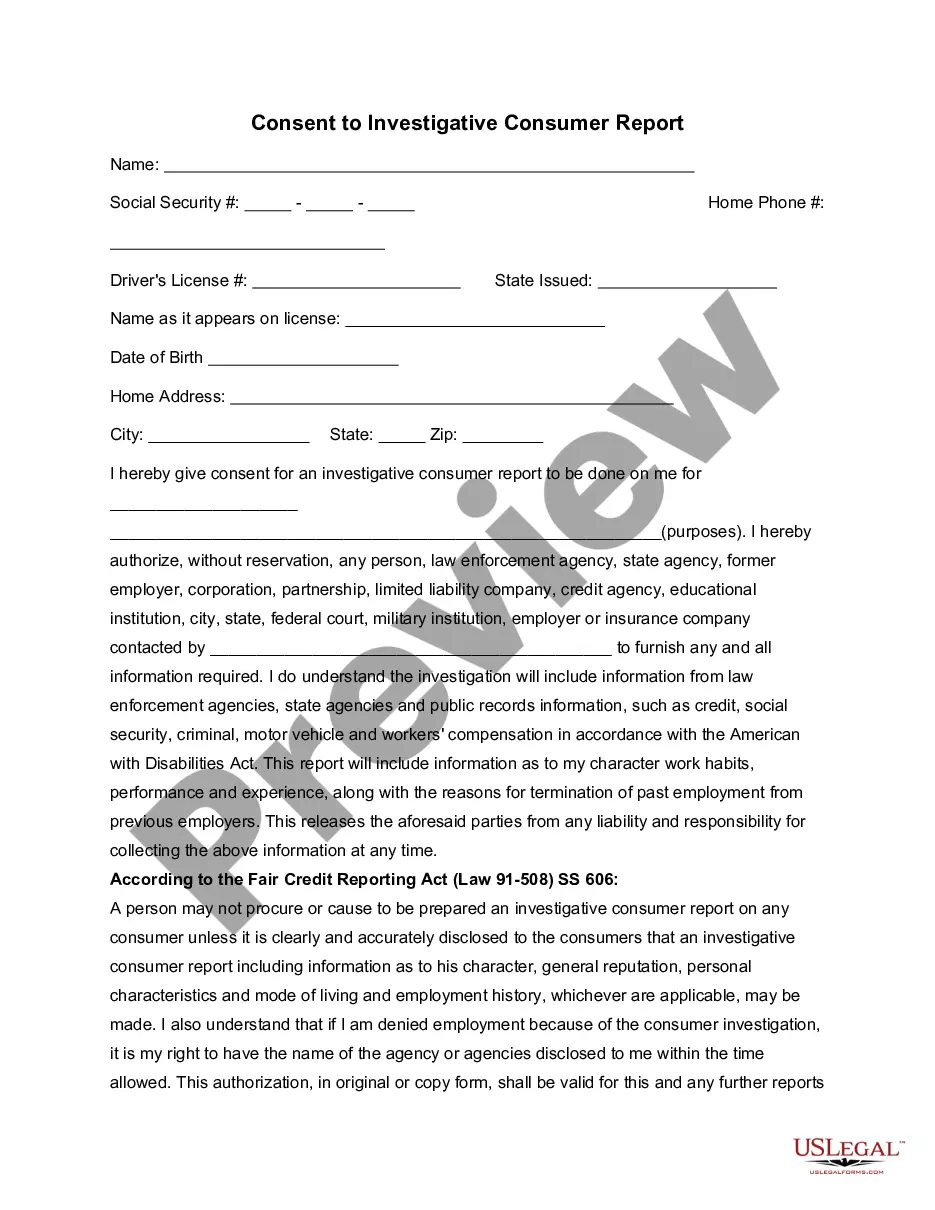
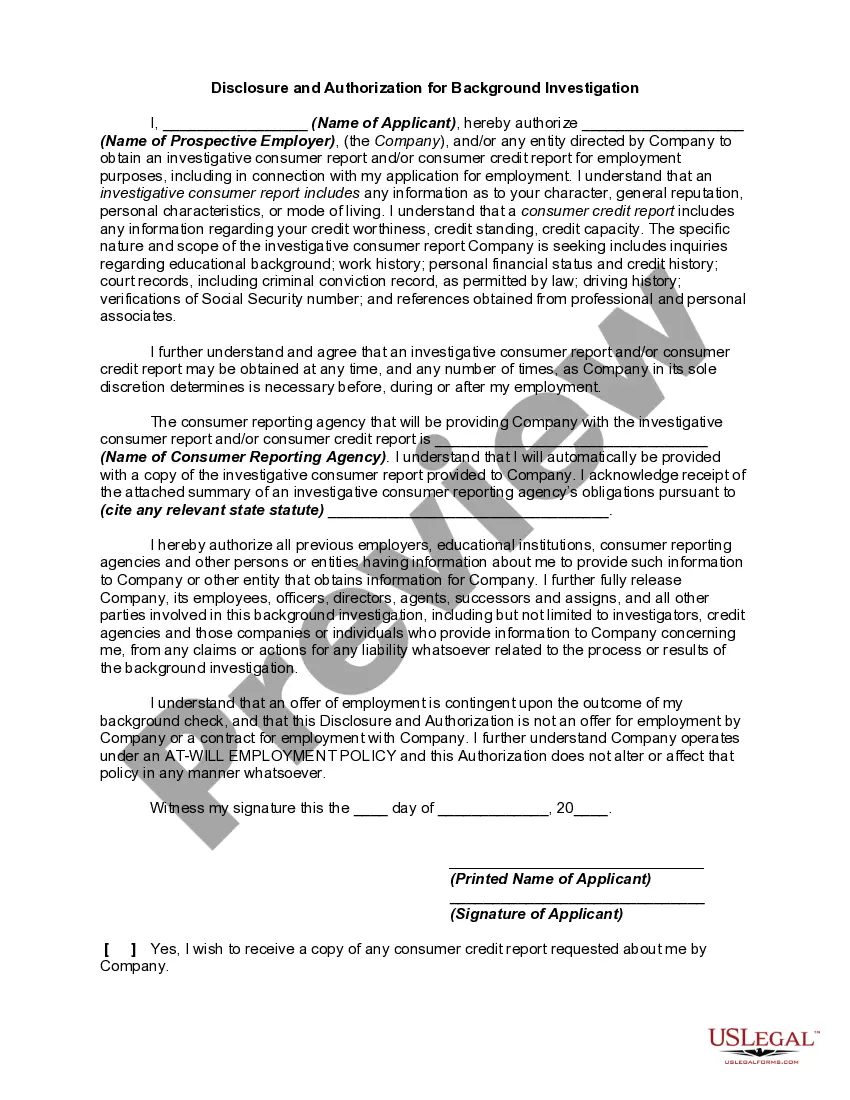
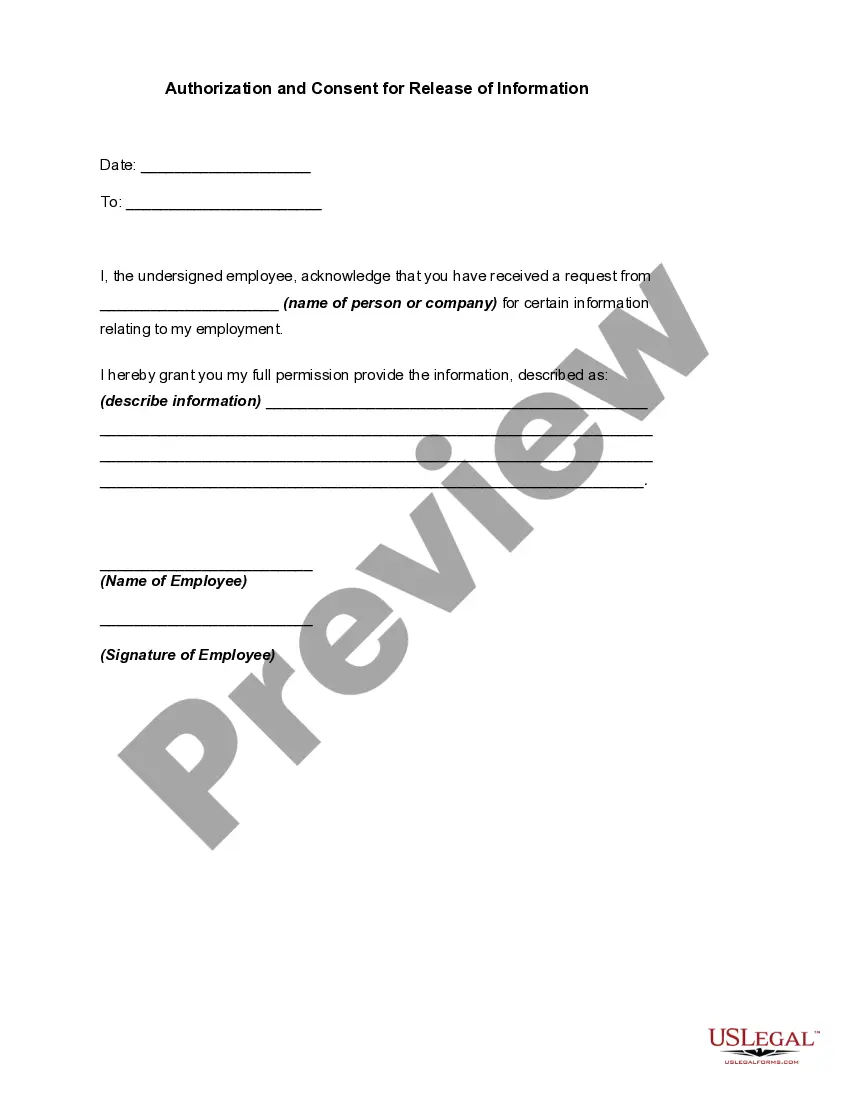
Get your form ready online
Our built-in tools help you complete, sign, share, and store your documents in one place.
Make edits, fill in missing information, and update formatting in US Legal Forms—just like you would in MS Word.
Download a copy, print it, send it by email, or mail it via USPS—whatever works best for your next step.
Sign and collect signatures with our SignNow integration. Send to multiple recipients, set reminders, and more. Go Premium to unlock E-Sign.
If this form requires notarization, complete it online through a secure video call—no need to meet a notary in person or wait for an appointment.
We protect your documents and personal data by following strict security and privacy standards.

Make edits, fill in missing information, and update formatting in US Legal Forms—just like you would in MS Word.

Download a copy, print it, send it by email, or mail it via USPS—whatever works best for your next step.

Sign and collect signatures with our SignNow integration. Send to multiple recipients, set reminders, and more. Go Premium to unlock E-Sign.

If this form requires notarization, complete it online through a secure video call—no need to meet a notary in person or wait for an appointment.

We protect your documents and personal data by following strict security and privacy standards.
Looking for another form?







Form popularity
FAQ
The NCCPA empowers North Carolina residents with control over their personal data and imposes obligations on organizations engaged in processing the personal data of North Carolina residents, positioning North Carolina at the forefront of state-level privacy legislation in the United States.
I have a problem with a business. Where can I get help? You may wish to file a consumer complaint with the North Carolina Consumer Protection Division. You can file a complaint online or call 1-877-5-NO-SCAM for assistance.
The granddaddy of consumer protection statutes in North Carolina is Chapter 75, which prohibits “Unfair methods of competition in or affecting commerce, and unfair or deceptive acts or practices in or affecting commerce. N.C.G.S. § 75- 1.1(a).
Telling the Federal Trade Commission helps us stop ripoffs, scams, and fraudsters. Your complaints matter here. To file a complaint, just go to ftc/complaint, and answer the questions. Or call That's all there is to it.
The policy of the state of North Carolina is to allow public access to the business of government. We help by acting as a liaison between public officials and the public. Open government laws are known as “sunshine laws” because they help shed light on the government's work.
The FTC's Bureau of Consumer Protection stops unfair, deceptive and fraudulent business practices by collecting reports from consumers and conducting investigations, suing companies and people that break the law, developing rules to maintain a fair marketplace, and educating consumers and businesses about their rights ...
The cornerstone of consumer protection in North Carolina is the North Carolina Consumer Protection Act (NCCPA). This legislative act prohibits unfair and deceptive trade practices, such as false advertising, fraudulent schemes, and deceptive business practices.
The policy of the state of North Carolina is to allow public access to the business of government. We help by acting as a liaison between public officials and the public. Open government laws are known as “sunshine laws” because they help shed light on the government's work.
The Identity Theft Protection Act requires businesses and state and local government to notify people when there is a security breach involving their personal identifying information.
The granddaddy of consumer protection statutes in North Carolina is Chapter 75, which prohibits “Unfair methods of competition in or affecting commerce, and unfair or deceptive acts or practices in or affecting commerce. N.C.G.S. § 75- 1.1(a).
