Personal Property In A Trust In Salt Lake
Description

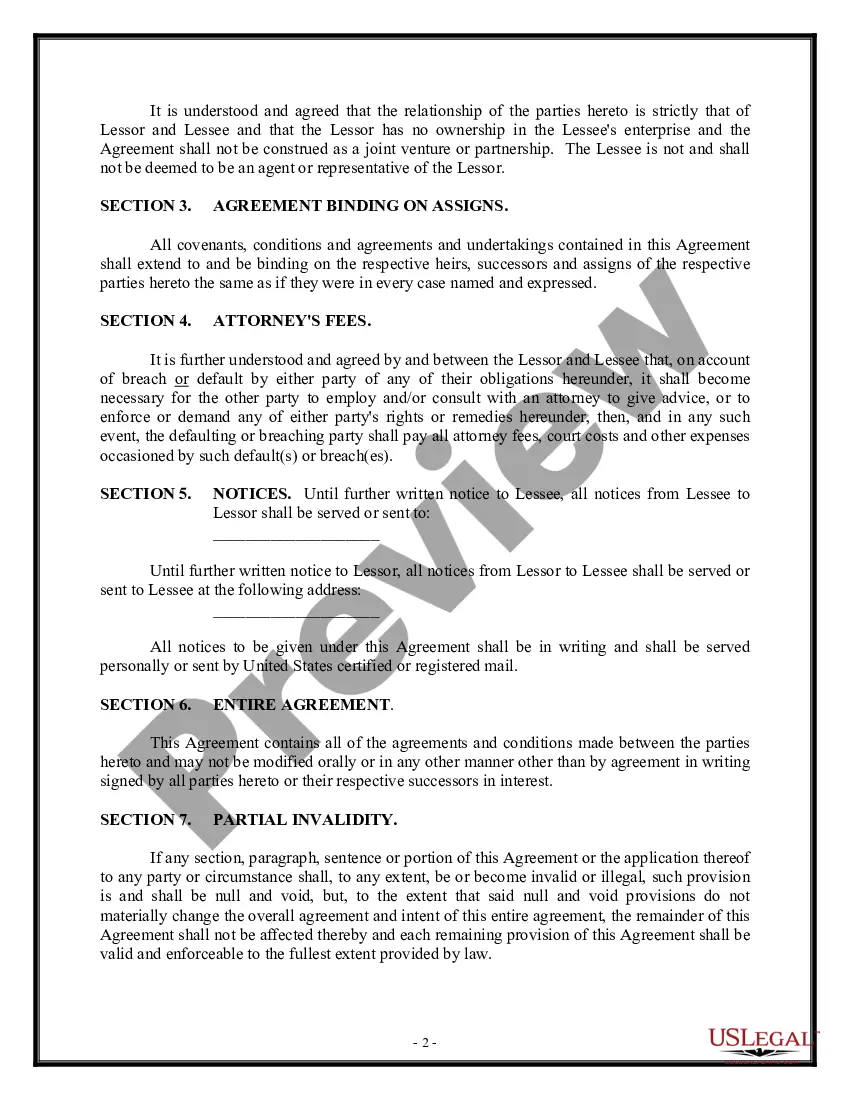
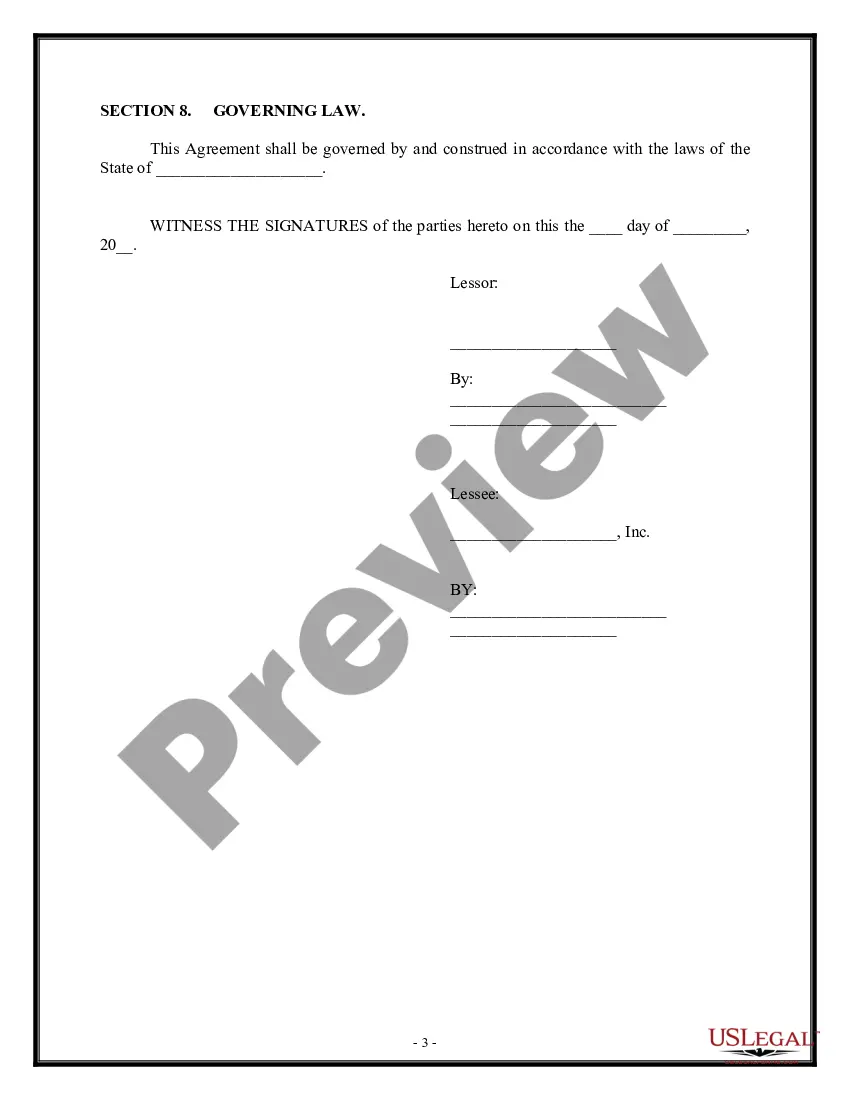
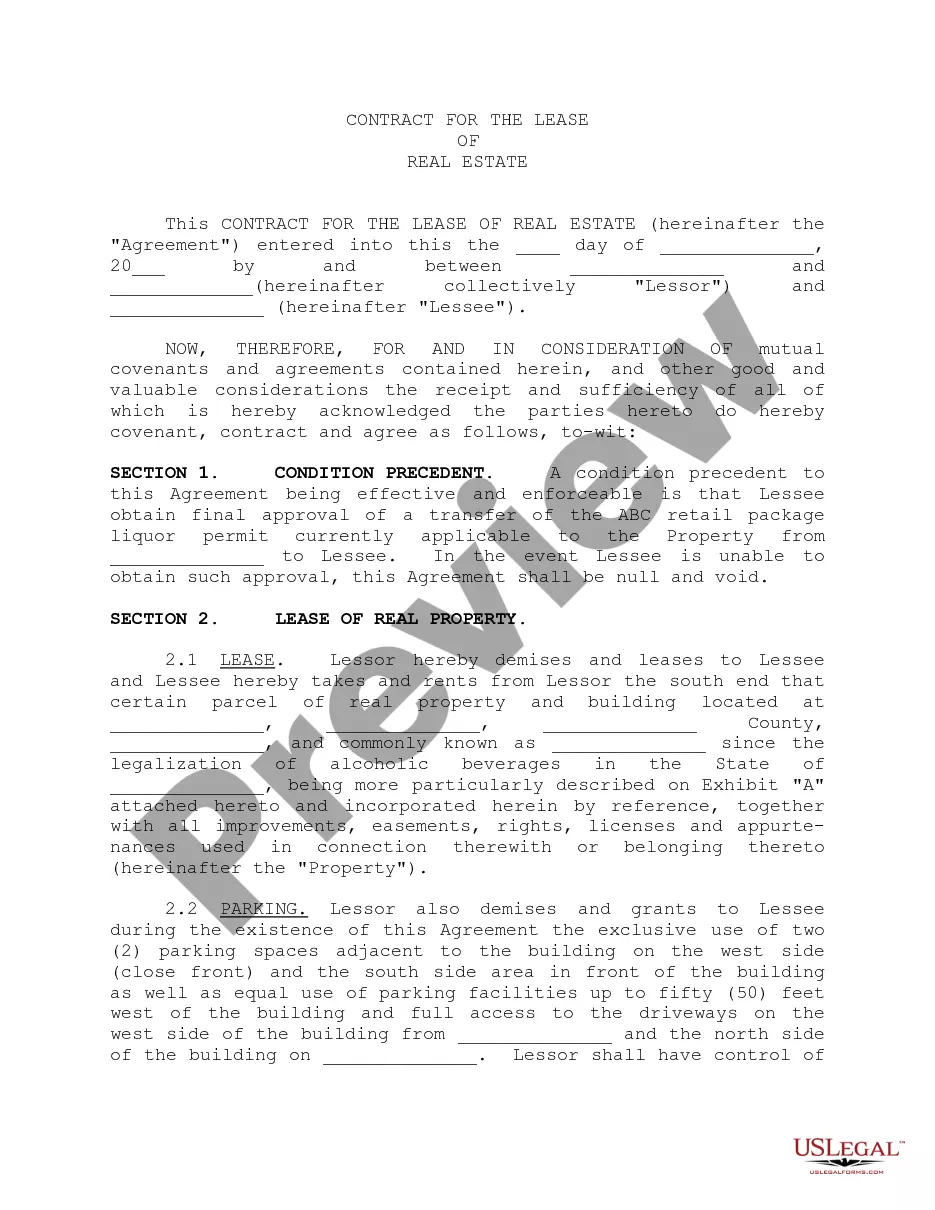
Get your form ready online
Our built-in tools help you complete, sign, share, and store your documents in one place.
Make edits, fill in missing information, and update formatting in US Legal Forms—just like you would in MS Word.
Download a copy, print it, send it by email, or mail it via USPS—whatever works best for your next step.
Sign and collect signatures with our SignNow integration. Send to multiple recipients, set reminders, and more. Go Premium to unlock E-Sign.
If this form requires notarization, complete it online through a secure video call—no need to meet a notary in person or wait for an appointment.
We protect your documents and personal data by following strict security and privacy standards.

Make edits, fill in missing information, and update formatting in US Legal Forms—just like you would in MS Word.

Download a copy, print it, send it by email, or mail it via USPS—whatever works best for your next step.

Sign and collect signatures with our SignNow integration. Send to multiple recipients, set reminders, and more. Go Premium to unlock E-Sign.

If this form requires notarization, complete it online through a secure video call—no need to meet a notary in person or wait for an appointment.

We protect your documents and personal data by following strict security and privacy standards.
Looking for another form?

Form popularity
FAQ
Trusts offer amazing benefits, but they also come with potential downsides like loss of control, limited access to assets, costs, and recordkeeping difficulties.
Grantors opting for these trusts lose their ownership rights to the assets within them. They lose the ability to decide how to manage or sell these assets.
You transfer your home to the trust by signing a deed that names the trust as the new owner of the property. The deed then needs to be recorded with the local county recorder's office. Once recorded, the trust is now "on title" as the legal owner of the property.
Trusts also can be very useful for asset protection purposes if the creditors of the beneficiary are prevented from reaching the trust's assets. A trust can be an effective way to place assets outside the reach of creditors.
Often, a Trust will be created along with a Will, which stipulates how holdings of the Trustor are to be distributed. Trusts can cover assets like real estate, but there may be other valuables that need to be transferred too. These valuables are known as Personal Property.
In most situations, one would typically want to maintain full control of personal property assets. As a result, few would use this type of trust planning for personal property. An exception might be an heirloom of great value that spends most of its time in a safe deposit box.
When you buy a home, you may have the option of buying it in a trust. Legally, that means the trust, rather than you, owns the home. However, you can be the trustee of the property and have significant control over it and what happens to it after you die.
(1) A trust is created only if: (a) the settlor has capacity to create a trust, which standard of capacity shall be the same as for a person to create a will; (b) the settlor indicates an intention to create the trust or a statute, judgment, or decree authorizes the creation of a trust; (c) the trust has a definite ...