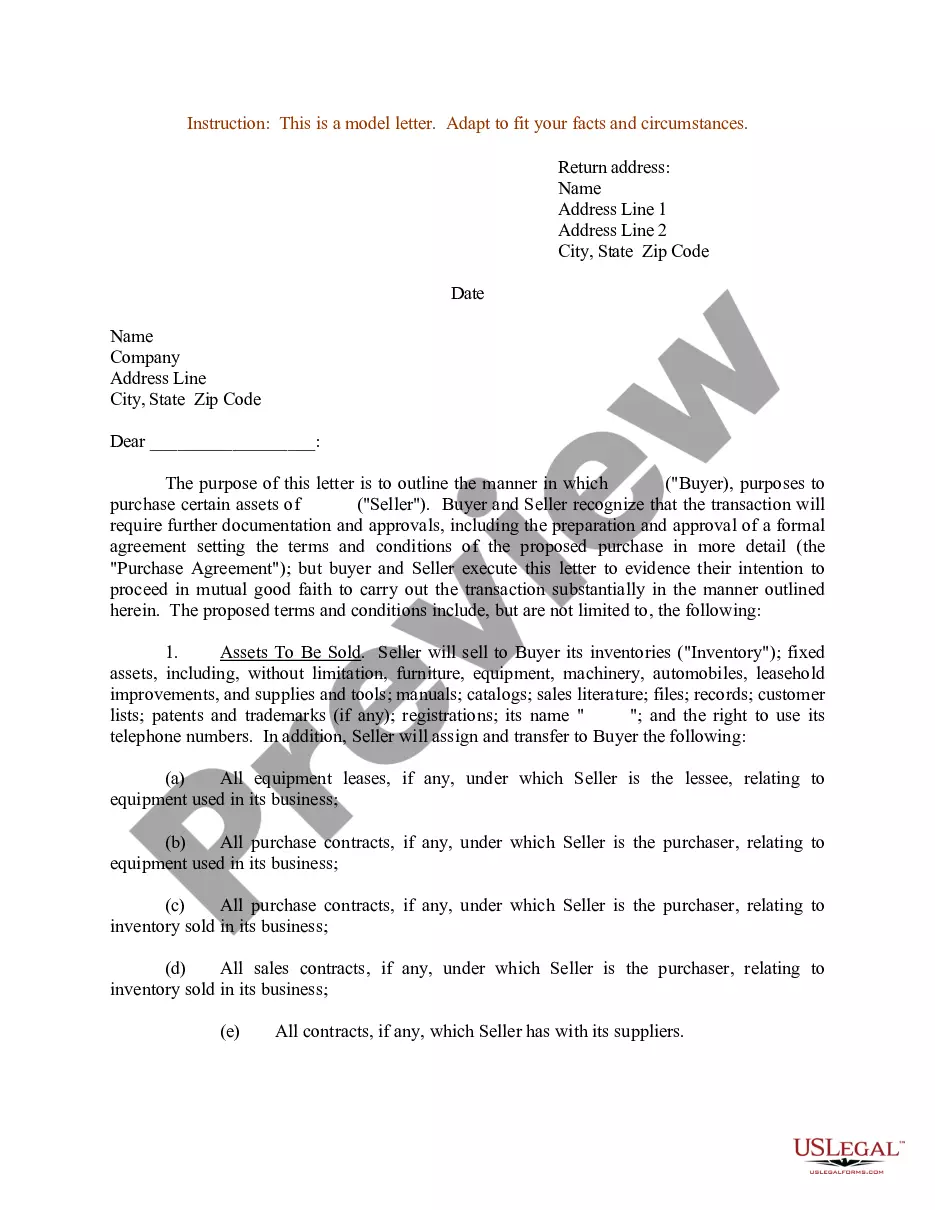
Private Property With Examples In North Carolina
Description

Get your form ready online
Our built-in tools help you complete, sign, share, and store your documents in one place.
Make edits, fill in missing information, and update formatting in US Legal Forms—just like you would in MS Word.
Download a copy, print it, send it by email, or mail it via USPS—whatever works best for your next step.
Sign and collect signatures with our SignNow integration. Send to multiple recipients, set reminders, and more. Go Premium to unlock E-Sign.
If this form requires notarization, complete it online through a secure video call—no need to meet a notary in person or wait for an appointment.
We protect your documents and personal data by following strict security and privacy standards.

Make edits, fill in missing information, and update formatting in US Legal Forms—just like you would in MS Word.

Download a copy, print it, send it by email, or mail it via USPS—whatever works best for your next step.

Sign and collect signatures with our SignNow integration. Send to multiple recipients, set reminders, and more. Go Premium to unlock E-Sign.

If this form requires notarization, complete it online through a secure video call—no need to meet a notary in person or wait for an appointment.

We protect your documents and personal data by following strict security and privacy standards.
Looking for another form?







Form popularity
FAQ
Thus, the three basic elements of private property are (1) exclusivity of rights to choose the use of a resource, (2) exclusivity of rights to the services of a resource, and (3) rights to exchange the resource at mutually agreeable terms.
As defined by North Carolina law, private property would be owned by a private individual and not a commercial or other business interest.
Private property may consist of real estate, buildings, objects, intellectual property (copyright, patent, trademark, and trade secrets).
Personal property owners are responsible for annually completing and submitting a personal property listing form to the Tax Office. Individual Personal Property includes, but is not limited to unlicensed motor vehicles, jet skis, campers, camper trailers, aircraft, manufactured homes, boat motors and gliders.
Public lands such as parks and natural areas that are open for community members to enjoy often are clearly marked on maps and signage. Avoid areas that are fenced or feature signs that read “No Trespassing,” “Private Property” or “Keep Out.”
Legal Principles and Property Law The Fifth Amendment specifies that the government cannot seize private property for public use without providing fair compensation. Additionally, the Fourteenth Amendment states, “nor shall any State deprive any person of life, liberty, or property, without due process of law.”
Primary tabs. Private property refers to the ownership of property by private parties - essentially anyone or anything other than the government. Private property may consist of real estate, buildings, objects, intellectual property (copyright, patent, trademark, and trade secrets).
What is an example of private ownership? An example of private ownership would be if an individual owned a piece of land, a house, or a car. The individual would have the right to use the property as they see fit and to transfer ownership of the property to others if they so choose.
Private property may consist of real estate, buildings, objects, intellectual property (copyright, patent, trademark, and trade secrets).