Personal Property For Home Insurance Coverage In King
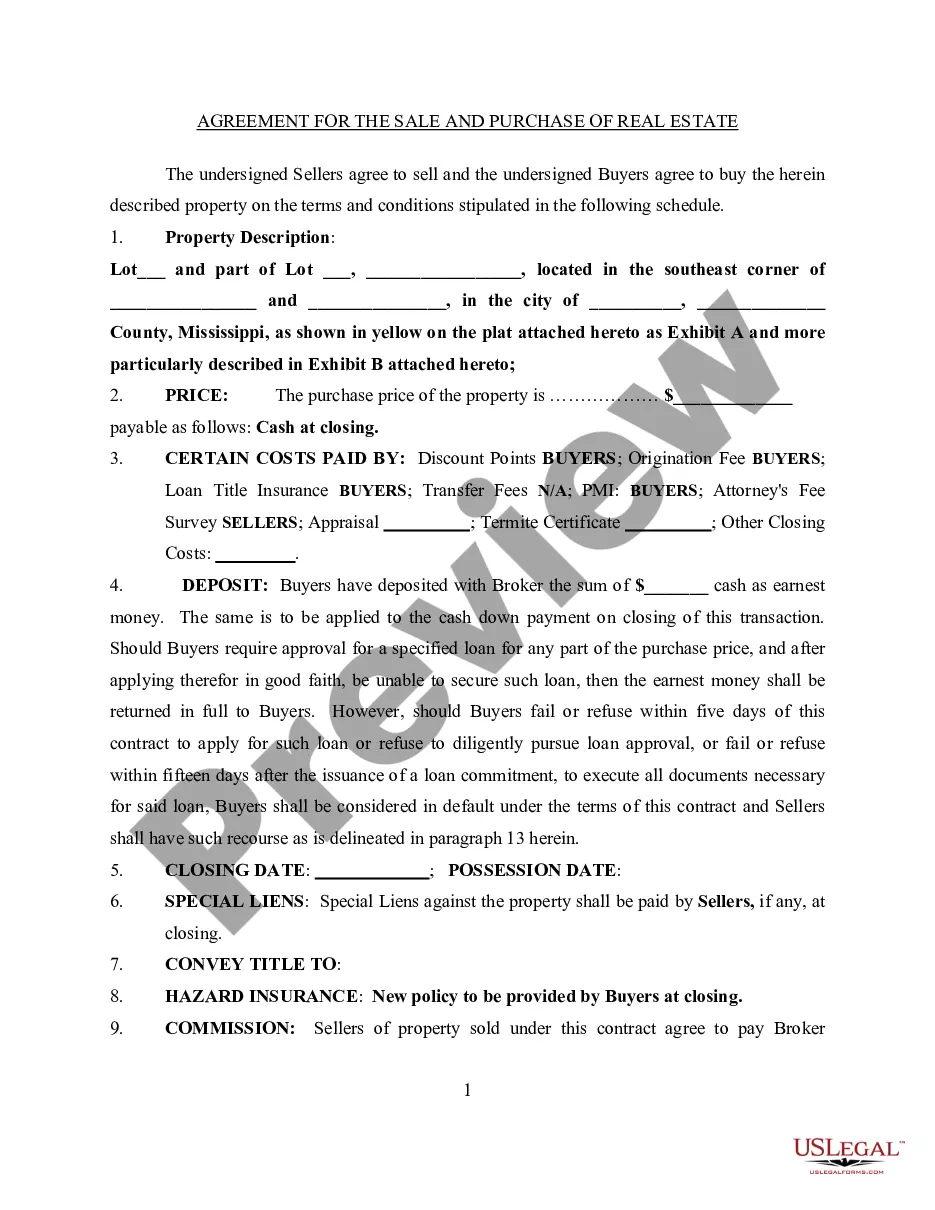
Description

Get your form ready online
Our built-in tools help you complete, sign, share, and store your documents in one place.
Make edits, fill in missing information, and update formatting in US Legal Forms—just like you would in MS Word.
Download a copy, print it, send it by email, or mail it via USPS—whatever works best for your next step.
Sign and collect signatures with our SignNow integration. Send to multiple recipients, set reminders, and more. Go Premium to unlock E-Sign.
If this form requires notarization, complete it online through a secure video call—no need to meet a notary in person or wait for an appointment.
We protect your documents and personal data by following strict security and privacy standards.

Make edits, fill in missing information, and update formatting in US Legal Forms—just like you would in MS Word.

Download a copy, print it, send it by email, or mail it via USPS—whatever works best for your next step.

Sign and collect signatures with our SignNow integration. Send to multiple recipients, set reminders, and more. Go Premium to unlock E-Sign.

If this form requires notarization, complete it online through a secure video call—no need to meet a notary in person or wait for an appointment.

We protect your documents and personal data by following strict security and privacy standards.
Looking for another form?
Form popularity
FAQ
Final answer: A house would not be classified as personal property for insurance purposes. Personal property typically includes movable items. A house is considered real property and requires a separate type of insurance.
Final answer: Coverage C, Personal Property, typically includes most personal items within the insured home, but does not cover vehicles, and high-value items may require additional coverage.
Items that are typically not covered include pets, business data, credit cards, vehicles (such as cars, aircraft, and boats), or property in a room or building that you rent out. As with any other insurance policy, personal property insurance has coverage limits.
It will insure your personal belongings against loss, accidental damage or theft when you step out the front door and is a valuable addition to your policy for things like: Mobile phones. Watches. Jewellery. Laptops.
What Is Special Personal Property? Also known as open peril coverage, special personal property endorsement covers your home from all perils except those mentioned as exclusions. It provides wider coverage than the standard home insurance policy.
It's an optional add-on to your homeowners insurance policy that provides coverage for a greater number of risks and may increase the coverage limits on specific, high-value items. Here are some belongings you might want to consider for scheduled personal property coverage: Jewelry and furs. Art and antiques.
What is personal property insurance? Personal property coverage can cover your belongings such as furniture, clothing, sporting goods or electronics in the event of a covered loss. You can protect what you own whether items get damaged at your home, an apartment or anywhere in the world.