Personal Property In A Trust In Cuyahoga
Description

Get your form ready online
Our built-in tools help you complete, sign, share, and store your documents in one place.
Make edits, fill in missing information, and update formatting in US Legal Forms—just like you would in MS Word.
Download a copy, print it, send it by email, or mail it via USPS—whatever works best for your next step.
Sign and collect signatures with our SignNow integration. Send to multiple recipients, set reminders, and more. Go Premium to unlock E-Sign.
If this form requires notarization, complete it online through a secure video call—no need to meet a notary in person or wait for an appointment.
We protect your documents and personal data by following strict security and privacy standards.

Make edits, fill in missing information, and update formatting in US Legal Forms—just like you would in MS Word.

Download a copy, print it, send it by email, or mail it via USPS—whatever works best for your next step.

Sign and collect signatures with our SignNow integration. Send to multiple recipients, set reminders, and more. Go Premium to unlock E-Sign.

If this form requires notarization, complete it online through a secure video call—no need to meet a notary in person or wait for an appointment.

We protect your documents and personal data by following strict security and privacy standards.
Looking for another form?

Form popularity
FAQ
In Ohio, the only kinds of Trusts, as opposed to Trustees, that may hold title to real estate in the Trust name are Business Trusts, pursuant to ORC Chapter 1746, and Real Estate Investment Trusts, pursuant to ORC Chapter 1747. Any other type of Trust must hold title by way of a Trustee.
In most situations, one would typically want to maintain full control of personal property assets. As a result, few would use this type of trust planning for personal property. An exception might be an heirloom of great value that spends most of its time in a safe deposit box.
When you buy a home, you may have the option of buying it in a trust. Legally, that means the trust, rather than you, owns the home. However, you can be the trustee of the property and have significant control over it and what happens to it after you die.
A trust may be an entity for other purposes, just like a trade name might be considered an entity in some aspects, but it's not an entity that can hold title. It's a fiduciary arrangement between the settlor and the trustee.
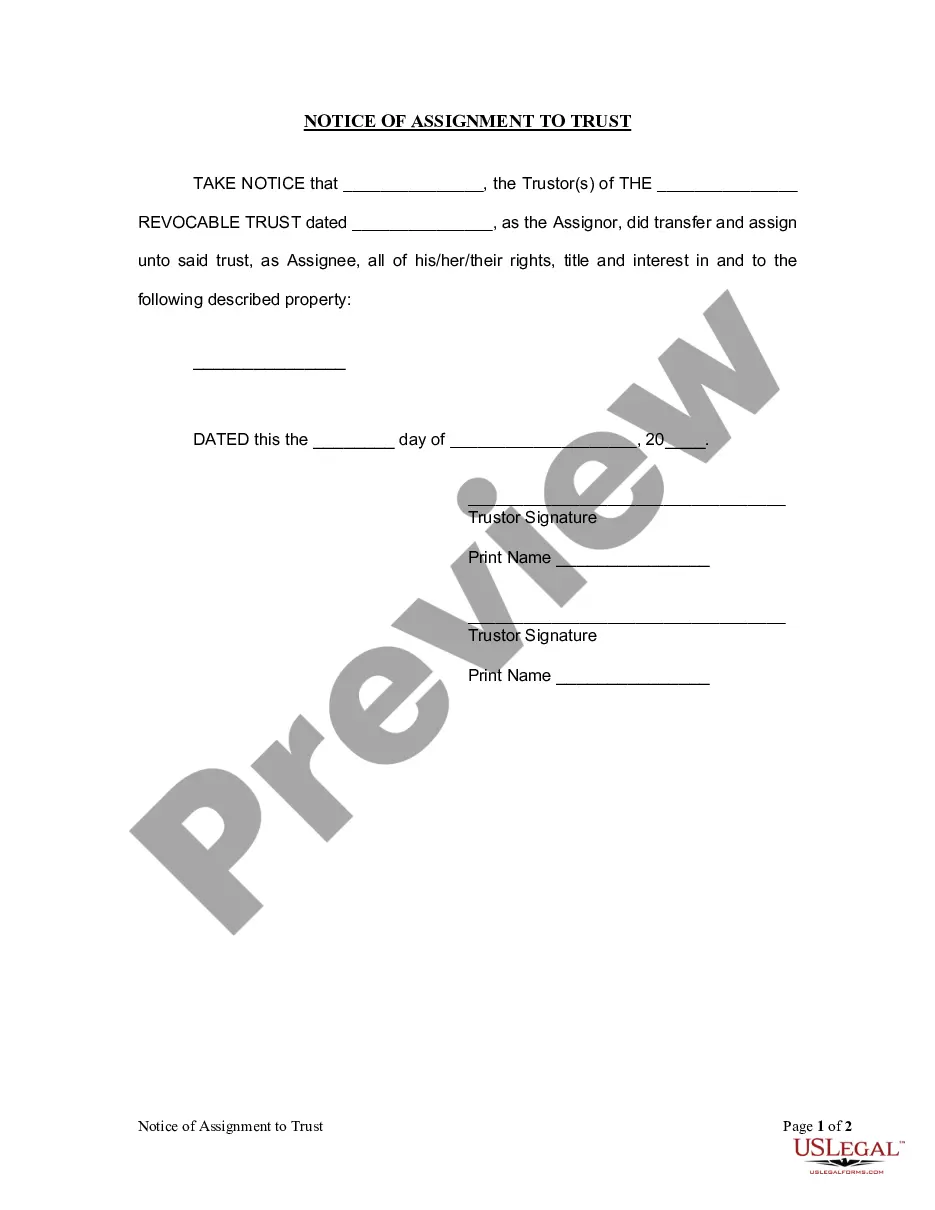
Often, a Trust will be created along with a Will, which stipulates how holdings of the Trustor are to be distributed. Trusts can cover assets like real estate, but there may be other valuables that need to be transferred too. These valuables are known as Personal Property.
Trusts offer amazing benefits, but they also come with potential downsides like loss of control, limited access to assets, costs, and recordkeeping difficulties.
Create the trust document. You can get help from an attorney or use WillMaker & Trust (see below). Sign the document in front of a notary public. Change the title of any trust property that has a title document—such as your house or car—to reflect that you now own the property as trustee of the trust.
Rich people frequently place their homes and other financial assets in trusts to reduce taxes and give their wealth to their beneficiaries. They may also do this to protect their property from divorce proceedings and frivolous lawsuits.
If you are thinking of planning for long term care or simply want to avoid the process of probate, you should consider a trust to hold title to your property.