Arrendamiento Bienes Without Social Security Number In Virginia
Description


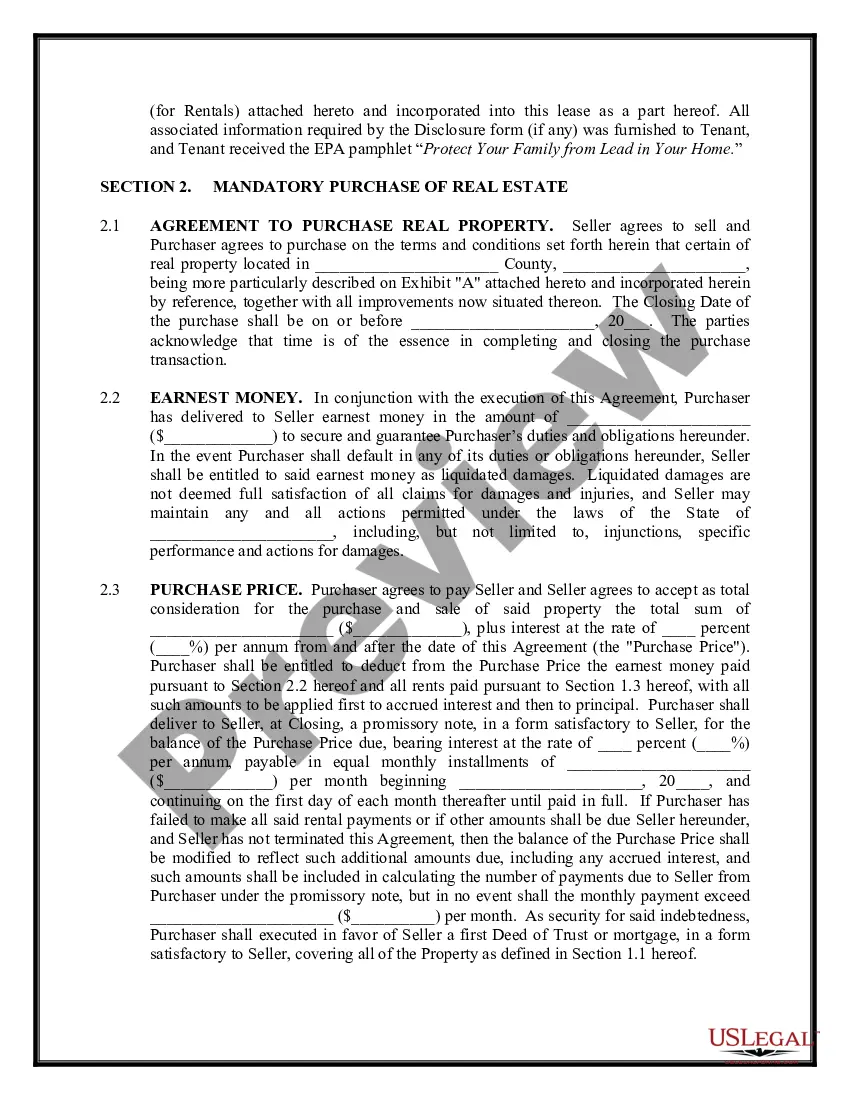
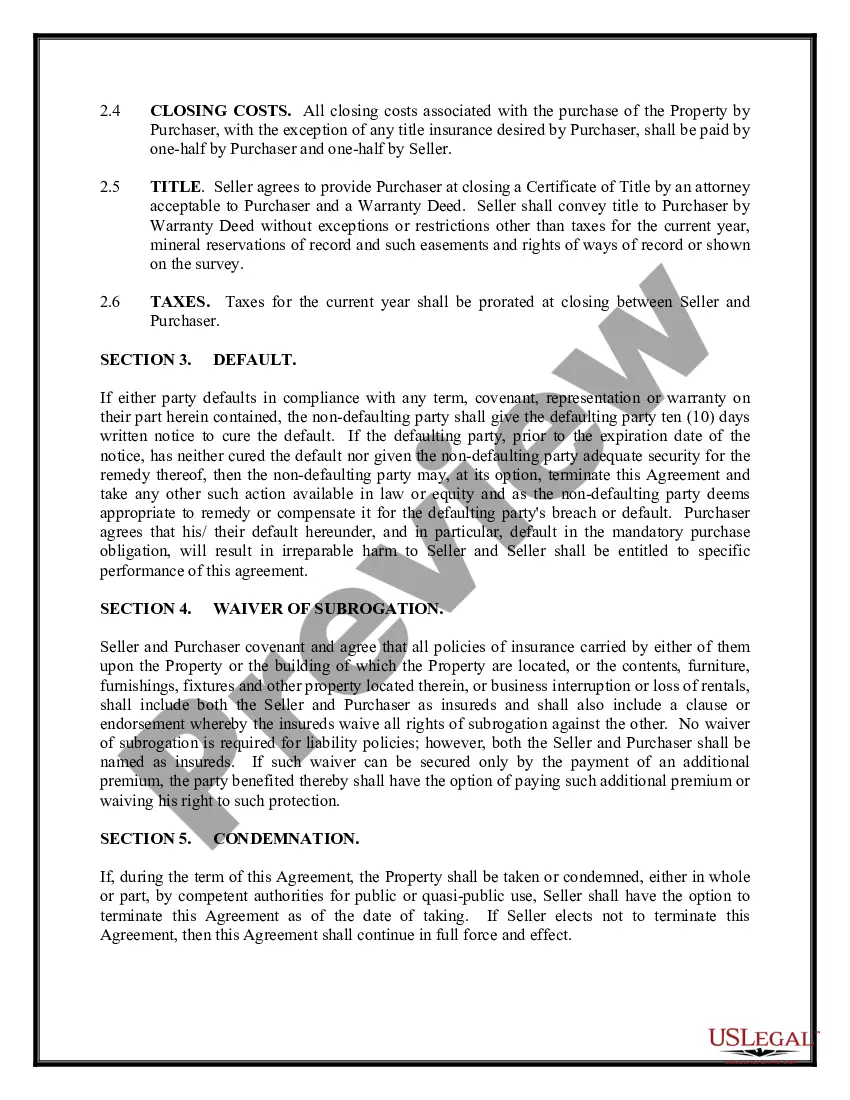
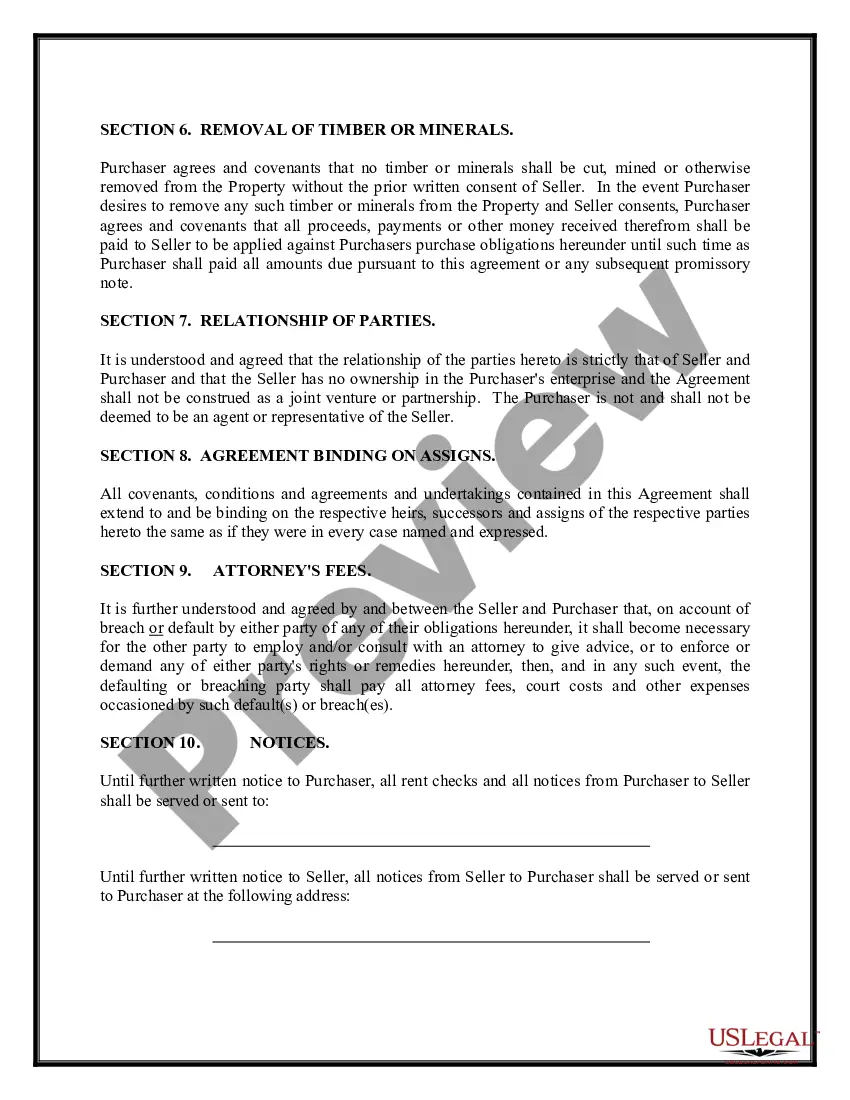
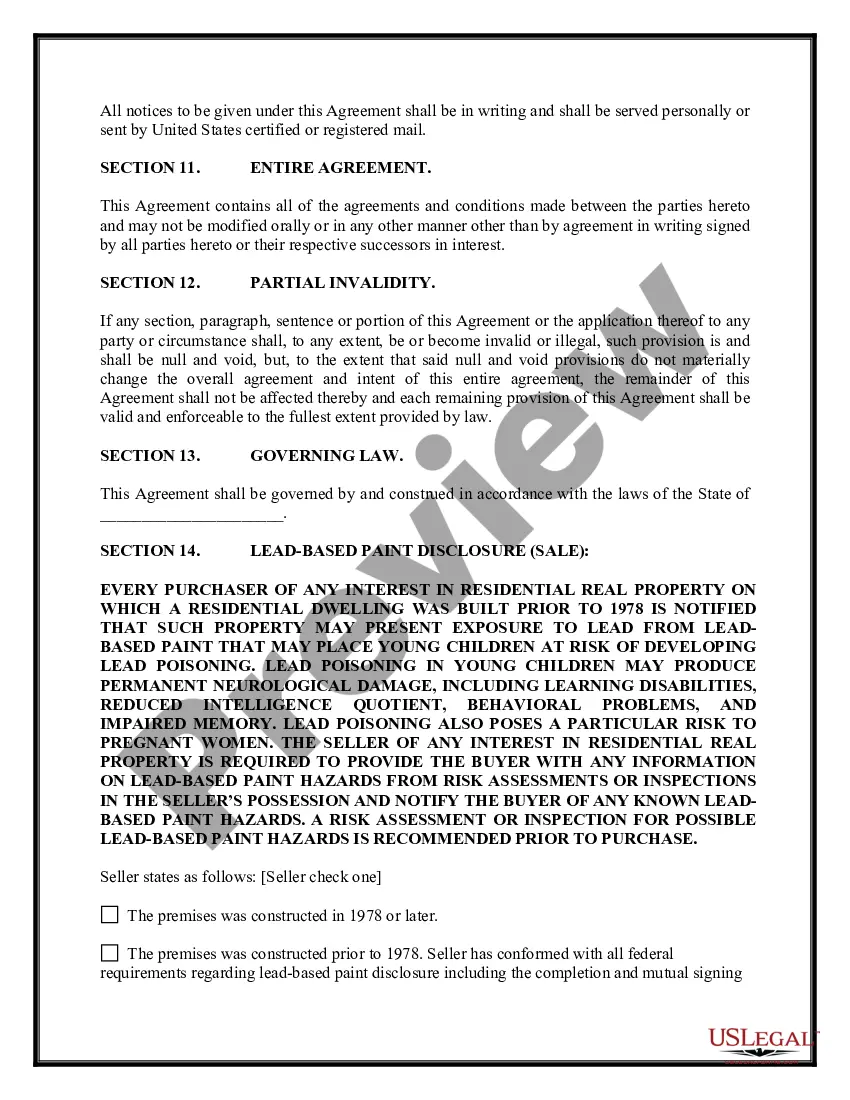
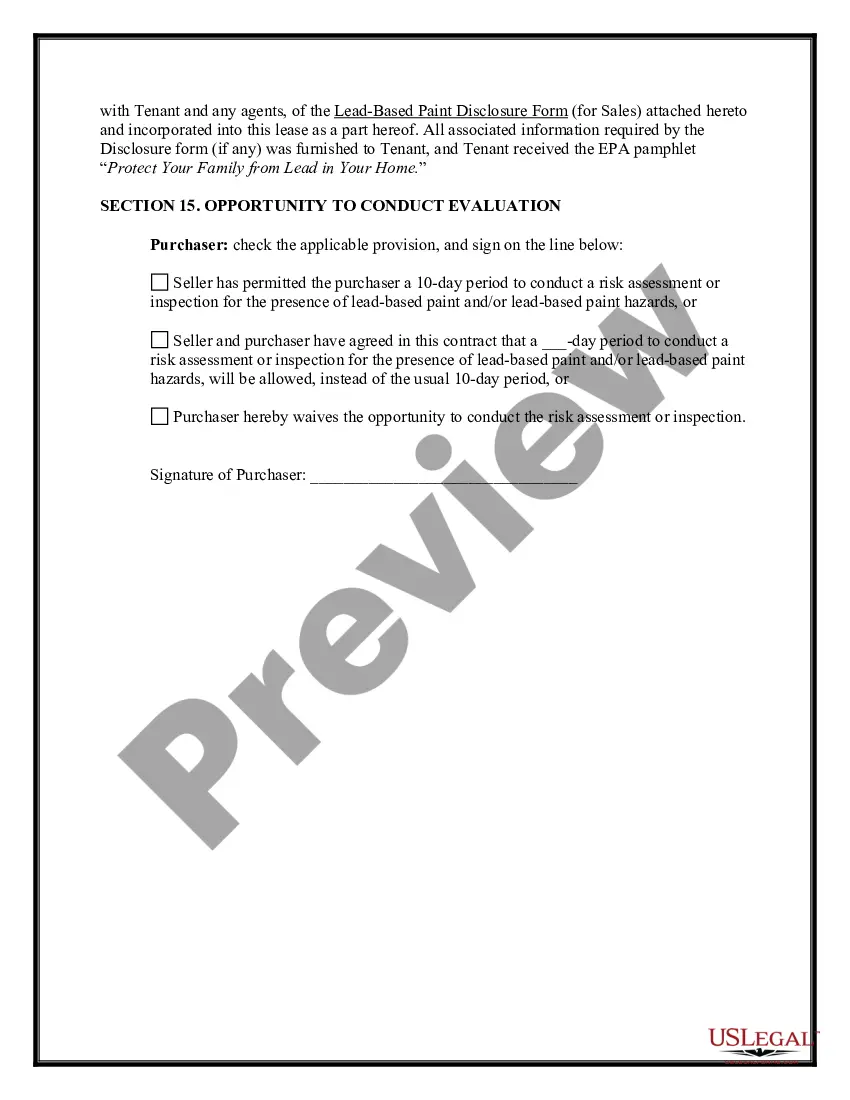
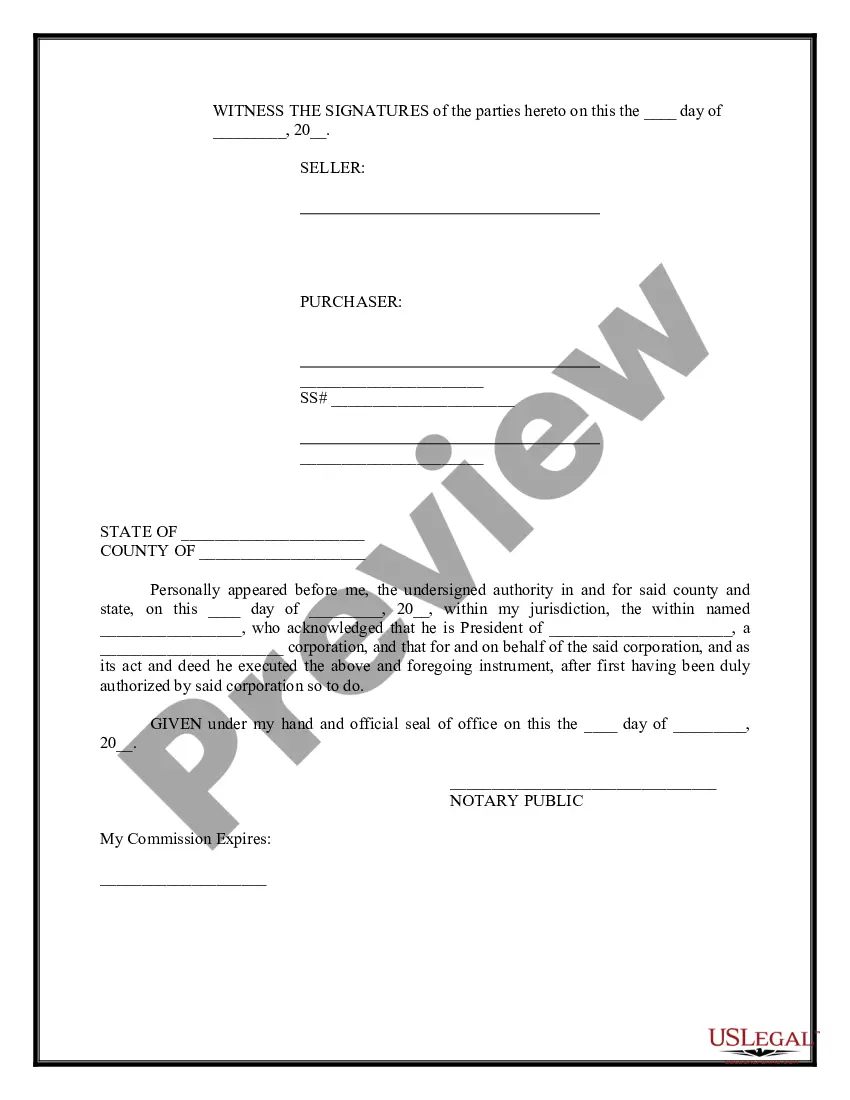
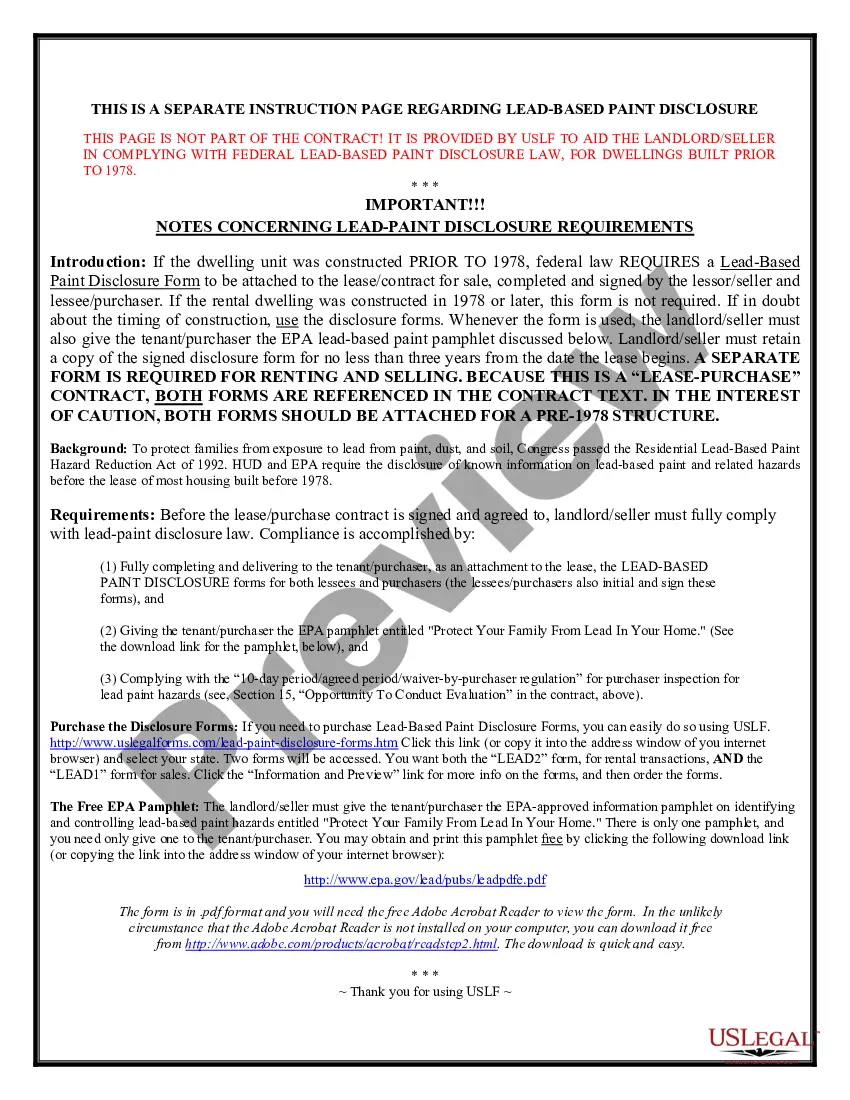
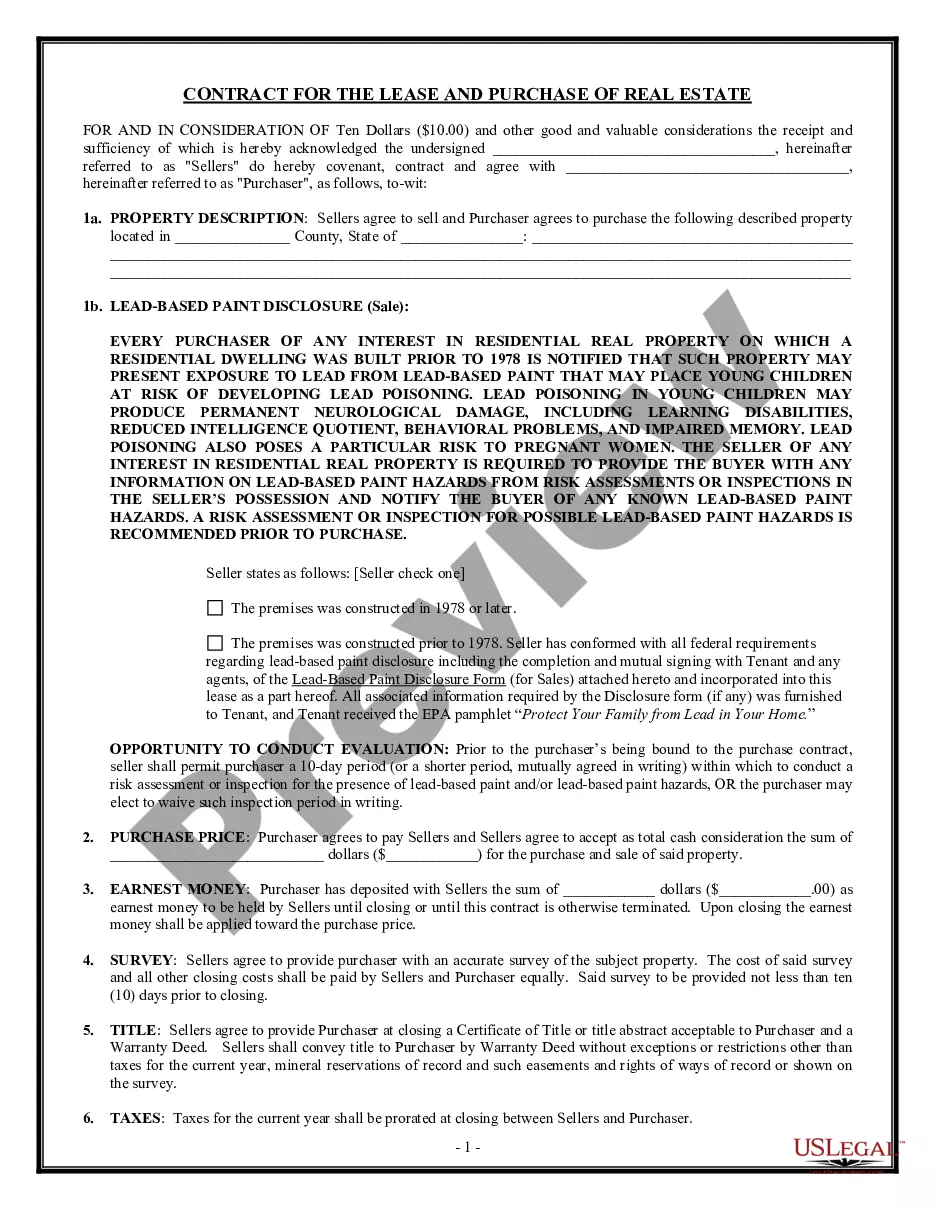
Get your form ready online
Our built-in tools help you complete, sign, share, and store your documents in one place.
Make edits, fill in missing information, and update formatting in US Legal Forms—just like you would in MS Word.
Download a copy, print it, send it by email, or mail it via USPS—whatever works best for your next step.
Sign and collect signatures with our SignNow integration. Send to multiple recipients, set reminders, and more. Go Premium to unlock E-Sign.
If this form requires notarization, complete it online through a secure video call—no need to meet a notary in person or wait for an appointment.
We protect your documents and personal data by following strict security and privacy standards.

Make edits, fill in missing information, and update formatting in US Legal Forms—just like you would in MS Word.

Download a copy, print it, send it by email, or mail it via USPS—whatever works best for your next step.

Sign and collect signatures with our SignNow integration. Send to multiple recipients, set reminders, and more. Go Premium to unlock E-Sign.

If this form requires notarization, complete it online through a secure video call—no need to meet a notary in person or wait for an appointment.

We protect your documents and personal data by following strict security and privacy standards.
Looking for another form?




Form popularity
FAQ
An Employer Identification Number (EIN) is very common among those who cannot get an SSN or don't want to use their SSN to open a business. An EIN functions much like an SSN, but it is assigned directly from the IRS. Not every business requires an EIN, but you must have one if you: Want to hire employees.
To apply for an ITIN, several documents are required. First and foremost, you will need to complete the Form W-7, IRS Application for Individual Taxpayer Identification Number. The form must be accompanied by a valid federal income tax return unless you meet one of the exceptions outlined by the IRS.
If you do not have a Social Security Number (SSN) enter your Individual Tax Identification Number (ITIN). If you do not have an SSN or ITIN leave the entry field blank.
It's important to note that landlords are unable to check a tenant's credit history without a social security number, since there is no way to pull information from any of the credit bureaus.
There are a few different ways to get a background check without a SSN. One way is to use a public records search. Public records searches can provide you with information about a person's criminal history, employment history, and even financial history.
Landlords to Take a Different Tact with Tenant Screening Without a Social Security Number. Some states, such as California, prohibit a landlord from inquiring about a tenant's or prospective tenant's immigration status or citizenship and requiring proof of legal residency or citizenship as a prerequisite to renting.
With the typical background check, you often only need an individual's name and other information about them to search for criminal records. However, a credit check is somewhat different—landlords must collect an applicant's Social Security number to move forward.
Some states, such as California, prohibit a landlord from inquiring about a tenant's or prospective tenant's immigration status or citizenship and requiring proof of legal residency or citizenship as a prerequisite to renting.
You don't need a person's social security number to file an eviction, in fact court rules prohibit you from listing their social security number for privacy reasons - court records are typically public documents and searchable by anyone (unless sealed by court order).
