Real Estate Clause For Due Diligence In Nevada
Description

Get your form ready online
Our built-in tools help you complete, sign, share, and store your documents in one place.
Make edits, fill in missing information, and update formatting in US Legal Forms—just like you would in MS Word.
Download a copy, print it, send it by email, or mail it via USPS—whatever works best for your next step.
Sign and collect signatures with our SignNow integration. Send to multiple recipients, set reminders, and more. Go Premium to unlock E-Sign.
If this form requires notarization, complete it online through a secure video call—no need to meet a notary in person or wait for an appointment.
We protect your documents and personal data by following strict security and privacy standards.

Make edits, fill in missing information, and update formatting in US Legal Forms—just like you would in MS Word.

Download a copy, print it, send it by email, or mail it via USPS—whatever works best for your next step.

Sign and collect signatures with our SignNow integration. Send to multiple recipients, set reminders, and more. Go Premium to unlock E-Sign.

If this form requires notarization, complete it online through a secure video call—no need to meet a notary in person or wait for an appointment.

We protect your documents and personal data by following strict security and privacy standards.
Looking for another form?

Form popularity
FAQ
This is called the buyer's due diligence period and is typically ten days unless agreed upon otherwise in the contract. The seller is obligated to provide the Homeowner's Association Documents, and the buyer has five days to review those documents once delivered.
The due diligence process involves auditing the target company's operations and other risk areas, including financials, legal status, and commercial viability. A standard M&A due diligence timeline typically spans several weeks to a few months, depending on the complexity and size of the transaction.
Also known as a due diligence out, this is a closing condition that permits the buyer not to close an acquisition if it is not satisfied with the results of its due diligence investigation of the target company or business.
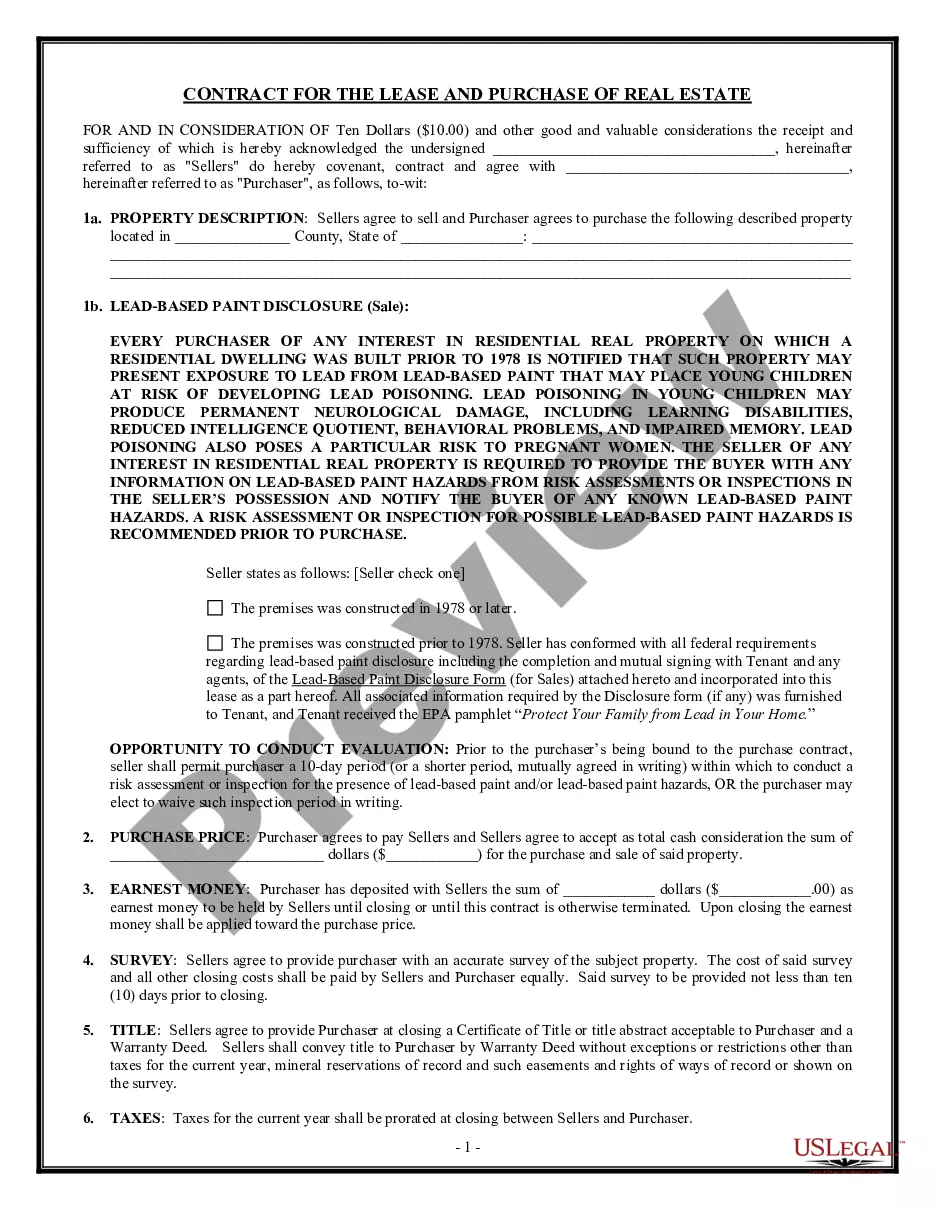
Here is an example clause: Due Diligence Period Clause: “The Buyer shall have a period of number of days days, starting from the Effective Date, to conduct a thorough due diligence review of the Property.
In a typical contract, the seller cannot just back out, but they can reject your inspection repair or credit request.
Due Diligence Requirements A typical due diligence period runs between 30 to 90 days. During that window, there are often required time frames for specific contingency items dictated by state law.
Nevada's Due Diligence Requirements Nevada requires holders to send due diligence notifications for any property with a value of $50 or more. Due diligence letters must be sent each reporting cycle to the apparent owner at the last known address not more than 120 days or less than 60 days from the reporting deadline.
Due diligence is performed by equity research analysts, fund managers, broker-dealers, individual investors, and companies that are considering acquiring other companies. Due diligence by individual investors is voluntary.
It is usually the buyer and their external advisors that carry out the due diligence process. External advisors could be industry experts who can study the company's existing business model and assess future opportunities, the audit and tax experts as well as legal professionals.
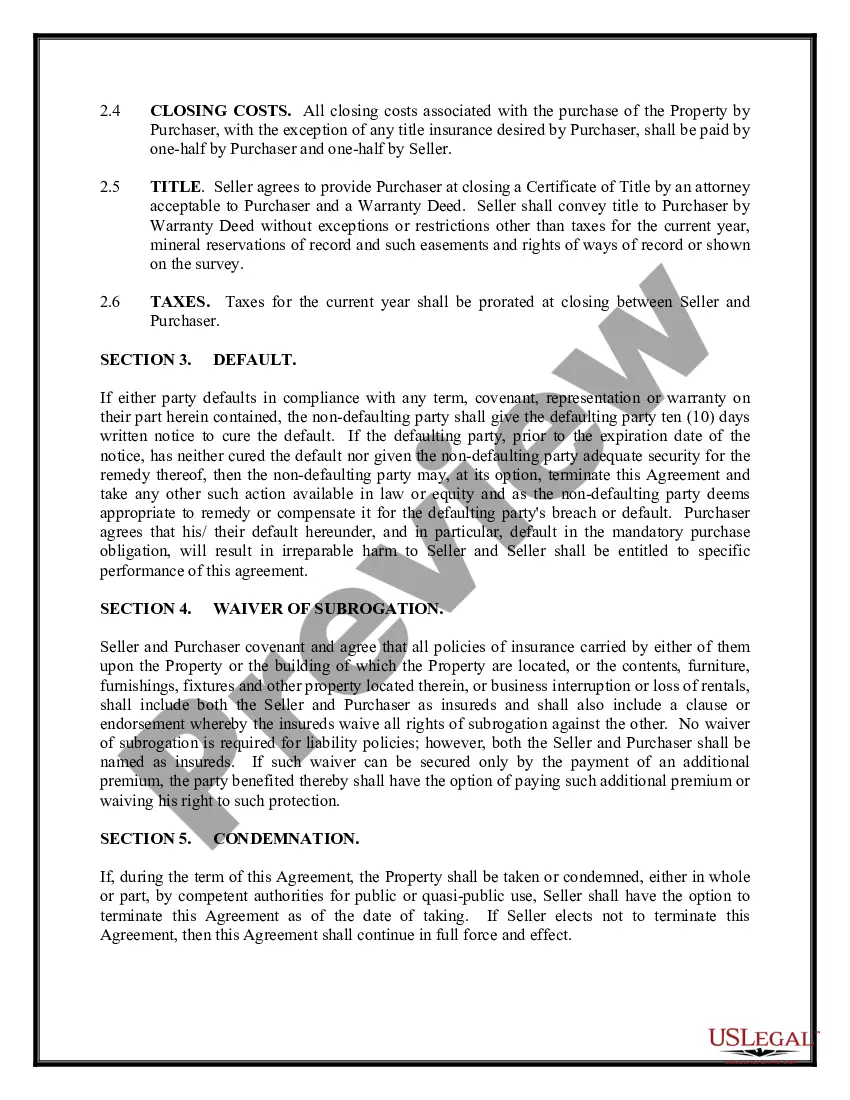
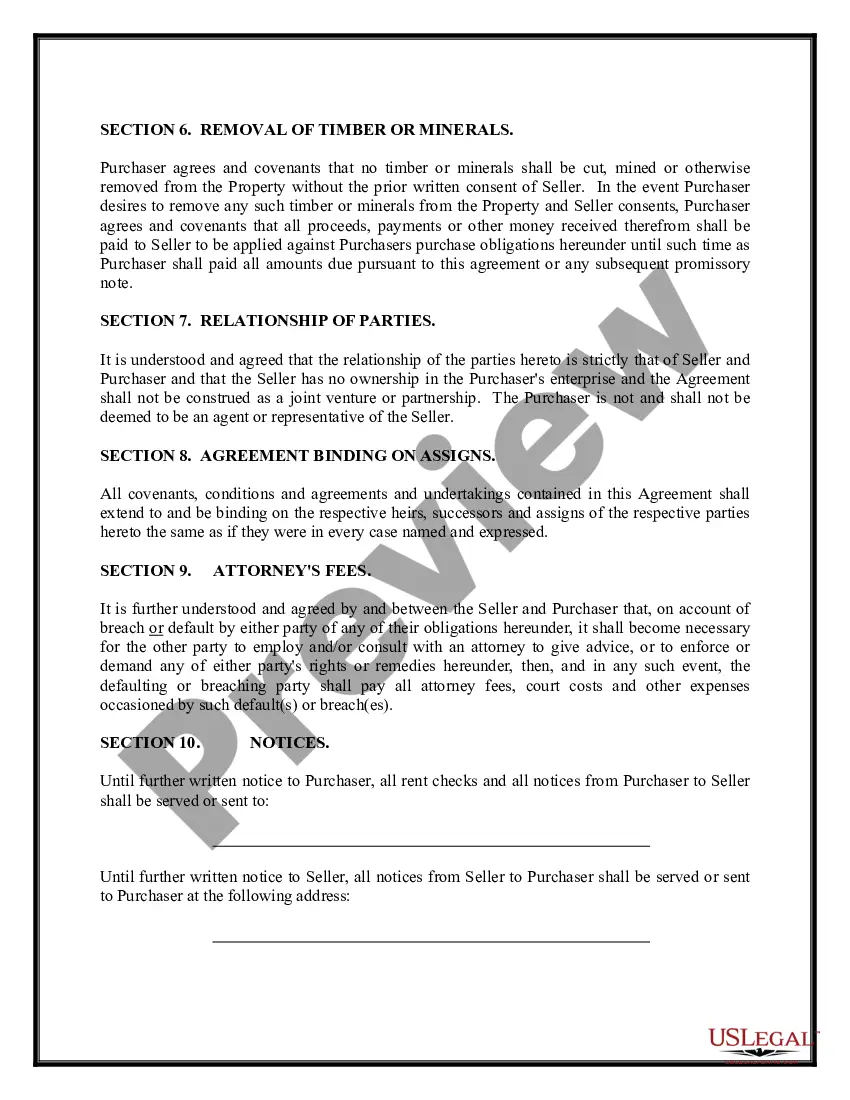
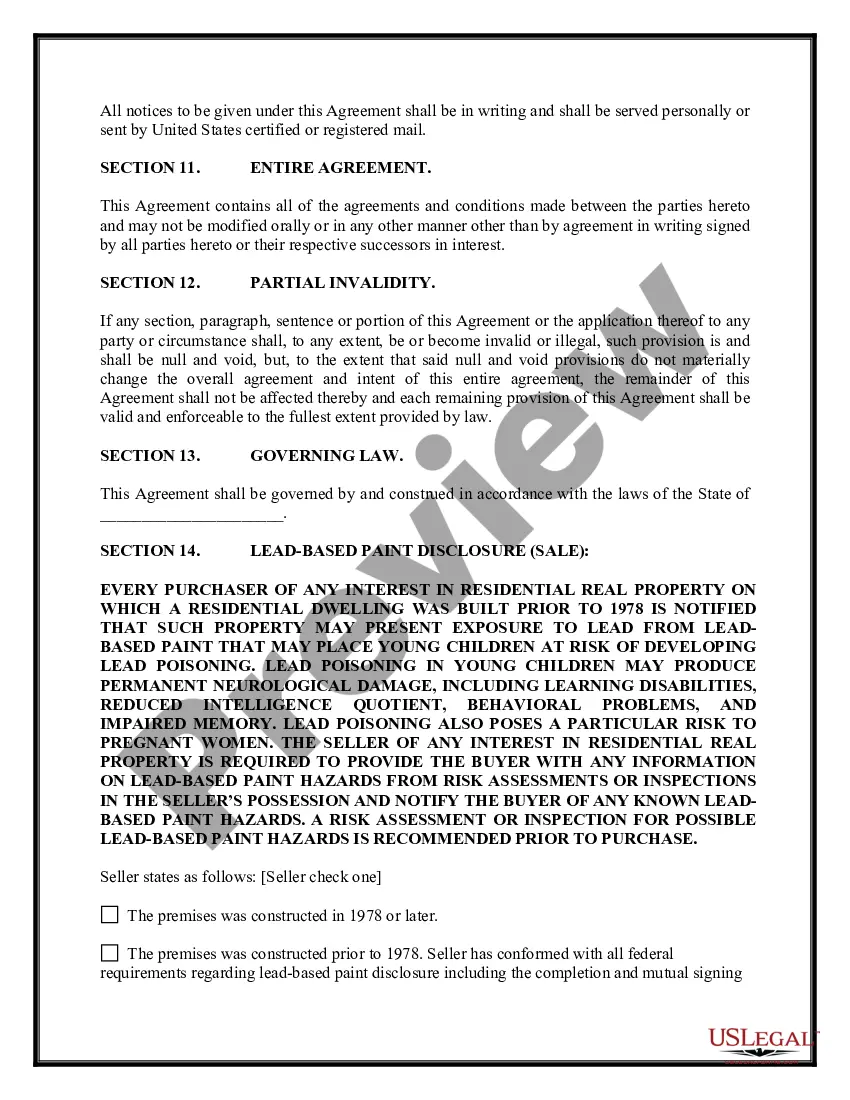
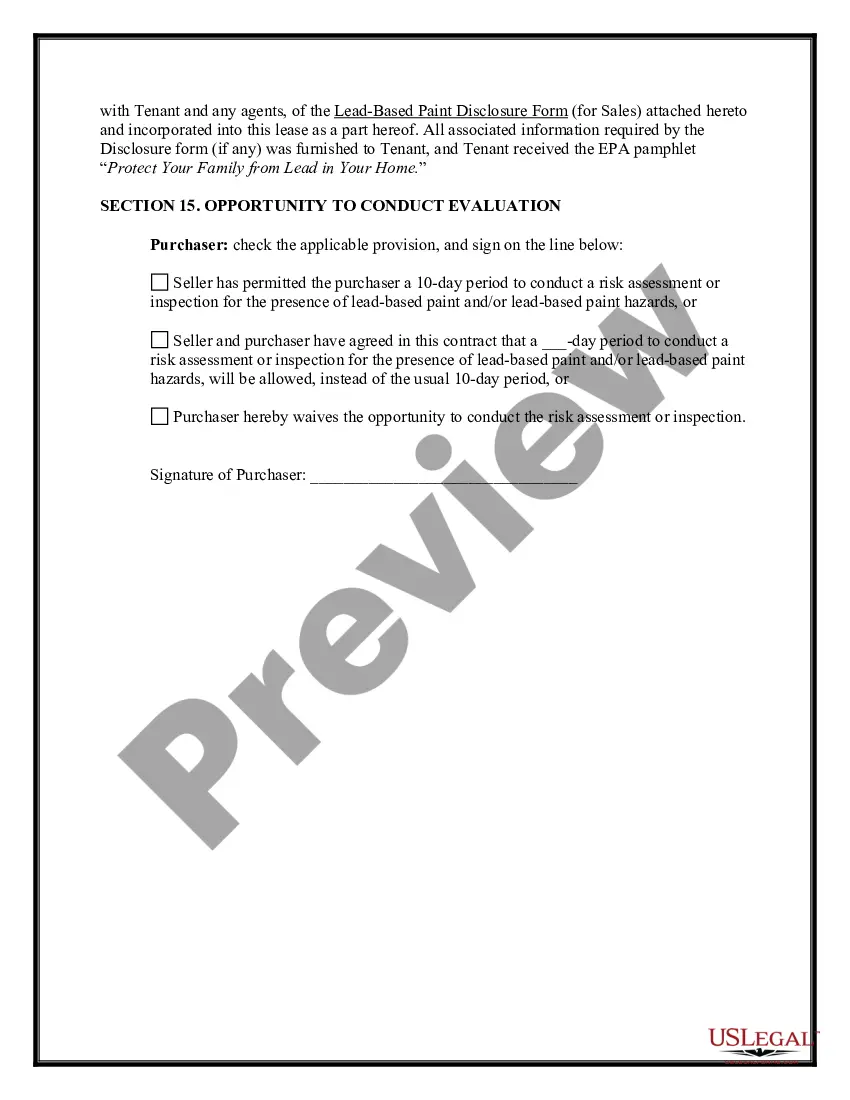
The seller must complete the “Seller's Real Property Disclosure” form, detailing the condition of the property, known defects, and any other aspects of the property which may affect its use or value. A real estate licensee, unless he is the seller of the property, may not complete this form.