Arrendamiento Bienes Formulario In Nevada
Description

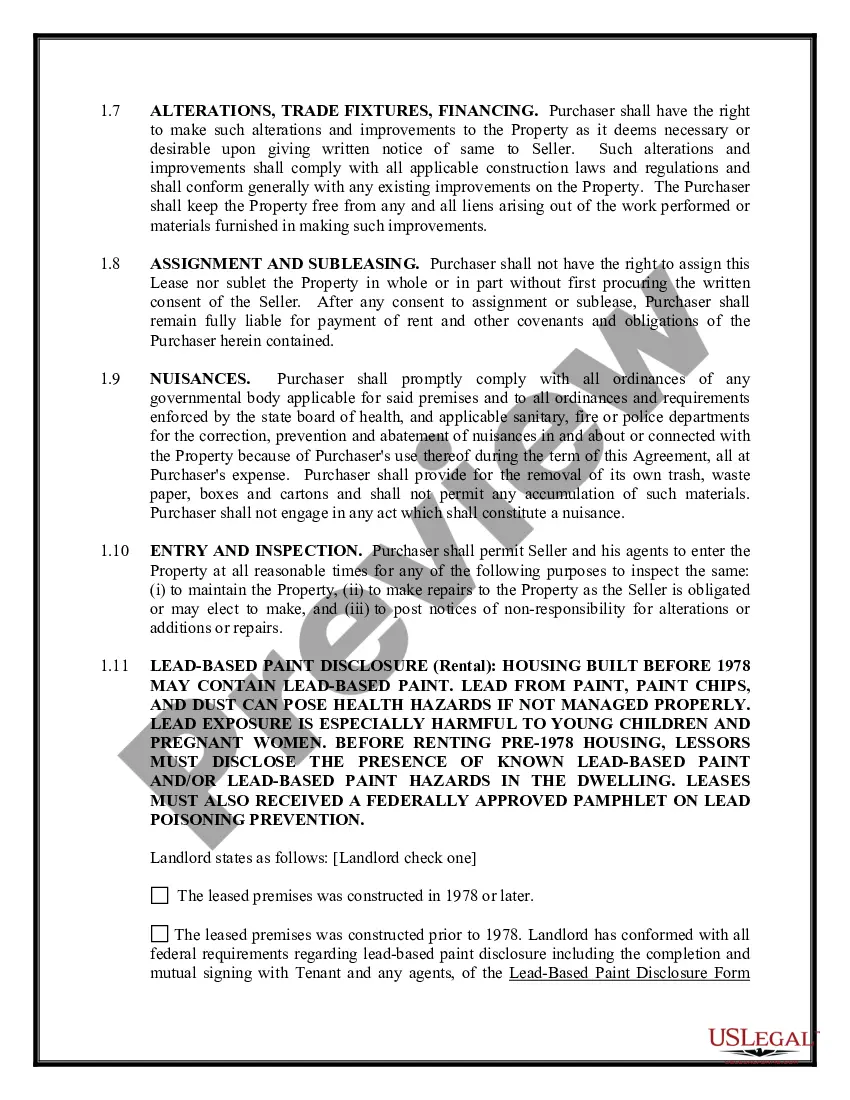
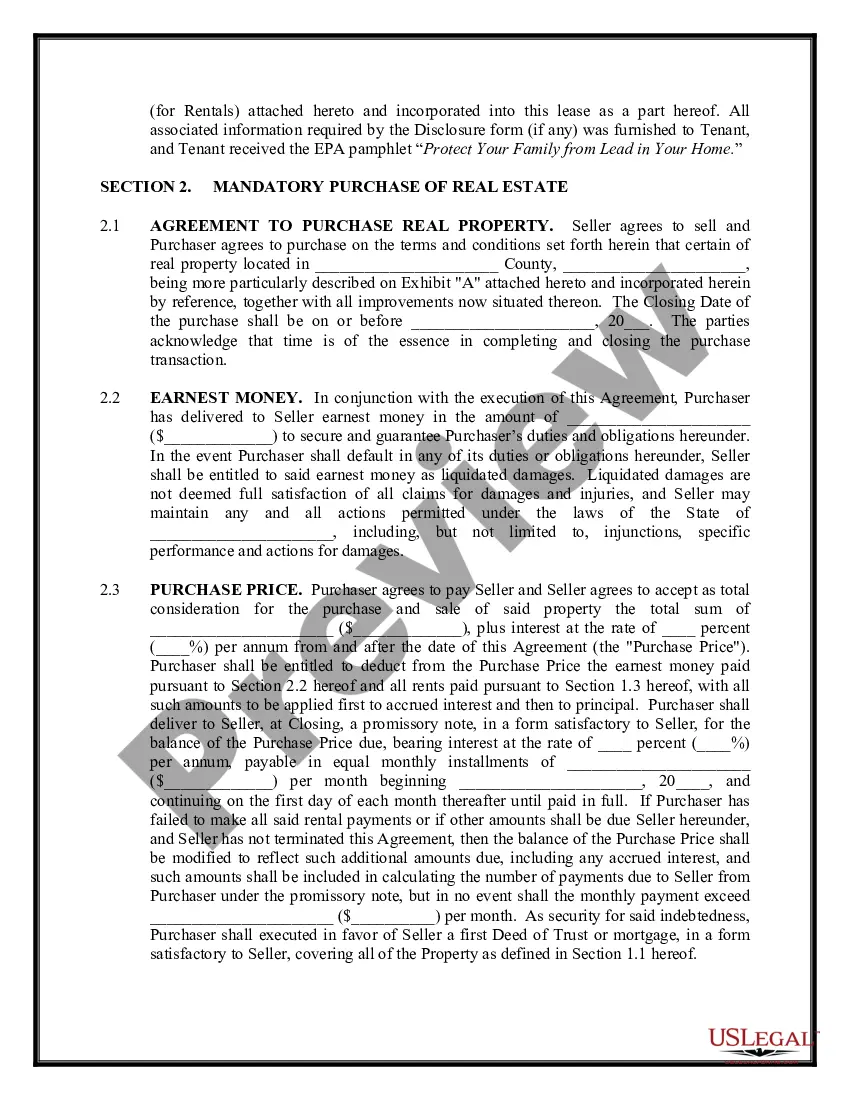
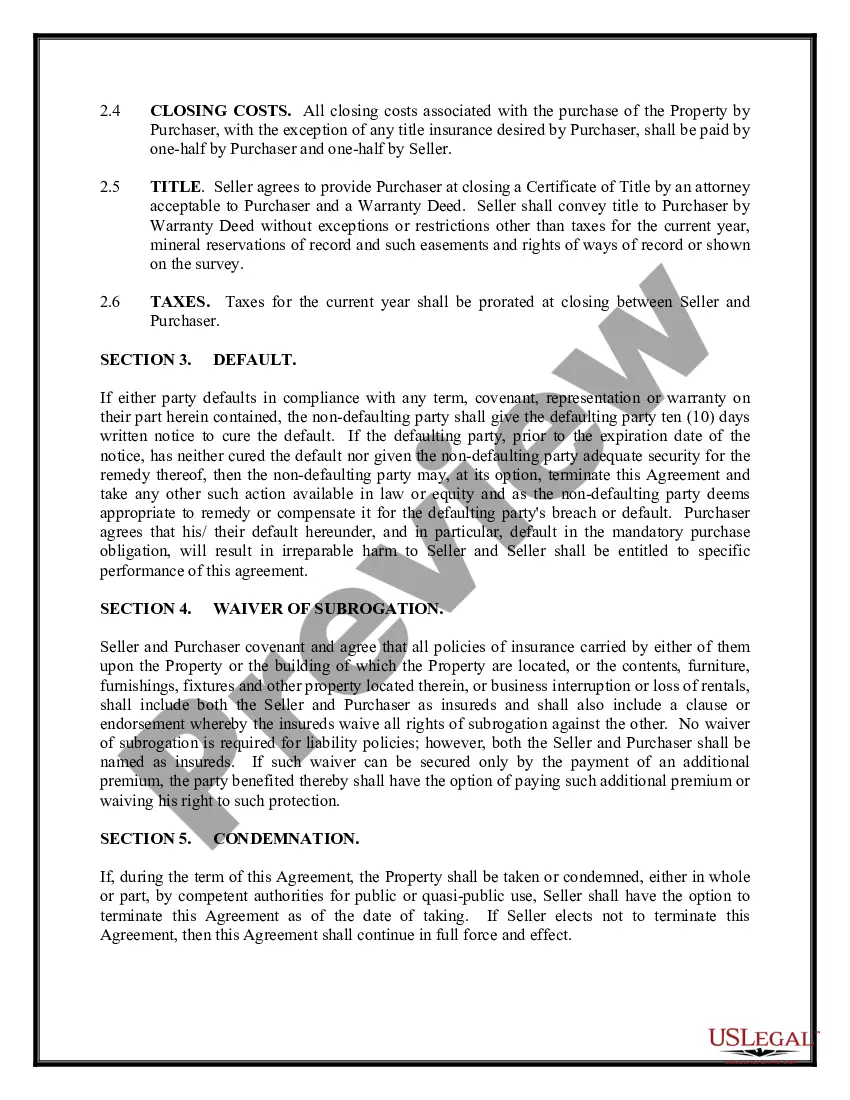
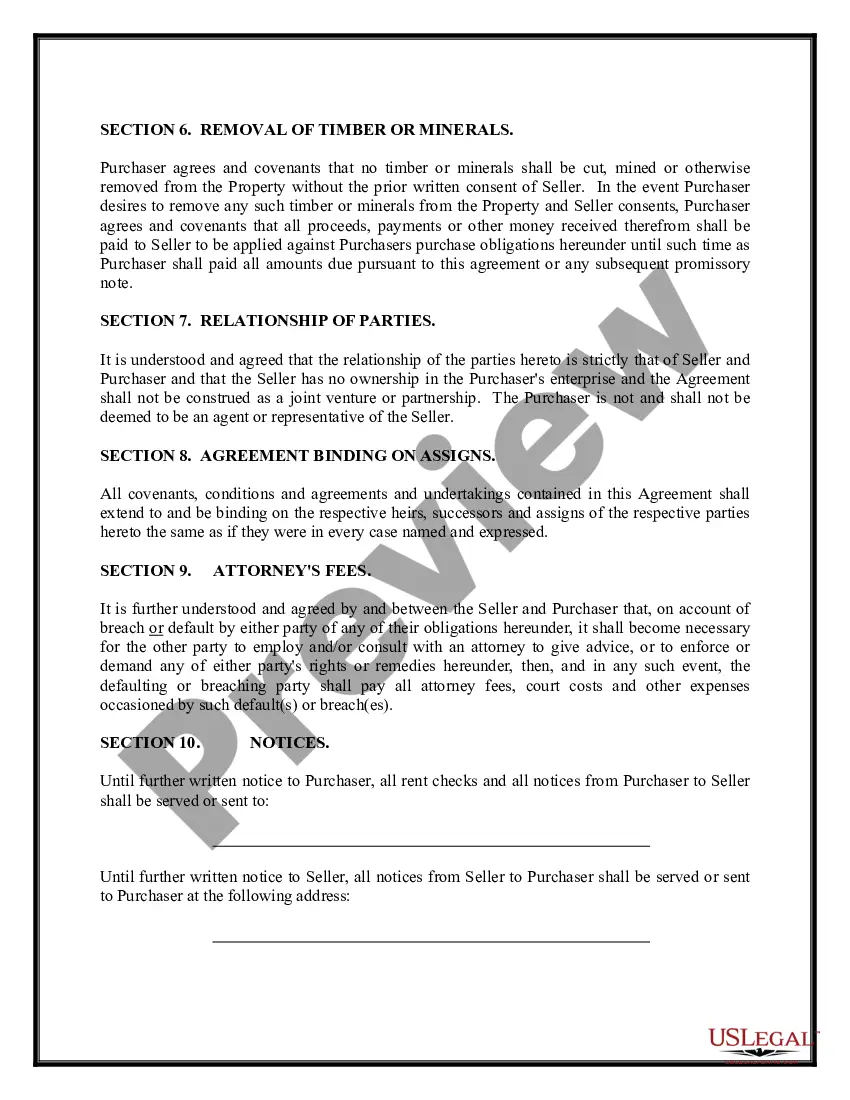
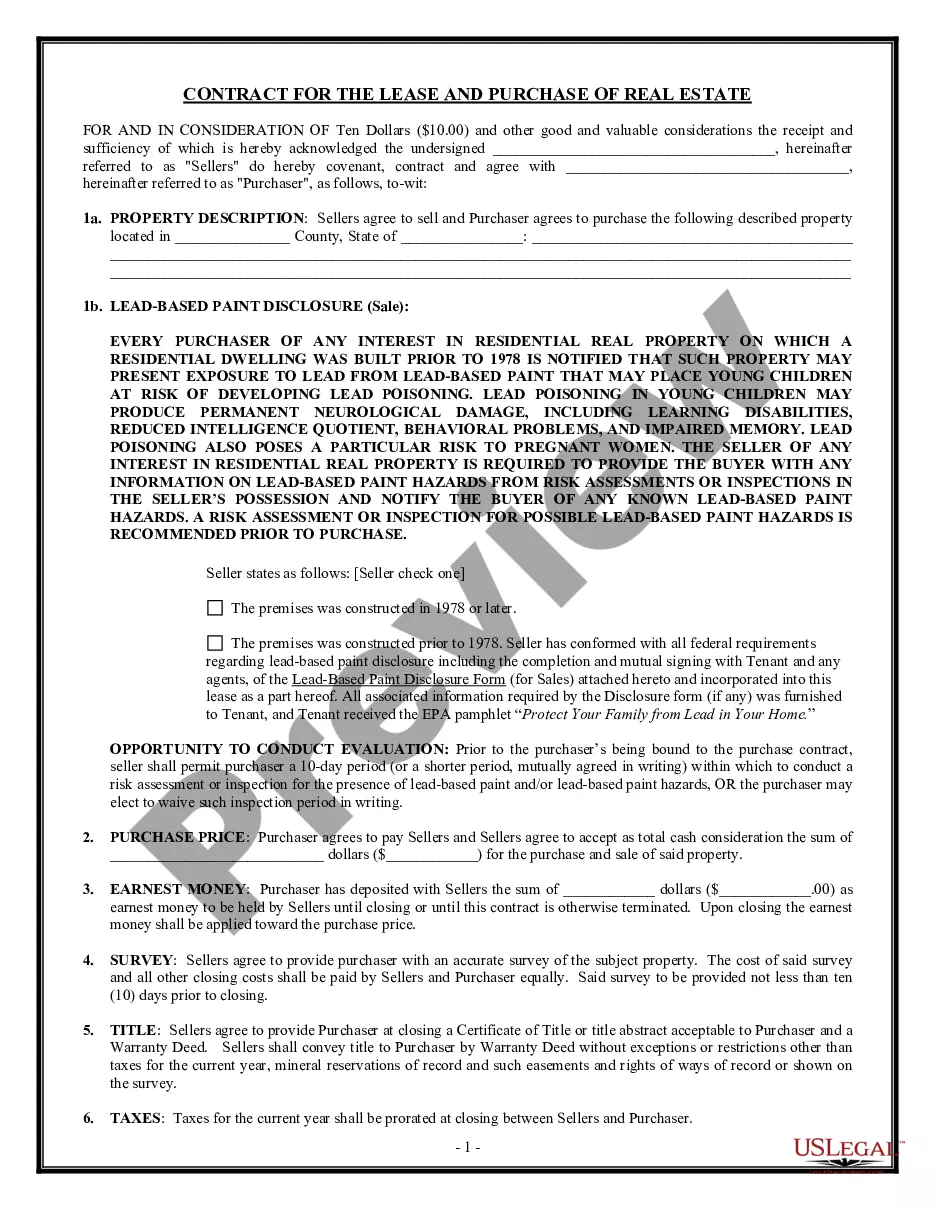
Get your form ready online
Our built-in tools help you complete, sign, share, and store your documents in one place.
Make edits, fill in missing information, and update formatting in US Legal Forms—just like you would in MS Word.
Download a copy, print it, send it by email, or mail it via USPS—whatever works best for your next step.
Sign and collect signatures with our SignNow integration. Send to multiple recipients, set reminders, and more. Go Premium to unlock E-Sign.
If this form requires notarization, complete it online through a secure video call—no need to meet a notary in person or wait for an appointment.
We protect your documents and personal data by following strict security and privacy standards.

Make edits, fill in missing information, and update formatting in US Legal Forms—just like you would in MS Word.

Download a copy, print it, send it by email, or mail it via USPS—whatever works best for your next step.

Sign and collect signatures with our SignNow integration. Send to multiple recipients, set reminders, and more. Go Premium to unlock E-Sign.

If this form requires notarization, complete it online through a secure video call—no need to meet a notary in person or wait for an appointment.

We protect your documents and personal data by following strict security and privacy standards.
Looking for another form?




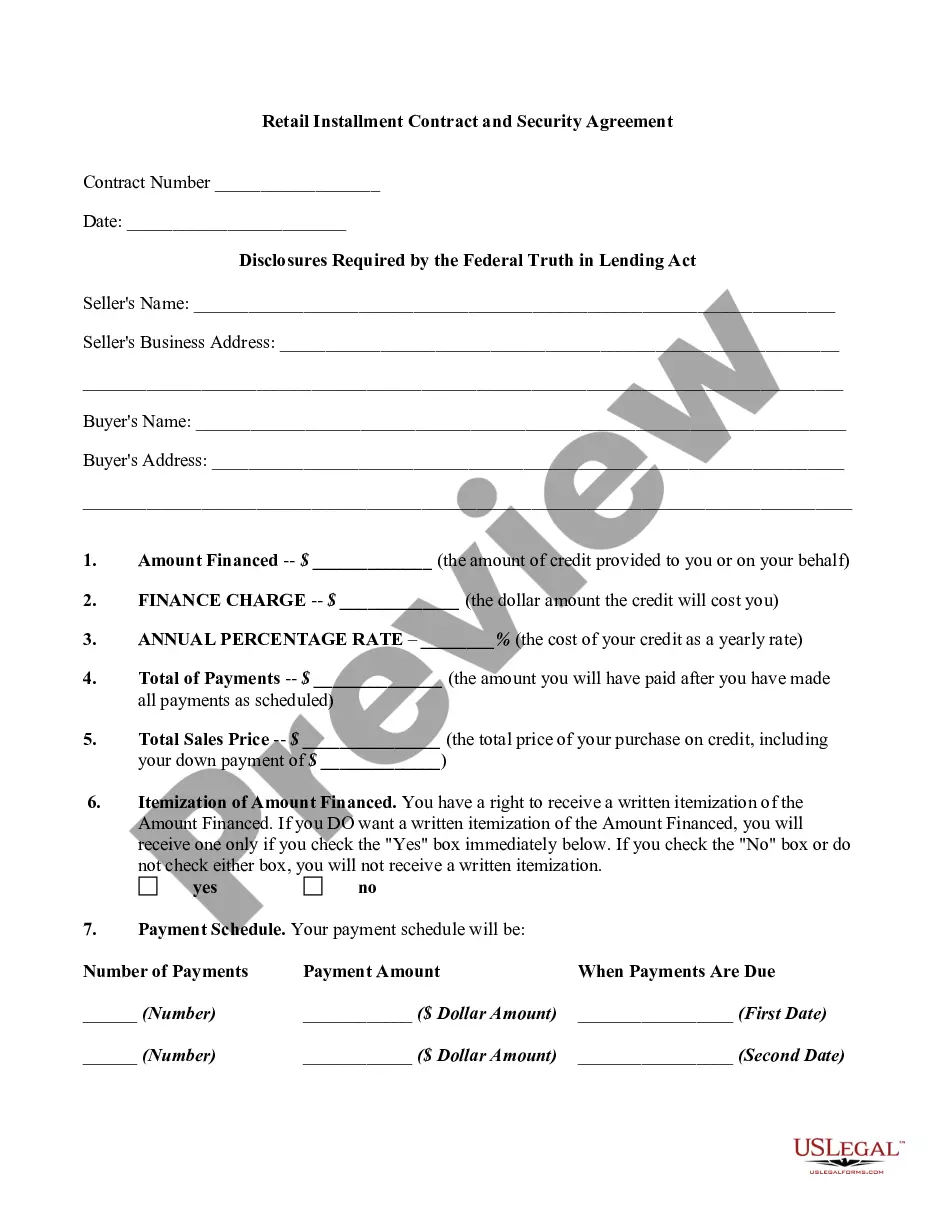



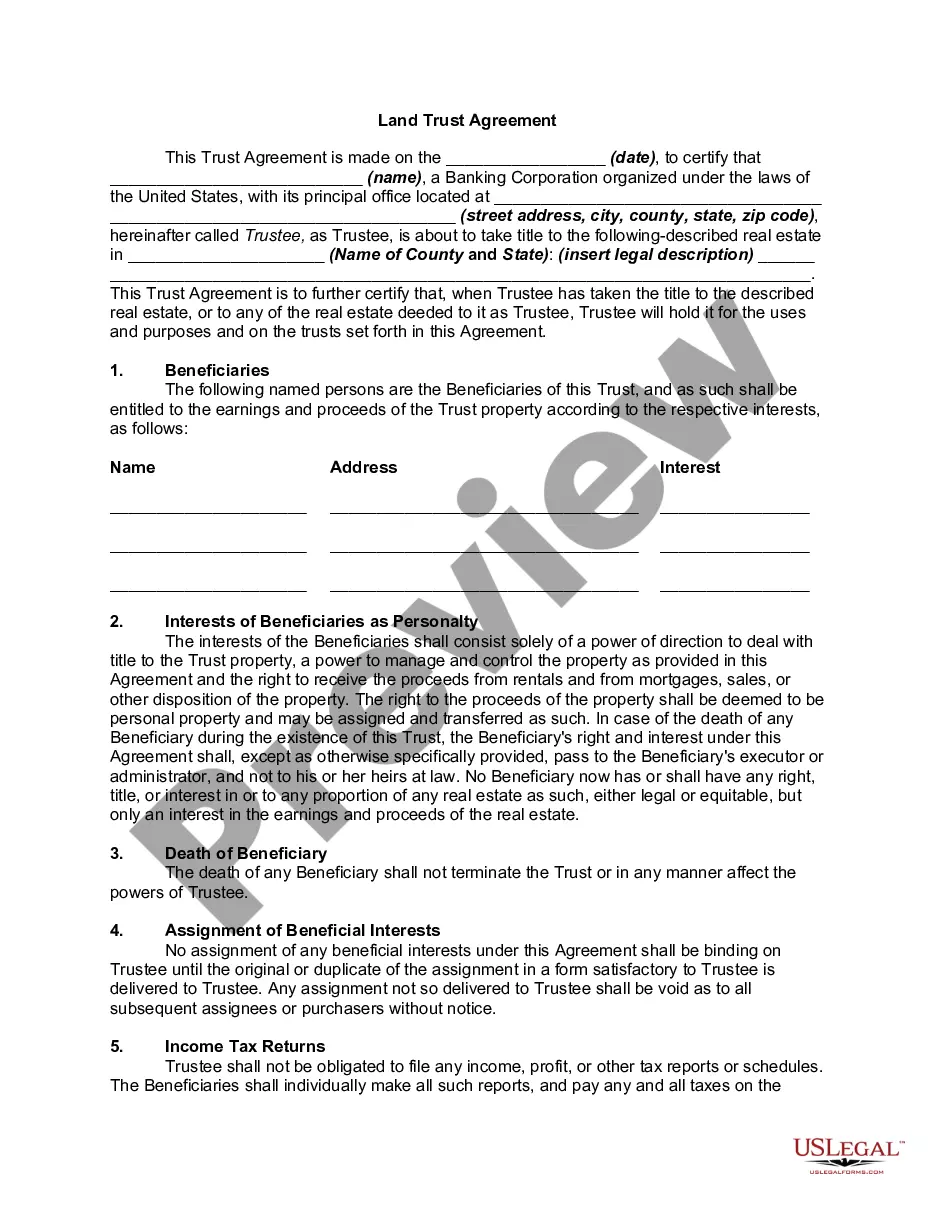
Form popularity
FAQ
How much should you spend on rent? One popular guideline is the 30% rent rule, which says to spend around 30% of your gross income on rent. So if you earn $4,000 per month before taxes, you could spend up to about $1,200 per month on rent.
Nevada tenants have the right to live in a unit that complies with local housing and safety requirements. If there are any existing damages to the unit, the tenant can request the landlord to fix the issue within 14 days of notice. In cases of emergency, the fix may be done within 24 hours' notice.
Approval is based on and not limited to the following factors: credit score, credit history, length of employment and history, income, current and previous rental history, criminal background check, pet criteria, debt to income ratio and rent to income ratio.
Landlords must honor tenant protections in Nevada, refraining from illegal evictions and improper security deposit withholdings. Adherence to the specific Nevada eviction process is a legal responsibility for landlords.
In order to advertise your property, you must have a business license to operate a Short-Term Rental Unit from the County and this permits to both rent and advertise a room for thirty (30) consecutive days or less.
Pasos para Llenar un Contrato de Arrendamiento Identificación de las Partes. Comienza identificando claramente al arrendador y al arrendatario. Descripción del Inmueble. Duración del Contrato. Monto y Condiciones de Pago. Obligaciones y Derechos. Cláusulas Especiales. Firma de las Partes.
En el documento siempre debe incluirse una cláusula que establezca el importe mensual, semestral o anual que como arrendatario se deberá pagar por el uso de la vivienda. "Esto evita confusiones o fraudes a futuro, permitiéndote así planificar tus gastos.
Un formulario de contrato de arrendamiento de alquiler será útil para obtener información para la protección de ambas partes. También denominado arrendador y arrendatario, estas partes leerán y se informarán de la naturaleza del contrato.
El arrendamiento o “lease” es un contrato entre el inquilino y el dueo o administrador de la propiedad, donde se incluye el derecho a uso del bien inmueble y las responsabilidades específicas de las partes involucradas, a cambio de un pago, y por un tiempo determinado.
Se necesita: Datos personales de propietario e inquilino. Descripción del inmueble (ubicación y características). Monto de la renta y condiciones de pago. Duración del contrato y condiciones de renovación o finalización. Condiciones específicas según el uso del inmueble.