Real Estate Clause In A Will In California
Description

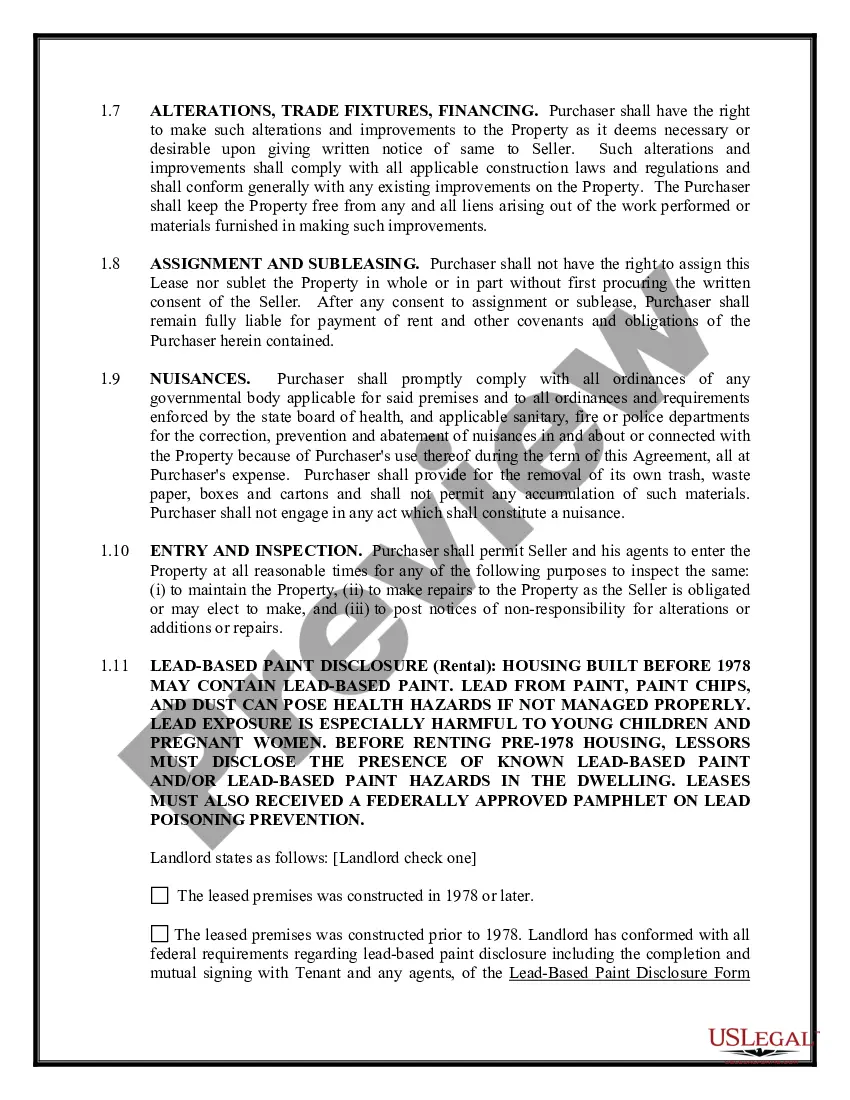
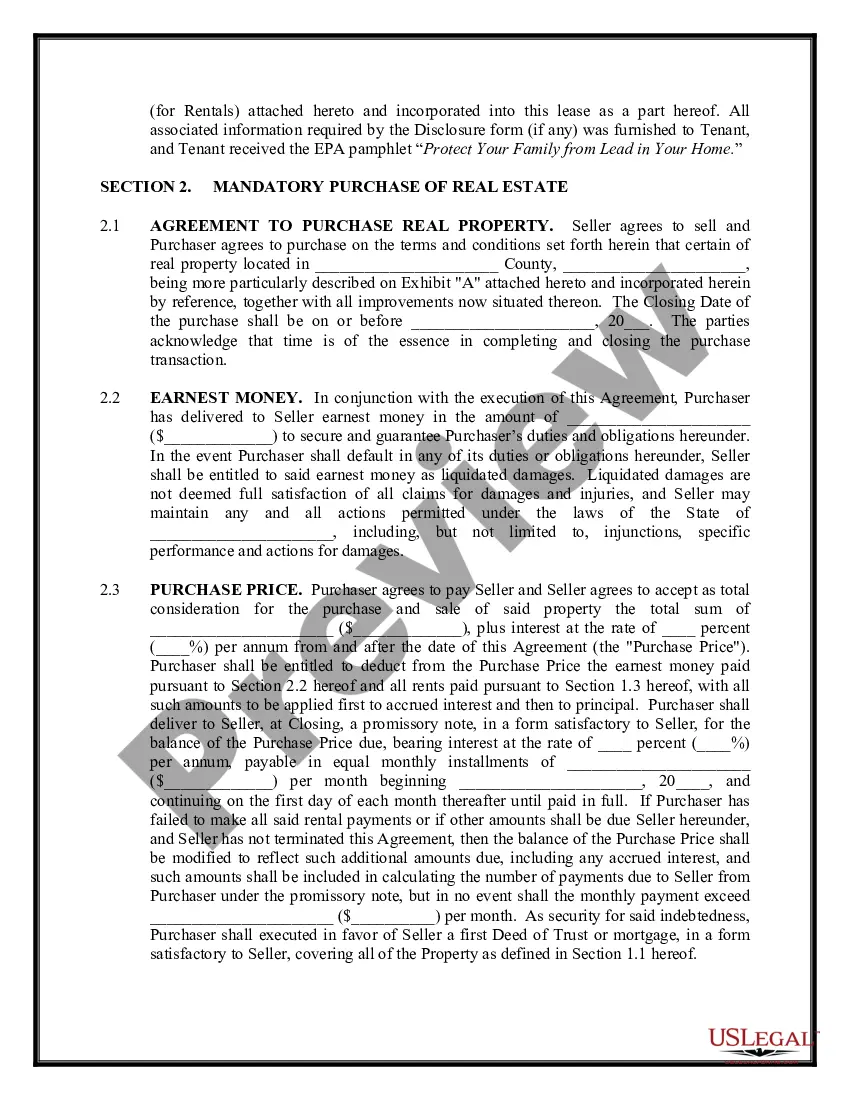
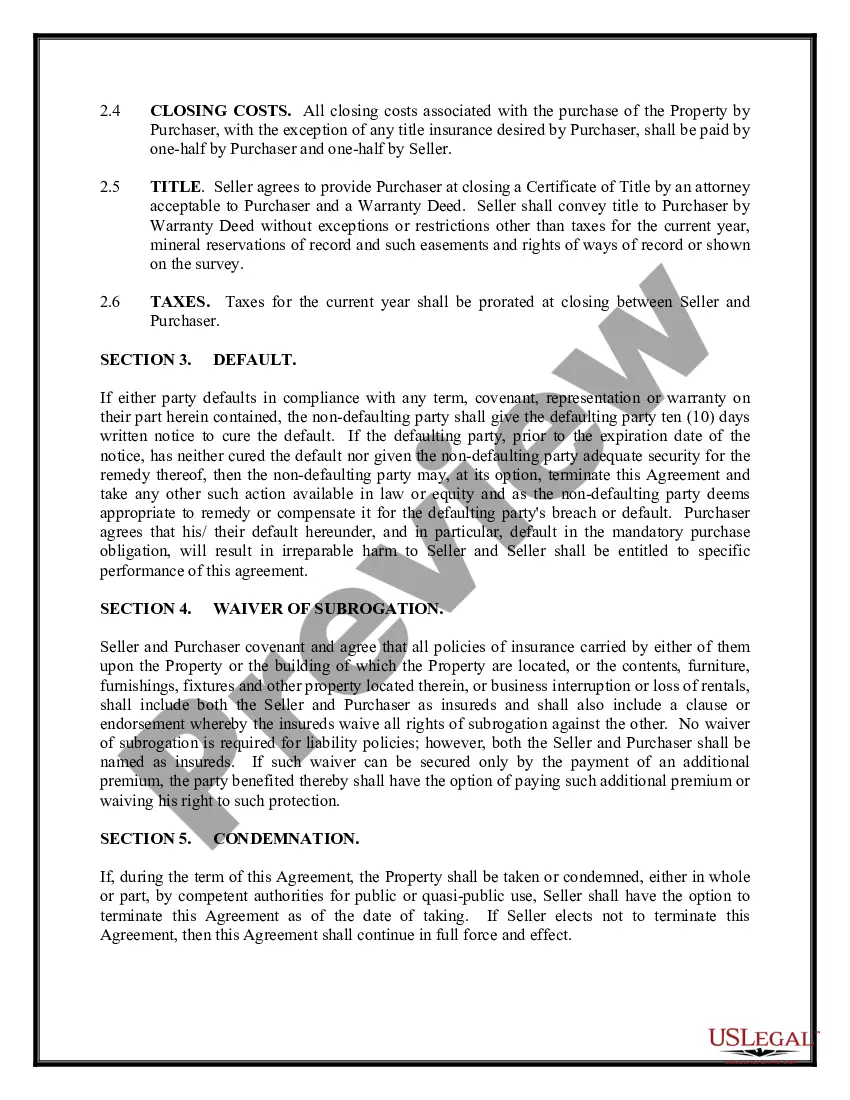
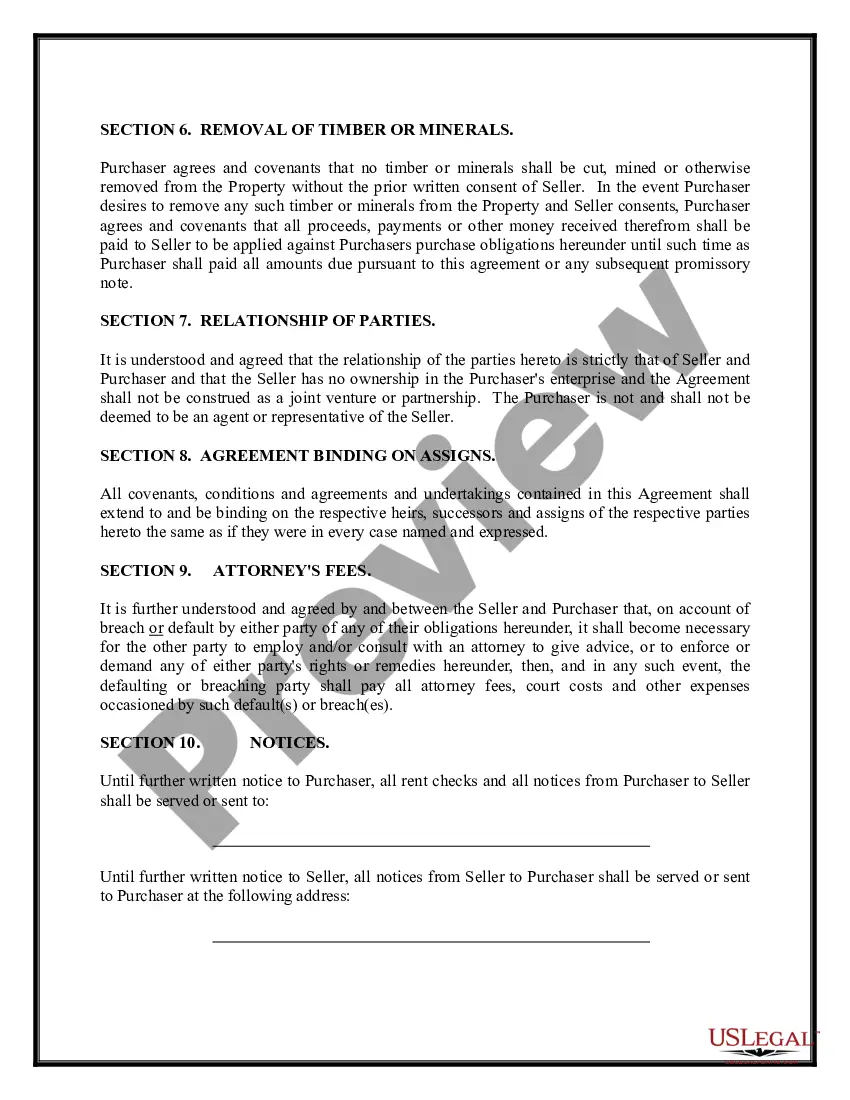
Get your form ready online
Our built-in tools help you complete, sign, share, and store your documents in one place.
Make edits, fill in missing information, and update formatting in US Legal Forms—just like you would in MS Word.
Download a copy, print it, send it by email, or mail it via USPS—whatever works best for your next step.
Sign and collect signatures with our SignNow integration. Send to multiple recipients, set reminders, and more. Go Premium to unlock E-Sign.
If this form requires notarization, complete it online through a secure video call—no need to meet a notary in person or wait for an appointment.
We protect your documents and personal data by following strict security and privacy standards.

Make edits, fill in missing information, and update formatting in US Legal Forms—just like you would in MS Word.

Download a copy, print it, send it by email, or mail it via USPS—whatever works best for your next step.

Sign and collect signatures with our SignNow integration. Send to multiple recipients, set reminders, and more. Go Premium to unlock E-Sign.

If this form requires notarization, complete it online through a secure video call—no need to meet a notary in person or wait for an appointment.

We protect your documents and personal data by following strict security and privacy standards.
Looking for another form?

Form popularity
FAQ
A residuary clause outlines what should happen to any property that has not been addressed in your documents or assigned to a beneficiary. Without a residuary clause, your loved ones may be subjected to complications in the probate or trust administration process.
Your land, houses, buildings, fences, or trees—anything permanently attached to the land—are all considered real property.
For example, a survivorship clause might state "A beneficiary must survive me by 30 days to receive any bequest under this will. If a beneficiary does not survive me by 30 days, their share shall pass as if they predeceased me."
The residuary clause plays a pivotal role in the planning process, acting as a catch-all to ensure no asset is left behind or distributed against your wishes.
California's Legal Framework for No Contest Clauses in Wills Under current California law, a no contest clause will only be enforced if: A beneficiary contests a will or trust without probable cause. A transfer of property is challenged because it was not the transferor's property at the time of the transfer.
Ensures comprehensive distribution: Without a residuary clause, any assets not specifically named in the will could be distributed ing to state intestacy laws, which might not reflect your preferences. Including this clause ensures that any overlooked or unallocated assets have a designated recipient.
Ensures comprehensive distribution: Without a residuary clause, any assets not specifically named in the will could be distributed ing to state intestacy laws, which might not reflect your preferences. Including this clause ensures that any overlooked or unallocated assets have a designated recipient.
The Executor is normally nominated in the Will but it is the court who formally appoints the Executor after a noticed hearing.
Open a case You (the person who starts the case) are called the “petitioner." You must file forms with the court to “open probate.” You file a Petition for Probate (form DE-111) along with other court forms. File the case in the county where the person who died (the decedent) lived.
California Transfer on Death Deeds You must (1) sign the deed, (2) have two adults who are not beneficiaries witness your signing of the deed, (3) have your signature notarized, and (4) record (file) the deed with the county clerk's office within 60 days of having it notarized. The beneficiary's rights.