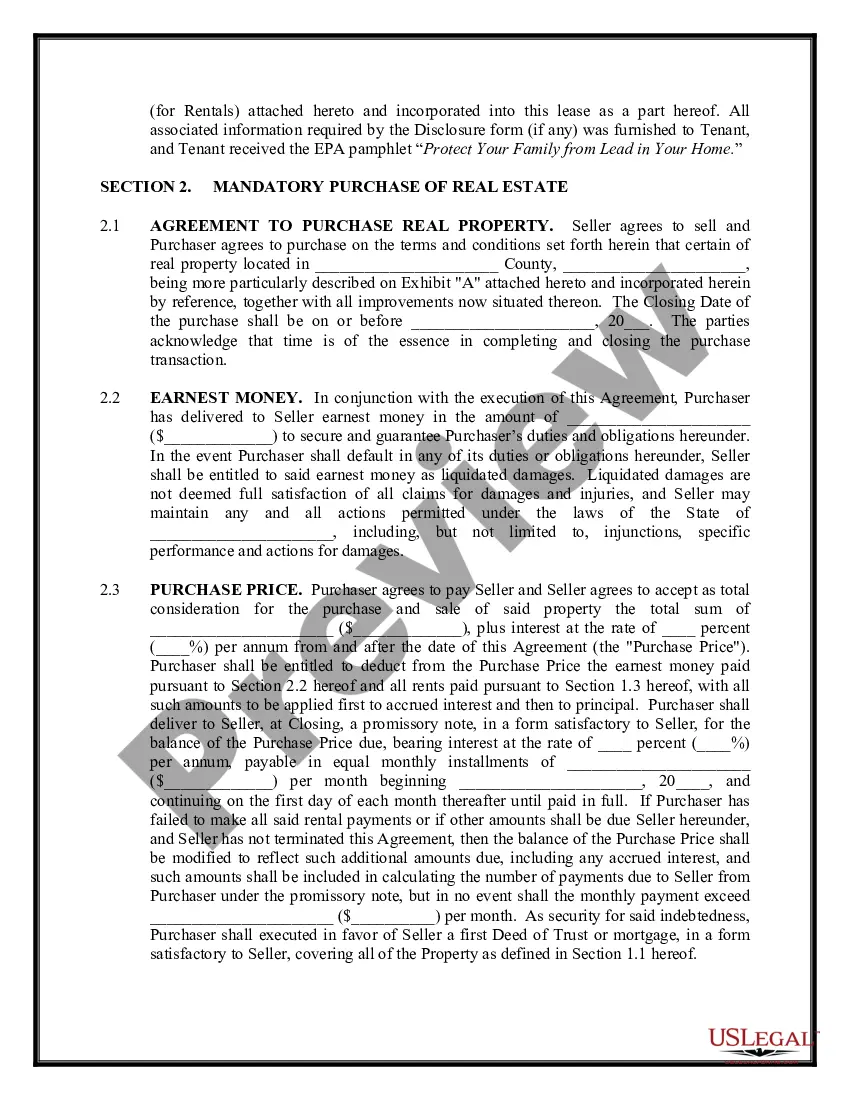
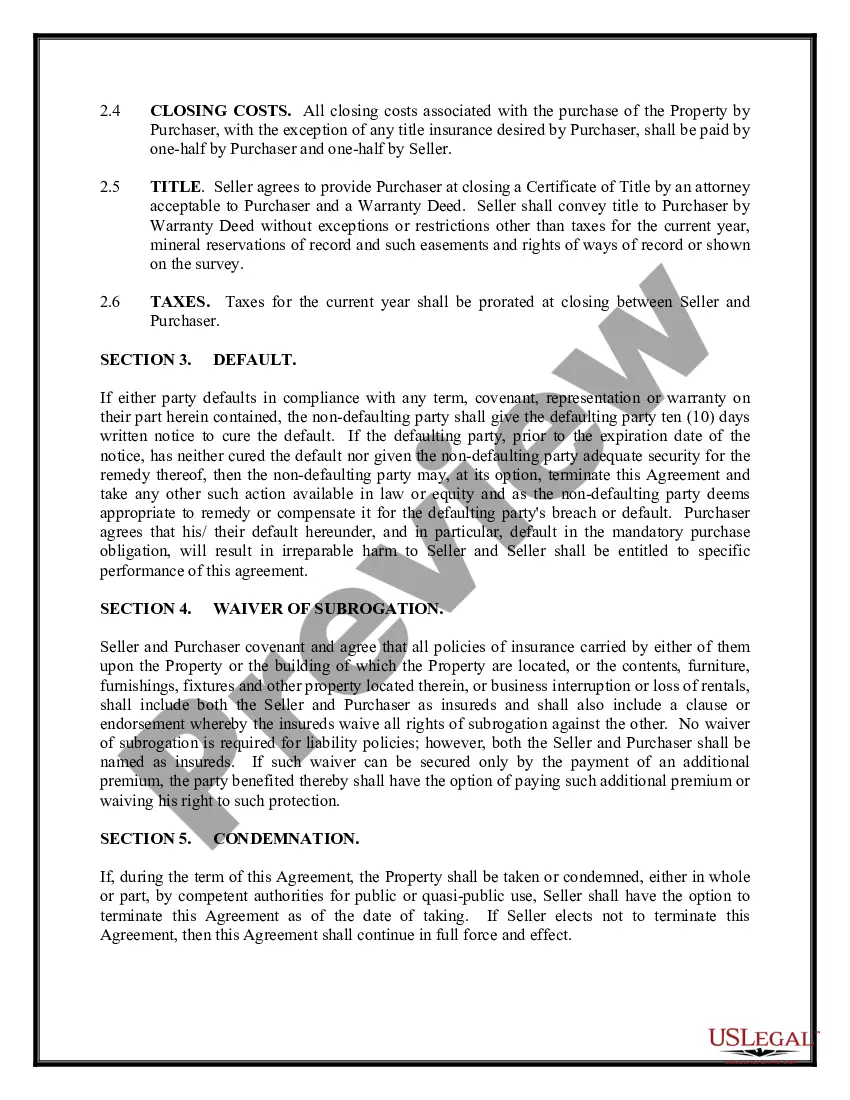
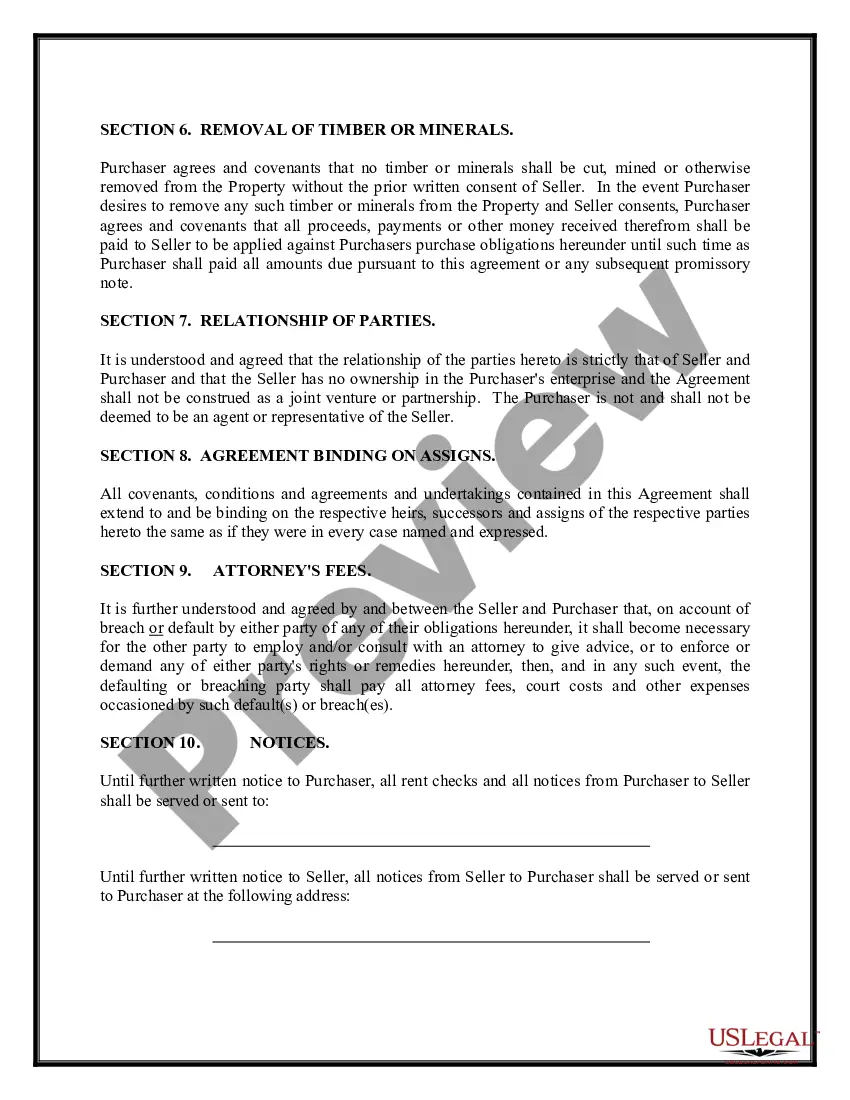
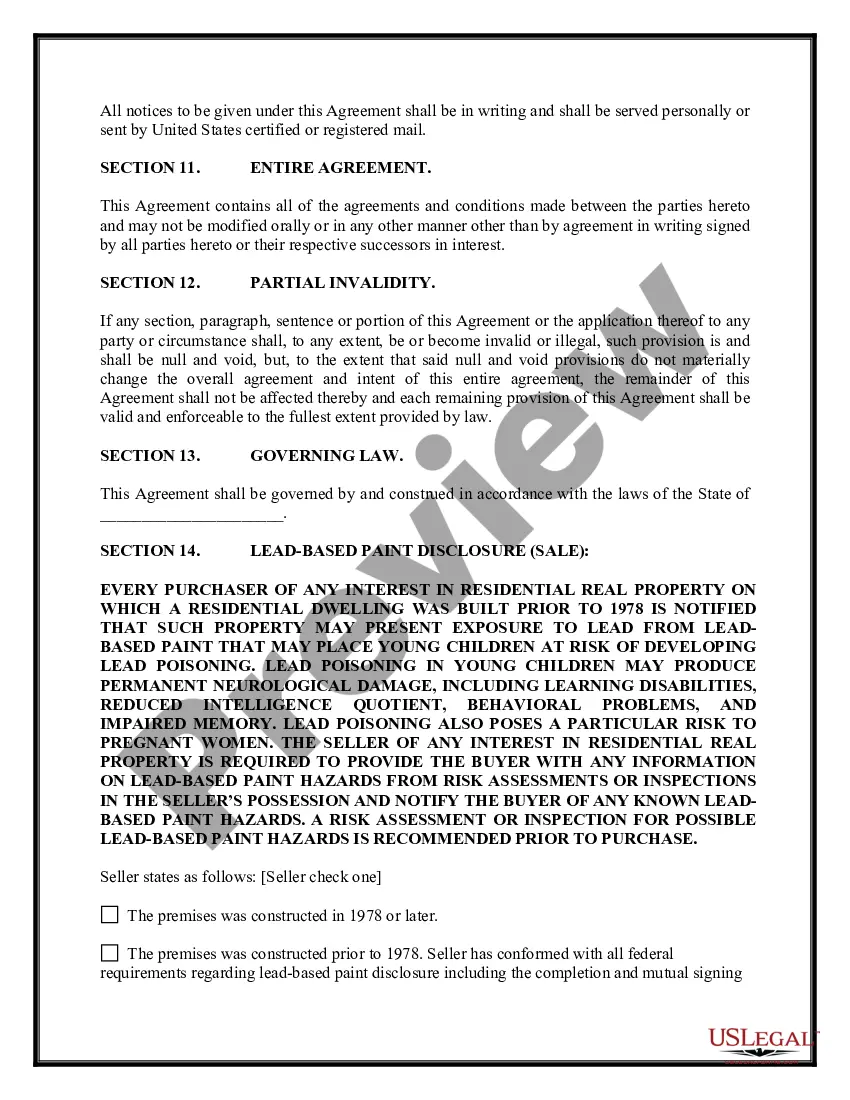
Real Estate Clause For Due Diligence In Alameda
Description

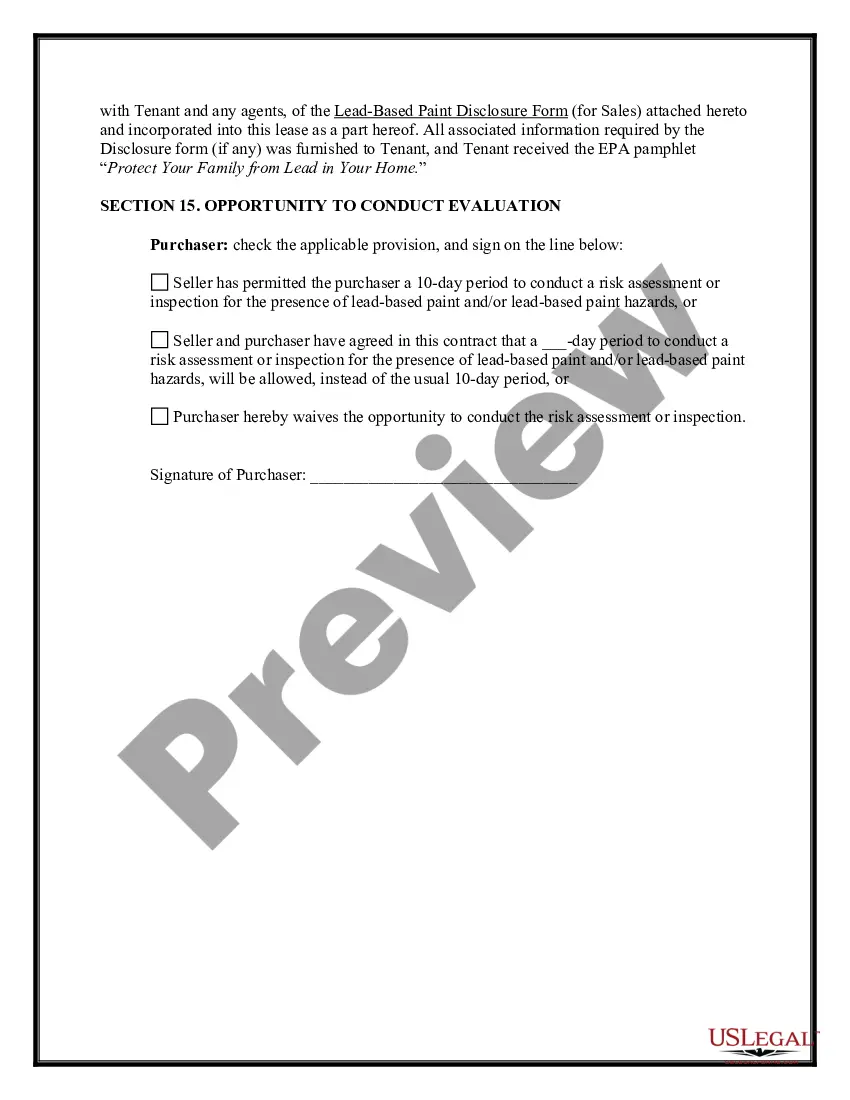
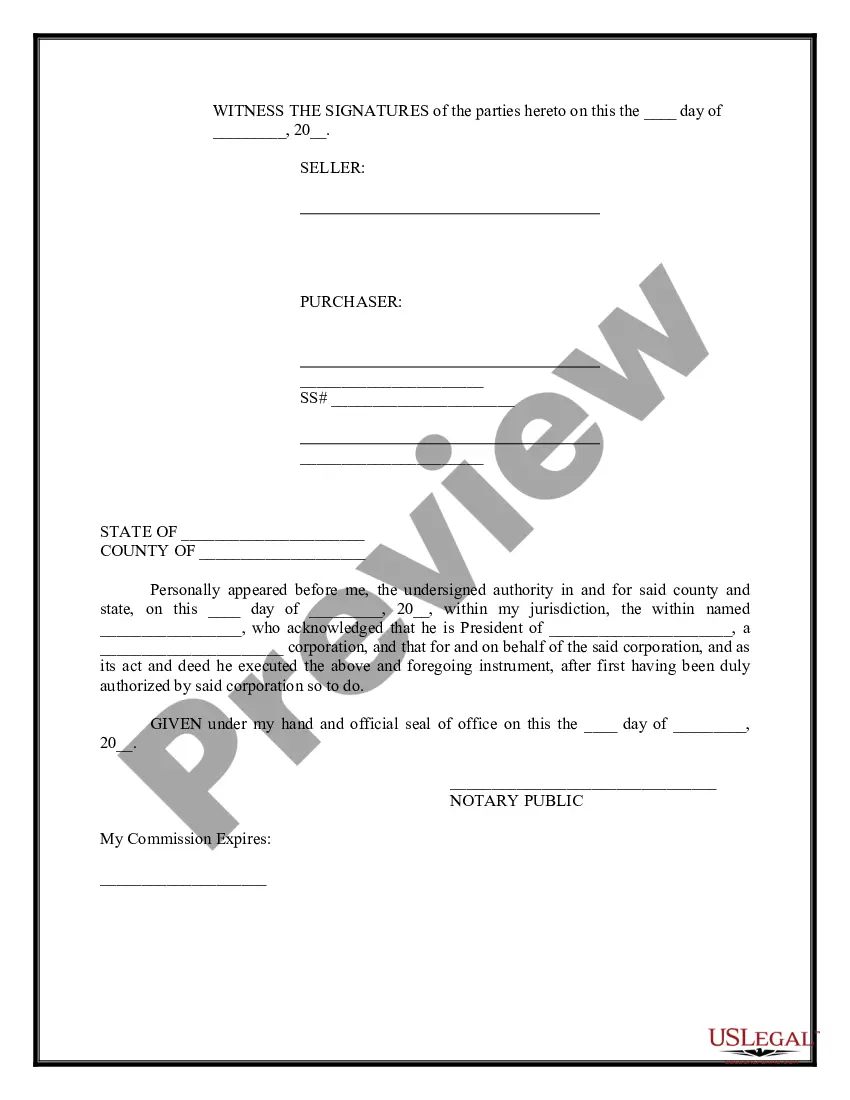
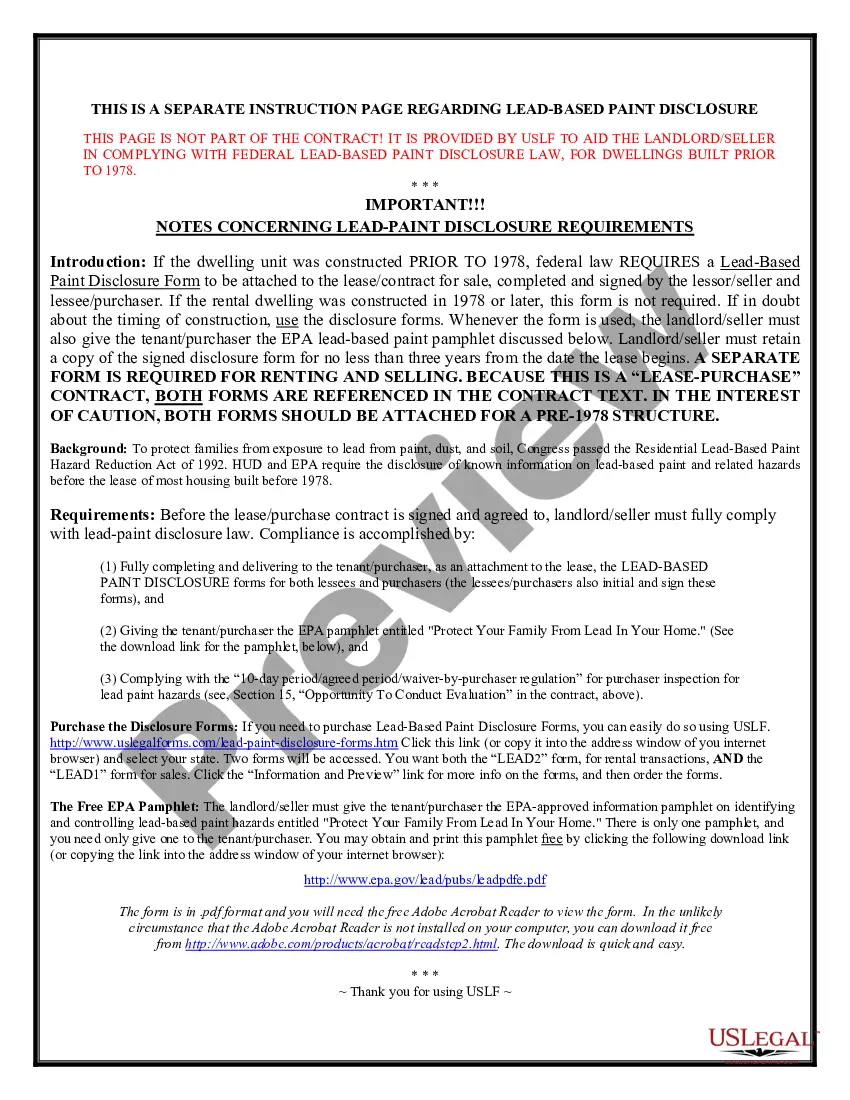
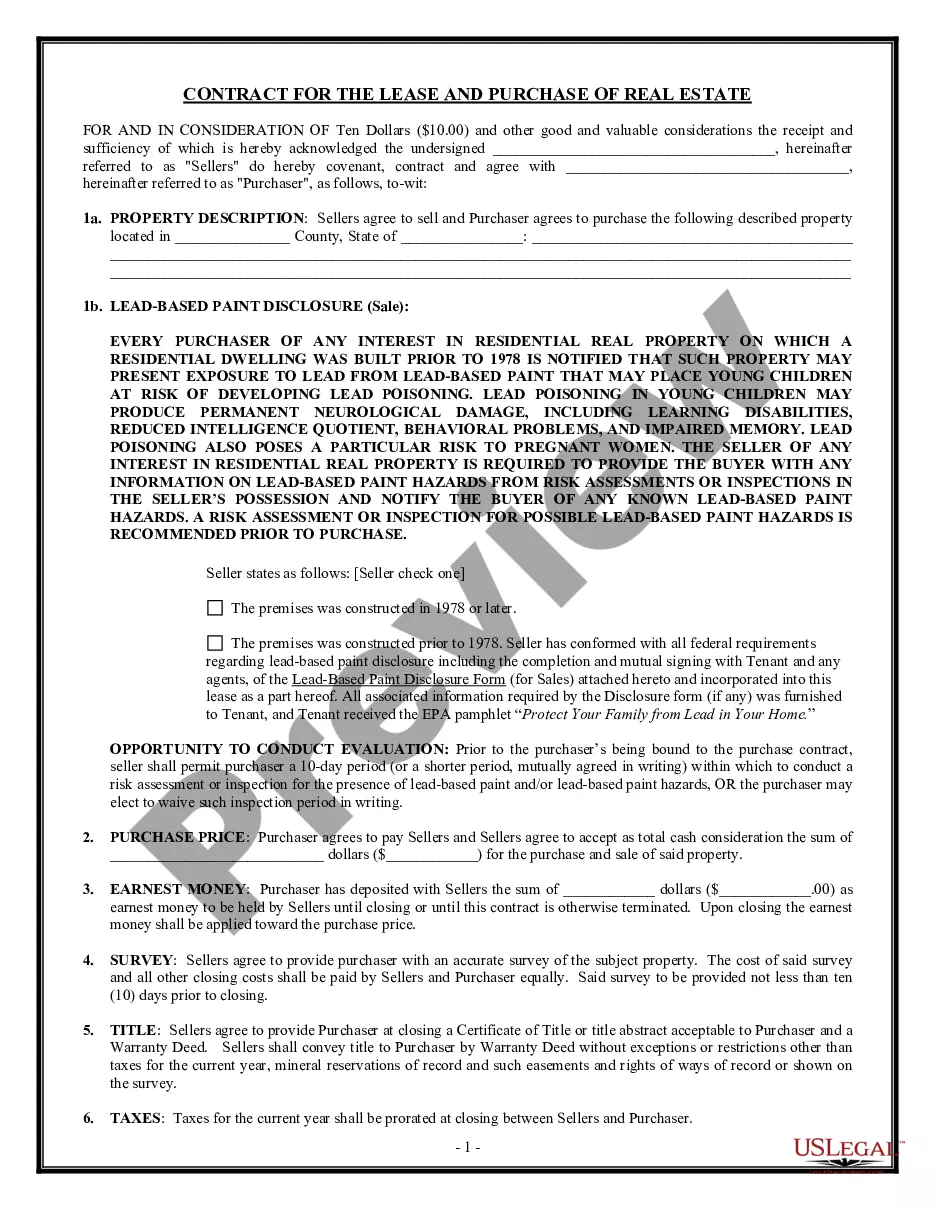
Get your form ready online
Our built-in tools help you complete, sign, share, and store your documents in one place.
Make edits, fill in missing information, and update formatting in US Legal Forms—just like you would in MS Word.
Download a copy, print it, send it by email, or mail it via USPS—whatever works best for your next step.
Sign and collect signatures with our SignNow integration. Send to multiple recipients, set reminders, and more. Go Premium to unlock E-Sign.
If this form requires notarization, complete it online through a secure video call—no need to meet a notary in person or wait for an appointment.
We protect your documents and personal data by following strict security and privacy standards.

Make edits, fill in missing information, and update formatting in US Legal Forms—just like you would in MS Word.

Download a copy, print it, send it by email, or mail it via USPS—whatever works best for your next step.

Sign and collect signatures with our SignNow integration. Send to multiple recipients, set reminders, and more. Go Premium to unlock E-Sign.

If this form requires notarization, complete it online through a secure video call—no need to meet a notary in person or wait for an appointment.

We protect your documents and personal data by following strict security and privacy standards.
Looking for another form?



Form popularity
FAQ
How To Write a Due Diligence Report Step 1: Clearly define the scope of the due diligence process. This first step is where your investigation begins. Step 2: Gather Relevant Information. Step 3: Analyze the Gathered Data. Step 4: Organize the Findings into a Comprehensive Report. Step 5: Provide Recommendations.
Due diligence is the steps an organization takes to thoroughly investigate and verify an entity before initiating a business arrangement, whether that's with a vendor, a third party or a client. In the general business sense, due diligence means vetting issues that affect the business thoughtfully and carefully.
There are many possible examples of due diligence. Some common examples include investigating the financials of a company before making an investment, researching a person's background before hiring them, or reviewing environmental impact reports before committing to a construction project.
Due diligence involves examining a potential acquisition's financial, operational, legal, and other aspects to identify risks and make informed decisions. Different types of due diligence include hard due diligence such as data analysis, and soft due diligence — assessing corporate culture and integration challenges.
When to conduct due diligence? Due diligence should be conducted as early as possible in the M&A process. Ideally, it begins after initial interest and intent are expressed but before finalizing any agreements. Starting early helps identify potential issues and allows ample time for thorough investigation.
Generally, due diligence can take between four and six weeks if you're buying or selling a business. This will vary depending on the business issue you are addressing, where in the deal process your due diligence is taking place and how large or complex your transaction is.
For instance, the average small business due diligence period is roughly 45 to 60 days. Of course, a larger, more complex deal could easily take longer. For example, due diligence for a private equity group or strategic buyer of a similarly sized business usually last 60 to 180 days.
In the U.S., most states allow residential property buyers to conduct due diligence for up to two weeks. Commercial property buyers may have up to two months, partly because of a more complicated background check.
Timeline and Costs for the Due Diligence Process A typical due diligence process typically takes between 4 and 20 weeks, with an imperfectly positive correlation between due diligence time and transaction size. In terms of costs, the best way to reduce costs is to invest in a virtual data room.
In California, a due diligence or contingency period is allowed for sellers to deliver disclosures in seven days. The buyer has 17 days to complete any inspections and apply for financing.