Requesting Discovery Form For Personal Injury Courts In North Carolina
Description
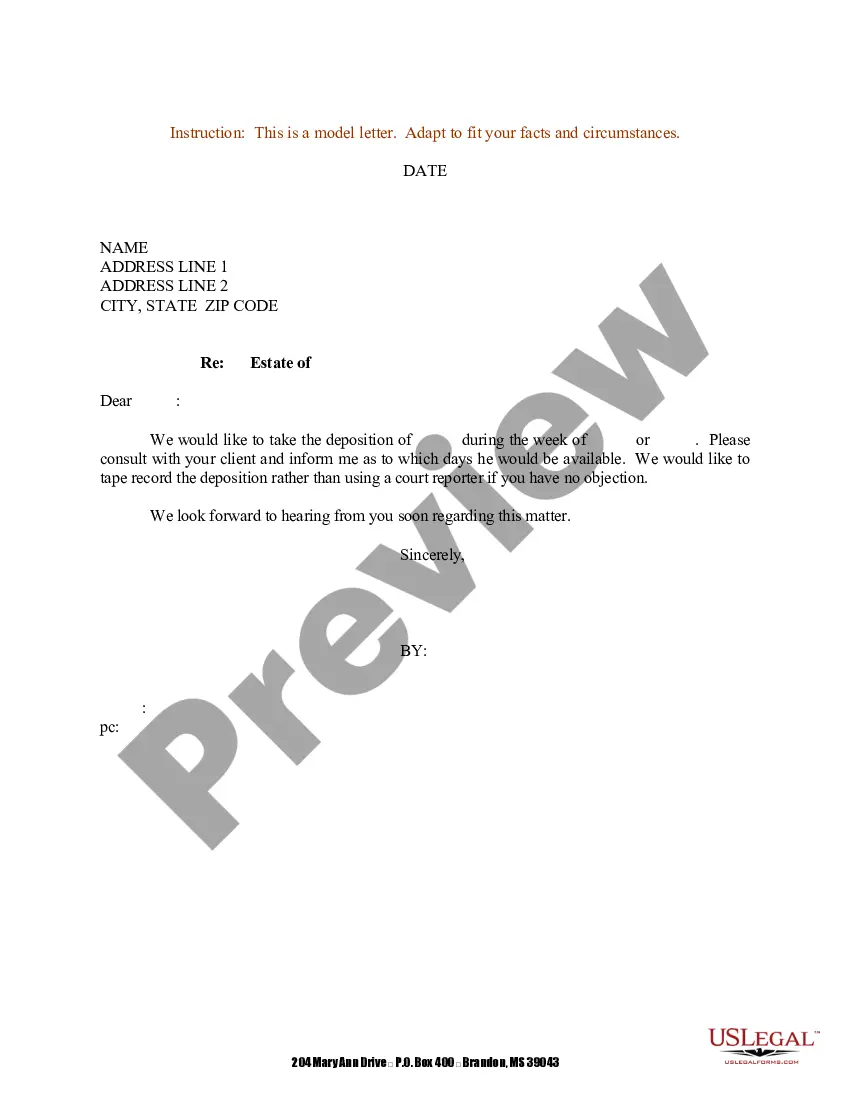
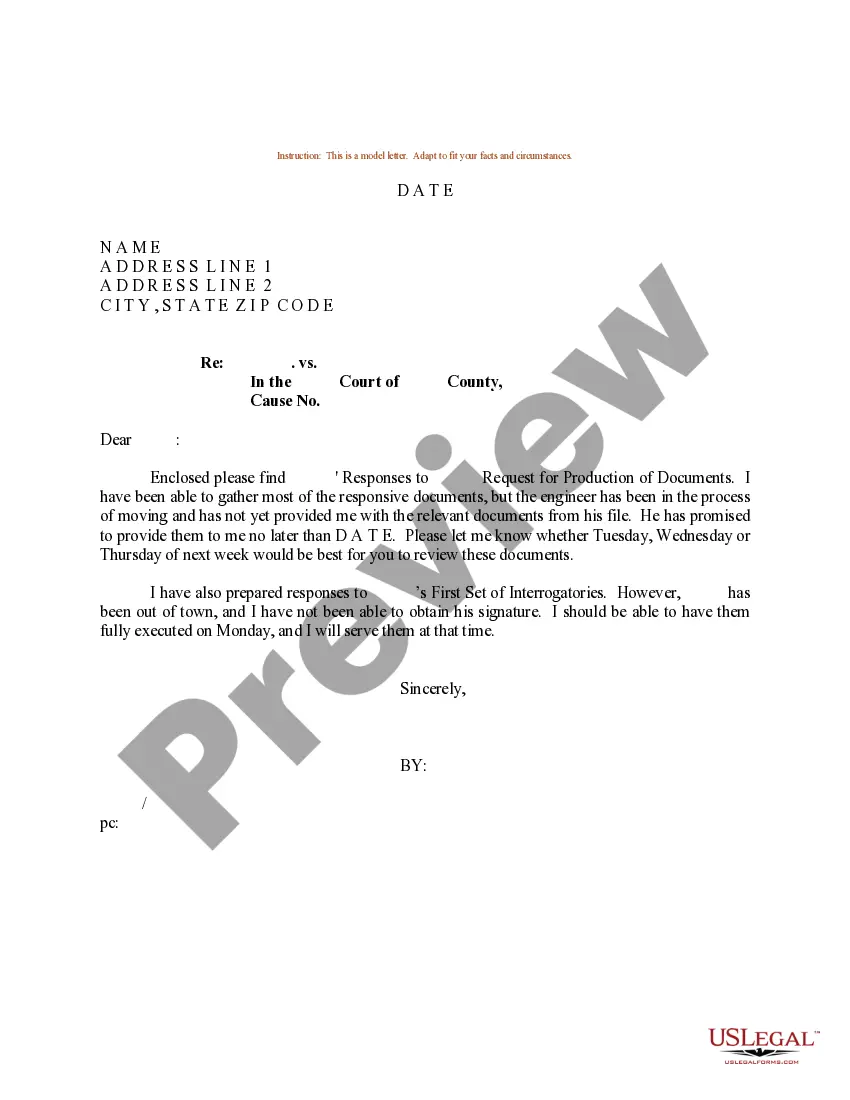
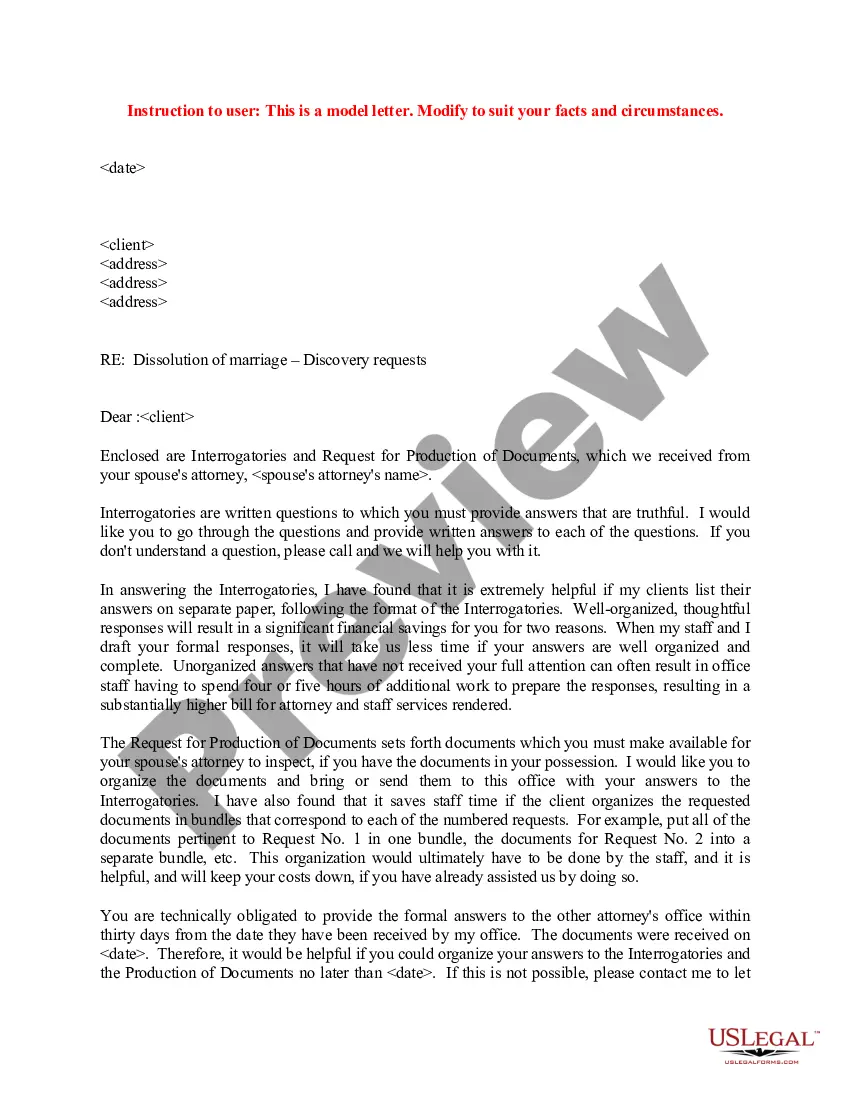
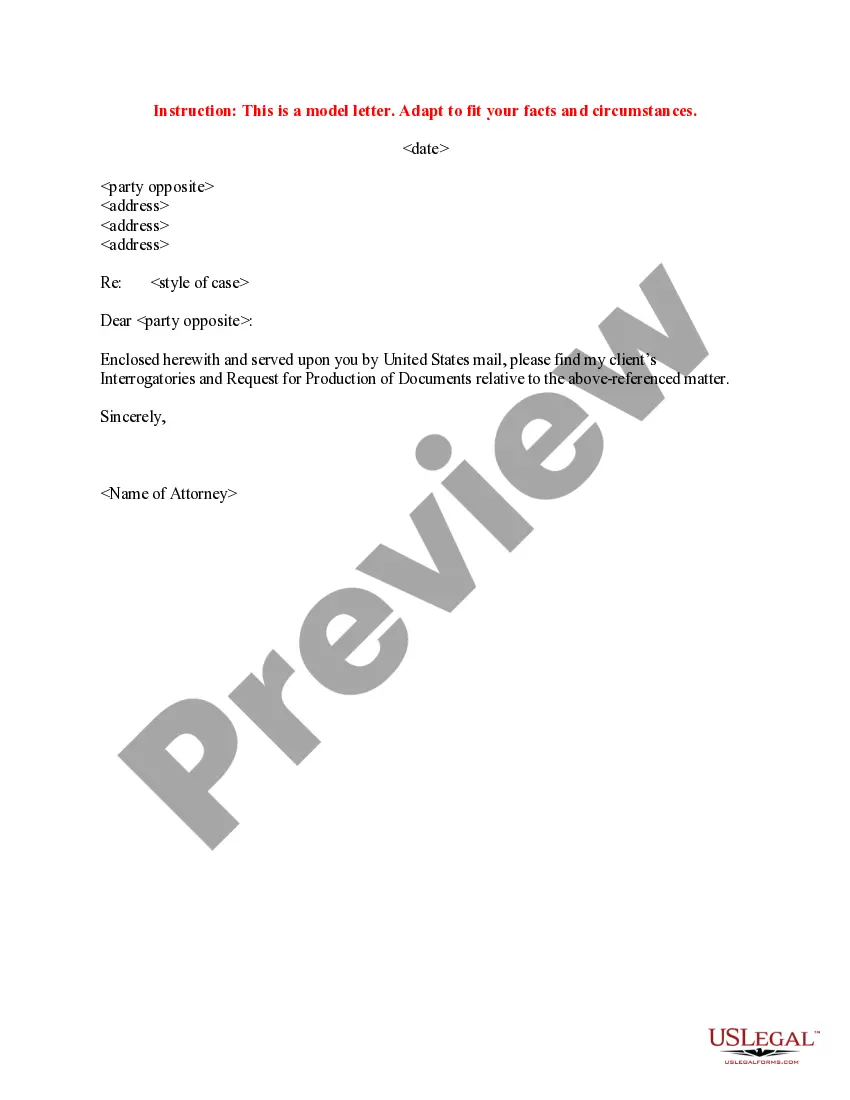
Get your form ready online
Our built-in tools help you complete, sign, share, and store your documents in one place.
Make edits, fill in missing information, and update formatting in US Legal Forms—just like you would in MS Word.
Download a copy, print it, send it by email, or mail it via USPS—whatever works best for your next step.
Sign and collect signatures with our SignNow integration. Send to multiple recipients, set reminders, and more. Go Premium to unlock E-Sign.
If this form requires notarization, complete it online through a secure video call—no need to meet a notary in person or wait for an appointment.
We protect your documents and personal data by following strict security and privacy standards.

Make edits, fill in missing information, and update formatting in US Legal Forms—just like you would in MS Word.

Download a copy, print it, send it by email, or mail it via USPS—whatever works best for your next step.

Sign and collect signatures with our SignNow integration. Send to multiple recipients, set reminders, and more. Go Premium to unlock E-Sign.

If this form requires notarization, complete it online through a secure video call—no need to meet a notary in person or wait for an appointment.

We protect your documents and personal data by following strict security and privacy standards.
Looking for another form?
Form popularity
FAQ
Generally, the prosecution must provide discovery within a set period after the defense's formal request, often ranging from a few weeks to several months. Evidence should be available to the defense either at the preliminary hearing or after the accused has been indicted by a grand jury.
Overall, discovery in a criminal case is generally considered public record, but exceptions may apply depending on the state. It is advisable to consult with a legal professional to determine the specific rules regarding public record in your state.
Generally, discovery requests should be sent to the law enforcement agency that issued the ticket, the prosecuting attorney (in jurisdictions that use prosecutors in traffic court), and to the traffic court clerk.
Discovery may be obtained through depositions, written interrogatories, production of documents, physical or mental examinations and requests for admissions. Discovery can be obtained regarding. any matter that is not subject to a privilege (attorney-client privilege or physician-patient privilege for.
This request must be filed within ten days of probable cause hearing or after waiving probable cause hearing. If no probable cause hearing or waiver occurs, the request should be filed within ten days of service of indictment, consent to bill of information, or appointment of counsel, whichever occurs later.
– Parties may obtain discovery regarding any matter, not privileged, which is relevant to the subject matter involved in the pending action, whether it relates to the claim or defense of the party seeking discovery or to the claim or defense of any other party, including the existence, description, nature, custody, ...
After a lawsuit is filed in court, "Discovery" is the time in a California personal injury for both sides (injured party and defense) to discover evidence that may help their case in anticipation of a jury trial, arbitration, or even a settlement mediation.
Discovery requests typically follow a common format that you can mirror. First, list instructions detailing the request for production. Be sure to mention Rule 34 and Rule 26(b), which outline the scope of the discovery request. It's also necessary to include a section with definitions.
In the United States, there are five basic forms of discovery: depositions, interrogatories, requests for production of documents (or permission to inspect), physical and mental examinations, and requests for admission.
How Does Discovery Work? There are four main types of discovery requests: (1) depositions; (2) interrogatories; (3) requests for admissions; and (4) requests for the production of documents. Depositions are formal witness interviews.

