Agreement Letter For Borrowing Money In Texas
Description
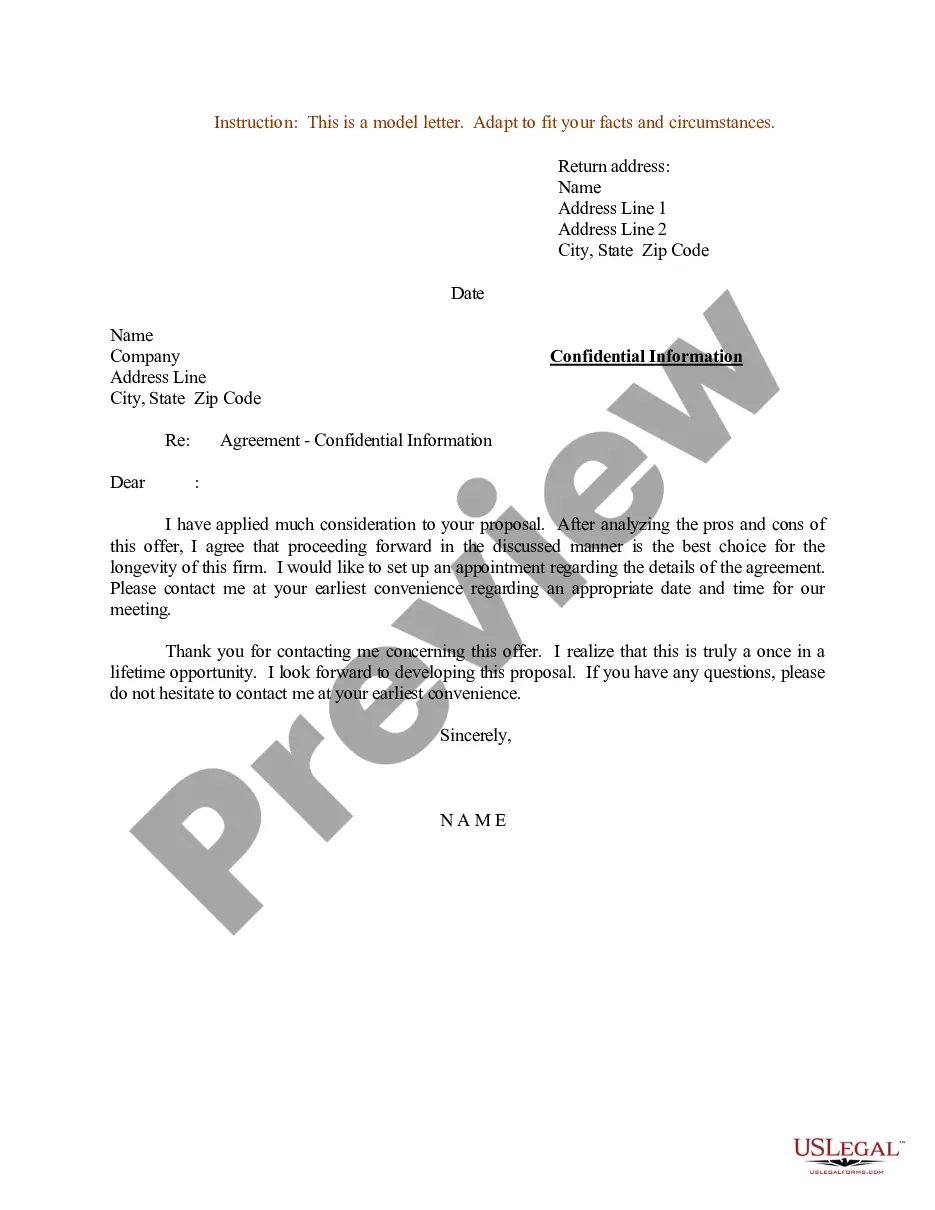
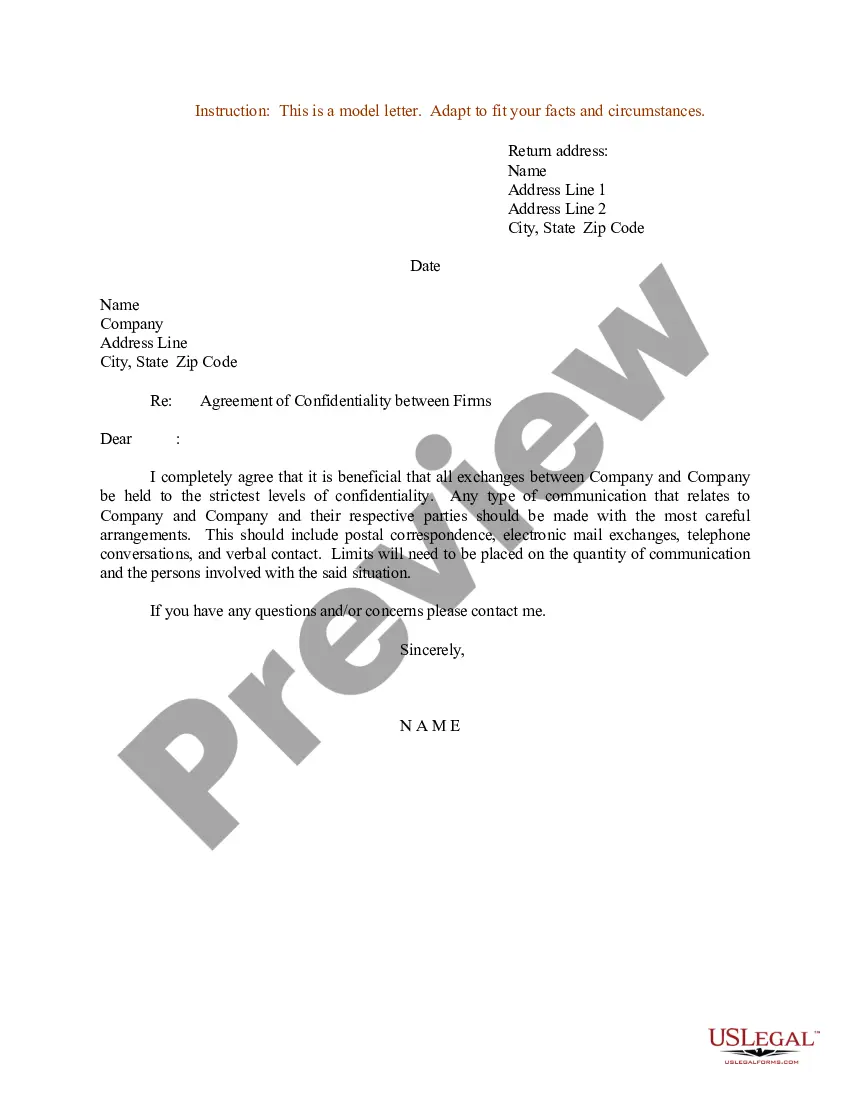
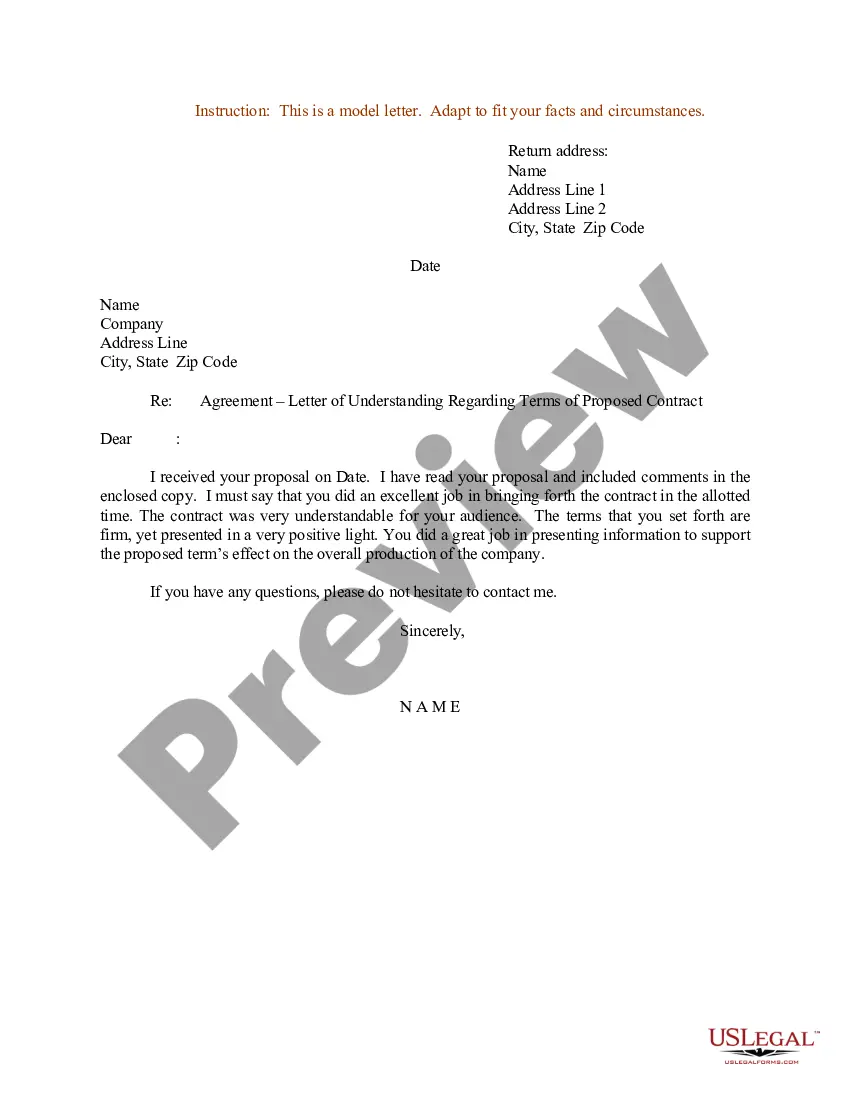
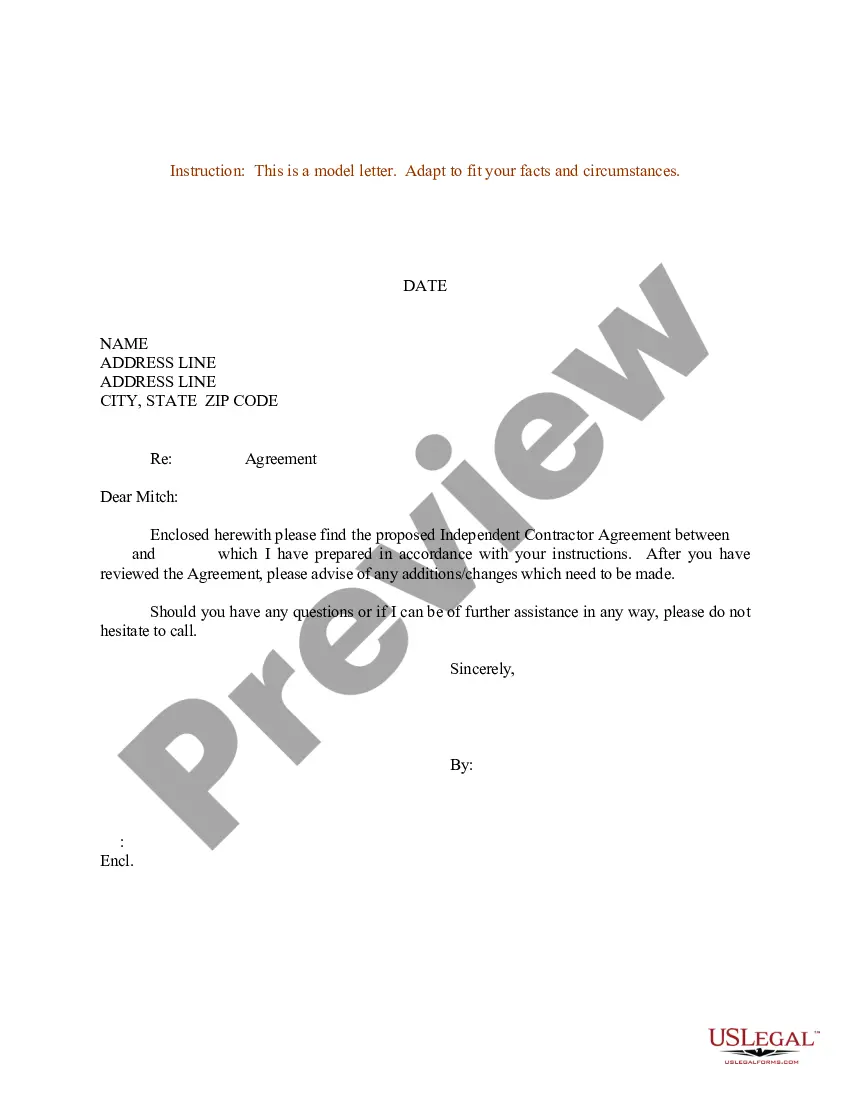
Get your form ready online
Our built-in tools help you complete, sign, share, and store your documents in one place.
Make edits, fill in missing information, and update formatting in US Legal Forms—just like you would in MS Word.
Download a copy, print it, send it by email, or mail it via USPS—whatever works best for your next step.
Sign and collect signatures with our SignNow integration. Send to multiple recipients, set reminders, and more. Go Premium to unlock E-Sign.
If this form requires notarization, complete it online through a secure video call—no need to meet a notary in person or wait for an appointment.
We protect your documents and personal data by following strict security and privacy standards.

Make edits, fill in missing information, and update formatting in US Legal Forms—just like you would in MS Word.

Download a copy, print it, send it by email, or mail it via USPS—whatever works best for your next step.

Sign and collect signatures with our SignNow integration. Send to multiple recipients, set reminders, and more. Go Premium to unlock E-Sign.

If this form requires notarization, complete it online through a secure video call—no need to meet a notary in person or wait for an appointment.

We protect your documents and personal data by following strict security and privacy standards.
Looking for another form?








Form popularity
FAQ
How to write an agreement letter Title your document. Provide your personal information and the date. Include the recipient's information. Address the recipient and write your introductory paragraph. Write a detailed body. Conclude your letter with a paragraph, closing remarks, and a signature. Sign your letter.
At a bare minimum, an IOU should include the borrower's name, the lender's name, the amount of the debt, the current date, the date the debt is due, and the borrower's signature. In addition, it's recommended that IOUs contain: How the debt is to be repaid (lump sum or installments)
A simple promissory note might be for a lump sum repayment on a certain date. For example, let's say you lend your friend $1,000 and he agrees to repay you by December 1st. The full amount is due on that date, and there is no payment schedule involved.
Generally, the types of documents that require a notary are those that have legal or financial significance. Some common types of documents that require notarization are as follows: Legal documents: Like affidavits and power of attorney forms.
There are some circumstances that can cause this legal document to become null and void. Here are some potential erros to avoid. Unclear clauses, missing signatures, unfair terms (e.g., excessive interest rates), or losing the original document can render a promissory note invalid and unenforceable.
How Do I Write an IOU? How the debt is to be repaid (lump sum or installments) A repayment schedule (size and frequency of payments, if in installments) Whether interest is charged, and if so, at what rate. A guarantor for the debt, if any. The state whose laws govern the agreement. Signature of the lender.
How to write a contract agreement in 7 steps. Determine the type of contract required. Confirm the necessary parties. Choose someone to draft the contract. Write the contract with the proper formatting. Review the written contract with a lawyer. Send the contract agreement for review or revisions.

