Requesting Discovery Form With Court In New York
Description
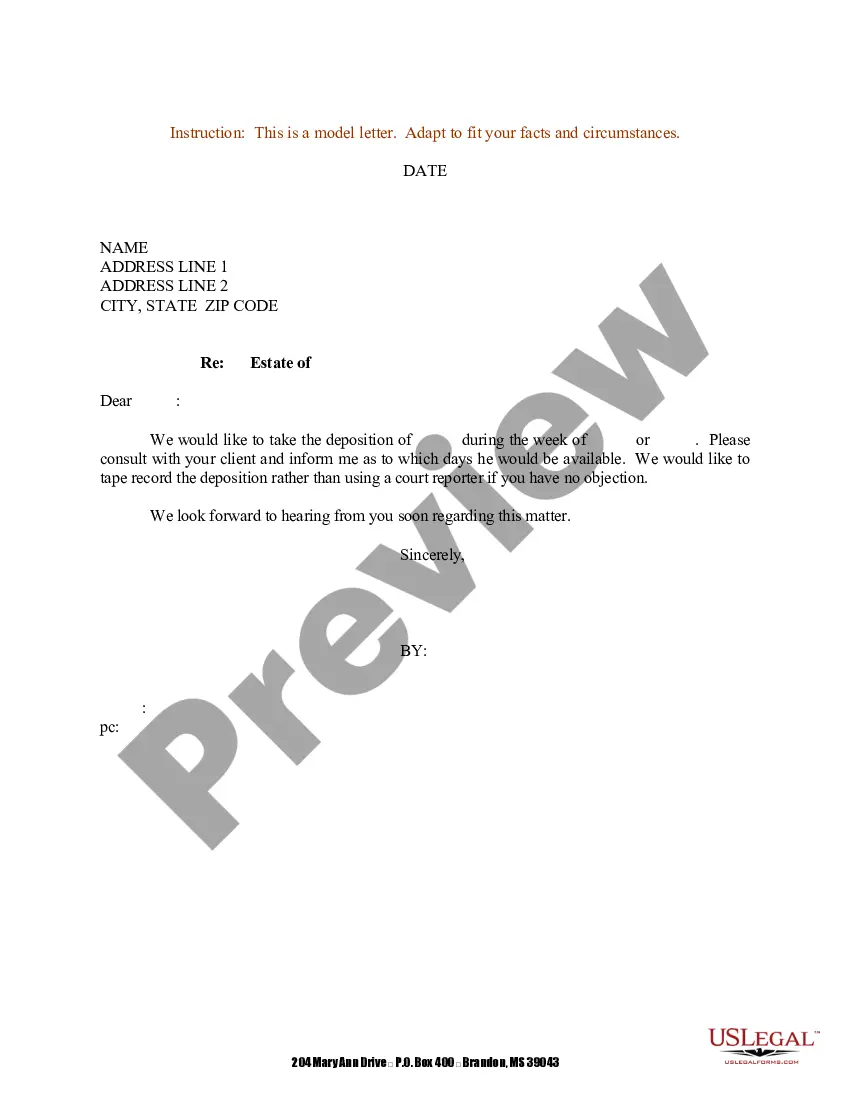
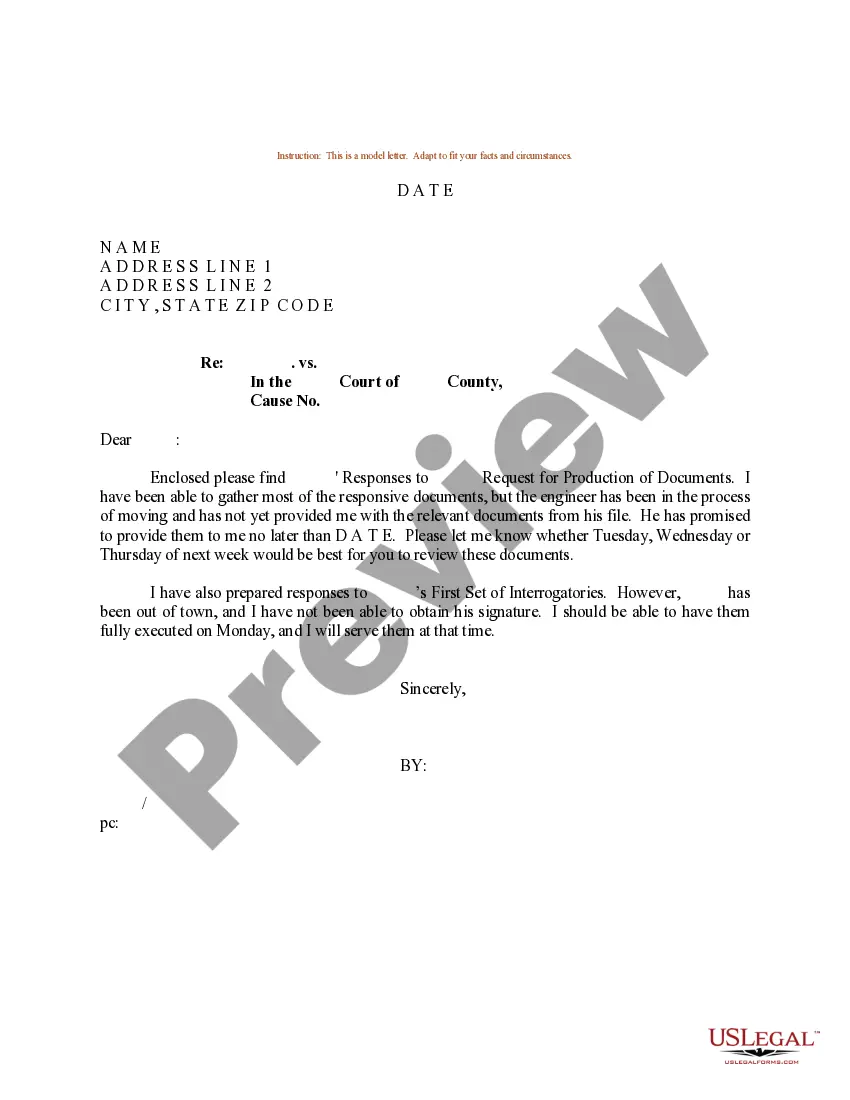
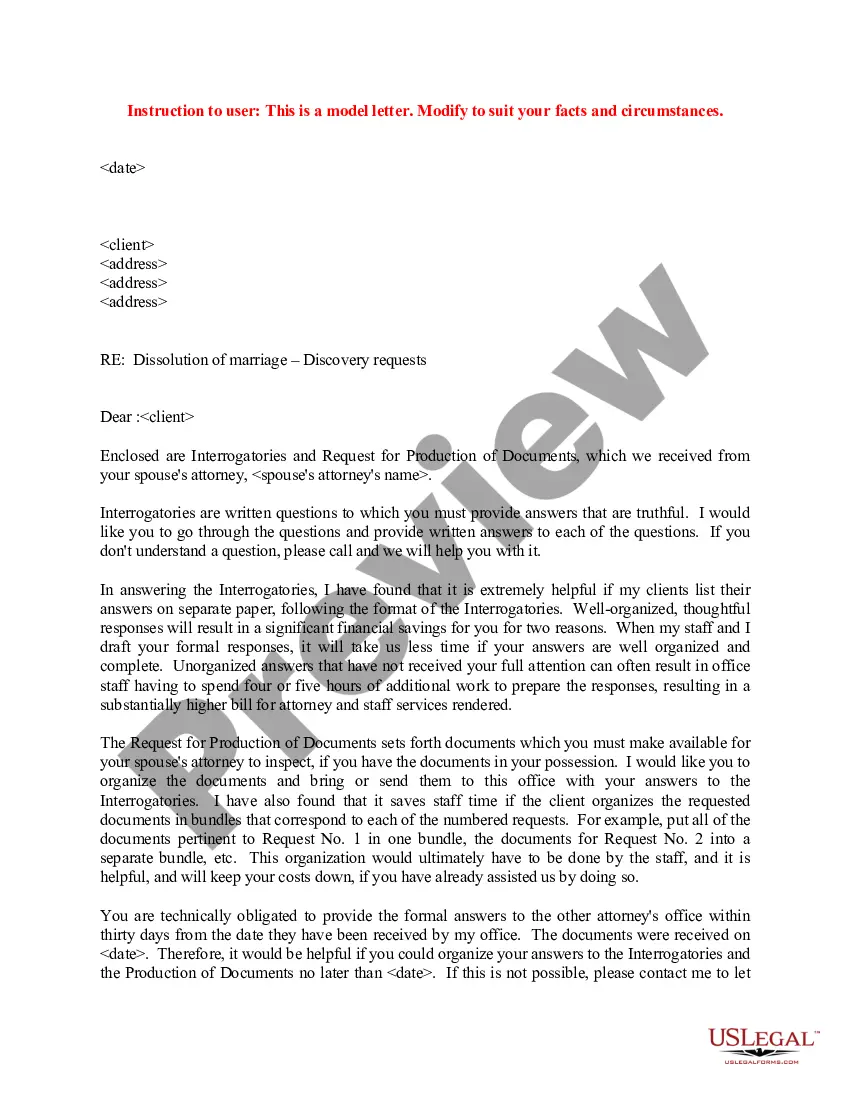
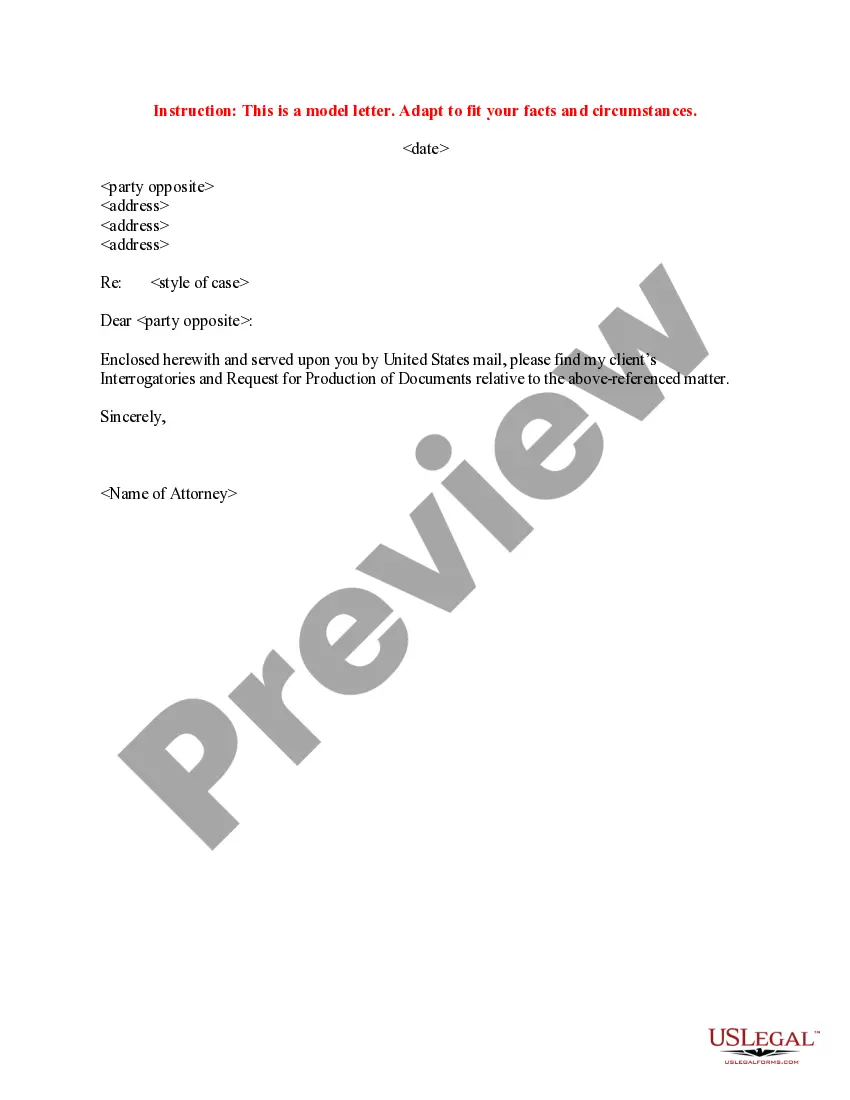
Get your form ready online
Our built-in tools help you complete, sign, share, and store your documents in one place.
Make edits, fill in missing information, and update formatting in US Legal Forms—just like you would in MS Word.
Download a copy, print it, send it by email, or mail it via USPS—whatever works best for your next step.
Sign and collect signatures with our SignNow integration. Send to multiple recipients, set reminders, and more. Go Premium to unlock E-Sign.
If this form requires notarization, complete it online through a secure video call—no need to meet a notary in person or wait for an appointment.
We protect your documents and personal data by following strict security and privacy standards.
Make edits, fill in missing information, and update formatting in US Legal Forms—just like you would in MS Word.
Download a copy, print it, send it by email, or mail it via USPS—whatever works best for your next step.
Sign and collect signatures with our SignNow integration. Send to multiple recipients, set reminders, and more. Go Premium to unlock E-Sign.

If this form requires notarization, complete it online through a secure video call—no need to meet a notary in person or wait for an appointment.
We protect your documents and personal data by following strict security and privacy standards.
Looking for another form?




Form popularity
FAQ
You have 30 days to serve a written response to a request for admission, but you may ask the other party for more time. If the other party declines, you may write to the judge to ask for an extension of time.
The Benefits of Discovery for Both Plaintiffs and Defendants Helps plaintiffs and defendants understand the legal issues at play in the case and better prepare for trial. During discovery, each party can obtain facts from the other through requests for admission, interrogatories, documents, depositions, and more.
Once the time passes, plaintiff is entitled to serve discovery without any procedural hurdles. However, in a federal court action, a party may not serve discovery until after the meeting of counsel under Federal Rule of Civil Procedure 26. This meeting is typically initiated by plaintiff's counsel.
The new criminal discovery statute, CPL 245, which went into effect on January 1, 2020, for the first time required “automatic” discovery in criminal cases of certain categories of information without a request and within specified timeframes in advance of trial.
There are four main types of discovery requests: (1) depositions; (2) interrogatories; (3) requests for admissions; and (4) requests for the production of documents. Depositions are formal witness interviews.
When Is Discovery Available? In New York Supreme Court actions (other than actions in the Commercial Division) discovery is generally available after the defendant interposes its answer. If the defendant serves a pre-answer motion to dismiss, however, then discovery is generally stayed until that motion is decided.
It dictates that the statute of limitations for filing a lawsuit begins not at the moment of injury but at the point when the injured party discovers, or reasonably should have discovered, the harm.
In some cases, the offense may not become known until a later date. In these instances, New York laws sometimes allow the statute of limitations period to commence on the date the injury is discovered or should reasonably have been discovered. This is known as the discovery rule.
Steps Of The Discovery Process. There are four key actions in the discovery process which include interrogatories, request for documents, request for admissions, and depositions.
The core element of the best evidence rule is “proof of content.” The rule requires the production of the original of a writing, recording, or photograph only when a party is seeking to prove the contents of the writing, recording, or photograph (e.g. Flynn v Manhattan & Bronx Surface Tr.

