Requesting Discovery Form For Court In Los Angeles
Description
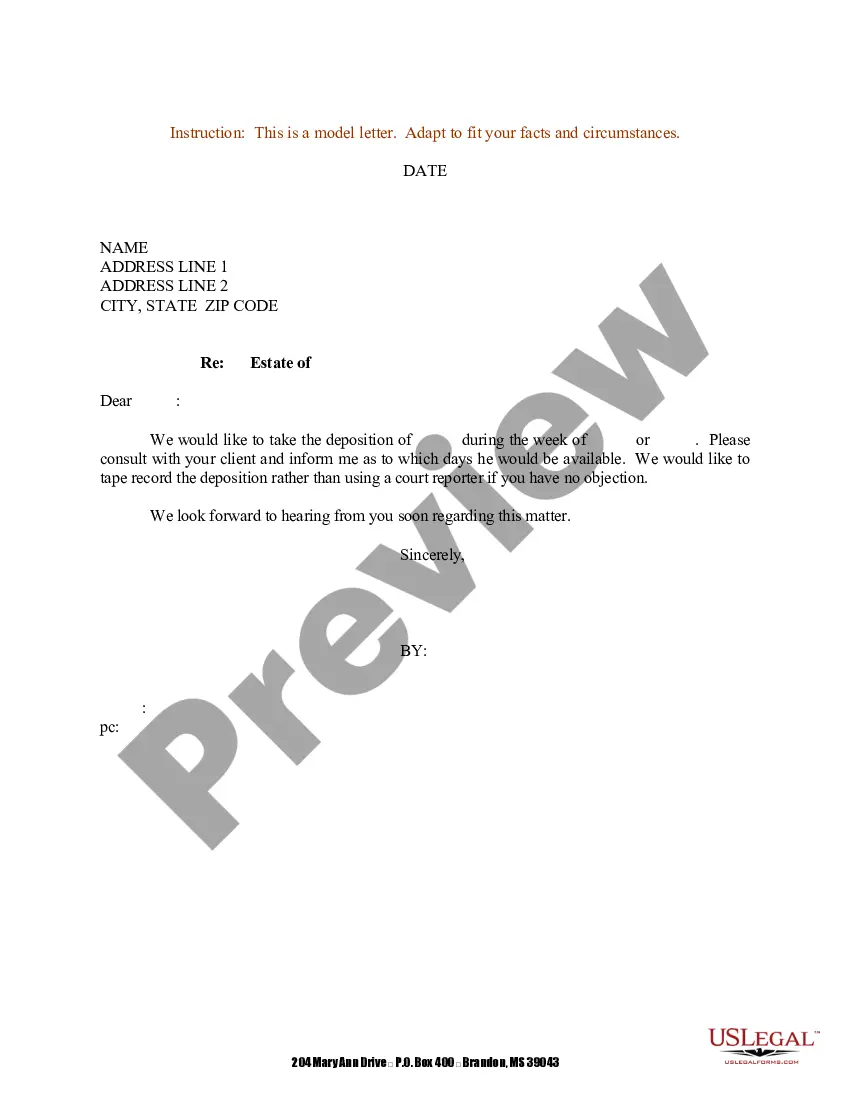
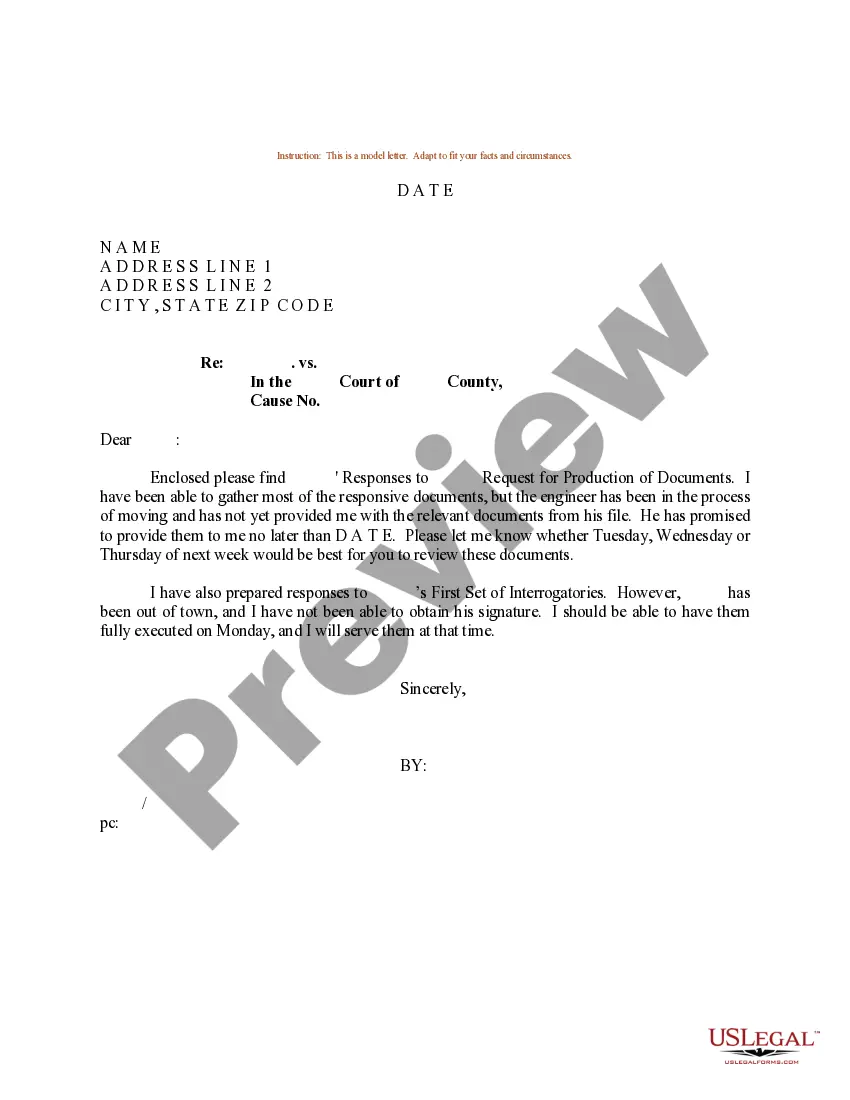
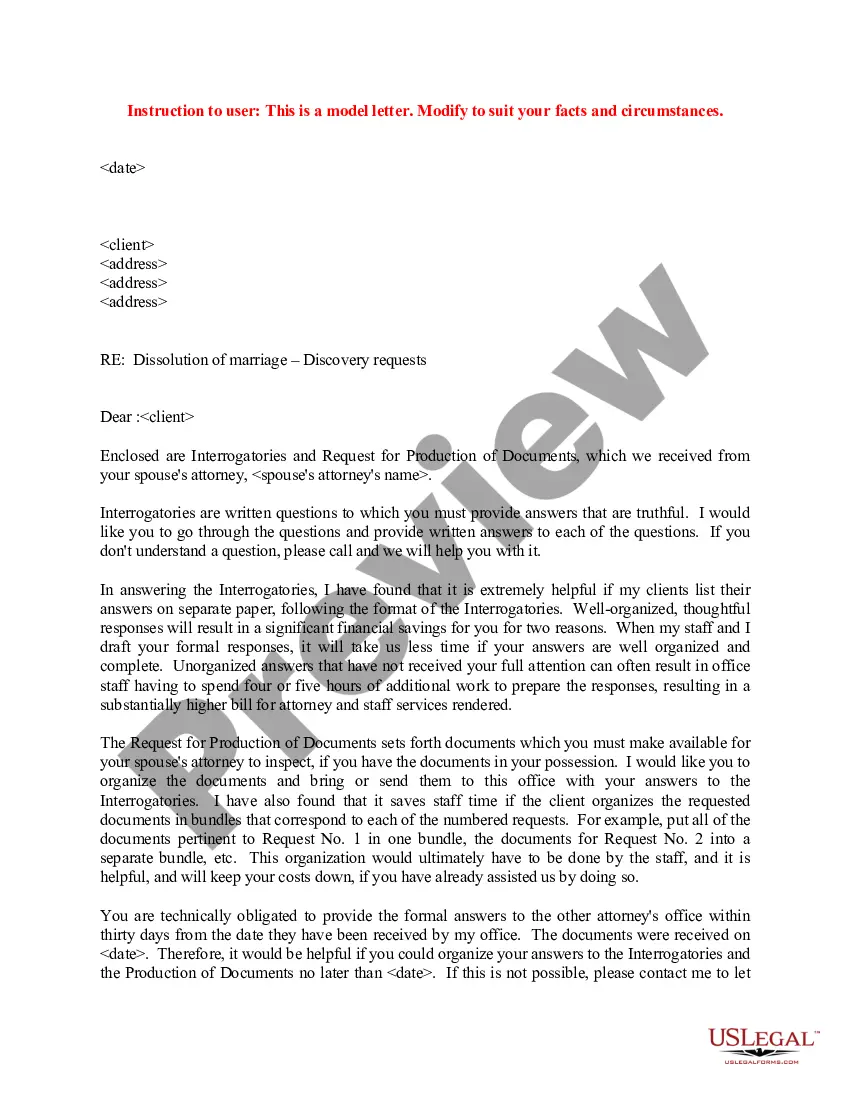
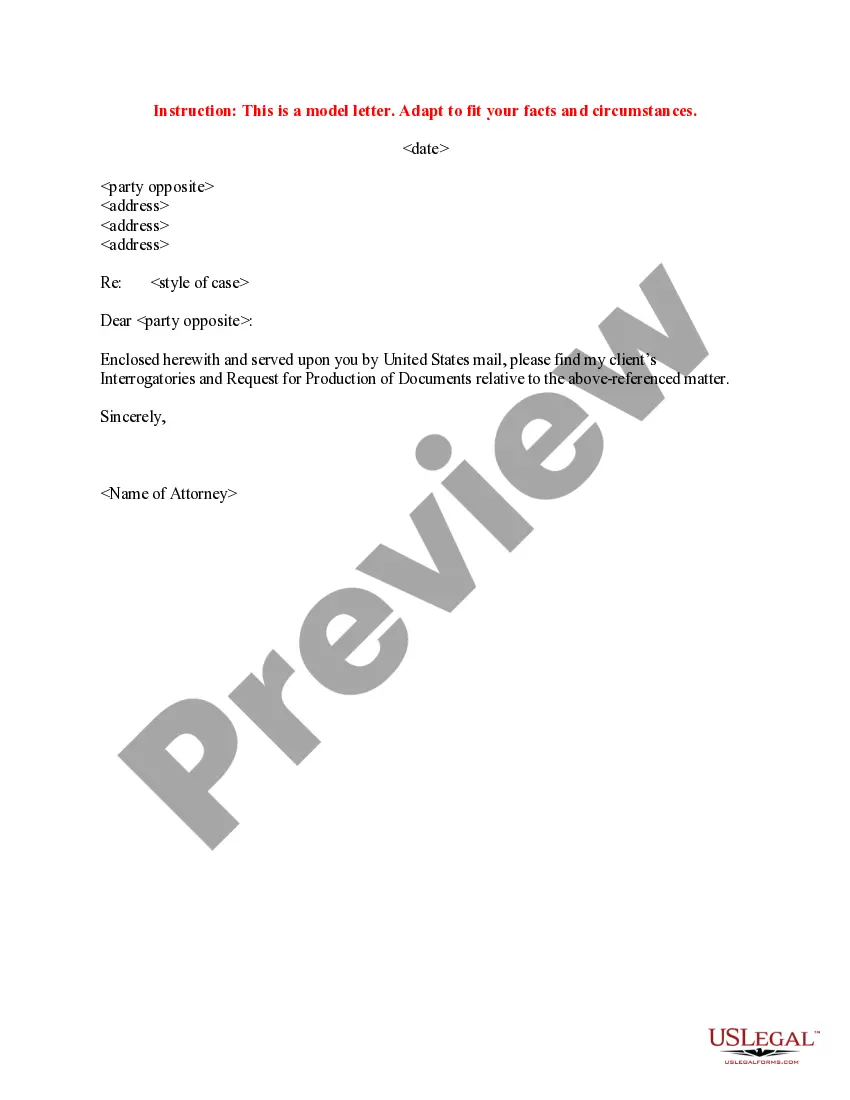
Get your form ready online
Our built-in tools help you complete, sign, share, and store your documents in one place.
Make edits, fill in missing information, and update formatting in US Legal Forms—just like you would in MS Word.
Download a copy, print it, send it by email, or mail it via USPS—whatever works best for your next step.
Sign and collect signatures with our SignNow integration. Send to multiple recipients, set reminders, and more. Go Premium to unlock E-Sign.
If this form requires notarization, complete it online through a secure video call—no need to meet a notary in person or wait for an appointment.
We protect your documents and personal data by following strict security and privacy standards.

Make edits, fill in missing information, and update formatting in US Legal Forms—just like you would in MS Word.

Download a copy, print it, send it by email, or mail it via USPS—whatever works best for your next step.

Sign and collect signatures with our SignNow integration. Send to multiple recipients, set reminders, and more. Go Premium to unlock E-Sign.

If this form requires notarization, complete it online through a secure video call—no need to meet a notary in person or wait for an appointment.

We protect your documents and personal data by following strict security and privacy standards.
Looking for another form?
Form popularity
FAQ
Discovery requests typically follow a common format that you can mirror. First, list instructions detailing the request for production. Be sure to mention Rule 34 and Rule 26(b), which outline the scope of the discovery request. It's also necessary to include a section with definitions.
How Does Discovery Work? There are four main types of discovery requests: (1) depositions; (2) interrogatories; (3) requests for admissions; and (4) requests for the production of documents. Depositions are formal witness interviews.
Generally, the prosecution must provide discovery within a set period after the defense's formal request, often ranging from a few weeks to several months. Evidence should be available to the defense either at the preliminary hearing or after the accused has been indicted by a grand jury.
(a) A defendant may propound interrogatories to a party to the action without leave of court at any time. (b) A plaintiff may propound interrogatories to a party without leave of court at any time that is 10 days after the service of the summons on, or appearance by, that party, whichever occurs first.
IDCs involve informal consultations between judges and opposing counsel before the filing of formal discovery motions. During an IDC , parties in a dispute alert the judge to their disagreement, and the judge arranges a telephone or in-person conference.
Cut Off of Expert Discovery – the civil law time limit for expert discovery cutoff is fifteen (15) days before the original set trial date.
A discovery plan is an essential part of effectively implementing the best use of formal and informal discovery methods. You need a good road map. A litigation discovery plan provides the scope of discovery and a timeline for implementing the discovery to support legal theories, remedies and to counter defenses.
You must file and serve this Informal Discovery Conference Form no later than 15 court days prior to the IDC. The opposing party may file and serve a responsive IDC Form, briefly setting forth that party's response, at least 10 court days prior to the IDC.
The Small Claims Hearing You must submit copies of your evidence to the court and to each party in your case at least 10 days prior to the hearing. When submitting evidence, you must complete form LASC CIV 278 and use LASC CIV 279 mailing labels.
Ultimately, the primary purpose of the discovery conference is to facilitate communication between the parties involved in the trademark dispute. It provides an opportunity for the parties to discuss and clarify issues related to discovery, which is the process of exchanging relevant information and evidence.

