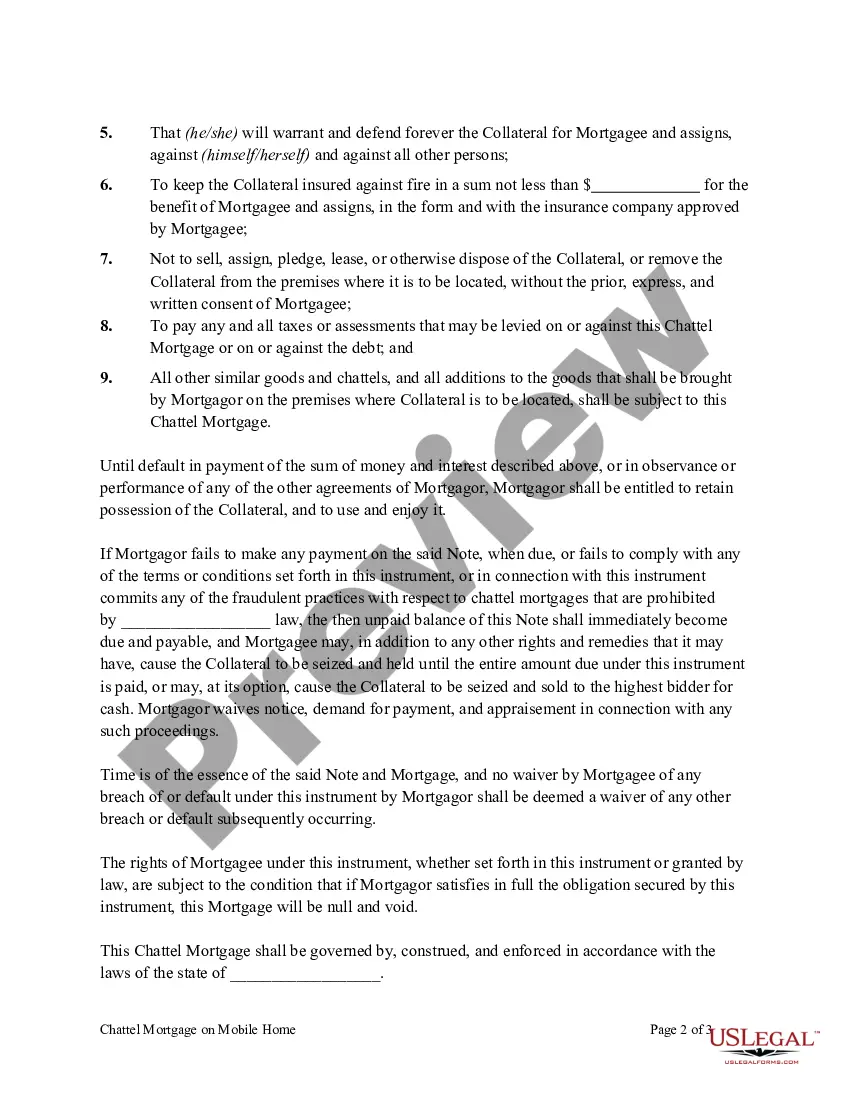
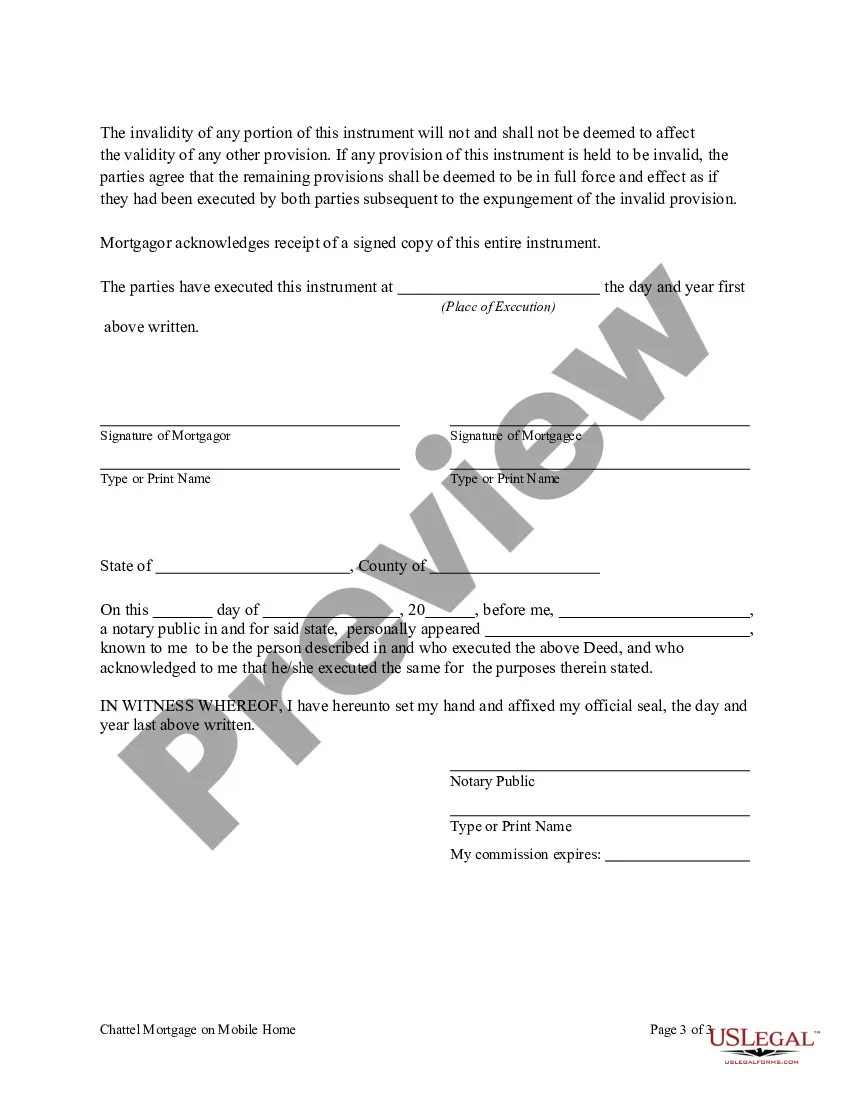
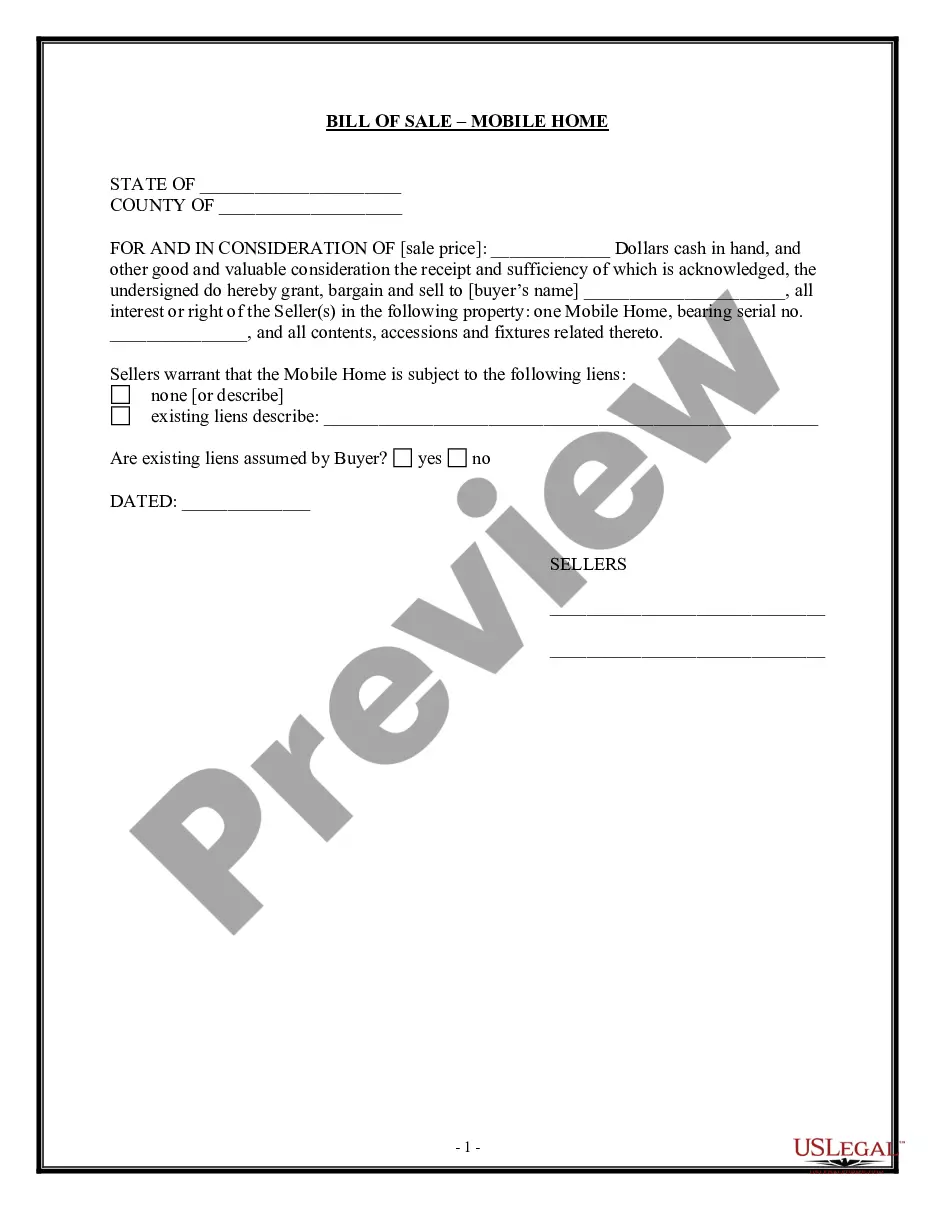
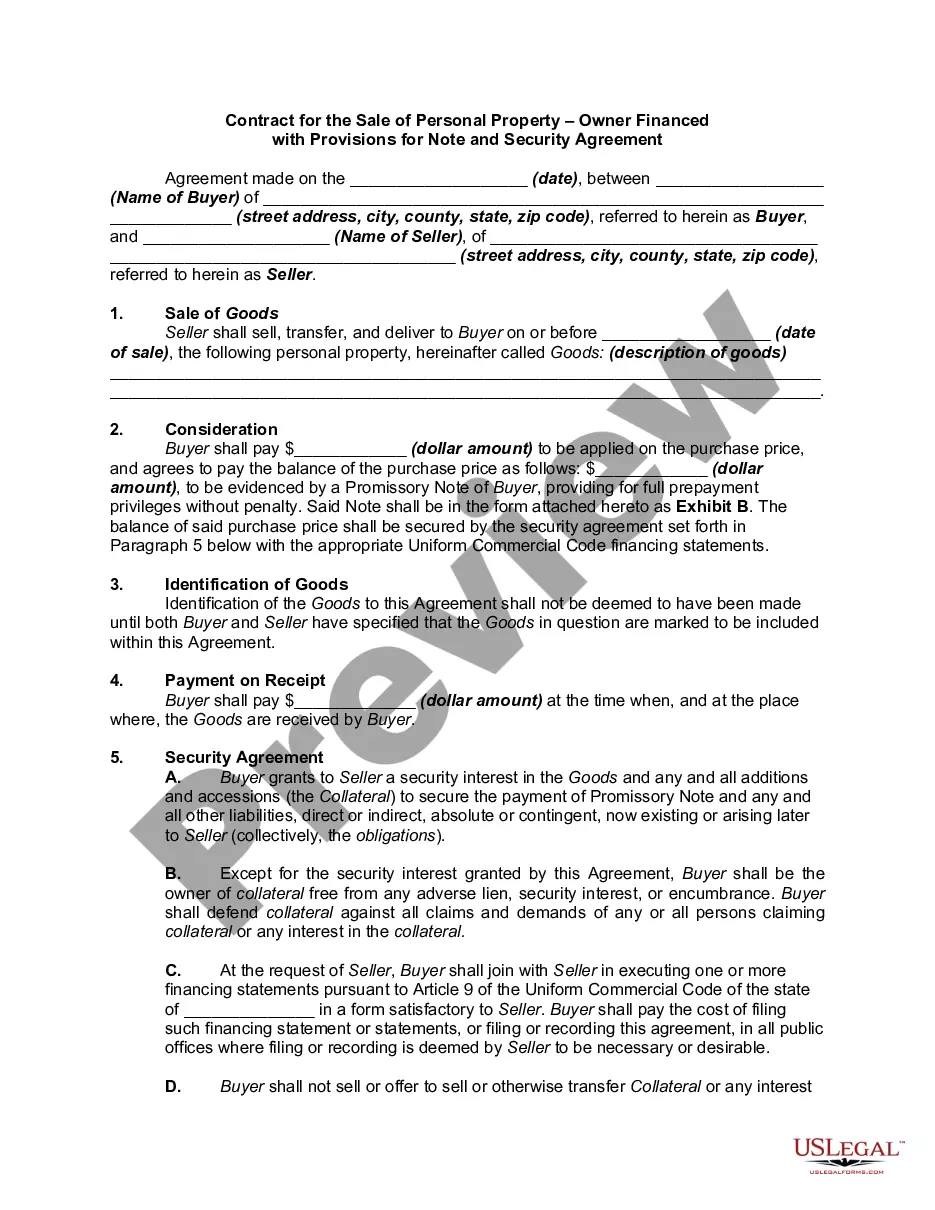
Chattel Mortgage Form With Extra Judicial Foreclosure In Maryland
Description

Get your form ready online
Our built-in tools help you complete, sign, share, and store your documents in one place.
Make edits, fill in missing information, and update formatting in US Legal Forms—just like you would in MS Word.
Download a copy, print it, send it by email, or mail it via USPS—whatever works best for your next step.
Sign and collect signatures with our SignNow integration. Send to multiple recipients, set reminders, and more. Go Premium to unlock E-Sign.
If this form requires notarization, complete it online through a secure video call—no need to meet a notary in person or wait for an appointment.
We protect your documents and personal data by following strict security and privacy standards.
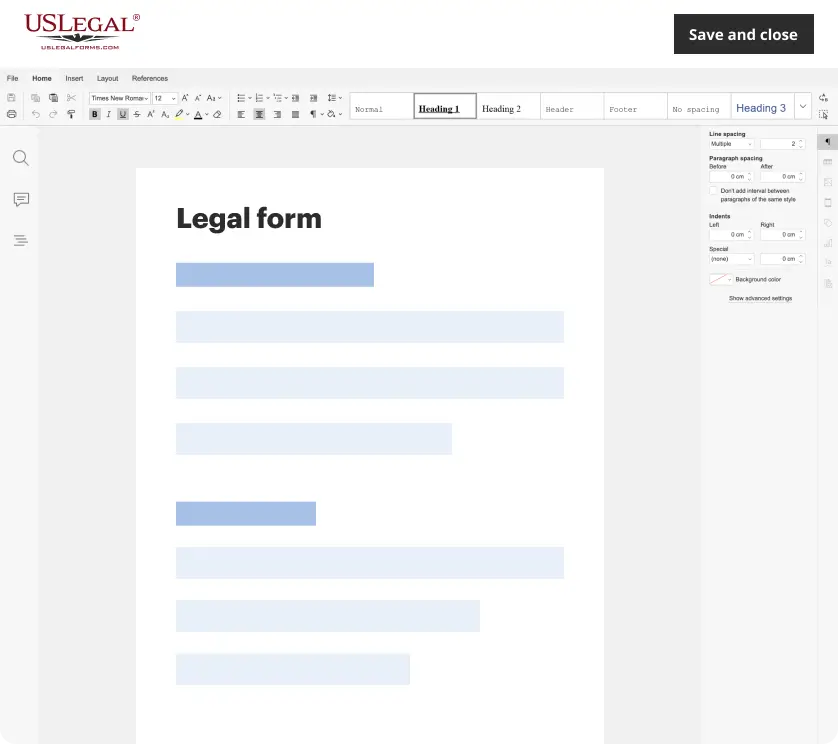
Make edits, fill in missing information, and update formatting in US Legal Forms—just like you would in MS Word.
Download a copy, print it, send it by email, or mail it via USPS—whatever works best for your next step.
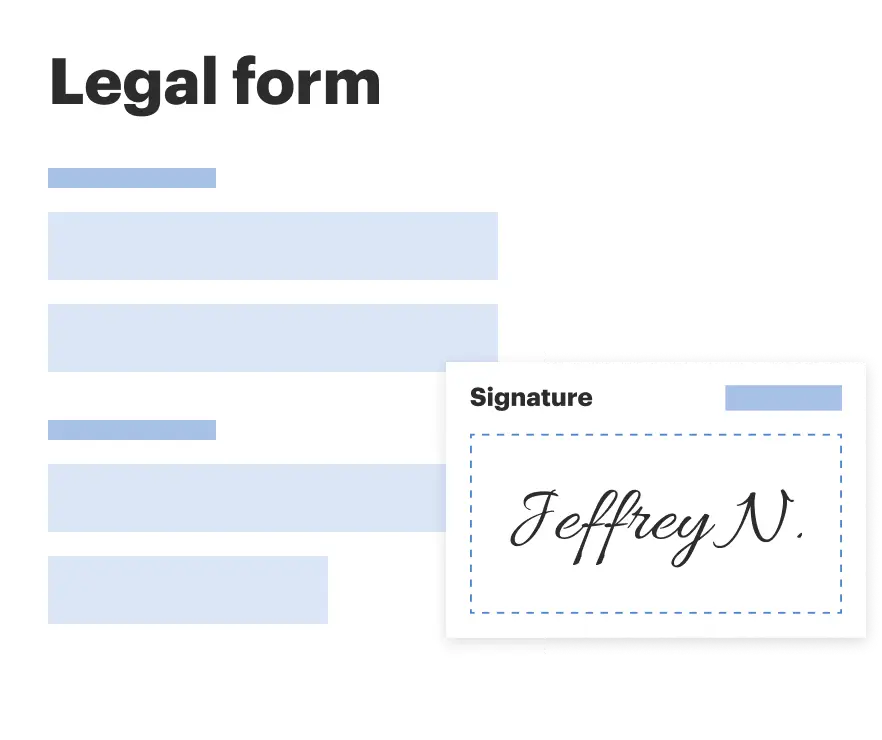
Sign and collect signatures with our SignNow integration. Send to multiple recipients, set reminders, and more. Go Premium to unlock E-Sign.

If this form requires notarization, complete it online through a secure video call—no need to meet a notary in person or wait for an appointment.
We protect your documents and personal data by following strict security and privacy standards.
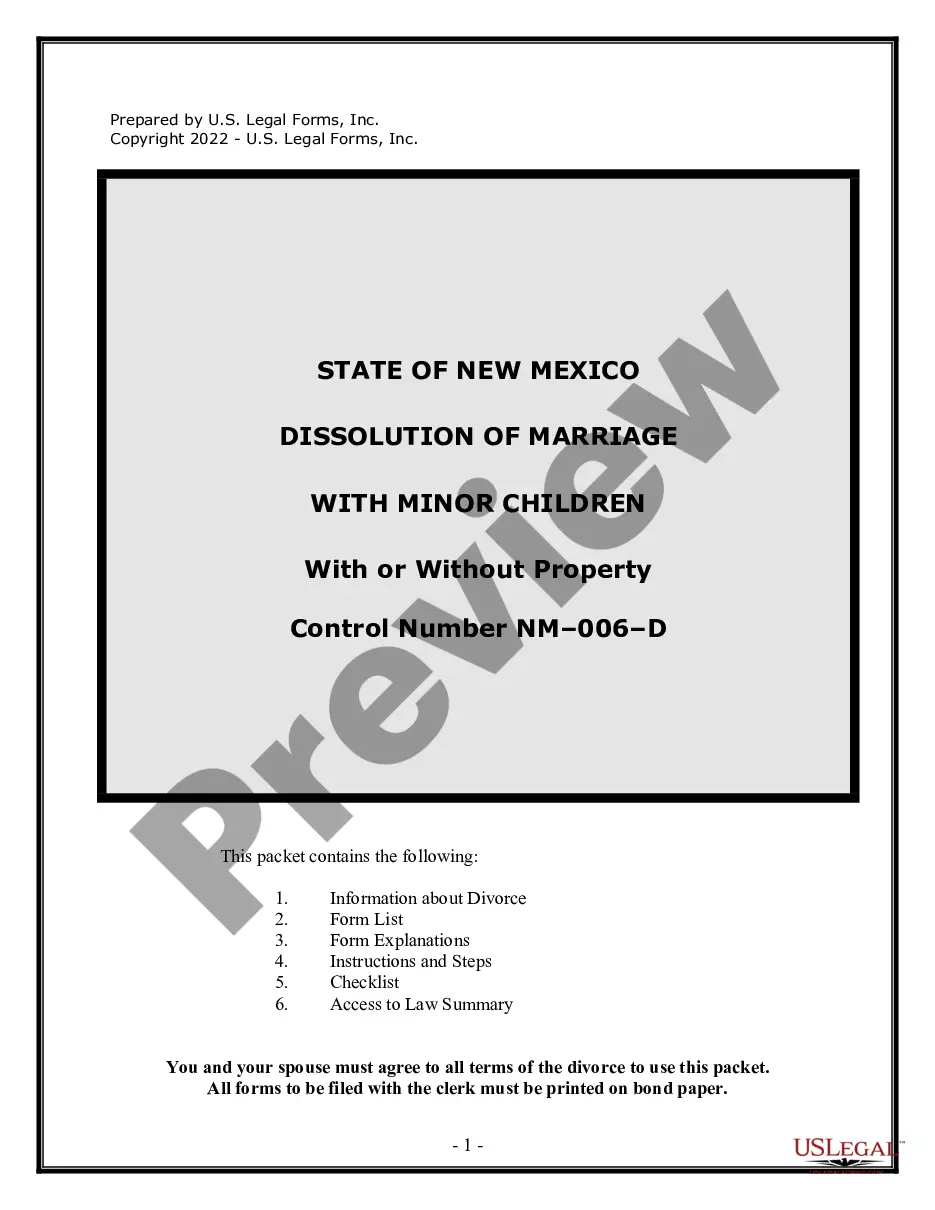
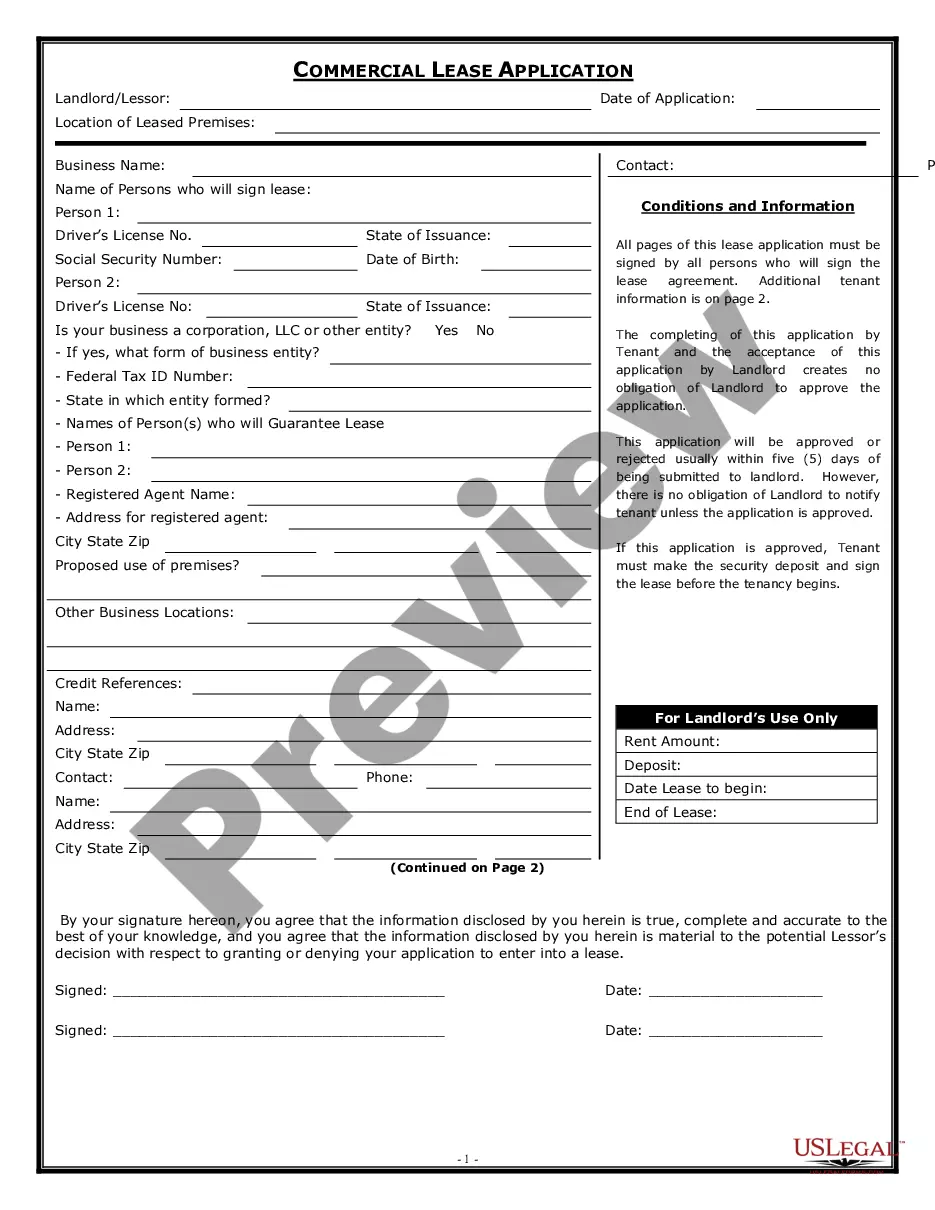
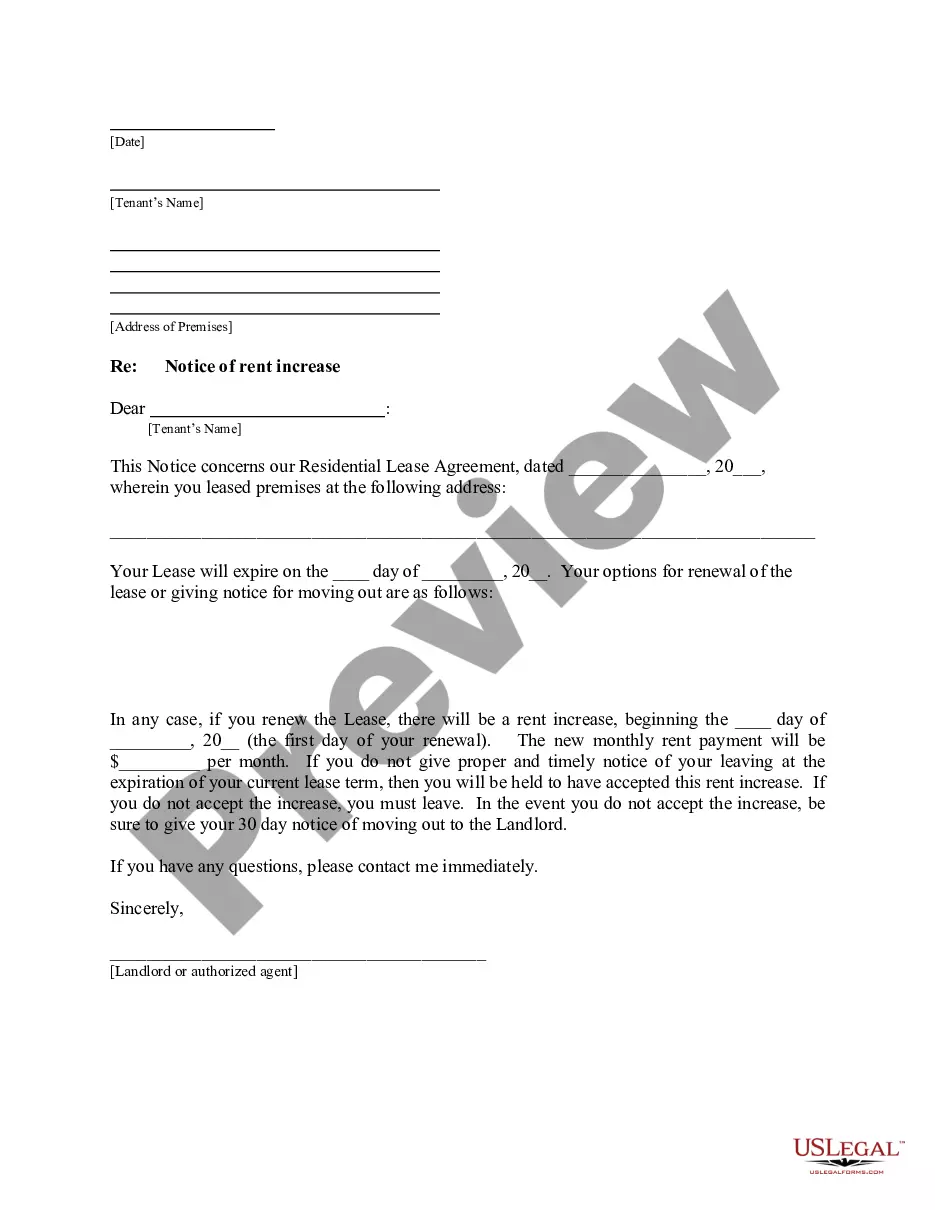
Looking for another form?





Form popularity
FAQ
In order to claim your right to any surplus, you must file a request with the court. After the ratification, you can be served with a Motion for Order of Possession, in which the purchaser asks the court to recognize that you no longer have the right to be in the house.
In order to claim your right to any surplus, you must file a request with the court. After the ratification, you can be served with a Motion for Order of Possession, in which the purchaser asks the court to recognize that you no longer have the right to be in the house.
In California, excess proceeds from foreclosure sales are typically forwarded to the state's unclaimed property division if the prior homeowner(s) cannot be contacted. Homeowners are notified of potential surplus funds via mail.
You'll need to act quickly to claim surplus funds after the foreclosure sale. A limited amount of time will be available for you to get the funds. The exact amount of time you'll get depends on state procedures. You can apply to either the foreclosure trustee or the court to get the foreclosure excess proceeds.
Tax Implications of Surplus Funds Whether the surplus funds from a foreclosure sale are taxable can depend on individual circumstances and how they align with tax regulations. Generally, these funds might be considered taxable income, and the homeowner may need to report them as such on their income taxes.
The "power of sale" clause in effect enables the mortgagee to order a public sale without court decree.
Most foreclosures in Maryland are what's called “nonjudicial” or “quasi-judicial.” With a nonjudicial foreclosure, the lender must complete specific out-of-court steps detailed in state law before selling the property. In most states, a court is not involved in a nonjudicial foreclosure whatsoever.
What is provision is required in a mortgage to allow a non-judicial foreclosure to force a sale without a foreclosure suit? A power of sale clause.
A power of sale clause written into a mortgage contract authorizes the mortgagee to sell the property in the event of default. These types of clauses invoke the right of foreclosure without going through the court process.
Power of Sales clauses include language in the deed of trust which states that the lender has the power to sell the real property that secures the agreement should the borrower breach their contract. Deeds of Trusts with Power of Sale clauses attached give lenders the right to foreclose the property nonjudicially.
