Companies Board Meeting Rules In Cook
Description

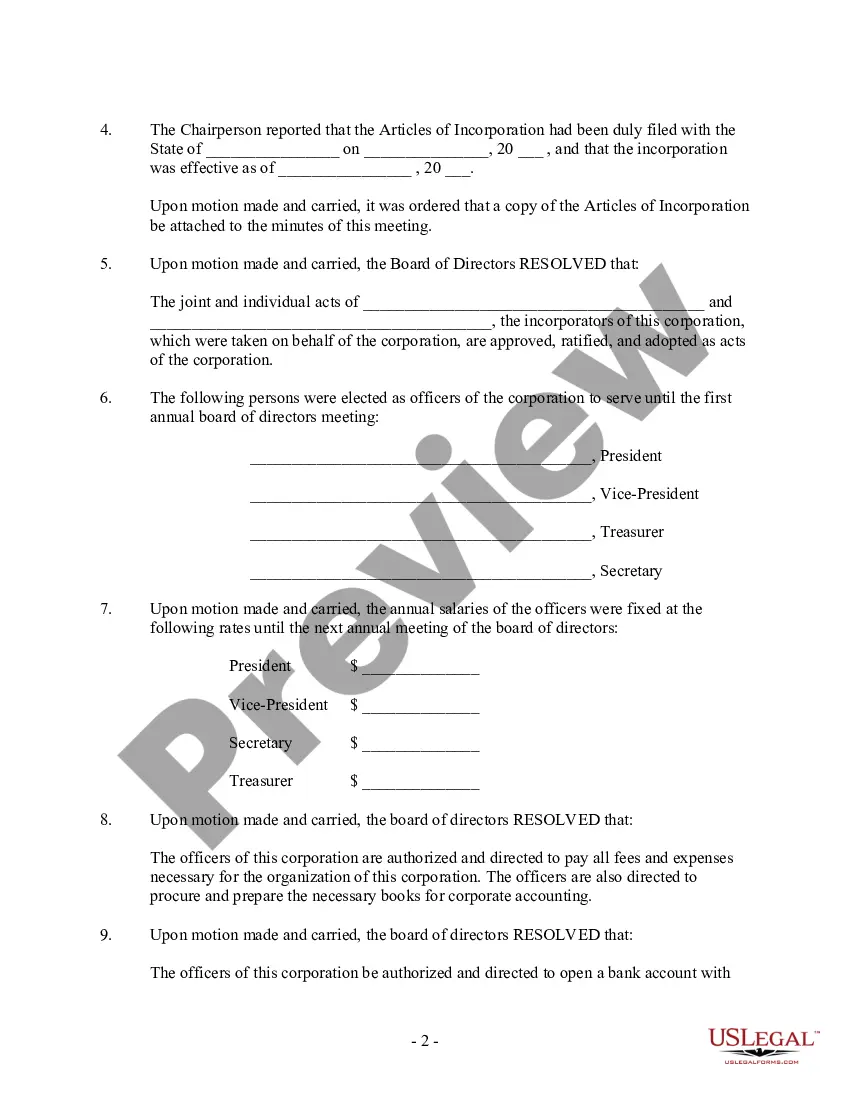
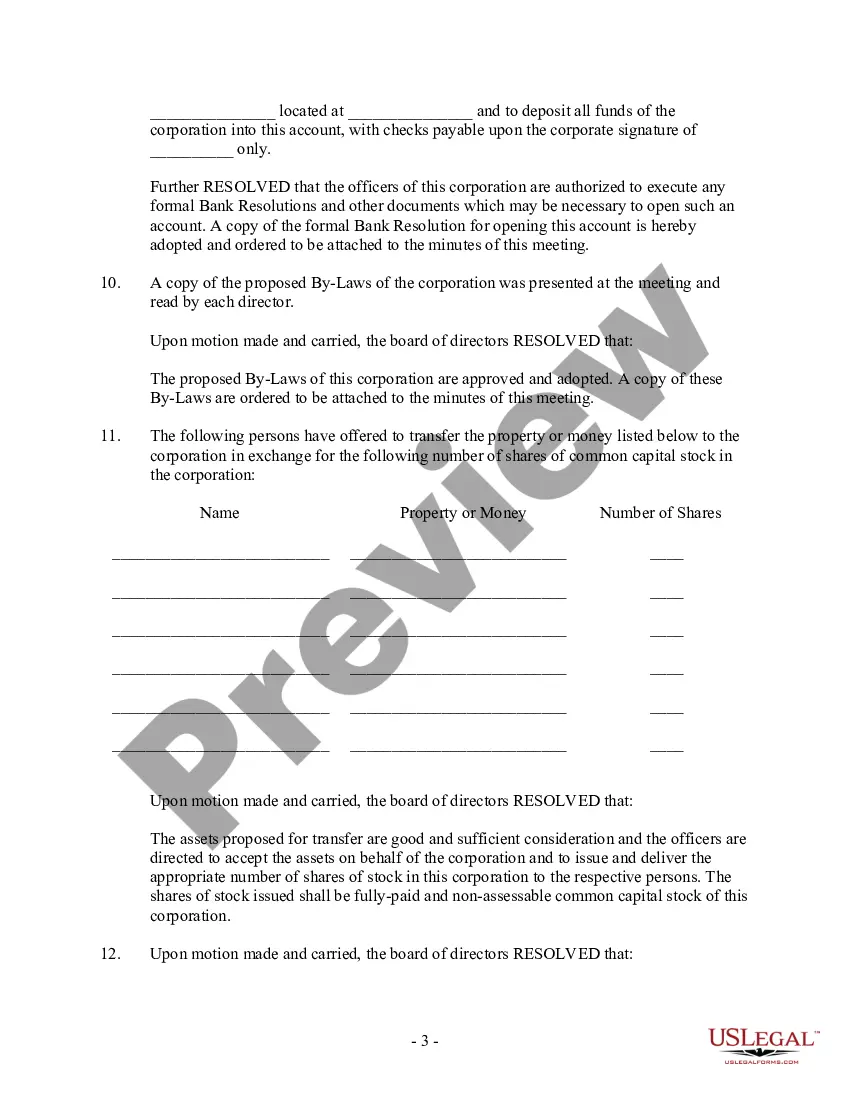
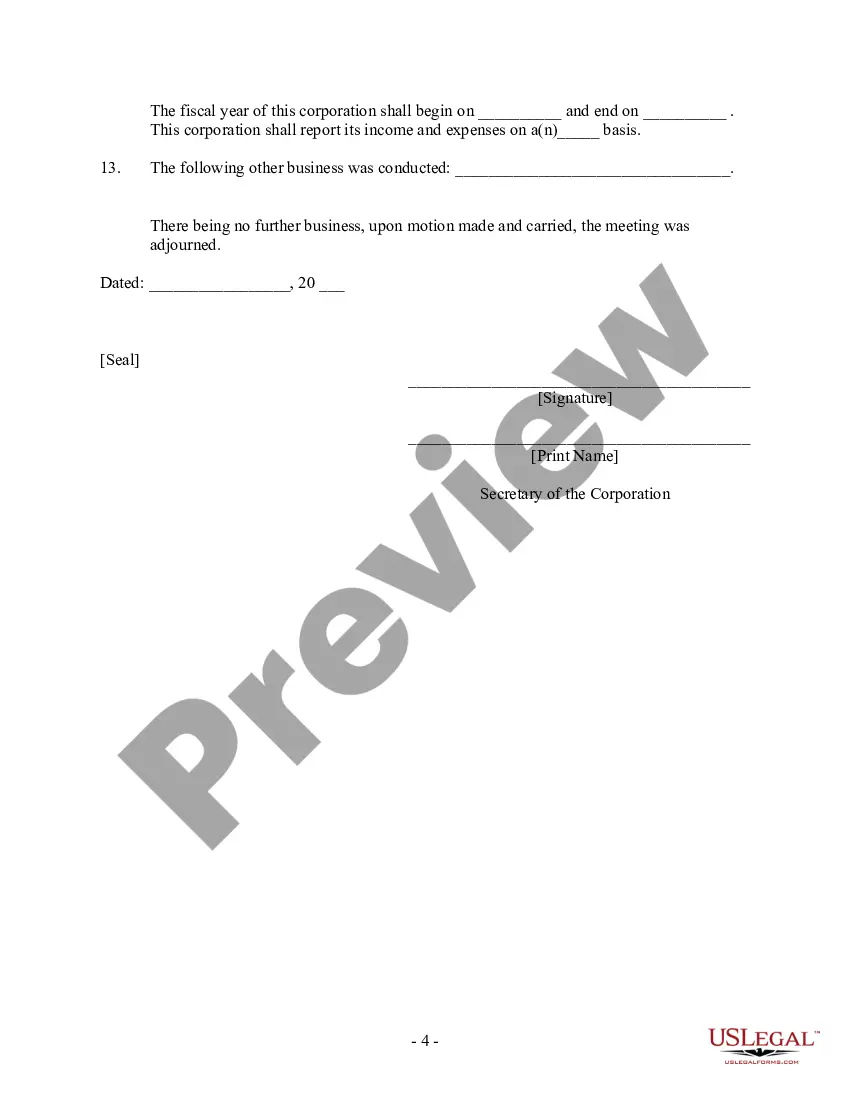

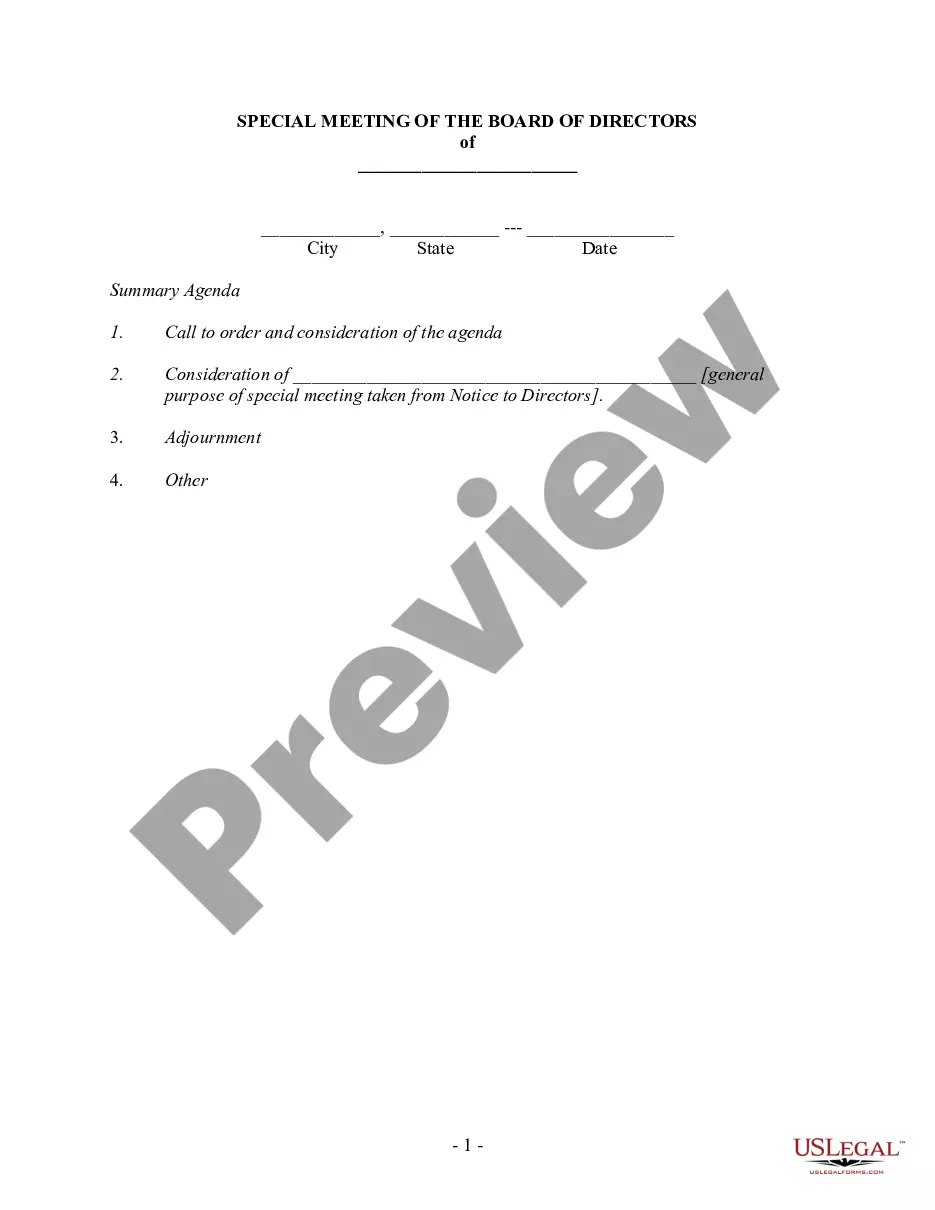
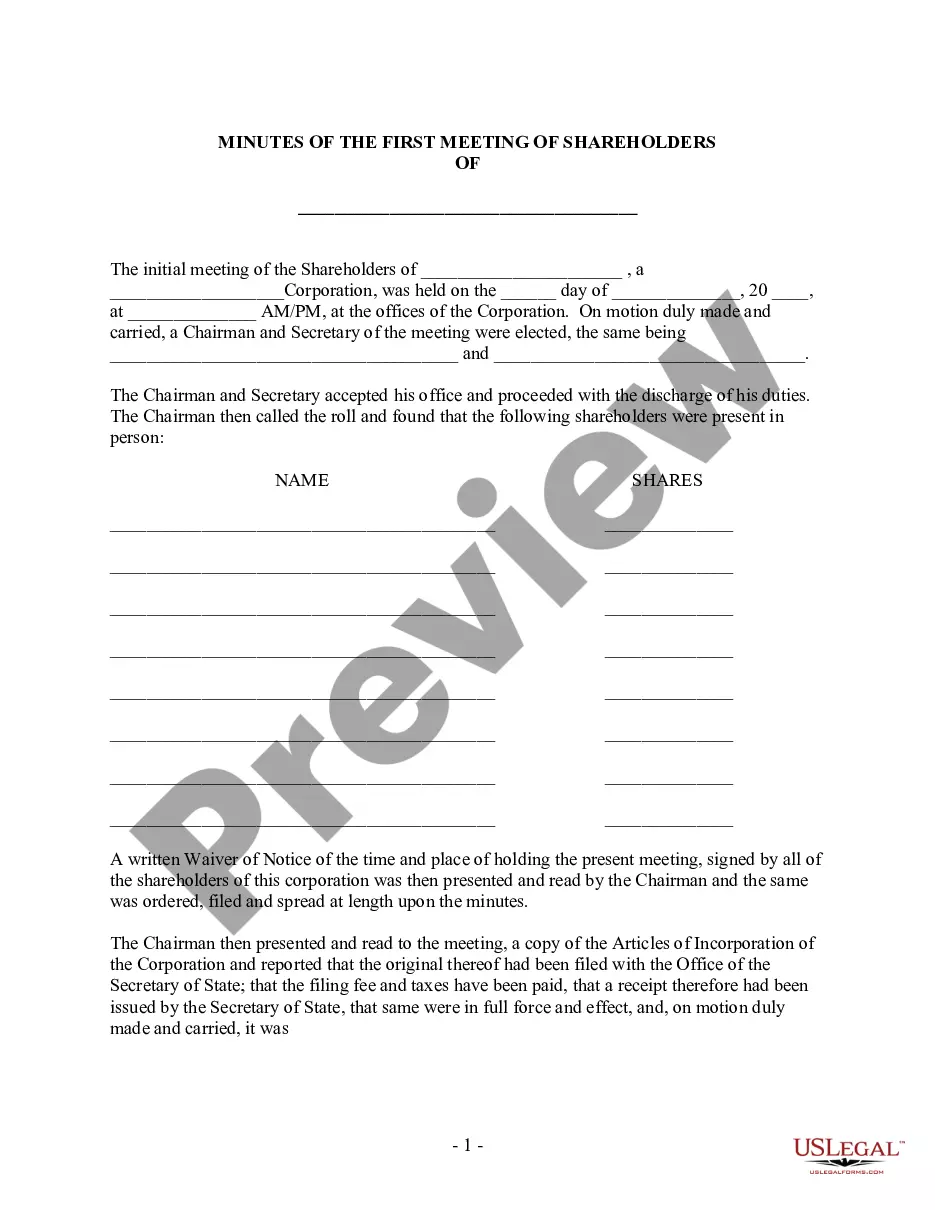
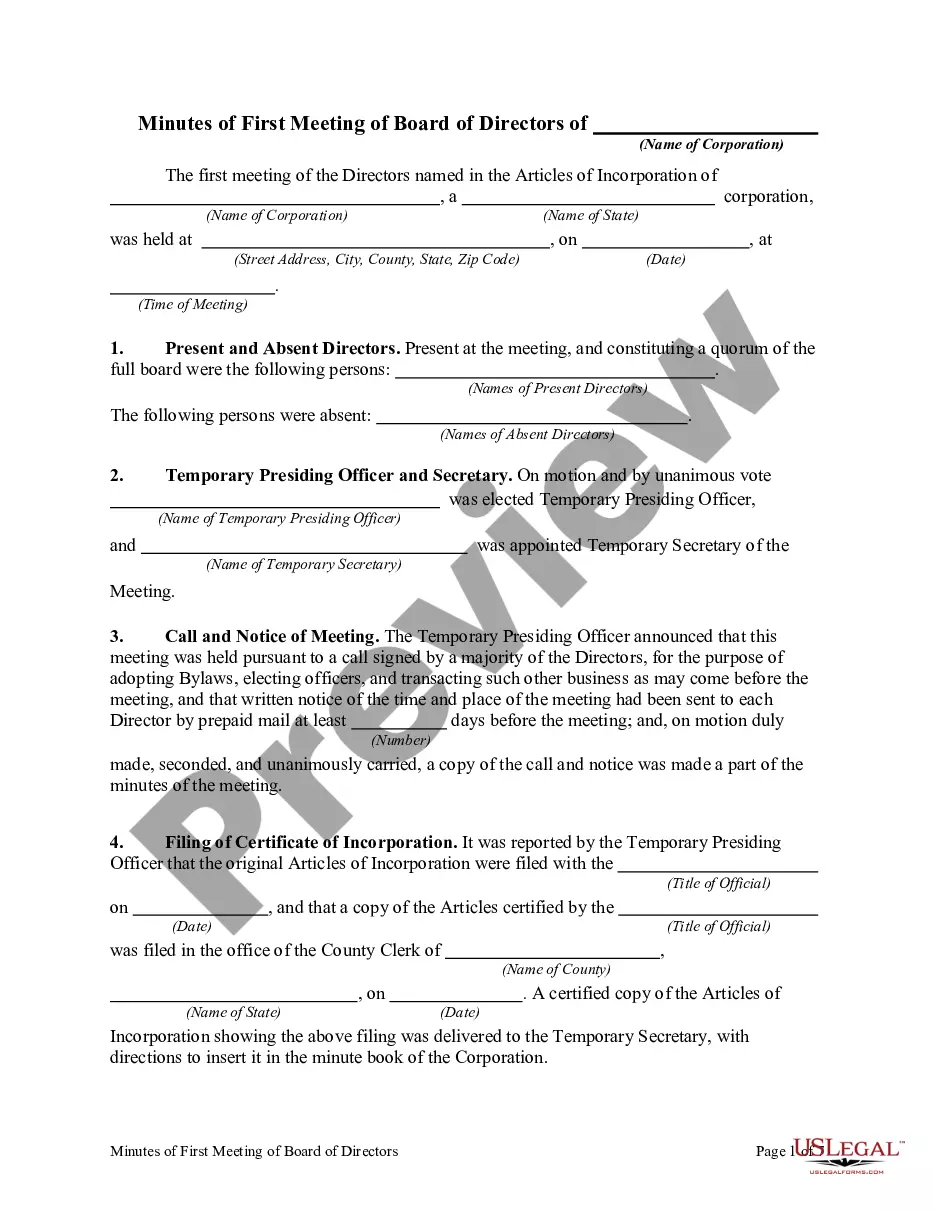
Get your form ready online
Our built-in tools help you complete, sign, share, and store your documents in one place.
Make edits, fill in missing information, and update formatting in US Legal Forms—just like you would in MS Word.
Download a copy, print it, send it by email, or mail it via USPS—whatever works best for your next step.
Sign and collect signatures with our SignNow integration. Send to multiple recipients, set reminders, and more. Go Premium to unlock E-Sign.
If this form requires notarization, complete it online through a secure video call—no need to meet a notary in person or wait for an appointment.
We protect your documents and personal data by following strict security and privacy standards.

Make edits, fill in missing information, and update formatting in US Legal Forms—just like you would in MS Word.

Download a copy, print it, send it by email, or mail it via USPS—whatever works best for your next step.

Sign and collect signatures with our SignNow integration. Send to multiple recipients, set reminders, and more. Go Premium to unlock E-Sign.

If this form requires notarization, complete it online through a secure video call—no need to meet a notary in person or wait for an appointment.

We protect your documents and personal data by following strict security and privacy standards.
Looking for another form?

Form popularity
FAQ
(6) With respect to every meeting conducted through video conferencing or other audio visual means authorised under these rules, the scheduled venue of the meeting as set forth in the notice convening the meeting, which shall be in India, shall be deemed to be the place of the said meeting and all recordings of the ...
The 5Ps are Purpose, Participants, Process, Payoff, and Preparation (some suggest it should be 6Ps including Pizza). Purpose: Every meeting should have a clear purpose, which must be more specific than just a subject line calling for a 'daily meeting' (why should the team meet daily?).
Board Meeting Etiquette Tips Good timekeeping is essential for the meeting to run as it should. Do not use electronic devices for any other purpose than for referencing meeting items. Refrain from interrupting other members as they speak. Do not try and chat with other members secretly.
Failure to Follow Open Meeting Laws: Open meeting laws mandate that meetings be accessible to the public or community members. Violating these laws, such as by conducting business in secret or excluding members from discussions that should be open, constitutes an illegal meeting.
How to conduct successful meetings: Meeting protocols Be on time. Make introductions. Have a strong agenda. Sit appropriately. Speak up. Understand the unwritten speaking rules. Do not have your phone out.
The 4 Ps of a meeting agenda stands for Purpose, Product, People, and Process. These elements help guide the structure of a meeting, ensuring that it stays focused, efficient, and productive.
A quorum must be present for business to be conducted • All members have equal rights, privileges and obligations • No person should speak until recognized by the chair • Personal remarks or side discussions during debate are out of order • Only one question at a time may be considered, and only one person may have the ...
The following steps to running a board meeting are: Recognizing a quorum. Calling the meeting to order. Approving the agenda and minutes. Allowing for communication and reports. Addressing old/new/other business. Closing the meeting.
“Good morning/evening, everyone! It's state the date and time, and I'd like to call the meeting of organization name to order.” The officer then addresses any items of personal or perfunctory nature. This could include welcoming new members, thanking retiring members, and welcoming visitors.
Most board meeting agendas follow a classic meeting structure: Calling meeting to order – ensure you have quorum. Approve the agenda and prior board meeting minutes. Executive and committee reports – allow 25% of time here for key topic discussion. Old/new/other business. Close the meeting and adjourn.
