Corporation Corporate Officer Format In Washington
Description

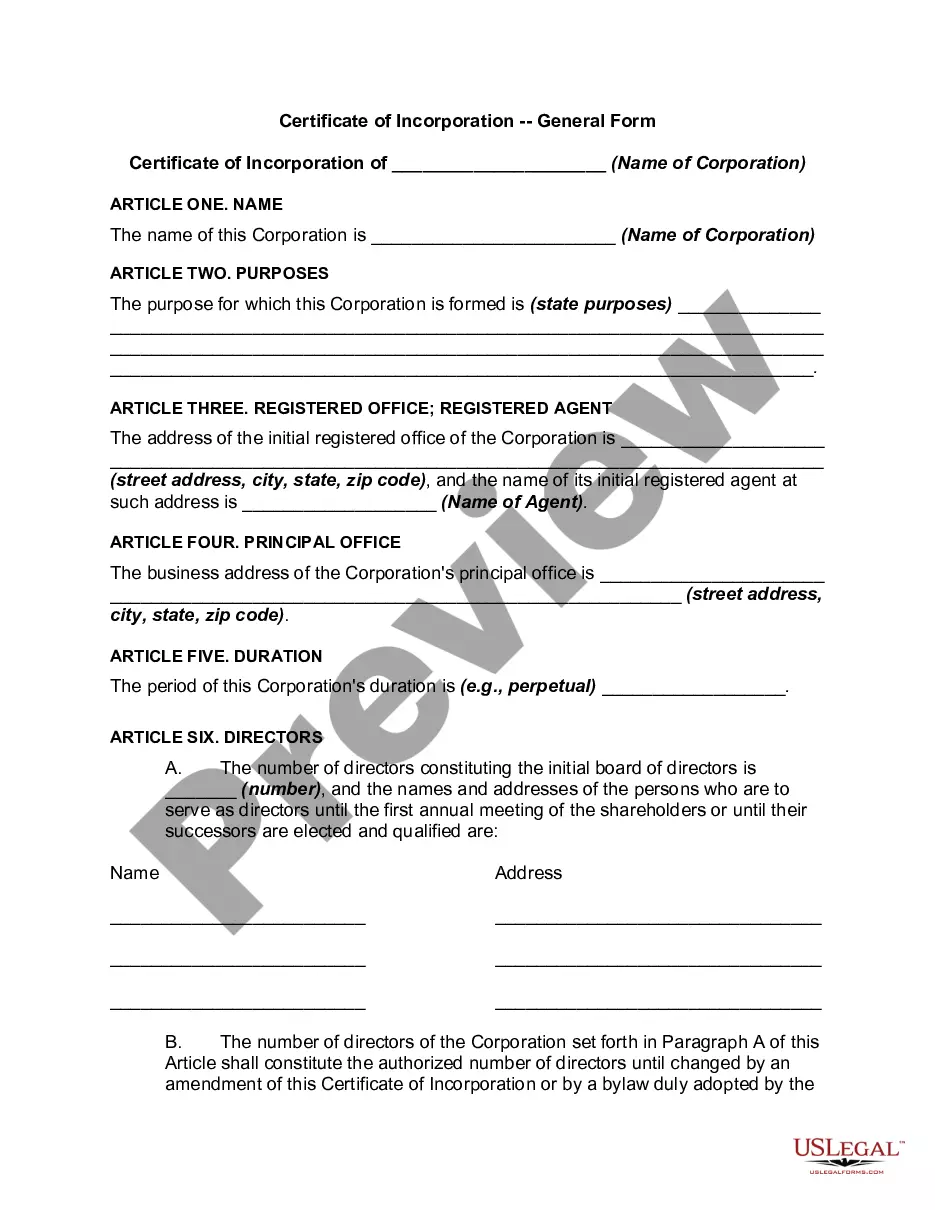
Get your form ready online
Our built-in tools help you complete, sign, share, and store your documents in one place.
Make edits, fill in missing information, and update formatting in US Legal Forms—just like you would in MS Word.
Download a copy, print it, send it by email, or mail it via USPS—whatever works best for your next step.
Sign and collect signatures with our SignNow integration. Send to multiple recipients, set reminders, and more. Go Premium to unlock E-Sign.
If this form requires notarization, complete it online through a secure video call—no need to meet a notary in person or wait for an appointment.
We protect your documents and personal data by following strict security and privacy standards.

Make edits, fill in missing information, and update formatting in US Legal Forms—just like you would in MS Word.

Download a copy, print it, send it by email, or mail it via USPS—whatever works best for your next step.

Sign and collect signatures with our SignNow integration. Send to multiple recipients, set reminders, and more. Go Premium to unlock E-Sign.

If this form requires notarization, complete it online through a secure video call—no need to meet a notary in person or wait for an appointment.

We protect your documents and personal data by following strict security and privacy standards.
Looking for another form?


Form popularity
FAQ
In general, the duties of each officer are set forth in the bylaws or, to the extent consistent with the bylaws, are prescribed by the board of directors. Usually, the bylaws will provide for several corporate officers. The most common are the president, vice president, secretary and treasurer.
How to Transfer Ownership of a Corporation Consult your Articles of Incorporation and corporate bylaws. Contact the board of directors or shareholders. Find a buyer. Transfer ownership of stock. Inform the Secretary of State.
Company Web Pages This should be the first stop for anyone researching the executives and directors. The About Us or the Investor Relations sections are usually the first stop. Often press releases on appointments/changes are a good source of biographical information.
Review Corporate Bylaws and Contracts For instance, a company might have in its bylaws that an officer can be removed if two-thirds of the board of directors votes in favor of the removal. Alternatively, the officer's contract might stipulate specific circumstances under which they can be terminated.
Corporate officers colloquially refers to the people in a corporation that run the company's daily operations. The corporate officers are chosen by the board of directors.
Changing officers of a corporation involves filing the articles of incorporation while adhering to Washington state codes. Directors add officers formally at an annual directors meeting but can do so at any time within the scope of the bylaws.
Directors are elected by shareholders and are the highest level of governance in a corporation. They oversee the company and set goals for staff to meet. Officers are appointed by the directors and carry out the day-to-day operations of the business on behalf of the company.
Corporate officers colloquially refers to the people in a corporation that run the company's daily operations.
Limited liability companies are permitted to engage in any lawful, for-profit business or activity other than banking or insurance. Doing business as an LLC may yield tax or financial benefits. A Corporation is a legal entity. A corporation has certain rights, privileges, and liabilities beyond those of an individual.
Usually, the bylaws will provide for several corporate officers. The most common are the president, vice president, secretary and treasurer. The president usually makes decisions of corporate policy and operations.

