Board Meeting With In Salt Lake
Description

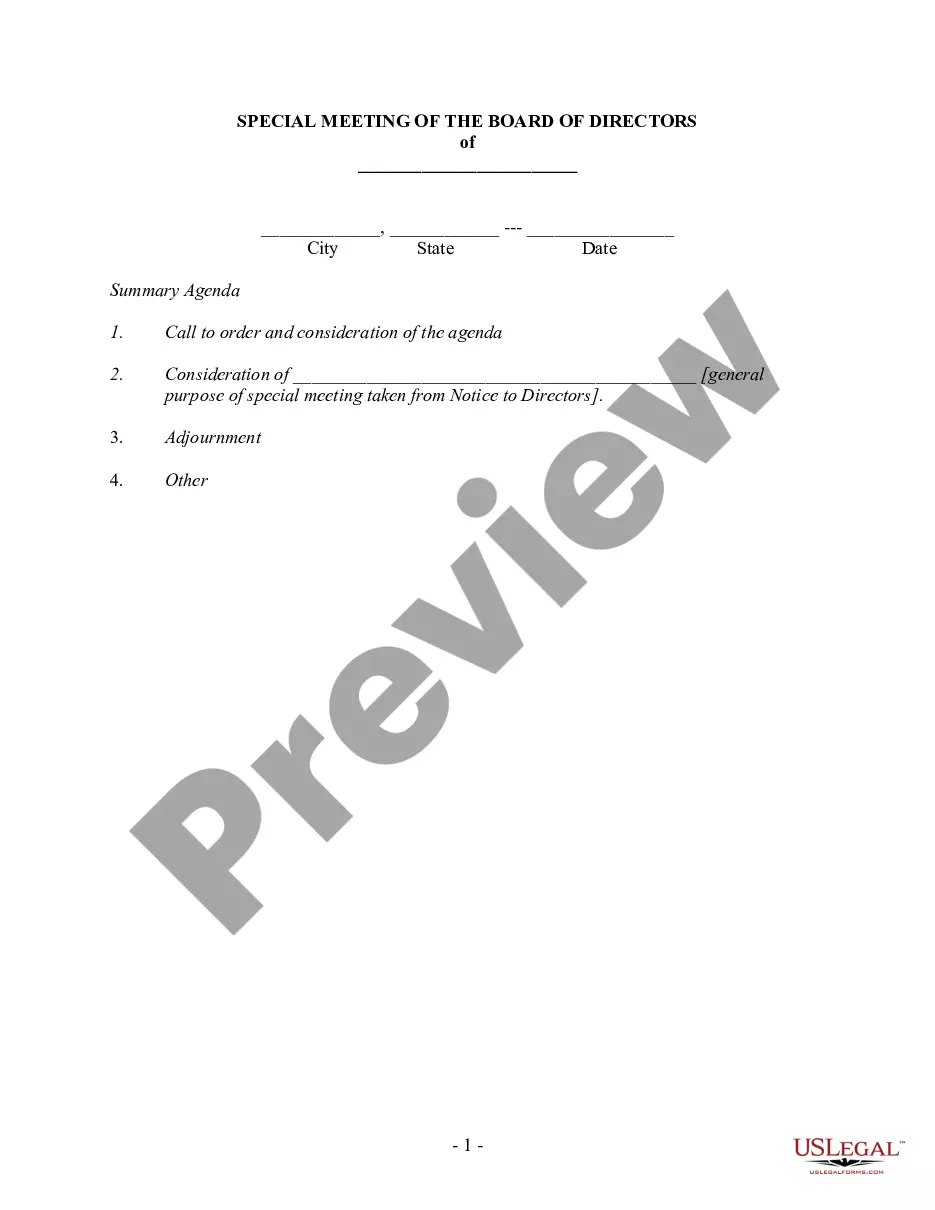


Get your form ready online
Our built-in tools help you complete, sign, share, and store your documents in one place.
Make edits, fill in missing information, and update formatting in US Legal Forms—just like you would in MS Word.
Download a copy, print it, send it by email, or mail it via USPS—whatever works best for your next step.
Sign and collect signatures with our SignNow integration. Send to multiple recipients, set reminders, and more. Go Premium to unlock E-Sign.
If this form requires notarization, complete it online through a secure video call—no need to meet a notary in person or wait for an appointment.
We protect your documents and personal data by following strict security and privacy standards.

Make edits, fill in missing information, and update formatting in US Legal Forms—just like you would in MS Word.

Download a copy, print it, send it by email, or mail it via USPS—whatever works best for your next step.

Sign and collect signatures with our SignNow integration. Send to multiple recipients, set reminders, and more. Go Premium to unlock E-Sign.

If this form requires notarization, complete it online through a secure video call—no need to meet a notary in person or wait for an appointment.

We protect your documents and personal data by following strict security and privacy standards.
Looking for another form?
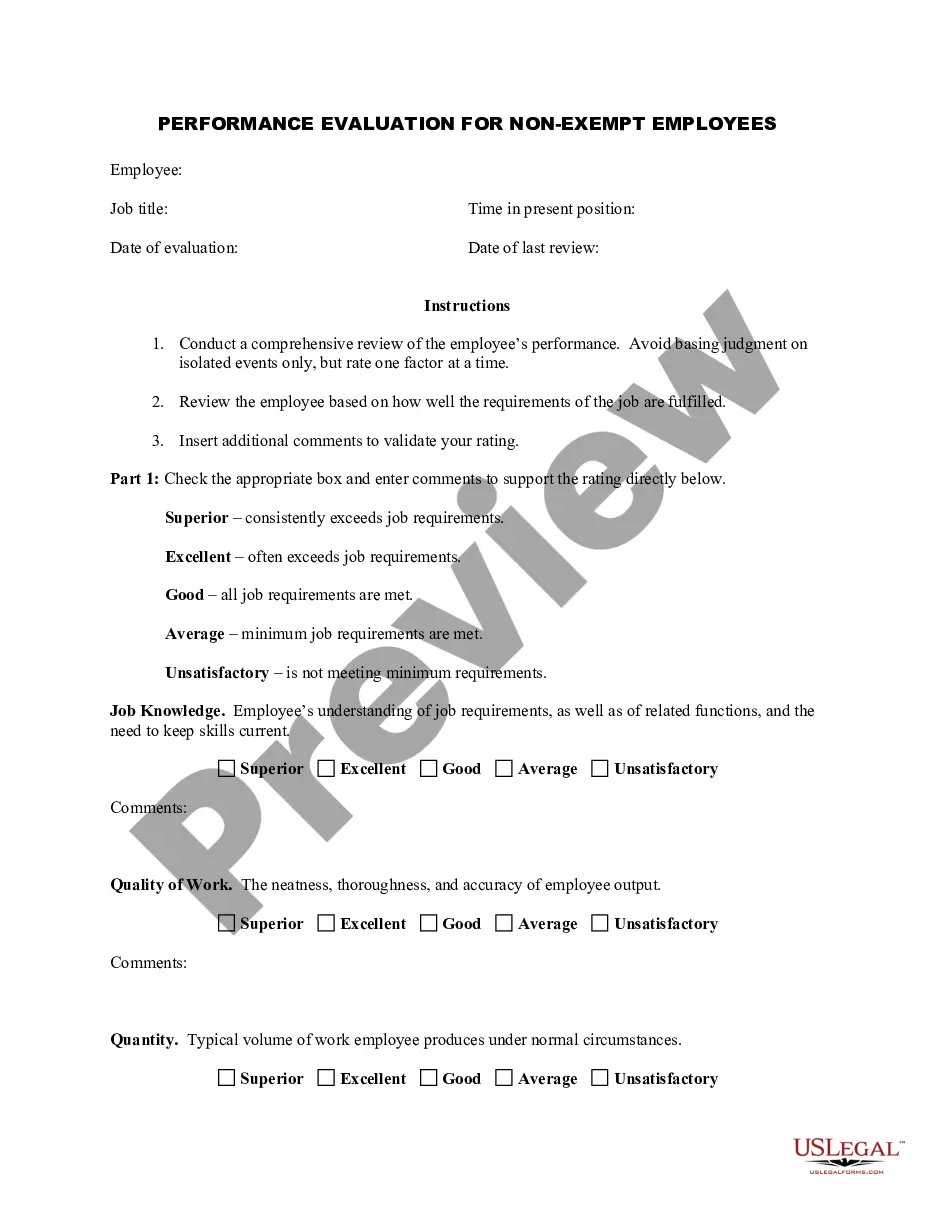
Form popularity
FAQ
Open meeting laws require publicly-funded entities to hold public meetings. However, school boards can hold closed sessions for disciplinary hearings, contract negotiations, employment issues.
Non Board members can attend meetings. There are a number of reasons you might want to have this policy. Perhaps you need to invite senior staff members of your organisation. For example, the CEO might want to present on their strategic policy and the development of the company.
Meeting attendees should be those who can contribute value to the meeting as a whole, or a specific agenda item. Meeting attendees should be equipped to prepare thoroughly for the meeting. This allows them to collaborate asynchronously with other meeting attendees ahead of the meeting.
Anyone who is an Officer of the company should also attend Board meetings. Invariably, these are senior executives and perhaps founders who have a depth of knowledge which the Board would wish to have present at the meetings.
Here's a look at the procedure for calling an emergency board meeting: Review Board Bylaws. Submit a Written Notice. Specify the Meeting Agenda, Location, and Time. Capture Board Meeting Minutes. Leverage Board Meeting Technology.
Steps in Running a Board Meeting Recognizing a quorum. Calling the meeting to order. Approving the agenda and minutes. Allowing for communication and reports. Addressing old/new/other business. Closing the meeting.
Anyone who is an Officer of the company should also attend Board meetings. Invariably, these are senior executives and perhaps founders who have a depth of knowledge which the Board would wish to have present at the meetings. Other C-level Executives.
Being a non-executive director requires a significant time commitment. As a non-executive director, you are not only expected to attend board meetings but also to actively participate in board discussions and preparation.
Robert's Rules (Section -16) state that “the minutes should contain mainly a record of what was done at the meeting, not what was said by the members.” Minutes are not transcripts of meetings; rather, the document contains a record of actions taken by the body, organized by the meeting's order of business (agenda).
The basic features of meeting minutes are the date, time, location and attendees, followed by a record of the board's actions, including brief descriptions of any presentations or topics discussed, specific resolutions adopted, and finally, general resolutions.
