Meeting For Business Proposal In California
Description

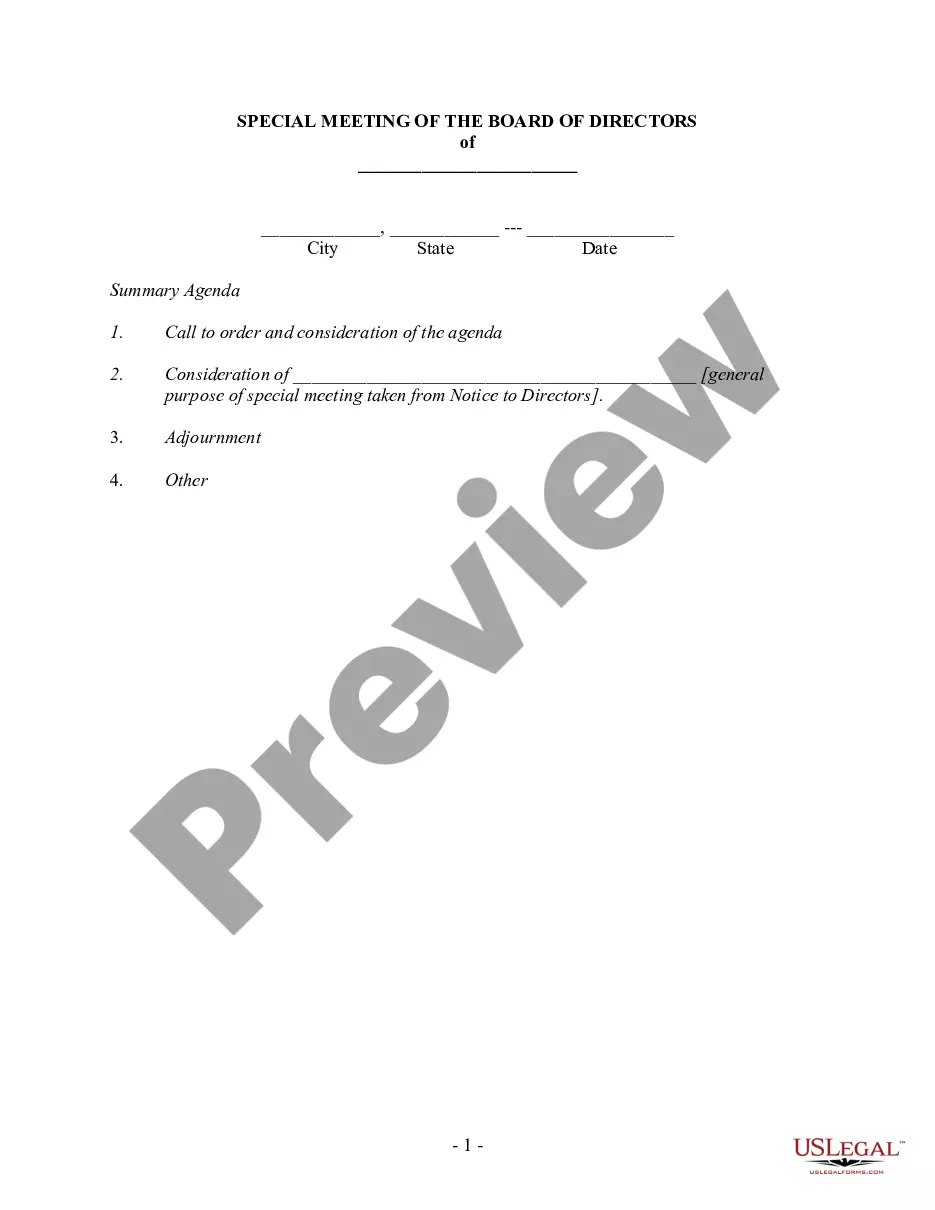


Get your form ready online
Our built-in tools help you complete, sign, share, and store your documents in one place.
Make edits, fill in missing information, and update formatting in US Legal Forms—just like you would in MS Word.
Download a copy, print it, send it by email, or mail it via USPS—whatever works best for your next step.
Sign and collect signatures with our SignNow integration. Send to multiple recipients, set reminders, and more. Go Premium to unlock E-Sign.
If this form requires notarization, complete it online through a secure video call—no need to meet a notary in person or wait for an appointment.
We protect your documents and personal data by following strict security and privacy standards.

Make edits, fill in missing information, and update formatting in US Legal Forms—just like you would in MS Word.

Download a copy, print it, send it by email, or mail it via USPS—whatever works best for your next step.

Sign and collect signatures with our SignNow integration. Send to multiple recipients, set reminders, and more. Go Premium to unlock E-Sign.

If this form requires notarization, complete it online through a secure video call—no need to meet a notary in person or wait for an appointment.

We protect your documents and personal data by following strict security and privacy standards.
Looking for another form?
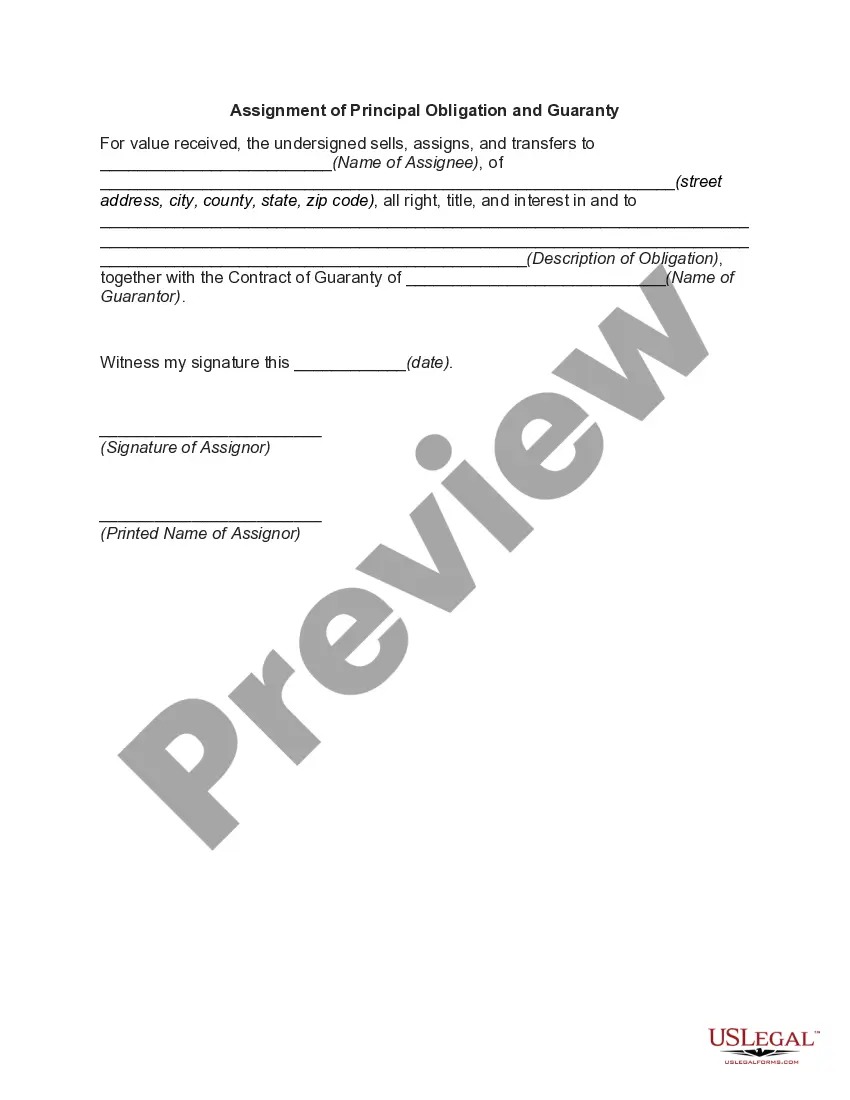
Form popularity
FAQ
To submit Form SI-100, you may file it online at the California Secretary of State's website or mail it to the Statement of Information Unit at P.O. Box 944230, Sacramento, CA 94244-2300. For in-person submissions, visit the Sacramento office located at 1500 11th Street, Sacramento, CA 95814.
A Statement of Information must be filed either every year for California stock, cooperative, credit union, and all qualified out-of-state corporations or every two years (only in odd years or only in even years based on year of initial registration) for California nonprofit corporations and all California and ...
When a company does business in a state, it's required to register with state agencies — typically the state's Secretary of State. The process through which a company files information and documents to register as a business in that state is known as a Secretary of State (SOS) filing.
4. Set an agenda for the meeting Determine the goals of the meeting . Write down the questions you want to address. Ask attendees for input. Estimate the amount of time you need to spend on each topic. Determine the purpose of each task. Identify who will lead each topic. Conclude each meeting with a review.
How to Build an Effective Meeting Structure Define Clear Objectives: Develop an Agenda: Prioritize Agenda Items: Assign Roles and Responsibilities: Invite the Right Participants: Communicate the Purpose: Stick to the Schedule: Foster Active Participation:
It's generally recommended to arrive at least 10 to 15 minutes early to a business meeting. This allows you time to settle in, prepare any materials, and make a good impression. Arriving too early, however, can be awkward, so aim for that 10- to 15-minute window.
The meeting process adheres to the following timed agenda: Clarify Aim/Purpose. Assign Roles. Review Agenda. Work through Agenda. Review meeting record. Plan Next Steps and Next Agenda. Evaluate.
The 5Ps are Purpose, Participants, Process, Payoff, and Preparation (some suggest it should be 6Ps including Pizza). Purpose: Every meeting should have a clear purpose, which must be more specific than just a subject line calling for a 'daily meeting' (why should the team meet daily?).
The meeting process adheres to the following timed agenda: Clarify Aim/Purpose. Assign Roles. Review Agenda. Work through Agenda. Review meeting record. Plan Next Steps and Next Agenda. Evaluate.
How to arrange a meeting Determining the objectives of your business meeting. Arranging the meeting. Defining agenda items and setting clear goals. Choosing participants and assigning roles. Gathering relevant information. Prepare individually. Collaborate asynchronously.
